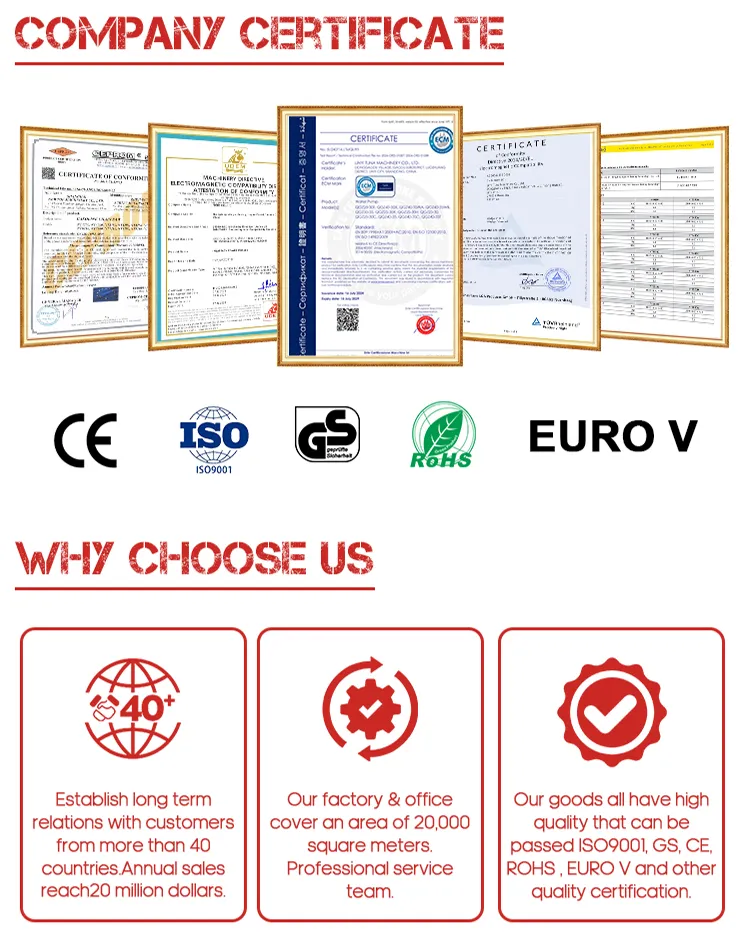
Every sourcing trip produces the same folder: a business license, a catalog, a list of certificates, and a quotation that looks ten percent better than the last one. None of it tells you whether the company on the other end actually manufactures what you are about to buy. This guide walks through the verification process experienced importers run before placing a bulk order with outdoor power equipment manufacturers in China — five steps, in the order that catches the most problems cheapest.
The stakes are lopsided. Verification costs days and a few hundred dollars; skipping it risks a container of machines that cannot clear your market’s paperwork, a factory that disappears between the deposit and the shipment, or a “manufacturer” that was brokering from three different workshops the whole time.
Know Who You Are Actually Talking To
The first distinction is not factory versus fraud — it is factory versus trading company, and neither is automatically wrong. A trading company can consolidate SKUs, handle communication smoothly, and consolidate several small workshops into one container. The problem is misrepresentation: paying a trading margin while believing you have factory pricing, factory engineering, and factory accountability.
China’s business license states the registered business scope. A manufacturer’s scope includes production activities — manufacturing, processing — while a pure trader lists wholesale, import, and export. Ask for the license early, read the scope, and cross-check the registered company name against everything that follows: the certificates, the audit report, the bank account. If the certificate says Company A and the quotation says Company B, you have found your first answer before any travel.
Étape 1 — Verify the Business License and Export Track Record
With the license in hand, three checks take an afternoon. D'abord, the registration itself: company name, legal representative, scope, and how long the entity has existed. A company registered last year presenting itself as an established factory is not automatically disqualified, but it changes the questions you ask next. Deuxième, export history: customs data services can show which markets the company actually ships to and at what volumes, which is harder to fake than a reference list. Troisième, market presence: a manufacturer that claims Africa and Latin America as core markets should be able to name exhibitions attended, distributors served, and models adapted for those markets — generically “we export worldwide” is not an answer.
Étape 2 — Audit the Factory On-Site or Through a Third Party
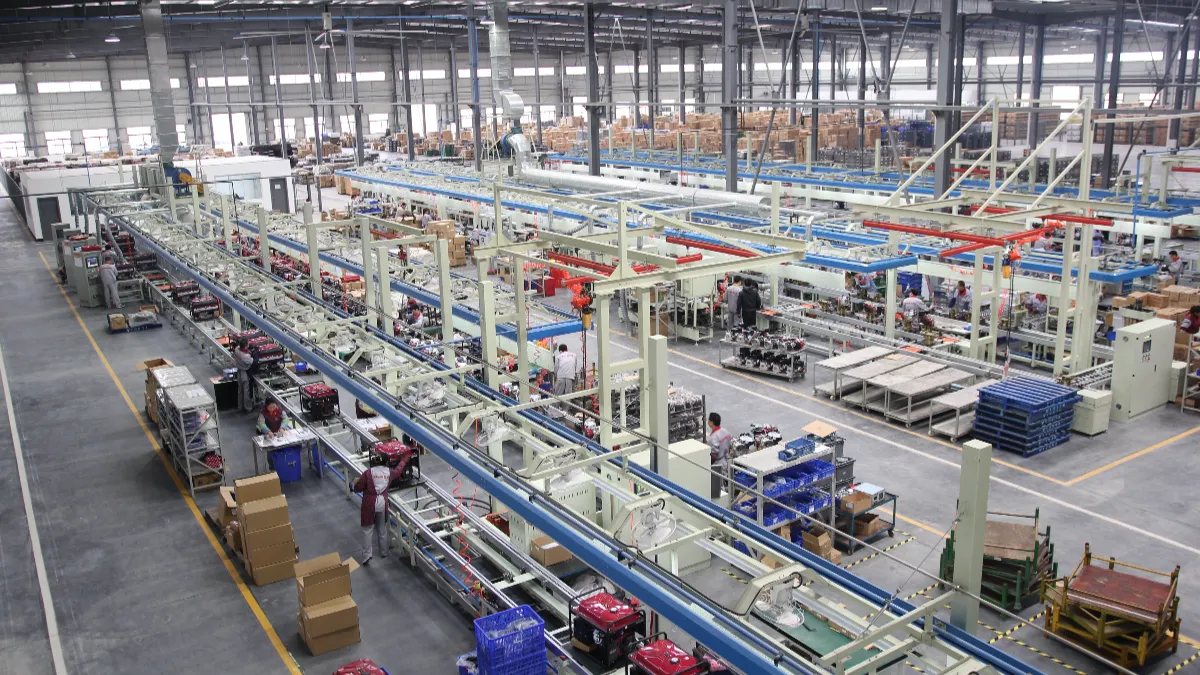
An audit is where catalog claims meet production reality. Whether you walk the floor yourself or hire a third-party inspection firm for a one-day audit, the checklist is the same, and it reads very differently from a sales visit. You are looking for evidence of manufacturing depth, not just activity.
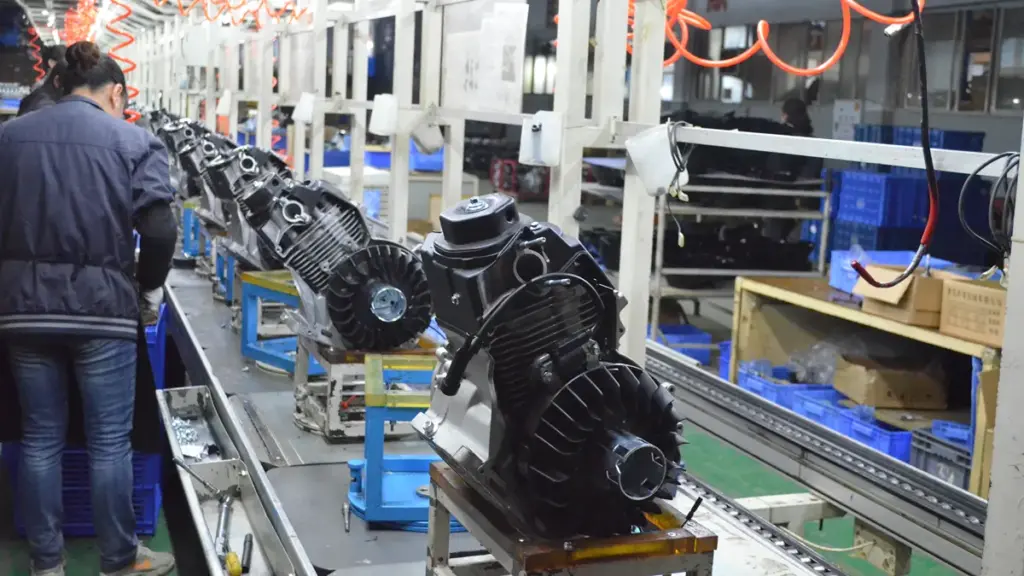
- Assembly lines actually running — not a showroom line staged for visitors. Ask to see the line for the specific model family you are buying.
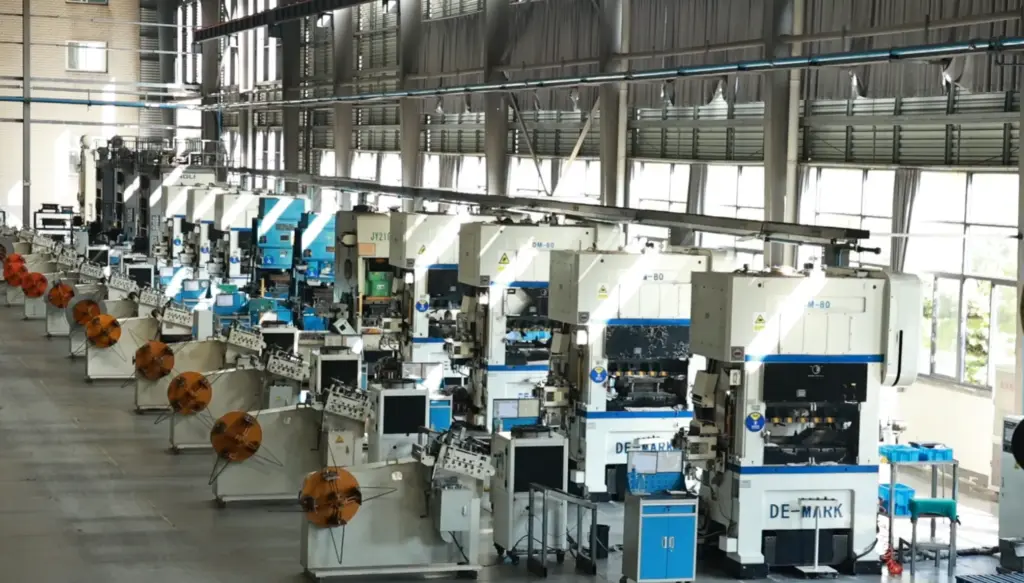
- In-house capability where it matters — machining centers, plastic injection, or winding shops indicate a factory that controls its own quality instead of assembling purchased kits.
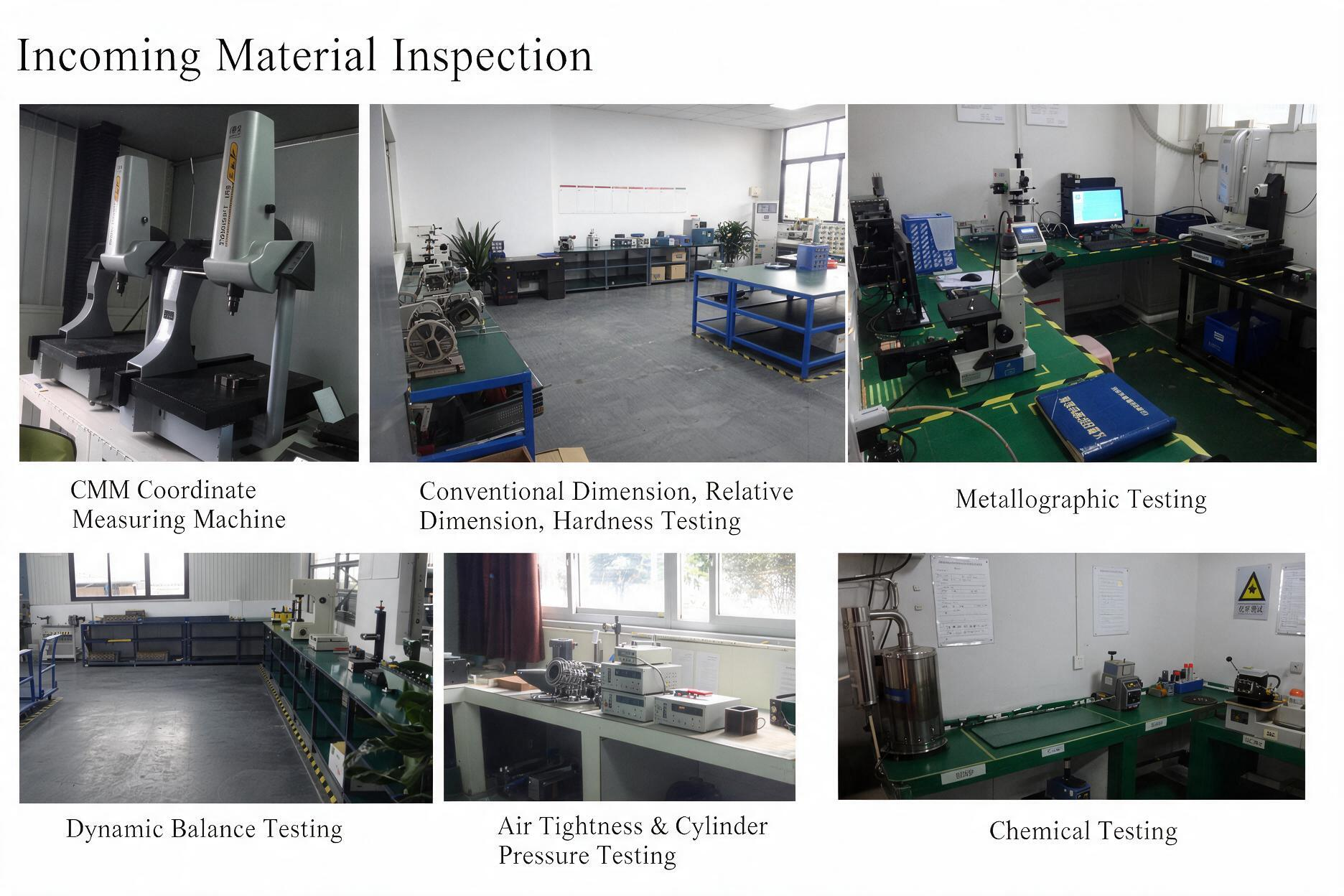
- Testing stations — engine test benches, brake test rigs, and final inspection stations. A factory without testing equipment is shipping whatever its suppliers ship.
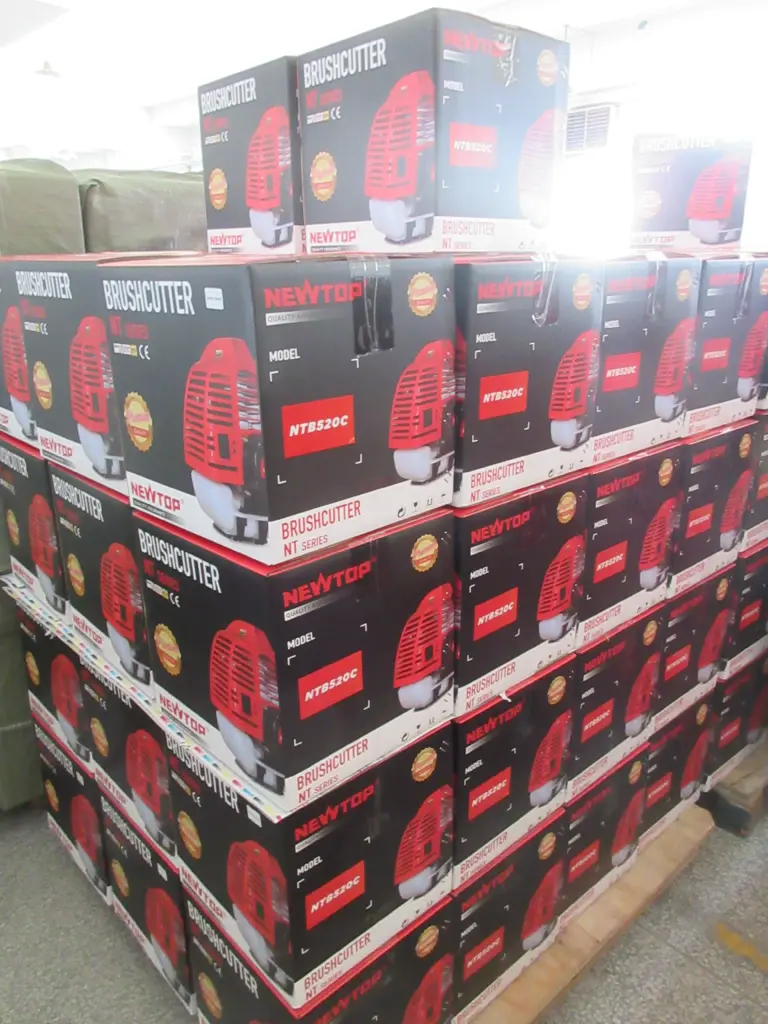
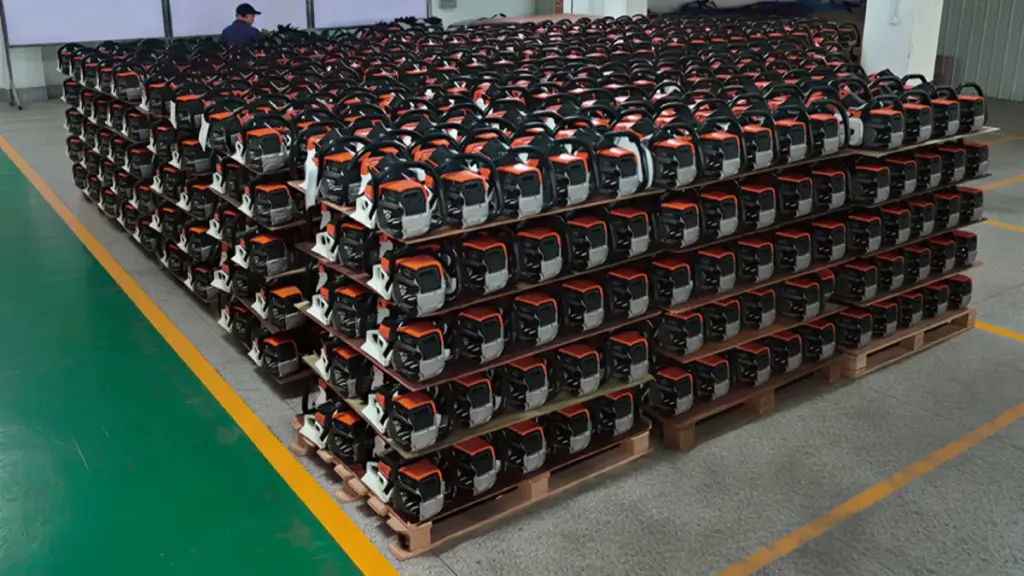
- Warehouse and production flow — work in progress on the floor, finished goods staged for real orders, and traceability between batches and inspections.
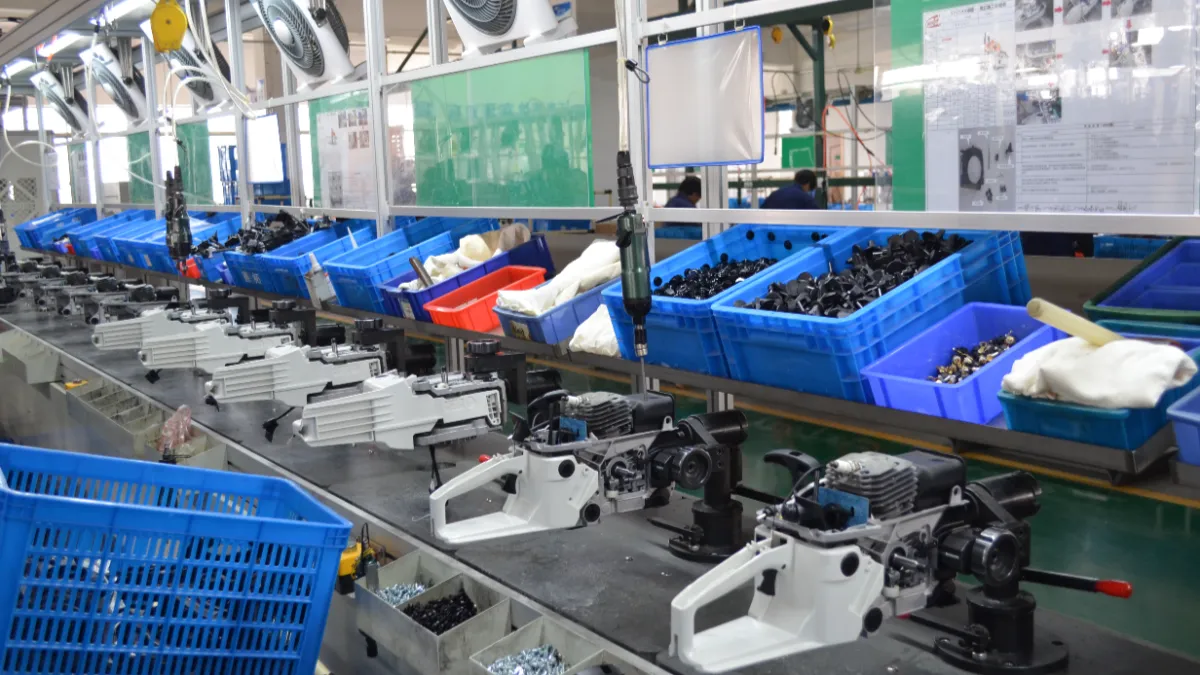
When travel is not an option, a live video audit is a workable substitute if you control the camera: ask for an unscheduled video call, walk the production line for your model, and have the host open testing stations and the warehouse on camera. What a supplier refuses to show on video usually matches what an auditor would find on site.
Étape 3 — Verify Certificates Against the Models You Are Buying
Certificate verification deserves its own step because borrowed paperwork is the most common failure in this industry. The compact version of the check: request the Declaration of Conformity and the certificate for your exact model, look the certificate number up in the issuing body’s public database, confirm the model list on the certificate includes your SKU and engine configuration, and check the validity dates. A genuine certificate survives all four; a borrowed one usually fails at the model match, because factories legitimately hold certificates for their best-selling configurations and let the halo extend to everything in the catalog.
A transparent OPE manufacturer makes this step easy — publishing its portfolio, naming testing bodies, and supplying test report summaries without argument. You can see what that looks like on our certificates and patents page.
Étape 4 — Test Samples From the Production Line, Not the Showroom
Showroom samples are chosen; production samples are representative. When you request samples before a bulk order, ask that they be pulled from the current production run of your model — same engine, same configuration, same packaging — and test them against a written protocol: cold start behavior, full-throttle stability, safety features such as chain brake and throttle lockout, vibration, and packaging drop tests for the export carton. A supplier confident in its production line agrees to production-pull samples without negotiation, because for a real manufacturer the sample and the container are the same product.
Étape 5 — Check References and Repeat-Buyer Behavior
The final step reads the supplier’s history through other people’s orders. Ask for references in your own market or an adjacent one and actually call them — two conversations will tell you more about reorder behavior, after-sales response, and problem handling than any audit. Ask the supplier directly what share of its orders are repeat business; a factory living on new customers is telling you something. And when a factory volunteers its partner relationships openly — as we do in our article on how NEWTOP earns customer trust through quality and service — that transparency is itself a signal worth weighing.
Red Flags: When to Slow Down or Walk Away
| Red flag | Why it matters |
|---|---|
| Price far below every comparable quotation | Something is missing from the build or the paperwork — usually both |
| Refuses a video audit or third-party inspection | Legitimate factories host audits routinely; refusal is an answer |
| License scope, certificate owner, and bank account name differ | You do not know who you are contracting with — or who holds the certificates |
| Certificates never in the company’s own name | Borrowed compliance — the certificates cover someone else’s models |
| No testing equipment on the floor | Quality is whatever the parts suppliers shipped that week |
| Fast sample, vague production answers | The sample may come from a workshop that will not build your order |
| Payment only to a personal account | No corporate accountability and no recourse if the order fails |
| No answer on spare parts supply | After-sales is where machines earn their reputation — and reorders |
What a Verified Outdoor Power Equipment Manufacturer Looks Like
Run the five steps on a real factory and a consistent picture appears: one legal entity whose name matches the license, the certificates, and the bank account; production lines for its own model families with machining depth behind them; testing stations in active use; a public certificate portfolio; and export history in the markets it claims. That is what we built our verification around at NOUVEAUTOP — manufacturing outdoor power equipment since 2003, with CE, GS, EPA, ETL, and ISO 9001 certification across our lines and a documented quality control process behind every shipment. Notre company profile and factory walkthroughs are open to any buyer running this process on us.
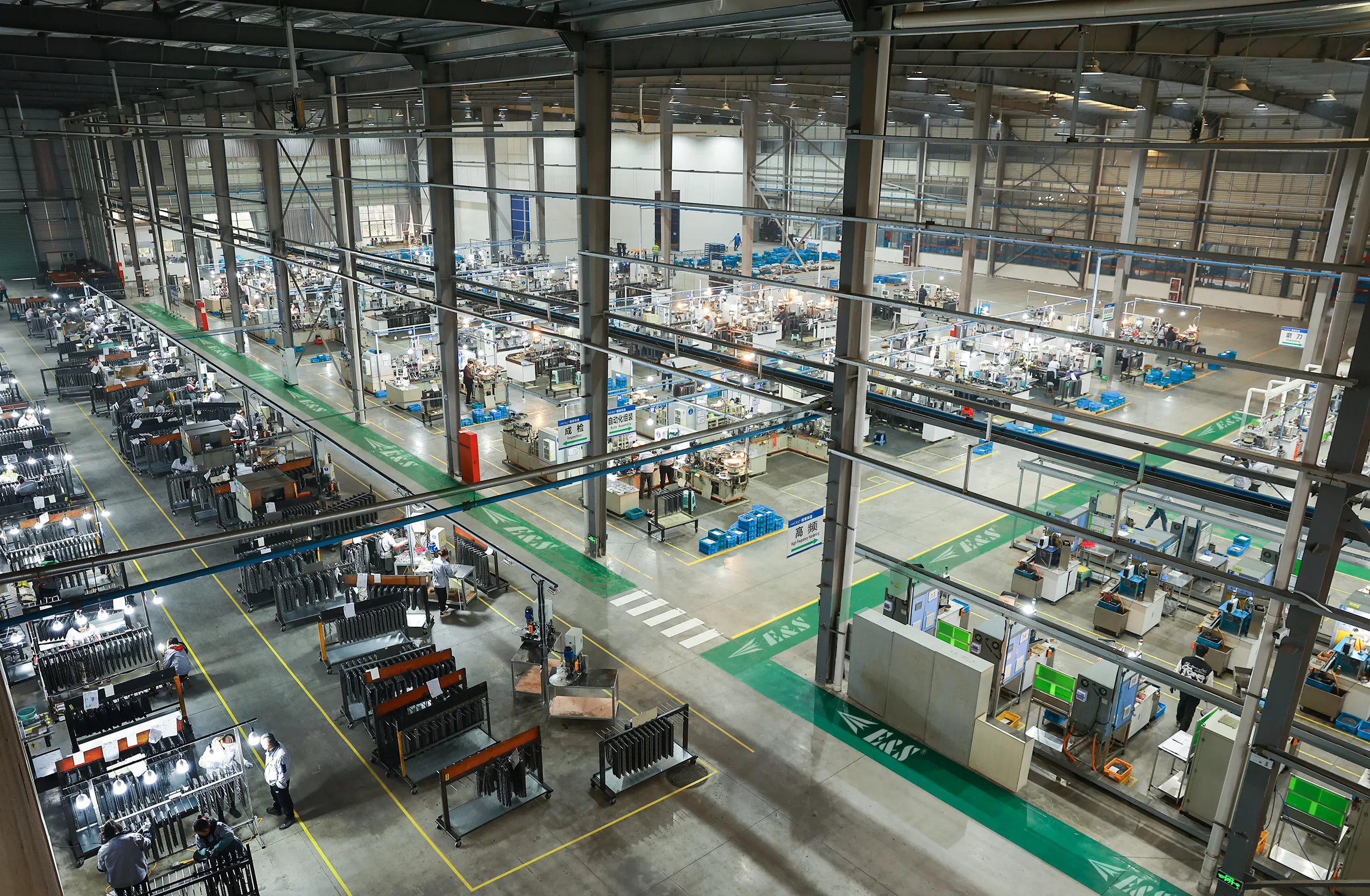
For a closer look at how the machines themselves come together, our guide to how chainsaws are manufactured walks through the production stages an audit should examine.
Foire aux questions
Is buying from a trading company always a mistake?
No — trading companies can consolidate SKUs and handle communication well. The risk is paying factory prices for trader margins without factory accountability. What matters is that the party you pay owns the quality outcome and says so in the contract.
How long does a factory audit take?
A focused one-day audit covers the essentials: lines running, testing stations, warehouse, and the document trail. Third-party firms typically need about a week of scheduling lead time; a controlled video audit can happen within days when travel is not an option.
What does a factory audit cost?
Third-party factory audits in China commonly run in the low hundreds of US dollars per person-day, depending on scope and travel. Against a container commitment, it is one of the cheapest risk controls you can buy.
Can I verify a manufacturer remotely?
Oui. Combine an unscheduled live video walkthrough of the production line, license and certificate number lookups, customs export records, and reference calls with buyers in your market. Remote verification catches most problems; on-site audits add depth for large programs.
What documents should a verified supplier provide with the first order?
At minimum: the signed Declaration of Conformity and test report summaries for your models, a business license copy, the pre-shipment inspection report, and packing documentation matching your order. Request them at the RFQ stage so they are commitments, not favors.
Verification is not distrust — it is how serious buyers and serious manufacturers find each other. A factory that passes these five steps will usually say so with documents, an open production floor, and references that answer the phone.
Running this process now? Explore the NEWTOP product range, request our certificates and factory audit package, or talk to our team about distribution for your market — we will send the documents before you ask twice.