


- Todo
- NEWTOP Historias de clientes
- NEWTOP Explorador Hub
- NEWTOP Perspectivas de la industria
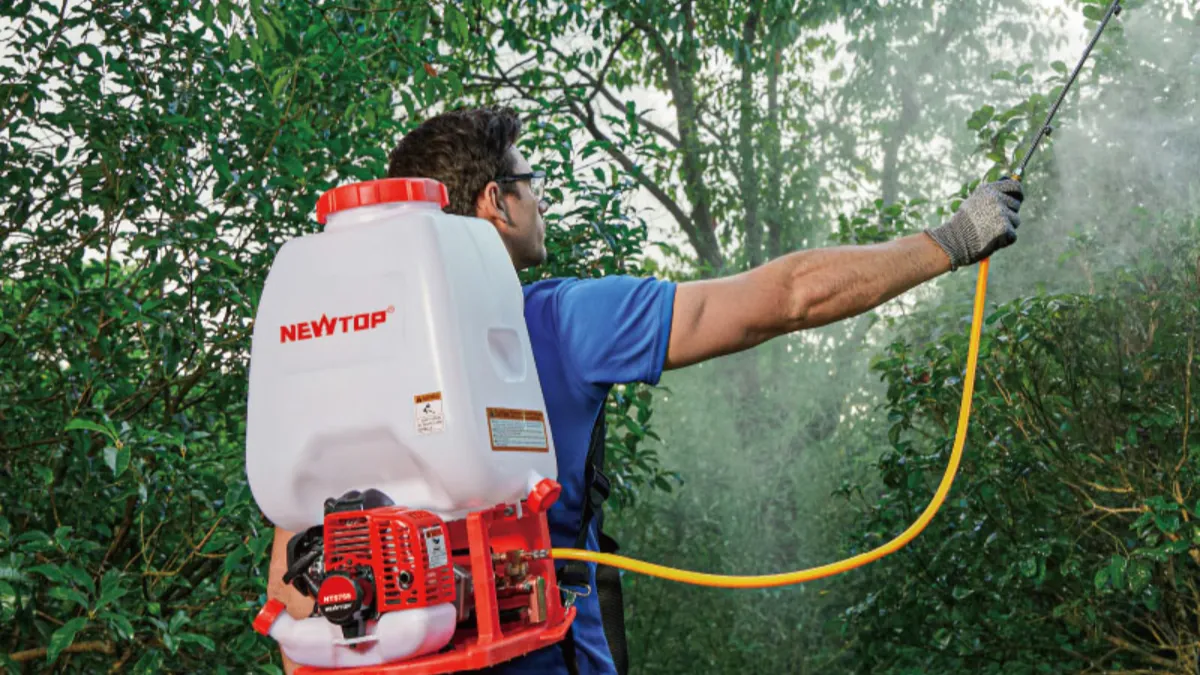
In modern agriculture, precision spraying is no longer optional—it directly impacts crop yield, chemical efficiency, labor cost, and environmental safety. Whether you are managing a small vegetable field in Southeast Asia, a coffee plantation in Latin America, or a large-scale grain farm in Africa, selecting the right knapsack sprayer type can significantly improve operational efficiency.
In this comprehensive guide, we’ll explore the different types of knapsack sprayers, compare their working mechanisms, analyze real farming applications, and help you choose the best model for your specific needs. If you are an importer, distributor, or OEM partner looking for reliable agricultural spraying equipment, this article will also show how working with NOVEDAD can strengthen your product line.
What Is a Knapsack Sprayer and How Does It Work?
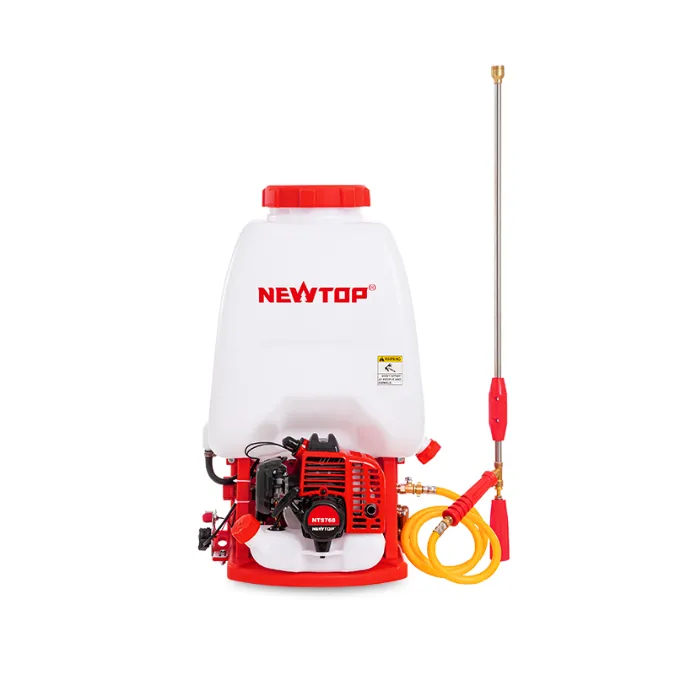
A knapsack sprayer is a portable, back-mounted agricultural machine that uses manual or powered pressure to apply liquids like pesticides and fertilizers with precision in agricultural and landscaping settings.
A knapsack sprayer (also called a backpack sprayer) is a piece of portable equipment worn on an operator’s back to apply liquids, such as pesticides, herbicides, and fertilizers. It is widely used for applying pesticides, herbicides, fungicides, fertilizers, and disinfectants.
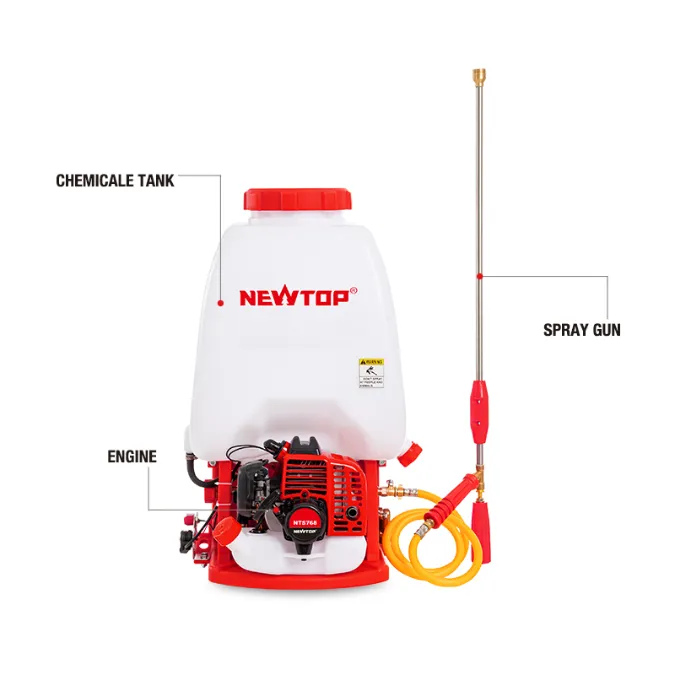
Core Components and Their Functions
Every knapsack sprayer operates using a set of essential components that store, pressurize, and dispense the liquid. Understanding these parts clarifies how the sprayer functions.
- Tanque: A container, typically holding 15 a 20 liters, that stores the chemical mixture.
- Pump and Lever: The mechanism used to create pressure. In manual models, an operator pumps a lever to pressurize the tank.
- Hose and Lance: A flexible hose connects the tank to a rigid wand, or lance, which allows the operator to direct the spray.
- Boquilla: The tip of the lance that atomizes the liquid into a fine mist or a targeted stream for even application. It determines the droplet size and spray pattern, such as fan, cone, or jet streams.
The Basic Working Principle
A knapsack sprayer’s function is based on generating and maintaining pressure to expel liquid in a controlled manner. The process is straightforward, whether the sprayer is manual or motorized.
- The operator fills the tank with the desired liquid solution.
- Using a hand lever or a powered motor, the operator builds pressure inside the tank.
- When the trigger on the lance is squeezed, a valve opens, releasing the pressurized liquid.
- The liquid flows through the hose and lance, exiting the nozzle as a spray.
- Consistent pressure is maintained through periodic pumping or a continuous power source to ensure an even application.
Depending on the model, pressure may be generated manually (lever pumping), electrically (battery-powered motor), or through a petrol engine. Advanced designs include pressure regulators, anti-drip nozzles, adjustable spray patterns, and ergonomic harness systems.
A well-designed knapsack sprayer ensures:
- Uniform droplet size distribution
- Stable spray pressure
- Reduced operator fatigue
- Minimal chemical waste
- Safe handling of agrochemicals
A Quick Comprison of Different Types of Knapsack Sprayers
Before diving deeper, it’s helpful to understand how different types compare in practical farming conditions.
| Knapsack Sprayer Type | Fuerza / Mechanism | Peso / Reach | Pressure Stability | Best Application | Maint. / Costo |
|---|---|---|---|---|---|
| BY POWER SOURCE | |||||
| Manual | Human Labor (Lever) | 5–10kg / Short | Low (Fluctuates) | Pequeñas granjas, spot weeding | Low / $ |
| Batería | Electric Motor | 6–8kg / Medium | High (Constant) | Greenhouses, cultivos en hileras | Med / $$ |
| Petrol | Gasoline Engine | 14–17kg / Long | Very High | Huertos, large plantations | High / $$$ |
| BY PUMP MECHANISM | |||||
| Pistón | Cylindrical Piston | Varies / High PSI | Stable (High) | Fine misting, clear liquids | Med / $$ |
| Diafragma | Flexible Membrane | Varies / Low PSI | Stable (Low) | Wettable powders, bleach | Low / $$ |
| Plunger | Solid Plunger | Varies / High Flow | Medium | Cotton, vegetables, general use | Low / $ |
| BY SPRAY MECHANISM | |||||
| Mist Blower | Air-Propelled Fan | Heavy / Max Reach | Constant | Tall trees, dense foliage | High / $$$ |
| Compression | Stored Air Pressure | Luz / Short | Decreasing | Spot treatment, small gardens | Low / $ |
| Hydraulic | Direct Fluid Pump | Med / Consistent | Very Stable | Uniform field coverage | Med / $$ |
Types of Knapsack Sprayers by Power Source
The power source is the primary factor in determining operator fatigue and work speed. En NEWTOP, we analyze global market trends and have found that while traditional manual units remain a staple in emerging markets, the industry is rapidly pivoting toward battery and petrol solutions for increased labor efficiency.
Pulverizadores de mochila manuales
Manual knapsack sprayers operate with a hand pump, giving the user direct control over pressure. They don’t need electricity or fuel, making them a reliable and low-cost choice for small to medium-sized farms. Their lightweight design, typically weighing between 5 y 10 kilos, makes them ideal for targeted applications where precision is needed to reduce chemical waste. The main drawback is the need for constant physical effort, which leads to operator fatigue during extended use. Maintaining consistent pressure manually over large fields is difficult, limiting their effectiveness for large-scale commercial operations.
Battery Powered Knapsack Sprayers
Battery-powered knapsack sprayers use a rechargeable battery to power an electric motor, providing continuous and consistent spray pressure without manual pumping. This design is well-suited for professional landscaping and commercial farming because it significantly reduces user fatigue. The steady, adjustable pressure ensures even coverage for herbicides and pesticides. A single charge typically lasts between 4 a 8 horas, allowing for a full day of work and making large jobs more manageable. The initial cost is higher than manual models, and operation is entirely dependent on having a charged battery.
Petrol Powered Knapsack Sprayers
Petrol-powered knapsack sprayers are equipped with a small 2-stroke or 4-stroke gasoline engine to generate high pressure for spraying over large areas. They offer the most power and are built for demanding agricultural tasks like treating orchards or large fields. Petrol sprayers, often configured as mist blowers, can discharge liquid up to 10 o 15 meters horizontally or vertically providing the necessary coverage for high-canopy orchards and wide agricultural fields. They operate independently of any electrical source, but they are also heavier and louder, with a fully loaded weight of 14–17 kg. They require regular engine maintenance, including managing fuel-oil mixtures for 2-stroke versions.
Boost Your Margins with Durable Outdoor Power Equipment

Types of Knapsack Sprayers by Pump Mechanism
The choice between a piston, diaphragm, or plunger pump mechanism directly dictates the sprayer’s chemical compatibility and pressure capabilities, with piston pumps excelling at high-pressure atomization and diaphragm pumps offering superior durability for abrasive formulations.
Piston Knapsack Sprayer
A piston backpack sprayer uses a cylindrical piston moving inside a chamber to generate pressure. This design is highly efficient for reaching high pressures, making it a strong choice for applications that need a fine mist or long-distance spray. Operators typically use them for applying liquid herbicides and pesticides that don’t contain abrasive particles, which could damage the internal seals.
- Reaches higher pressures, often up to 150 PSI, for atomizing liquids effectively.
- Best suited for liquid-only formulations, as abrasive powders can wear down the piston seals.
- Generally requires more maintenance on seals and O-rings compared to diaphragm pumps.
- Ideal for targeted pest control and applying insecticides where fine droplet size is beneficial.
Diaphragm Knapsack Sprayer
A diaphragm backpack sprayer uses a flexible membrane that pulsates to create pressure. This mechanism keeps the chemical solution separate from the pump’s moving parts. This separation makes the pump exceptionally durable when using abrasive materials like wettable powders or even bleach-based solutions.
- Highly resistant to corrosion and abrasion from aggressive or powder-based chemicals.
- Operates at a lower pressure, typically around 60 PSI, which produces larger droplets and reduces spray drift.
- Requires less maintenance because the diaphragm shields the pump’s critical components.
- The preferred choice for applying wettable powders, fertilizers, and herbicides where drift control is important.
Plunger Sprayer
The plunger backpack sprayer is a specific type of piston pump where a solid plunger displaces fluid to build pressure. It is known for its simple, robust design and its ability to generate high pressure with minimal operator effort. This makes it a reliable and economical choice for general-purpose agricultural spraying.
- Combines the high-pressure capabilities of a piston pump with a durable and simple design.
- Achieves a high work rate, making it efficient for treating medium-to-large areas.
- The mechanism is straightforward to maintain and repair in the field.
- Suitable for a wide range of crop applications, including vegetables, cotton, and groundnuts.
Types of Knapsack Sprayers by Spray Mechanism

The choice of spray mechanism—air-propelled mist, stored air pressure, or direct hydraulic force—directly dictates the sprayer’s application speed, coverage area, and operational consistency.
Motorized Mist Blowers
Motorized mist blowers are engine-driven sprayers that use a high-velocity air stream to atomize and propel liquid over long distances. This design is ideal for treating large areas, dense foliage, or tall trees quickly, making it a common choice for commercial agriculture, silvicultura, and public health pest control.
- Combines a liquid spray with a powerful fan to create a fine mist that can cover a horizontal range of 15 a 40 pies.
- Significantly reduces application time compared to manual or low-pressure sprayers, often completing jobs two to three times faster.
- The engine provides consistent power, which eliminates operator fatigue from manual pumping and ensures uniform coverage.
- Well-suited for applying pesticides and fungicides in orchards, vineyards, and large crop fields.
Compression Sprayer
A compression sprayer operates by manually pumping air into a sealed tank to build pressure. This stored pressure then forces the liquid out through a nozzle when the trigger is engaged. They are simple, low-cost, and widely used for spot treatments and smaller-scale applications in gardening and farming.
- Requires the user to pressurize the tank before spraying; the pressure gradually decreases as the liquid is used.
- Offers precise control for targeted applications of herbicides, insecticides, or fertilizers.
- Ligero, portátil, and easy to maintain due to its simple mechanical design with few moving parts.
- Operation is quiet and emission-free, but it can be labor-intensive for large areas.
Hydraulic Sprayer
Hydraulic sprayers use a pump to generate liquid pressure directly, forcing the solution through nozzles to form a spray. Unlike compression sprayers, they provide continuous and consistent pressure as long as the pump is active. This category includes everything from manual lever-operated pumps to engine-powered systems.
- Delivers a steady flow and pressure, resulting in more uniform droplet size and application.
- The operator uses a lever or a motor to activate the pump, which creates immediate hydraulic force.
- Commonly used in agriculture for applying chemicals that require consistent coverage.
- Models range from simple manual backpack units to larger, more complex systems for extensive fieldwork.
Common Applications of Knapsack Sprayers in Farming

Backpack sprayers are the primary agricultural machines for targeted, on-the-ground application of pesticides, herbicides, and liquid fertilizers, giving farmers precise control over crop health and management.
Pest and Disease Control
Knapsack sprayers are fundamental for applying insecticides and fungicides directly onto crops. This targeted approach helps protect plants from damaging insects and fungal diseases that can reduce yield and quality. The direct application minimizes waste and ensures the active ingredients reach the specific areas that need treatment.
- Delivers precise treatment to affected leaves, stems, and fruits in orchards and vegetable plots.
- Effective for managing localized infestations before they spread across an entire field.
- Allows farmers to use both chemical and organic solutions to combat common agricultural pests.
Weed Management
Applying herbicides with a knapsack sprayer is an efficient way to manage unwanted weeds that compete with crops for water, sunlight, and nutrients. It allows for controlled application in specific areas, preventing damage to the main crop while effectively eliminating invasive plants.
- Ideal for spot-treating weeds along fence lines, between crop rows, and in garden beds.
- Supports the use of selective herbicides that target weeds without harming the primary crop.
- Ensures uniform coverage for pre-emergent and post-emergent weed control strategies.
Fertilizer and Nutrient Application
These sprayers are commonly used for foliar feeding, where liquid fertilizers and micronutrients are applied directly to the leaves. This method provides a rapid nutritional boost to crops during critical growth stages, bypassing slower soil absorption for immediate effect.
- Facilitates quick absorption of nutrients to correct deficiencies faster than soil application.
- Ensures an even distribution of liquid plant food to promote consistent growth.
- Useful for applying growth regulators and supplements that improve overall plant health and productivity.
Key Factors to Consider When Choosing a Knapsack Sprayer for Your Farm
Choosing the right knapsack sprayer requires a practical assessment of your farm’s scale, the chemicals you use, the precision needed for your crops, and the physical demands on the operator.
| Factor | Key Consideration | Impacto en la eficiencia |
|---|---|---|
| Chemical Compatibility | Ensure the use of Viton™ seals and diaphragm pumps for petroleum-based solvents or abrasive powders. | Prevents seal swelling and pump failure, reducing maintenance costs and downtime. |
| Capacidad del tanque | Match tank size (10–20L+) to farm scale while considering manageable operator weight. | Reduces refill time on large plots but increases fatigue if too heavy for the task. |
| Material Durability | Select UV-resistant high-density polyethylene (HDPE) tanks to withstand harsh environmental exposure. | Prevents tank cracking and liquid leaks, extending the overall service life of the equipment. |
| Nozzle Configuration | Ensure the sprayer supports interchangeable nozzles (fan, cone, stream) for varied agricultural tasks. | Improves application precision, reduces chemical waste, and increases treatment effectiveness. |
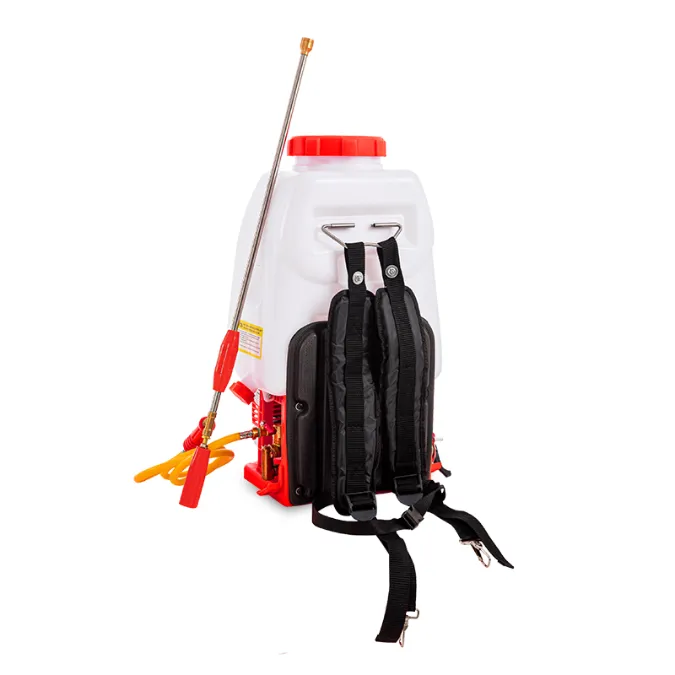
| Ergonomía | Look for padded shoulder straps, contoured back support, and balanced weight distribution. | Minimizes operator fatigue, enabling longer and more productive work periods in the field. |
Chemical Compatibility
Review the active ingredients of the chemicals you intend to use. If you use petroleum-based solvents or abrasive powders, ensure the sprayer is equipped with Viton seals and a diaphragm pump. Standard rubber seals will swell and fail when exposed to harsh solvents.
Tank Capacity and Farm Size
Matching the sprayer’s tank size to your operational scale is fundamental for efficiency. A larger tank minimizes refill breaks for extensive fields, but a smaller, more portable model is often better for targeted applications or smaller plots. The goal is to balance coverage with a weight that an operator can comfortably manage for a full workday.
- For small-scale or organic farming, a 10–15 liter tank provides a good balance of portability and capacity.
- Larger agricultural operations benefit from 20-liter or larger tanks to maximize coverage area per fill.
- Always consider the total weight when full, ensuring it is manageable for the operator over extended periods.
Material Durability and Chemical Compatibility
The construction materials of a sprayer dictate its longevity and safety. It’s important to select a model with a tank and seals that can withstand the corrosive effects of various agricultural chemicals. Poor material choices lead to cracks, leaks, and premature equipment failure, posing risks to both the operator and the environment.
- Look for tanks made from high-density polyethylene or other UV-resistant plastics that prevent cracking and degradation.
- Seals and gaskets made from chemical-resistant materials are necessary to prevent leaks when using aggressive fertilizers or pesticides.
- A robust frame and durable straps are also important for operator safety and equipment stability during use.
Nozzle Configuration and Application Precision
The nozzle is a critical component that controls the spray pattern, droplet size, and flow rate. A sprayer with interchangeable or adjustable nozzles offers the flexibility needed for different crops and treatments. The right nozzle ensures that chemicals are applied effectively where needed, minimizing waste and preventing damage to non-target plants.
- Adjustable nozzles allow you to switch from a fine mist for insecticides to a direct stream for spot-treating weeds.
- Different nozzle types, such as fan, cone, or flood patterns, provide tailored coverage for broadacre, row crop, or specific plant applications.
- Precision application not only improves effectiveness but also reduces chemical waste and environmental impact.
Ergonomics and Operator Comfort
A 20L tank weighs approximately 20kg. Ergonomic features help distribute weight evenly and make the equipment easier to handle. A comfortable operator can work longer and more accurately, which directly translates to better results in the field.
- Look for contoured backrests with integrated ventilation, wide padded shoulder straps, and waist belts that shift the weight from the shoulders to the hips.
- A lightweight design is easier to carry and maneuver, especially across uneven terrain.
- An easy-to-reach and smooth-action pump handle helps maintain consistent pressure without causing excessive fatigue.
Maintenance Tips to Extend the Life of Your Knapsack Sprayer

Shifting from reactive repairs to a disciplined, preventative maintenance schedule built on post-use cleaning and regular component checks is the most direct way to maximize the operational lifespan of your equipment.
Implement a Post-Use Cleaning Routine
A consistent cleaning protocol after each use is the single most effective way to prevent chemical buildup and pump failure. This practice is non-negotiable for stopping corrosive residues from degrading seals, nozzles, and internal components. Overlooking this step is the fastest way to shorten your sprayer’s service life, leading to clogs and leaks.
- Thoroughly rinse the tank, hose, and nozzle with clean water immediately after finishing your work.
- When switching between different chemical types, perform a more intensive rinse to neutralize residues and prevent cross-contamination.
- Ensure the exterior of the sprayer is wiped down to remove any chemical spills that could damage the harness or plastic housing.
Regularly Inspect and Lubricate Seals and Moving Parts
Seals, juntas, and pump mechanisms are the most common failure points because they are under constant chemical and mechanical stress. Routine inspection and proper lubrication maintain their integrity, preventing leaks and ensuring consistent pressure when you need it most. This proactive check catches wear before it leads to a failure in the field.
- On a quarterly basis, check all O-rings and seals for signs of cracking, brittleness, or wear and replace them if needed.
- Apply a manufacturer-recommended silicone lubricant to pump seals and other moving components to keep them pliable and protected. Avoid petroleum jelly as it can degrade specific types of synthetic rubber.
- Check that all clamps, fittings, and connections are tight to avoid leaks during operation.
Follow a Systematic Maintenance Schedule
Moving from reactive repairs to preventative maintenance extends the sprayer’s operational lifespan significantly, with professional operators achieving 4-5 years of daily use. A structured schedule removes guesswork and builds accountability, ensuring that critical tasks like filter cleaning or lubrication are not overlooked during busy periods.
- Create a simple checklist for daily tasks (rinsing), weekly checks (filter cleaning), and quarterly actions (lubrication).
- Consider an assigned-equipment system where each operator is responsible for the maintenance of a specific sprayer to improve accountability.
- Store the sprayer in a clean, dry place away from direct sunlight to prevent UV degradation of plastic and rubber parts.
Customizing Your Brand with NEWTOP’s Diverse Sprayer Types
NEWTOP provides comprehensive OEM and private labeling, enabling international distributors to tailor everything from sprayer color and branding to core technical specifications and packaging for specific regional markets.
As a professional agricultural machinery manufacturer since 2003, NOVEDAD provides a comprehensive range of manual, battery-powered, and petrol knapsack sprayers.
With advanced CNC machining centers, automated production lines, and strict quality control systems, NEWTOP ensures:
- Stable product performance
- Durable chemical-resistant materials
- CE and international compliance
- Flexible OEM/ODM customization
- Private label branding support
- Suministro fiable de repuestos
Para distribuidores en África, South America, Sudeste Asiático, and emerging markets, NEWTOP offers competitive pricing combined with consistent quality.
From tank color customization to packaging design and specification adjustments, NEWTOP helps partners build strong local brands with dependable agricultural spraying solutions.
If you are looking to expand your agricultural equipment portfolio, partnering with NEWTOP means accessing a proven manufacturing system with global distribution experience.
Conclusión
Choosing the right knapsack sprayer means matching its power source, pump, and spray mechanism to your specific farming needs. A well-chosen sprayer helps you apply treatments with precision, protecting crop health while managing your operational costs. This alignment ensures you get the most out of your equipment, no matter the scale of your work.
Are you ready to optimize your agricultural output? Explore the NEWTOP Knapsack Sprayer Collection or reach out to our technical team at [email protected] for a professional consultation and OEM catalog.
Preguntas frecuentes
What are the four types of sprayers?
The four common types are manual knapsack sprayers, battery-powered sprayers, petrol mist blowers, and compression sprayers, each suited for different farm sizes and applications.
Which type of sprayer is best for weed control?
A knapsack sprayer equipped with a flat fan nozzle is best for weed control. This setup provides a uniform spray pattern, ensuring even coverage of herbicides without damaging nearby plants.
Are battery powered sprayers reliable for heavy work?
Sí. High-quality battery-powered backpack sprayers with durable motors and lithium batteries can operate for several hours and are suitable for medium to large farms.
What is the difference between a piston and diaphragm pump?
A piston pump is best for high-pressure applications with clear, non-abrasive liquids. A diaphragm pump is the standard for harsh chemicals and abrasive powders because the pump components are protected from the solution.
Which knapsack sprayer is best for paddy farming?
Battery-powered or diaphragm-type hydraulic knapsack sprayers are ideal for paddy fields due to consistent pressure and resistance to corrosive chemicals.
How do I choose between manual and electric sprayers?
Choose manual knapsack sprayers for small farms and low budgets. Choose electric knapsack sprayers for larger areas, higher efficiency, and reduced labor fatigue.
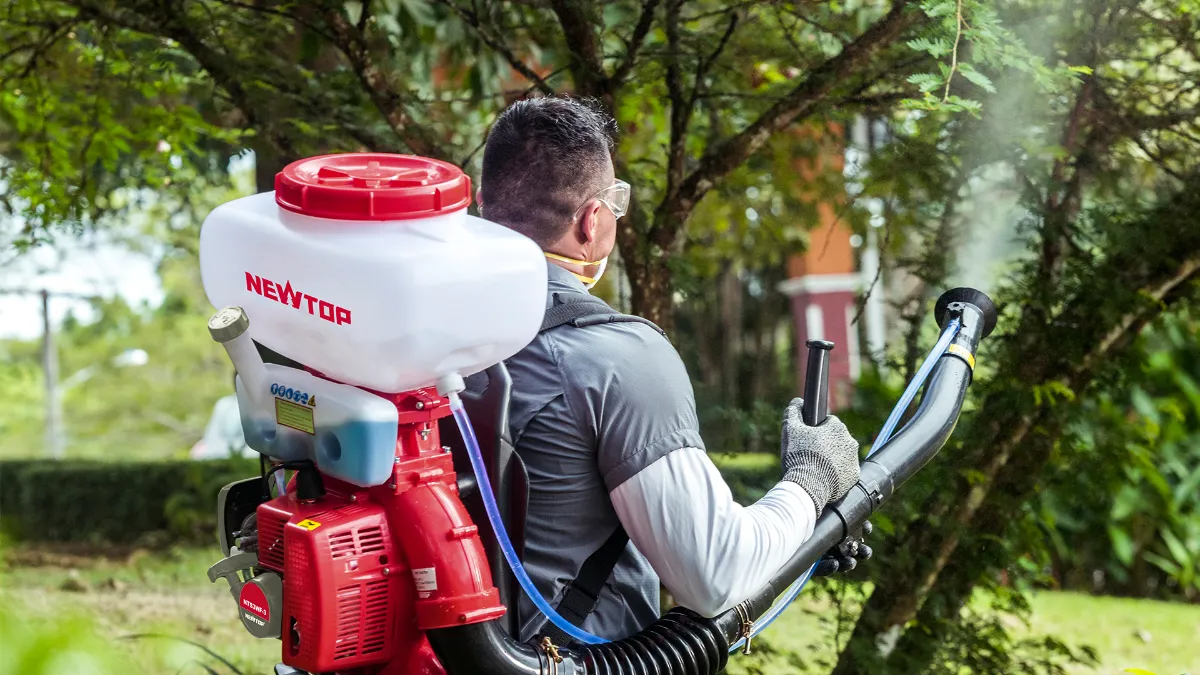
Across different farming regions, knapsack sprayers help manage crop protection efficiently. In rice fields of Southeast Asia, they are used for targeted pesticide application. In orchards in South America, sprayers allow growers to treat trees without causing excessive chemical runoff. Beyond agriculture, these sprayers are also used for urban pest control and public sanitation programs. The effectiveness of a sprayer depends on its tank design, pumping mechanism, nozzle selection, and operator technique, making equipment choice critical for consistent results.
This guide serves as a complete technical breakdown for agricultural managers and field operators. We will identify every major component in the sprayer’s anatomy. You’ll get a clear, step-by-step procedure for preparing and operating the equipment for the first time, along with a definitive list of essential safety gear. The focus is on building a repeatable process for safe, eficiente, and effective crop management.
What Is Knapsack Sprayer?
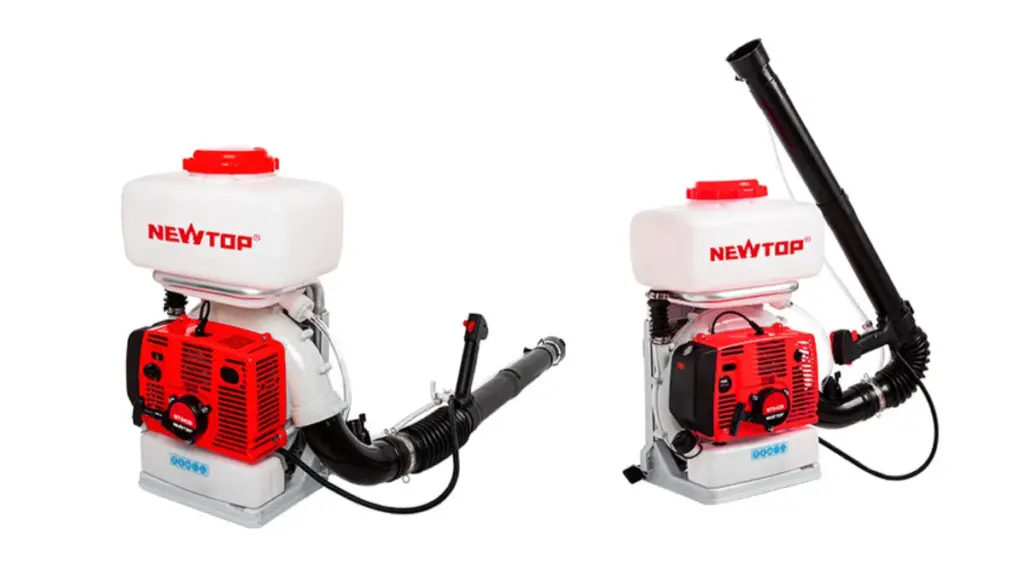
Knapsack sprayers, also known as backpack sprayers, are compact, portable devices designed to apply liquids such as pesticides, herbicides, fertilizers, and water directly onto crops, plants, and soil. Their design allows the operator to carry the sprayer on their back while controlling the nozzle with one hand, providing mobility and precision in areas where larger spraying equipment cannot reach. The portability and adaptability of knapsack sprayers make them widely used in small- to medium-scale agriculture, horticultura, and landscape maintenance.
Unlike hand-held or tractor-mounted sprayers, knapsack sprayers excel in precision spraying on irregular terrain, around densely planted crops, or inside greenhouses. The wand allows the operator to reach the undersides of leaves, branches, or hard-to-reach spots. Adjustable nozzles enable control over spray pattern and droplet size, which is crucial to prevent chemical drift, optimize coverage, and reduce wastage.
- Used for applying pesticides and fungicides to protect crops from diseases and pests.
- Facilitates precise herbicide management to control weeds in fields, huertos, and gardens.
- Supports the distribution of liquid fertilizers to deliver nutrients directly to plants.
Shift from Manual to Powered Models
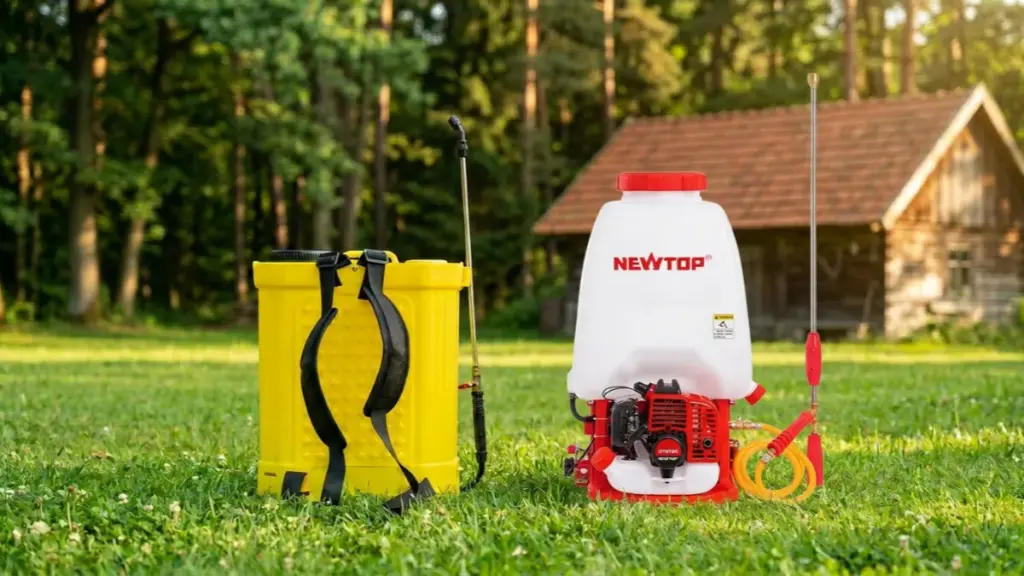
The market shows a clear trend moving from traditional manual backpack sprayers to battery-powered and motorized backpack sprayers. This change is driven by the need to reduce labor costs, increase operational speed, and achieve more consistent application pressure over large areas.
- Manual models remain a dominant choice in cost-sensitive markets due to their simplicity and affordability.
- Battery-powered electric sprayers offer consistent pressure without operator fatigue, improving application accuracy.
- Gasoline-powered models provide higher pressure and are suited for large-scale commercial operations requiring sustained power.
Lectura relacionada: Tipos de pulverizador de mochila: Elegir el mejor modelo para su granja
Understanding the Anatomy of a Knapsack Sprayer
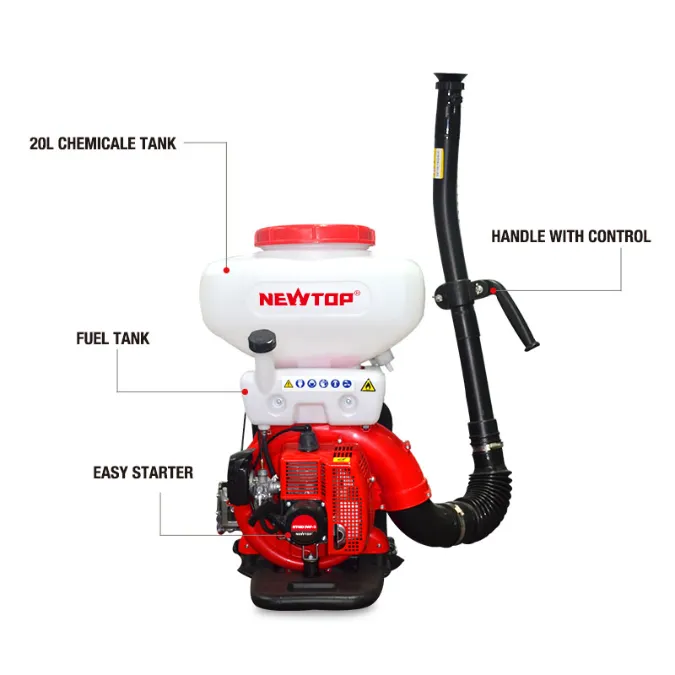
A knapsack sprayer’s design integrates four distinct systems—liquid storage, spray delivery, pressure control, and operator support—to ensure reliable and precise chemical application.
| Component System | Key Parts | Primary Function |
|---|---|---|
| Tanque & Pressurization | Tanque, Pump (Piston or Diaphragm) | Holds chemical liquid and generates the force needed for spraying. |
| Spray Delivery | Lance (Spray Wand), Boquilla | Directs the pressurized liquid and atomizes it into a specific pattern. |
| Control & Regulation | Trigger Valve, Pressure Regulator | Manages liquid flow and maintains consistent system pressure for uniform coverage. |
| Operator Comfort & Mantenimiento | Harness, Marco, Strainer, Filter | Reduces operator fatigue and prevents internal clogs to prolong equipment life. |
Tank and Pressurization System
The tank and pump form the core of a knapsack sprayer. The tank serves as the reservoir for the chemical solution, typically holding 10–20 liters, depending on the model and intended use. Tanks are constructed from durable, chemical-resistant plastics, which can withstand exposure to fertilizers, herbicides, and pesticides without corroding or deforming.
The pump generates the pressure that forces the liquid through the system. Piston pumps are generally used when high-pressure spraying is required, providing a strong, steady stream. Diaphragm pumps are preferred for abrasive or aggressive chemical formulations, offering smoother pressure and reducing wear. The selection of pump type affects spray consistency, operator fatigue, and overall efficiency.
Spray Delivery Components
Once pressurized, the liquid travels through the lance (spray wand) and exits through the nozzle.
- Lance (Spray Wand): This extendable rod allows the operator to reach leaves, stems, and other difficult-to-access areas, ensuring that all surfaces receive treatment. Its length and maneuverability are crucial for dense crops or orchard environments.
- Boquilla: The nozzle atomizes the liquid into droplets and shapes the spray pattern. Common types include:
- Flat Fan Nozzle: Produces a thin, uniform sheet for even coverage over broad surfaces.
- Cone Nozzle: Creates a circular spray pattern, ideal for targeted misting and dense foliage.
- Adjustable Nozzle: Allows operators to change the spray type according to crop requirements.
Proper selection of nozzle type ensures efficient chemical use, reduces drift, and minimizes over-application.
Control and Regulation Mechanisms
Spraying effectiveness depends on the operator’s ability to regulate liquid flow and pressure:
- Trigger Valve: Mounted on the wand handle, this allows instant control over start-and-stop of liquid flow. It helps reduce chemical waste and improves precision during targeted applications.
- Pressure Regulator / Pressure Chamber: Maintains consistent system pressure, ensuring a uniform spray across the entire treatment area. Consistent pressure is particularly important in manual pumps or battery-operated sprayers, preventing uneven coverage or missed spots.
Together, these mechanisms allow operators to maintain accurate application rates, adapt to different crops, and minimize chemical use.
Operator Comfort and Maintenance Features
Ergonomic design improves usability and reduces operator fatigue, especially during long spraying sessions:
- Harness and Frame: Padded, adjustable straps distribute the sprayer’s weight evenly across the shoulders and back, reducing strain. Some models include waist belts or back supports for additional comfort.
- Strainer and Filter: Positioned at the tank inlet or inside the pump, these prevent debris from entering the system, reducing the risk of nozzle clogging and prolonging equipment life.
Routine inspection and maintenance of these components, such as cleaning filters and adjusting straps, ensures consistent performance and increases the sprayer’s service life.
Equip Your Market with Proven Performance
Economic Importance of Knapsack Sprayer in Modern Farming
Knapsack sprayers directly boost farm profitability by enabling precise chemical application, which reduces input costs and improves labor efficiency.
Cost Efficiency and Resource Optimization
Knapsack sprayers provide significant economic advantages by ensuring the precise application of agricultural inputs. This accuracy helps minimize chemical waste, directly lowering operational costs for farmers and improving overall farm profitability.
- High-pressure pumps and adjustable nozzles optimize the use of pesticides and fertilizers, reducing over-application.
- Large-capacity tanks decrease the need for frequent refilling, which saves valuable labor time and increases work continuity.
- Targeted application helps farmers get the most value from every liter of chemical, boosting resource efficiency.
Labor Productivity and Time Savings
The portable, back-carried design of these sprayers significantly boosts labor efficiency on farms. It allows a single worker to manage larger areas more quickly and accurately, optimizing workforce deployment, especially where labor is a major expense.
- Farmers can cover more acreage in less time, a crucial benefit for small to medium-sized operations.
- The ergonomic design enables operators to work comfortably and maintain consistent performance throughout the day, maximizing output.
Market Scale and Manufacturing Growth
The global demand for knapsack sprayers highlights their economic importance, fostering the growth of major manufacturing hubs. This industrial concentration reflects the tool’s proven return on investment for farmers worldwide.
- Regions like Taizhou, China have become key centers for knapsack sprayer production, supplying international markets.
- Strong global demand is driven by the clear economic benefits and efficiency gains that these sprayers provide to the agricultural sector.
Sustainability and Long-Term Farm Viability
By enabling targeted treatments and reducing overall chemical usage, knapsack sprayers contribute to more sustainable and cost-effective farming. This approach lowers immediate expenses and enhances the long-term economic health of the farm.
- Support for integrated pest management strategies reduces reliance on broad-spectrum chemical applications.
- Lowering chemical inputs not only cuts costs but also minimizes long-term environmental liabilities, making farming operations more resilient.
Common Types of Pumps Used in Knapsack Sprayers
The choice of pump technology in a knapsack sprayer—typically piston, diaphragm, or battery-powered—directly dictates its chemical compatibility, pressure capabilities, and operator efficiency.
Piston Pumps
Piston pumps are a popular and reliable option for knapsack sprayers, especially when working with standard liquid formulations. Their simple mechanical design allows them to generate consistent pressure for effective application. This makes them a go-to choice for many standard agricultural and landscaping tasks.
- Best suited for non-abrasive chemicals like liquid insecticides and herbicides.
- Known for achieving higher pressure levels, which is useful for certain spraying tasks.
- The straightforward construction simplifies maintenance and repair.
Diaphragm Pumps
Diaphragm pumps are engineered for durability, particularly when spraying abrasive or corrosive chemicals. The pump’s internal mechanism is sealed off from the chemical, which protects moving parts from wear and damage. This design is critical for operators who frequently work with wettable powders or other challenging formulations.
- Ideal for abrasive materials like wettable powders and some fertilizers.
- The sealed design reduces direct contact between chemicals and critical components.
- Offers a longer service life when used with challenging formulations.
Lectura relacionada: Pistón del pulverizador de mochila vs.. Bomba de diafragma: ¿Qué sistema gana??
Battery-Powered Pumps
Battery-powered systems represent a significant shift in the knapsack sprayer market. They eliminate the need for manual pumping, reducing operator fatigue and ensuring a constant, even pressure for uniform spray coverage. This technology is gaining traction in commercial operations where consistency and efficiency are primary concerns.
- Provides consistent pressure delivery without physical effort.
- Reduces operator fatigue, making it easier to complete large jobs.
- Increases efficiency and precision for both agricultural and residential users.
How to Prepare and Operate Your Backpack Sprayer for the First Time
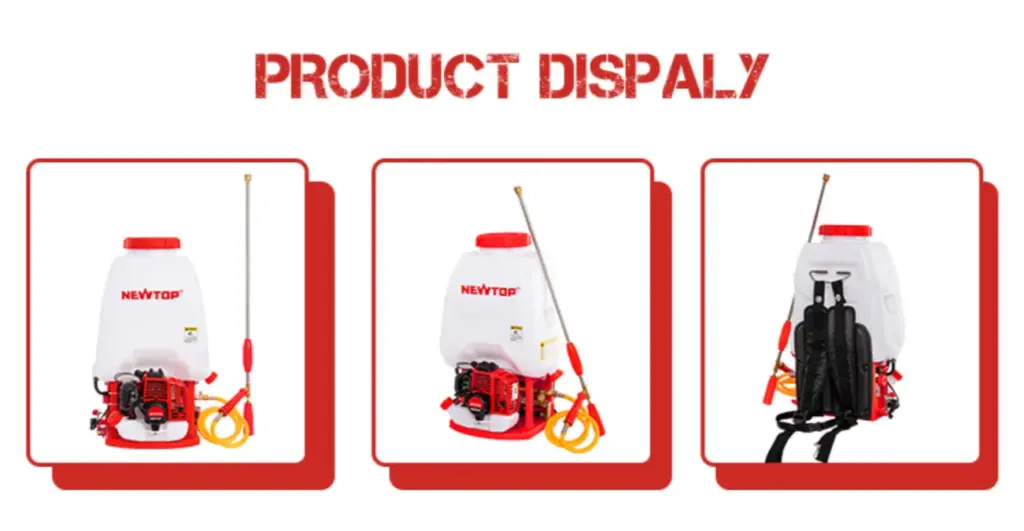
Proper sprayer setup involves a sequence of pre-use inspection, precise calibration, safe chemical mixing, and consistent application technique to ensure operational safety and effectiveness.
| Stage | Key Action | Primary Goal |
|---|---|---|
| Pre-Operation Inspection | Check for cracks, tighten all connections, and test with clean water. | Prevent leaks and confirm basic pump functionality. |
| Calibration | Spray a measured test area to calculate the application rate. | Ensure accurate dosing to avoid waste and crop damage. |
| Mixing & Filling | Wear PPE, half-fill with water, add chemical, then top off. | Achieve a safe, thoroughly mixed, and effective solution. |
| Spraying Technique | Maintain a steady pace, constant nozzle height, and overlap passes. | Achieve uniform coverage and minimize chemical drift. |
Pre-Operation Inspection and Assembly
Before you fill the tank with any chemical, a complete inspection and proper assembly are mandatory. This initial check verifies that the unit was not damaged during shipping and that all components are connected correctly to prevent leaks and ensure safe operation. A simple water test is the final step to confirm the system holds pressure as expected.
- Unpack and verify all components against the parts list in the user manual.
- Inspect the tank for any cracks or defects and confirm that all seals and gaskets are properly seated.
- Firmly attach the hose, spray wand, and nozzle, tightening every connection to create a leak-proof seal.
- Fill the tank with clean water to test the pump. Build pressure and check for any drips or leaks from the connections or seals.
Calibrating the Sprayer for Accurate Dosing
Calibration is the process of matching your sprayer’s output to the requirements of the chemical and the target area. Correct calibration is not optional; it is fundamental to effective treatment, preventing the waste of expensive chemicals, and protecting crops from being over- or under-dosed. The goal is to determine exactly how much liquid your sprayer applies over a defined area so you can mix your solution accurately.
- Fill the sprayer with a precise volume of water (p.ej., 5 liters).
- Mark out a specific test area, como 10 square meters (2m x 5m).
- Spray the test area using the same walking speed and pumping rhythm you plan to use for the actual job.
- Measure the amount of water remaining in the tank. The difference is your application rate, which you can use to adjust your technique or mixture.
Proper Mixing and Filling Procedures
Handling and mixing chemical concentrates is a high-risk step that demands strict adherence to safety protocols. Always follow the instructions printed on the chemical’s label. The standard procedure is to partially fill the tank with water first, which helps dilute the concentrate safely and promotes a more thorough mix.
- Always put on your personal protective equipment (PPE), especially chemical-resistant gloves and safety glasses, before handling chemicals.
- Fill the sprayer tank about halfway with the required amount of water.
- Add the measured volume of chemical concentrate to the water in the tank.
- Add the remaining water to reach the final desired volume, then close the lid securely and agitate the tank to mix the solution completely.
Safe and Effective Spraying Techniques
Your physical technique during application directly controls the quality of coverage and your level of exposure. A disciplined, consistent method ensures the chemical is applied uniformly across the target surface and minimizes the risk of drift, where spray travels to unintended areas. Maintaining steady pressure through consistent pumping is key for an even spray pattern.
- Walk at a constant, steady pace while keeping the nozzle at a consistent height from the target plants or ground.
- Apply the spray in a smooth, sweeping motion. Overlap each pass slightly to avoid gaps and ensure even coverage.
- Do not spray in windy conditions. Wind causes chemical drift, wasting product and potentially harming adjacent, non-target plants or property.
- Pump the handle with a consistent rhythm to maintain steady pressure, which is critical for a uniform spray pattern and flow rate.
Essential Safety Gear for Backpack Spraying Tasks
Using the correct personal protective equipment (PPE) is a non-negotiable industry standard, forming the primary defense against chemical exposure during all spraying operations.
Protective Coveralls and Footwear
To shield the body from direct contact with chemicals, wearing full-body coveralls and chemical-resistant boots is fundamental. This gear acts as the primary barrier against accidental spills, splashes, and spray drift during mixing and application.
- Select coveralls made from durable, non-absorbent materials designed to resist chemical penetration.
- Use waterproof boots that are high enough to be covered by the pant legs, preventing liquids from running down into them.
- Before each use, inspect all coveralls and boots for tears or holes that could compromise protection.
Chemical-Resistant Gloves
Hands are highly susceptible to chemical exposure. Unlined, waterproof gloves made from materials like nitrile or neoprene are essential for safely handling pesticides, mixing solutions, and operating the sprayer.
- Choose gloves that extend well beyond the wrist to protect forearms.
- Never use leather or fabric gloves, as they absorb and retain chemicals, leading to prolonged skin contact.
- Regularly check for signs of degradation, such as cracks or discoloration, and replace them immediately if damage is found.
Eye and Face Protection
Protecting the eyes from chemical splashes is critical to prevent severe injury. Vented goggles or a full-face shield creates an effective barrier against airborne droplets and accidental splashes.
- Ensure goggles provide a snug seal around the eyes to block liquids from all angles.
- A face shield can offer additional protection for the entire face but should be used with goggles for complete eye safety.
- Standard eyeglasses are not a substitute for proper safety eyewear as they do not protect from splashes.
Respiratory Protection
Inhaling chemical mists or vapors can lead to serious health issues. A properly fitted respirator filters harmful particles and is a vital piece of equipment when working with many types of agricultural chemicals.
- The specific type of respirator needed is determined by the chemical being applied; always check the product’s safety data sheet.
- A tight seal between the respirator and the face is necessary for it to work correctly.
- Replace filters and cartridges based on the manufacturer’s instructions or if breathing becomes difficult.
Ready to Work with a Top 5 Knapsack Sprayer Factory?
NOVEDAD has over 20 years of experience in manufacturing garden tools and agricultural equipment, providing reliable knapsack sprayers for global markets. Advantages include:
- Wide Product Range: Manual and gasoline knapsack sprayers for varied agricultural applications.
- Global Distribution: Products shipped to 65+ países, with after-sales support and local service points.
- Certifications and Quality: CE, GS, ETL, and ISO-certified production lines ensure consistent performance.
- Customization Options: OEM/ODM solutions for tank capacity, nozzle types, and branding to meet regional requirements.
- Technical Support: R&D-backed design ensures long-lasting durability and precise chemical application.
Partnering with us guarantees access to high-quality, durable sprayers suited to modern farming challenges.
Conclusión
The knapsack sprayer is a fundamental tool in modern agriculture, offering a precise and portable way to manage crops. Understanding its core components, proper operation, and essential safety measures is key to maximizing its effectiveness. This knowledge helps ensure consistent application, protects the operator, and extends the life of the equipment.
If you are sourcing new equipment, consider the pump type and capacity that best match your operational needs. Contact our team to review our full catalog of durable manual and battery-powered knapsack sprayers.
Preguntas frecuentes
What is the use of knapsack sprayer in agriculture?
Knapsack sprayers apply fertilizers, herbicides, pesticides, and water directly to crops, improving plant health and reducing chemical waste.
What are the main parts of a knapsack sprayer?
Tanque, pump, hose, wand, nozzle, straps, and optionally a pressure regulator.
How does a knapsack sprayer work?
The pump pressurizes the liquid, forcing it through the hose and nozzle. The nozzle controls droplet size and spray pattern.
Is a manual or battery knapsack sprayer better?
Manual sprayers are suitable for small farms or short-term use. Battery-powered models provide uniform pressure and reduce operator fatigue for larger or repeated tasks.
What is the capacity of a standard knapsack sprayer?
Most standard knapsack sprayers range from 10 a 20 liters (approximately 2.6–5.3 gallons), with 16L and 20L being the most widely used capacities in agricultural applications.
How to maintain a knapsack sprayer after use?
Rinse tank, mangueras, and nozzles thoroughly. Inspect for damage and store in a shaded, dry area. Periodically lubricate moving parts for longer service life.
Where can I find reliable knapsack sprayer manufacturers?
Choosing a reliable supplier requires evaluating production scale, pump testing standards, spare part consistency, and export certifications. You can review our detailed guide on the Arriba 10 Rociadores de mochila Fabricantes to compare leading global factories.
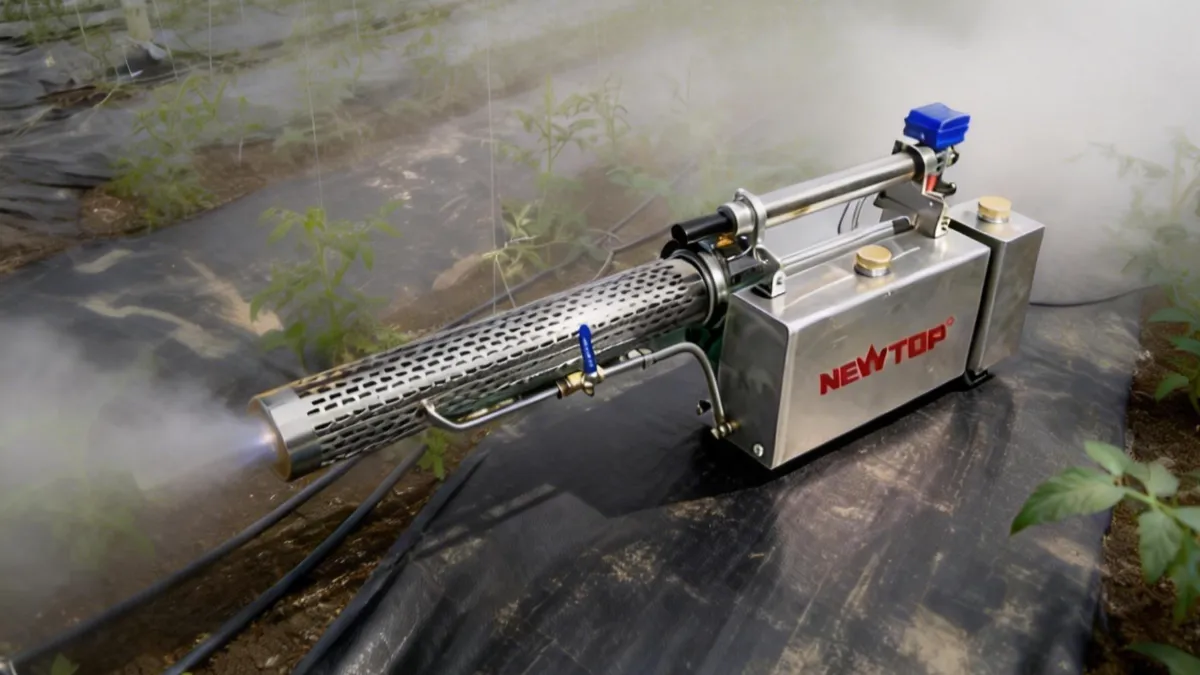
Answering ‘what is a fogger sprayer’ is the critical first step in preventing costly chemical waste and avoiding compliance failures in public health and agricultural settings. Many operations mistakenly deploy standard sprayers for tasks demanding precise, aerosolized droplets, which leads to ineffective pest control, incomplete disinfection, and significant financial losses. This fundamental mismatch in equipment is a common operational blind spot that directly impacts both safety and budget.
This guide provides the technical foundation for making informed equipment decisions. We break down the core components of professional fogging machines, detail their primary applications, and compare the key differences between thermal and cold fogger technologies. Consider this your standard operating procedure for evaluating, selecting, and safely deploying the right misting tool for any large-scale job.
What Is a Fogger Sprayer and How It Works?
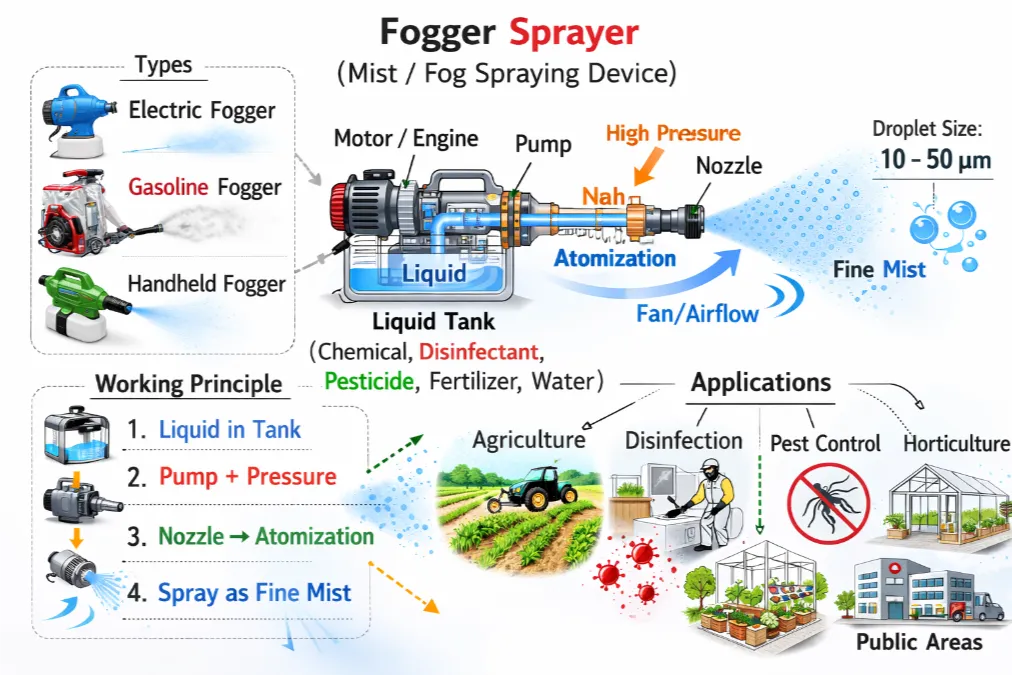
Fogger sprayers atomize liquid solutions into a fine aerosol mist, enabling uniform chemical application across large, complex surfaces that conventional sprayers cannot effectively reach.
A fogger sprayer is a specialized spraying device designed to convert liquid solutions into ultra-low volume (ULV) droplets, typically ranging from 5 a 50 microns. At this size, droplets behave almost like a gas, drifting through the air and settling evenly over surfaces. This makes fogging particularly effective for insect control, crop protection, and large-scale disinfection.
The Basic Fogging Mechanism
A fogger works by atomizing a liquid solution. A motor-driven pump draws the chemical from a tank and pressurizes it. This pressurized liquid is then forced through a specialized nozzle, which breaks it down into tiny droplets. A blower or fan propels these aerosol particles into the target environment, creating a fog that settles on all exposed surfaces. The machine’s design controls the droplet size to optimize air suspension time and ensure effective surface contact.
Major Fogging Technologies Used Today
Modern fogging equipment is generally categorized into thermal foggers, ULV cold foggers, and electrostatic systems. Each operates on a distinct atomization principle and is suited to different environments.
Thermal Foggers
Thermal foggers use a heated coil or combustion chamber to vaporize oil-based or water-based solutions. When the vapor exits the nozzle and encounters cooler ambient air, it condenses into a thick, visible fog. This visible plume helps operators monitor coverage in open environments.
Thermal systems are widely used in outdoor mosquito control programs, agricultural field treatments, and public health operations across tropical regions. They are especially effective when rapid large-area dispersion is required. Sin embargo, because they rely on combustion and heat, they are typically not recommended for enclosed indoor spaces without proper ventilation.
ULV (Ultra Low Volume) Cold Foggers
Cold foggers, often referred to as ULV foggers, rely entirely on mechanical energy rather than heat. A high-speed blower or turbine shears the liquid into extremely fine droplets, typically under 30 microns.
ULV fogging is ideal for indoor disinfection, food processing facilities, invernaderos, poultry farms, and warehouses. Since there is no combustion process, cold foggers are safer for enclosed environments and compatible with water-based disinfectants. They are also more energy-efficient and generally produce less visible residue compared to thermal systems.
Electrostatic Sprayers
Electrostatic systems represent a more advanced variation of fogging technology. In these machines, droplets receive an electrical charge as they exit the nozzle. This charge causes the particles to actively seek and adhere to surfaces, wrapping around objects for more complete 360-degree coverage.
Electrostatic spraying is commonly used in healthcare facilities, airports, schools, and high-touch public areas where surface disinfection precision is critical. While more specialized and typically higher in cost, electrostatic technology significantly reduces chemical waste and improves uniformity of application.
Key Components of a Professional Fogger Machine
A professional fogger’s performance depends on four core systems working together: the fluid delivery mechanism, the thermal management system, the atomizing nozzle, and the electronic controls that regulate the entire process.
| Component System | Primary Function | Critical Feature |
|---|---|---|
| Fluid Tank & Pump System | Stores and pressurizes the fogging solution for consistent delivery. | Chemical-resistant tank and reliable high-pressure pump. |
| Heating Element & Heat Exchanger | Rapidly heats and vaporizes the fluid to create a dense fog. | High-wattage heater with integrated thermal safety cutoffs. |
| Boquilla & Atomizer Assembly | Expels and atomizes vapor into fine particles of a specific size. | Precision-engineered to control droplet micron size and fog density. |
| Control Electronics & Interface | Manages temperature, fluid flow, and operational timing. | Central PCB with a clear user interface, often including remote control. |
Fluid Tank and Pump System
The fluid tank stores the fogging solution, and its pump pressurizes the liquid before sending it to the heating element. The capacity and material of the tank directly influence the machine’s continuous runtime, while the pump’s reliability determines output consistency. Professional-grade machines use components built for demanding field conditions.
- The tank is constructed from durable, chemical-resistant materials to prevent corrosion from various fogging solutions.
- A high-pressure pump delivers a steady fluid flow, ensuring uniform fog generation without sputtering.
- Internal filters prevent particles from clogging the nozzle, which maintains performance and reduces downtime for maintenance.
Heating Element and Heat Exchanger
In a thermal fogger, this is the engine of the machine. The heating element and heat exchanger work together to rapidly heat and vaporize the fogging solution into a gas. Efficient heat transfer is essential for producing a thick, dry fog and is a key differentiator in machine quality. Poor thermal management can result in a wet, ineffective fog or create a safety hazard.
- A high-wattage heater block achieves the optimal operating temperature quickly, reducing startup time.
- The heat exchanger is designed to maximize the surface area exposed to the fluid, ensuring complete and efficient vaporization.
- Embedded temperature sensors and thermal safety cutoffs are non-negotiable features that prevent the unit from overheating.
Nozzle and Atomizer Assembly
The nozzle is the final stage, where the pressurized, vaporized solution is expelled and atomized into extremely fine particles, creating the visible fog. The engineering of the nozzle assembly determines the droplet size, measured in microns, and the fog’s projection distance. This component is critical for achieving the desired coverage and penetration for applications like control de plagas or disinfection.
- Precision nozzles create particles of a specific micron size, ensuring the fog hangs in the air and coats surfaces effectively.
- Materials used in the nozzle must withstand high temperatures and constant pressure without degrading.
- Many professional models feature adjustable output settings, allowing operators to control fog density and flow rate for different environments.
Control Electronics and Interface
Modern foggers are not just mechanical devices; they rely on sophisticated electronic controls to manage every function with precision. The central printed circuit board (PCB) regulates temperature, fluid flow, and output timing. A well-designed user interface allows the operator to configure these settings easily and monitor the machine’s status, which is vital for repeatable and predictable results.
- The PCB acts as the brain, synchronizing the pump and heater to produce a consistent output.
- A straightforward interface with buttons, indicator lights, or a digital display gives the operator full control over the machine’s functions.
- Remote control capabilities, whether wired or wireless, allow for convenient and safe operation from a distance.
Professional Fogger Solutions for Large-Scale Control
Aplicaciones principales de los nebulizadores en el control de plagas y la agricultura
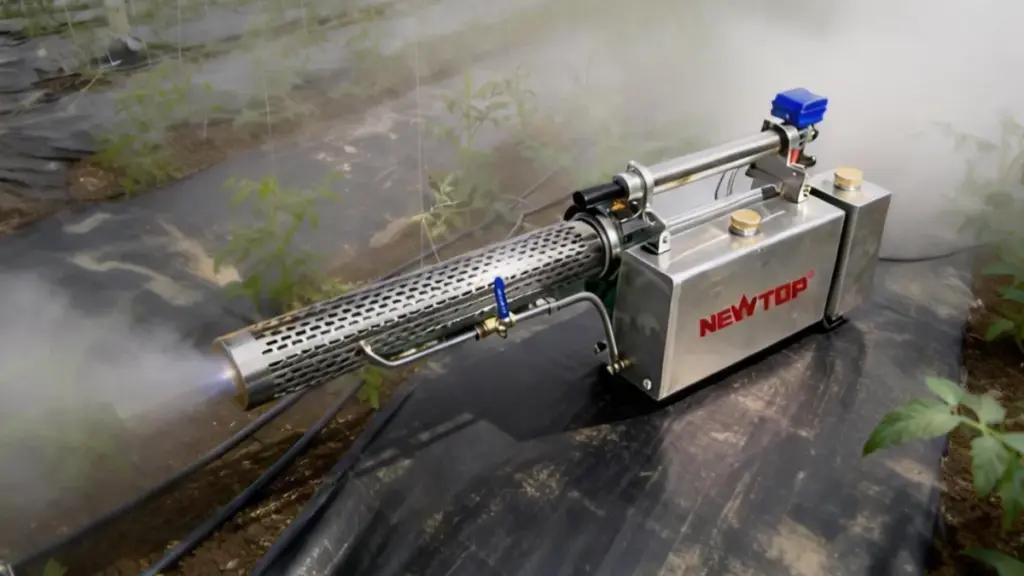
Foggers are essential tools in agriculture and public health, delivering atomized solutions for crop protection, large-scale sanitization, and environmental control.
Agricultural Pest and Disease Management
In farming and greenhouse operations, foggers deliver fine aerosol droplets that penetrate dense plant canopies. This process ensures fungicides and pesticides reach all surfaces, including the undersides of leaves, providing comprehensive protection against pests and diseases. The superior coverage and penetration capabilities are critical for maintaining crop health and maximizing yields.
- Covers large areas like field crops and orchards quickly, improving labor efficiency during treatment windows.
- Delivers uniform application of chemicals, reducing waste and minimizing environmental runoff.
- Effective for controlling insects and fungal growth in controlled environments like greenhouses and nurseries.
Large-Scale Disinfection and Sanitization
ULV (Ultra Low Volume) cold foggers are standard equipment for sanitizing public spaces, commercial facilities, and livestock enclosures. They disperse disinfectants as a fine mist that settles on surfaces to neutralize pathogens without causing excessive wetness. This method is crucial for contamination control protocols in food processing, healthcare, and transportation sectors.
- Used in food production facilities to maintain sanitary conditions and prevent contamination.
- Sanitizes transportation hubs, schools, and hospitals to control the spread of viruses and bacteria.
- Disinfects animal housing such as poultry farms and barns to protect livestock health.
Humidity and Climate Control
Fogging systems help regulate humidity and temperature in specialized agricultural settings. By releasing a fine water mist, they create optimal growing conditions for sensitive plants or help preserve perishable goods. This application of humidity management is vital for high-value crops and extending the shelf life of produce.
- Increases ambient humidity in greenhouses, which is critical for cultivating tropical plants and seedlings.
- Provides evaporative cooling to lower temperatures during hot weather, reducing heat stress on crops.
- Maintains moisture levels in storage facilities for produce and flowers to extend their shelf life.
Read more: Arriba 10 Fabricantes de Pulverizadores de mochila en 2026
Benefits of Using a Fogger Sprayer for Large-Scale Disinfection
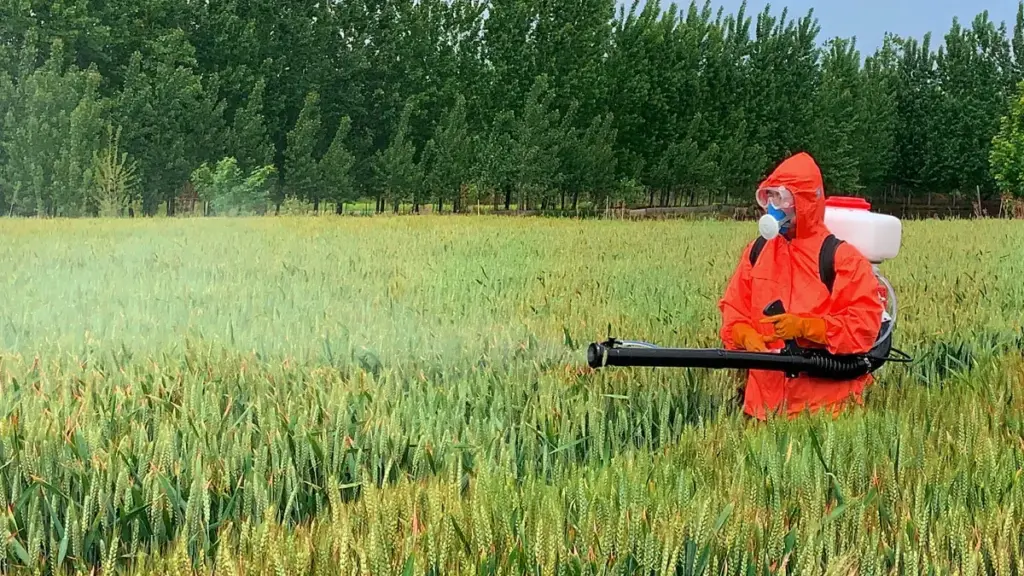
When properly calibrated and applied according to chemical guidelines, fogger sprayers can significantly improve operational efficiency in large-scale disinfection environments. Their ability to produce ultra-fine droplets allows for more uniform spatial coverage compared to conventional manual cleaning methods.
Superior Surface Coverage
Fogging systems generate a controlled mist that disperses throughout an enclosed space rather than targeting only visible surfaces. Because the droplets remain suspended for a period of time, they are more likely to contact elevated surfaces, corners, ventilation openings, and the undersides of equipment.
Electrostatic variants further enhance deposition efficiency by electrically charging droplets, which encourages them to adhere more effectively to target surfaces.
While exact coverage performance depends on room layout and airflow conditions, fogging technology generally provides more consistent volumetric distribution than manual wiping or pump spraying.
Optimized Chemical Efficiency and Labor Productivity
ULV foggers are designed to apply disinfectant solutions in very small droplet sizes, which increases dispersion efficiency. In many facility maintenance scenarios, this allows operators to treat larger areas using lower total liquid volume compared to conventional high-volume spraying.
Además, fogging reduces the need for repetitive manual surface wiping across large facilities. A single trained operator can treat open spaces more quickly than traditional cleaning crews, improving labor productivity and reducing operational downtime.
Actual savings will vary depending on room configuration, chemical type, and application protocol.
Rapid Treatment for Extensive Areas
Foggers are particularly valuable in warehouses, production facilities, livestock housing, and other large commercial environments where rapid treatment is essential.
Coverage rate depends on machine capacity and operator technique. Portable and backpack ULV foggers are commonly used for medium-to-large indoor areas, while high-capacity thermal foggers are preferred for outdoor vector control and expansive open spaces.
Because fogging distributes disinfectant in airborne form, it enables faster treatment cycles compared to surface-only cleaning methods, supporting quicker facility turnaround.
Thermal Foggers vs. Cold Foggers: Major Differences
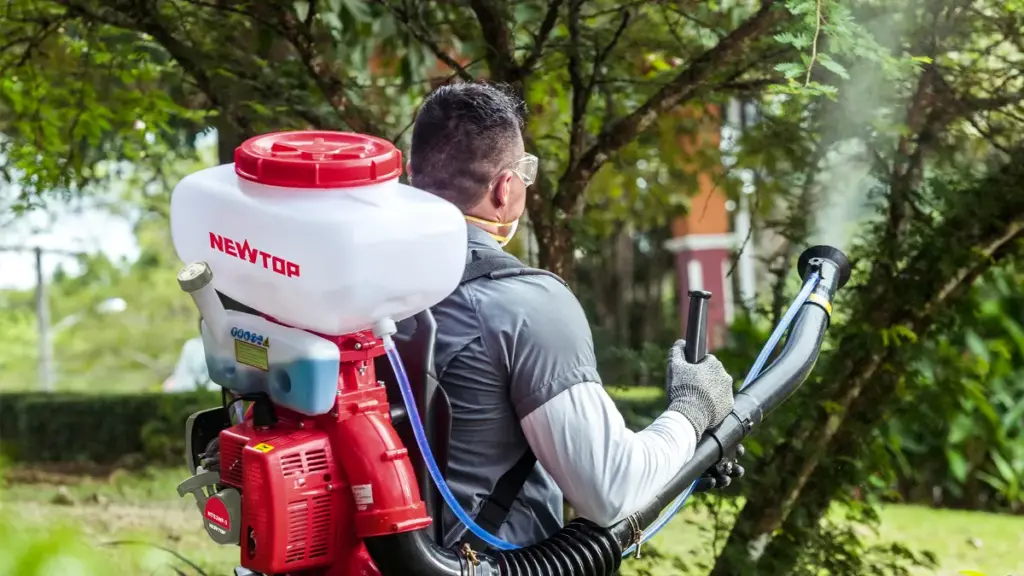
The choice between thermal and cold foggers hinges entirely on the application environment; thermal units excel outdoors with fine, heat-vaporized particles, while cold (ULV) foggers provide safer, heat-free atomization for indoor and sensitive areas.
| Característica | Nebulizador térmico | Cold (ULV) Fogger |
|---|---|---|
| Operating Mechanism | Uses heat to vaporize a chemical solution. | Uses high pressure and air shear to atomize liquid. |
| Particle Size | Extremely fine (0.5–10 microns). | Fine, often adjustable (5–50 microns). |
| Ideal Environment | Large-scale outdoor areas (granjas, forests). | Indoors and enclosed spaces (hospitals, invernaderos). |
| Safety Profile | Poses a fire hazard; requires careful handling. | No heat, no fire risk, and generally quieter operation. |
| Chemical Compatibility | Typically requires oil-based carriers. | Works with a wide range of water and oil-based solutions. |
Operating Mechanism and Particle Size
The fundamental distinction between these machines is how they generate fog.
Thermal foggers employ heat to flash-vaporize a chemical solution, which then condenses upon contact with cooler ambient air. This process creates a dense, highly visible fog composed of extremely fine particles.
Cold foggers, also known as Ultra Low Volume (ULV) maquinas, use high-pressure air to shatter liquid into a fine mist without any heat. This mechanical process of atomization offers greater control over droplet size.
Ideal Applications and Environments
Each fogger type is engineered for specific operational contexts.
Thermal foggers are the established tool for expansive outdoor applications, such as large-scale pest control in agriculture and public health vector control programs. Their dense fog can drift over vast areas, effectively treating forests, granjas, and municipalities.
Cold foggers have become the standard for indoor and commercial use where safety and operational noise are primary concerns.
Chemical Compatibility and Safety
Cold foggers offer superior chemical versatility. Because they operate without heat, they can safely aerosolize a wide array of solutions without degrading the active ingredients. This makes them suitable for disinfectants, biocides, and pesticides that are sensitive to high temperatures. This operational safety extends to the operator and the environment, especially in enclosed areas where fire risk must be eliminated.
Thermal foggers are more restrictive, often requiring oil-based carriers to produce a thick fog. The high-temperature operation introduces a clear fire hazard if mishandled or used near flammable materials, making them unsuitable for most indoor applications.
Critical Safety Protocols for Operating Fogging Equipment
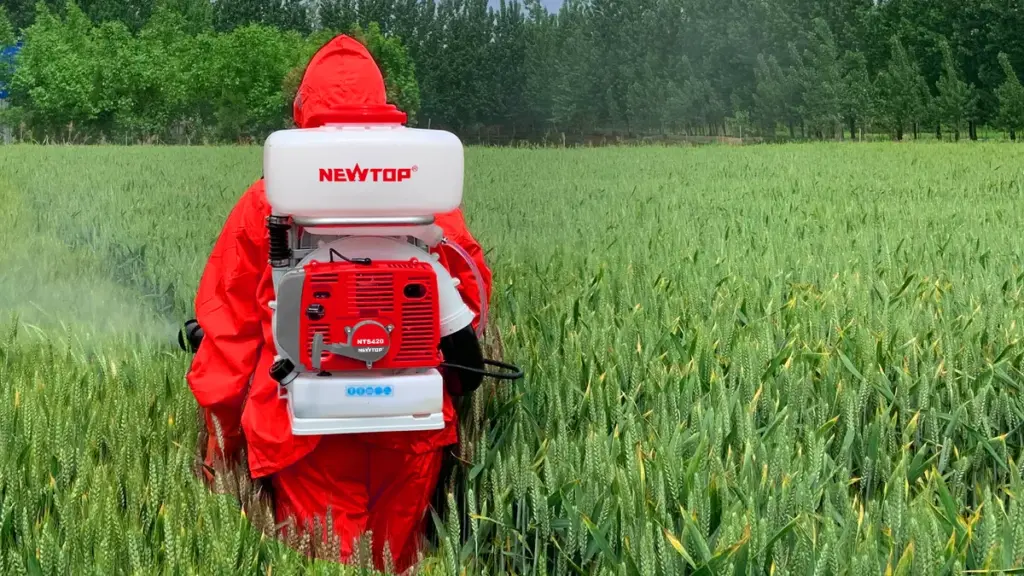
Effective fogging operations depend on standardized safety protocols, including mandatory operator certification, correct PPE usage, and strict adherence to chemical handling and re-entry procedures.
Use of Personal Protective Equipment (PPE)
Wearing the correct Personal Protective Equipment is the first line of defense for any operator. Regulations require comprehensive protection to prevent chemical exposure through inhalation, skin contact, or eye irritation during the fogging process. Failure to use proper PPE can lead to immediate health risks and long-term complications.
- Full-face respirators with appropriate chemical cartridges are mandatory.
- Chemical-resistant gloves, coveralls, and waterproof boots protect the skin from contact.
- Goggles or face shields provide an extra layer of protection for the eyes.
Area Preparation and Ventilation Control
Properly preparing the treatment area is essential to ensure both effectiveness and safety. This involves isolating the space and managing airflow to contain the fog and protect adjacent environments. A well-prepared area maximizes the disinfectant’s efficacy while minimizing unintended exposure.
- Seal off the designated area by closing all doors, windows, and vents.
- Turn off all HVAC systems to prevent the disinfectant from circulating outside the treatment zone.
- Post warning signs at all entry points to prevent unauthorized access during and after application.
Operator Training and Chemical Management
Operator certification and adherence to chemical guidelines are now industry standards. A trained operator understands the equipment’s functions, the properties of the disinfectant, and how to manage potential risks. This expertise prevents equipment misuse and ensures chemicals are applied at safe, effective concentrations.
- Operators must be certified and trained on the specific fogging equipment in use.
- Always follow the manufacturer’s guidelines for chemical dilution ratios and application rates.
- Confirm chemical compatibility with the equipment to prevent corrosion or malfunction.
Post-Treatment and Safe Re-Entry Protocols
Safety procedures do not end when the application is complete. Post-treatment protocols ensure the area is safe for re-entry and that any chemical residue is managed correctly. These final steps are crucial for protecting occupants and maintaining equipment integrity.
- Adhere to the specified waiting period before ventilating and re-entering the area.
- Thoroughly clean the fogging equipment after each use to maintain its performance and longevity.
- Manage any remaining chemical residue according to environmental safety standards.
Why Choose NEWTOP High-Efficiency Fogger Solutions?
NEWTOP foggers combine precision manufacturing with a robust global supply chain to deliver reliable, versatile equipment for large-scale agricultural and public health operations.
As a leading garden and agricultural machinery manufacturer based in Shanghai, NEWTOP has been manufacturing power equipment since 2003. con más de 10,000 square meters of production facilities and an annual capacity exceeding 500,000 unidades, the company integrates CNC machining centers, automated production lines, and independent testing laboratories to ensure consistent quality.
NEWTOP’s fogger sprayers are engineered for durability in demanding environments such as tropical agriculture and municipal vector control programs. Core components are selected from globally recognized suppliers, ensuring stable combustion performance and long service life.
The company supports OEM and ODM customization, including color design, herrada, embalaje, and parameter adjustments tailored to regional regulations. Con CE, EPA, and ISO certifications, NEWTOP equipment meets international compliance standards.
For distributors targeting Africa, América Latina, Sudeste Asiático, and emerging Eastern European markets, NEWTOP offers competitive mid-range positioning that balances price, durabilidad, y soporte postventa.
Grow Strong with NEWTOP — Your Trustworthy Garden Tools Partner.
For product catalogs, technical specifications, or partnership inquiries, contact:
Correo electrónico: [email protected]
WhatsApp: +86 13636521556
Sitio web: https://newtoptools.com/
Conclusión
Understanding the mechanics of a fogger sprayer, from its key components to the differences between thermal and cold ULV models, directly impacts operational success. This knowledge ensures you can achieve precise, wide-area coverage for disinfection, control de plagas, and agricultural treatments. Selecting the right tool optimizes chemical use, enhances safety, and improves overall efficiency.
If you are ready to enhance your operations with reliable misting technology, explore NEWTOP’s line of professional fogger solutions. Contact our team to request a product catalog or to consult on the best equipment for your specific application.
Preguntas frecuentes
What is the difference between a fogger and a sprayer?
A traditional sprayer produces larger droplets that settle quickly on surfaces, making it suitable for targeted applications. A fogger creates ultra-fine droplets that remain suspended in the air, allowing better coverage and penetration.
How long can a fogger spray continuously?
Continuous operation time depends on tank capacity and engine type. Most professional gasoline foggers can operate for 30–60 minutes per tank under standard load.
Is a fogger better than a spray for mosquitoes?
Sí, for wide-area mosquito control, especially outdoors, foggers are generally more effective because the fine mist can disperse across vegetation and open air.
Can you use a fogger for indoor disinfection?
Sí, particularly cold ULV foggers designed for indoor environments. Proper ventilation and chemical compliance are essential.
What is the spray range of a portable fogger?
Portable thermal foggers may achieve a horizontal spray distance of 8–12 meters depending on wind conditions and model specifications.
Do foggers use more chemical than sprayers?
No, foggers are designed to use less chemical than traditional sprayers. ULV (Ultra Low Volume) nebulizadores, En particular, atomize a small amount of concentrated solution into a vast volume of fine mist. This method provides extensive coverage with maximum efficiency, reducing overall chemical consumption compared to high-volume drenching sprayers.
If you would like a deeper technical breakdown of sprayer and fogger performance differences, read our guide: Diferencia entre nebulizador y pulverizador: Una guía técnica de comparación .
Para distribuidores agrícolas, mayoristas de equipos agrícolas, y propietarios de marcas regionales, Encontrar el pulverizador de mochila adecuado no se trata solo de comparar el tamaño del tanque o el tipo de motor.. Se trata de equilibrar el rendimiento., durabilidad, cumplimiento normativo, y estabilidad de la oferta a largo plazo, sin dejar de cumplir con las expectativas de precios de los agricultores locales..
En los mercados emergentes de África, América Latina, Sudeste Asiático, y partes de Europa del Este, Los pulverizadores de mochila siguen siendo una de las herramientas más esenciales para la protección de cultivos y la aplicación de nutrientes.. Ya sea que se use para fumigar con pesticidas, aplicación de herbicidas, distribución de fertilizantes, o saneamiento de salud pública, un pulverizador fiable afecta directamente a la productividad agrícola.
Esta guía está escrita para importadores y compradores a granel que necesitan una comprensión práctica de los tipos de productos., selección de modelo, lógica de precios, requisitos de cumplimiento, y evaluación de proveedores a largo plazo.
Pulverizador de mochila en venta: Tipos populares para la agricultura moderna
El mercado mundial de pulverizadores de mochila ha evolucionado significativamente en la última década.. Los compradores actuales pueden elegir entre tres sistemas de energía principales: manual, con motor de gasolina, y pulverizadores a batería.
Pulverizadores de mochila manuales
Los pulverizadores de mochila manuales son la opción principal para las operaciones agrícolas a pequeña escala, normalmente aquellos de menos de dos acres. Su simple, El diseño impulsado por el operador los hace confiables y fáciles de mantener para aplicaciones específicas como control de plagas o distribución de fertilizantes. con un bomba de pistón o de diafragma mecanismo, Proporcionan una presión constante cuando se utilizan correctamente..
Pulverizadores de mochila a gasolina
Pulverizadores de mochila a gasolina, especialmente los tipos de plumero, Se prefieren para campos y huertos más grandes.. Equipado con motores de 2 o 4 tiempos, Proporcionan salida de alta presión y rango de pulverización extendido.. Estos modelos son comunes en agricultura tropical donde los cultivos altos, como cacao o árboles frutales, requieren una fuerte penetración. Los importadores deben prestar atención a la cilindrada del motor., consumo de combustible, y estándares de emisiones al seleccionar versiones de gasolina.
Pulverizadores de mochila que funcionan con baterías
Los pulverizadores que funcionan con baterías de litio están ganando terreno, particularmente en paisajismo urbano, operaciones de invernadero, y proyectos gubernamentales. Reducen el ruido, eliminar la mezcla de combustible, y ofrecer un control de presión más estable. Con motores sin escobillas y modos de pulverización ajustables., mejoran la precisión y la comodidad del operador. En regiones donde las regulaciones ambientales se están endureciendo, Los modelos eléctricos se están convirtiendo en una opción más segura a largo plazo..
Lectura relacionada: Tipos de pulverizador de mochila: Elegir el mejor modelo para su granja
Los mejores modelos de pulverizadores de mochila a la venta en 2026
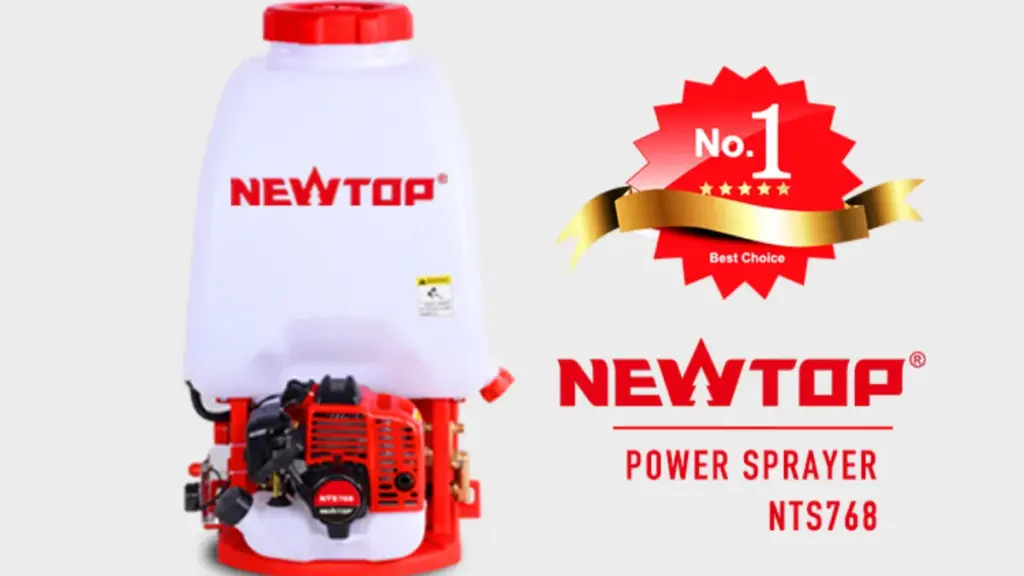
En 2026, demanda de gasolina pulverizadores de mochila y los nebulizadores siguen creciendo en toda África, América Latina, Sudeste Asiático, y partes de Europa del Este. En NOVEDAD, Varios modelos de pulverizadores de mochila se han clasificado constantemente entre las unidades más vendidas en los mercados de exportación.. Estos modelos son ampliamente elegidos por clientes OEM., distribuidores regionales, y cadenas de suministro agrícolas porque ofrecen un rendimiento estable y configuraciones prácticas que coinciden con las condiciones reales del campo..
A continuación se muestran 4 de los más populares pulverizadores de mochila a gasolina para compradores al por mayor. Las siguientes tarjetas de productos brindan especificaciones técnicas rápidas y acceso directo a la página de detalles de cada modelo.. Si está evaluando qué pulverizador de mochila introducir en su mercado en 2026, Revisar estas configuraciones puede ayudarle a seleccionar opciones adecuadas..
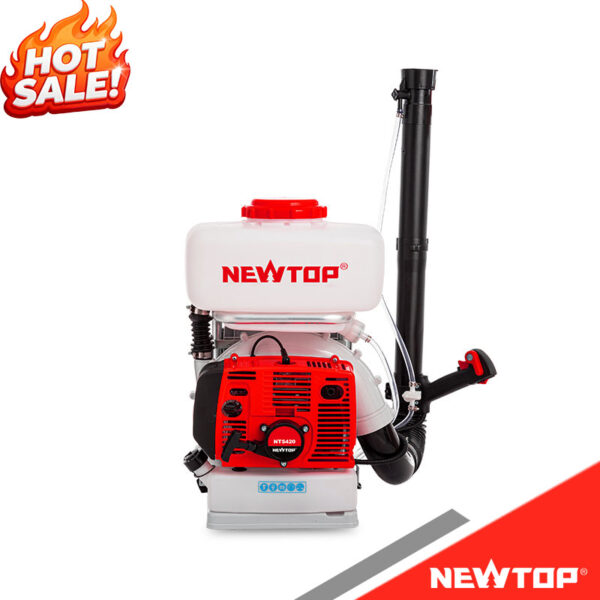
Pulverizador de mochila a gasolina NTS420
El NTS420 es un pulverizador de mochila confiable de 20 litros diseñado para cultivos extensivos y uso en plantaciones.. Ofrece una fuerte penetración de pulverización con una potencia de motor estable., haciéndolo adecuado para la aplicación de pesticidas y fertilizantes en grandes superficies.
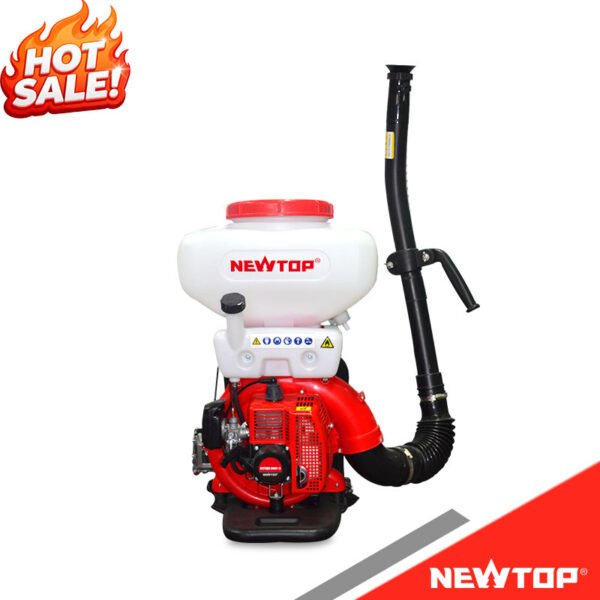
Pulverizador de niebla NTS3WF-3
El NTS3WF-3 combina funciones de pulverización y nebulización para huertos y cultivos altos. Con un potente flujo de aire y un rango de pulverización extendido, Garantiza una penetración profunda de las hojas en entornos agrícolas densos..
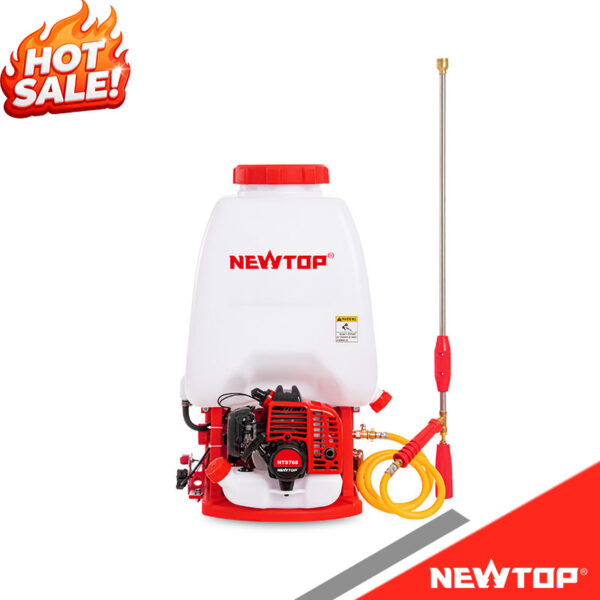
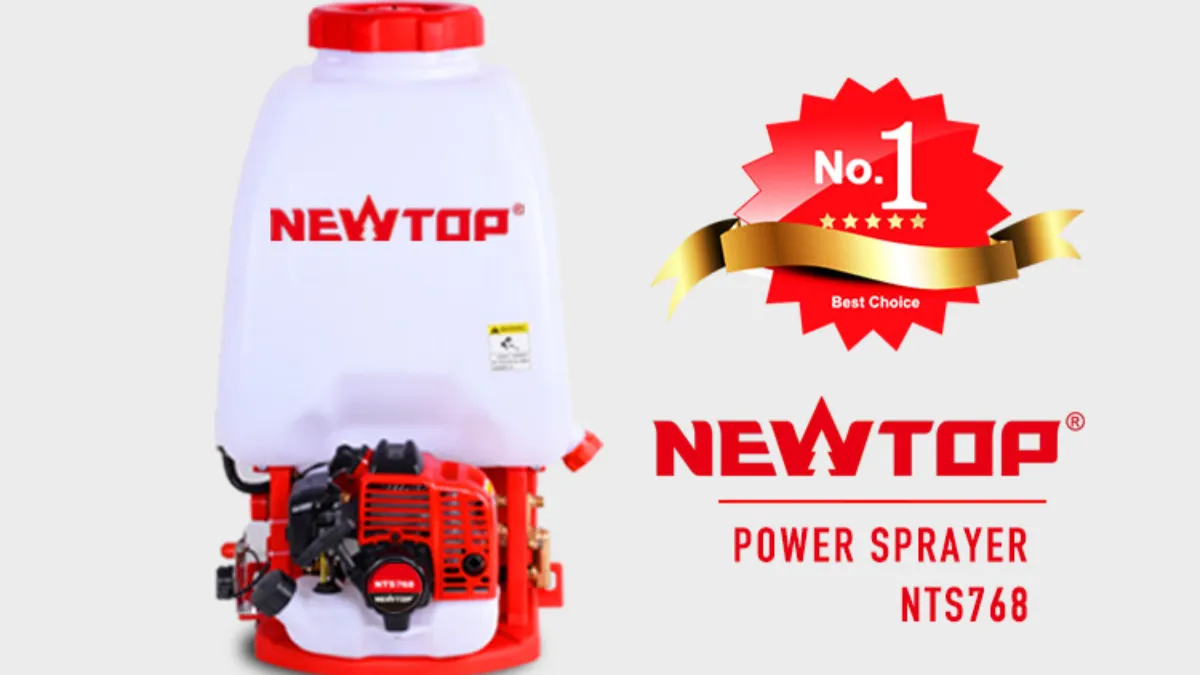
Pulverizador de alta presión NTS768
El NTS768 está diseñado para uso agrícola intensivo.. Su estructura de tanque reforzada y su sistema de motor estable lo hacen adecuado para distribuidores profesionales dirigidos a mercados de alta demanda..
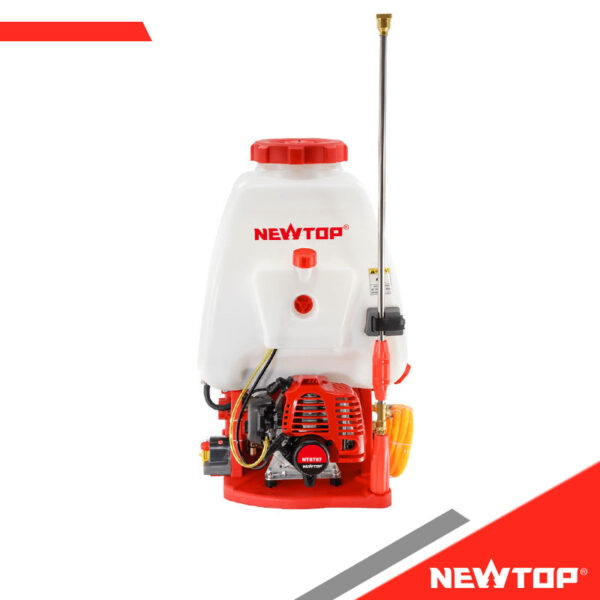
Pulverizador de mochila comercial NTS767
El NTS767 ofrece potencia y eficiencia equilibradas, ideal para distribuidores que buscan un rociador de mochila a gasolina de gama media para aplicaciones agrícolas y de jardín. Los componentes duraderos garantizan una larga vida útil.
Elegir el modelo adecuado para su mercado
| Mercado objetivo | Modelo recomendado | Ventaja técnica | Escenario de aplicación típico |
|---|---|---|---|
| Grandes plantaciones & Granjas Comerciales | NTS420 (56.5cc) | El motor de mayor cilindrada ofrece un flujo de aire más fuerte y una penetración de gotas más profunda | Cultivos altos como el cacao., palmera, y árboles de huerta; Cobertura de área grande que requiere eficiencia de tiempo. |
| Huerta & Operaciones duales de pulverización/polvo | NTS3WF-3 (Plumero de niebla) | El potente sistema de flujo de aire admite tanto la pulverización líquida como la aplicación de polvo. | Granjas diversificadas que necesitan soluciones flexibles de control de plagas |
| Distribuidores regionales sensibles al precio | NTS768 / NTS767 (26cc) | Rendimiento equilibrado del motor con menor consumo de combustible y costos operativos manejables | Granjas pequeñas y medianas que requieren una fumigación diaria confiable con presupuestos controlados |
| Mercados con requisitos de emisiones o eficiencia | 2-Opciones de carrera o de 4 tiempos | 2-ataque: mantenimiento ligero y sencillo; 4-ataque: Mejora de la eficiencia del combustible y reducción de emisiones. | Regiones que priorizan el cumplimiento ambiental o el ahorro de combustible a largo plazo |
Asegure pulverizadores de mochila de alta demanda para su mercado

Factores clave a evaluar al buscar pulverizadores de mochila
Un pulverizador de mochila de calidad profesional se define por su rendimiento constante bajo presión., diseño ergonómico para la seguridad del operador, y cumplimiento de estándares internacionales de calidad..
| Factor de evaluación | Métrica clave | Estándar de la industria / Punto de referencia |
|---|---|---|
| Actuación & Durabilidad | Regulación de presión & Tasa de flujo | PSI consistente para una aplicación uniforme; sellos y materiales a prueba de fugas. |
| Seguridad del operador & Ergonomía | Peso máximo cargado | No debe exceder 25 kg para reducir la fatiga del operador. |
| Proceso de dar un título & Mantenimiento | Seguridad & Cumplimiento de calidad | Adhesión a la FAO o directrices internacionales equivalentes. |
Estándares de rendimiento y durabilidad
Un pulverizador de mochila confiable debe ofrecer un rendimiento constante y soportar condiciones agrícolas exigentes.. Al evaluar una unidad, centrarse en su capacidad para mantener una presión estable, entregar un caudal uniforme, y resistir la degradación por exposición química y uso físico. El mecanismo de la bomba., ya sea pistón o diafragma, debe generar y mantener la presión de manera eficiente para garantizar que el patrón de aspersión permanezca constante desde un tanque lleno hasta uno vacío.. La calidad del material es igualmente crítica; Los componentes deben estar hechos de material duradero., Polímeros resistentes a la corrosión y cuentan con sellos a prueba de fugas para manejar productos químicos agresivos a largo plazo..
Seguridad y ergonomía del operador
El bienestar del operador es una preocupación primordial. Busque pulverizadores diseñados para minimizar el esfuerzo físico y proteger a los usuarios del contacto químico.. Las normas internacionales recomiendan que un pulverizador completamente cargado no pese más de 25 kg para reducir la fatiga y el riesgo de lesiones. Las características ergonómicas clave incluyen un arnés bien acolchado que distribuye el peso uniformemente entre los hombros y las caderas., un respaldo curvo que se adapta a la postura del operador, y estabilidad general para evitar vuelcos en terrenos inclinados. Un pulverizador que es cómodo de transportar y operar permite una aplicación más precisa y un manejo más seguro durante largas jornadas de trabajo..
Certificación y facilidad de mantenimiento
Cumplimiento de estándares internacionales, como los guiados por la FAO (Organización de las Naciones Unidas para la Agricultura y la Alimentación), Señala el compromiso del fabricante con la calidad y la seguridad.. Estas certificaciones garantizan que el pulverizador ha superado rigurosas pruebas de prevención de fugas., durabilidad, y seguridad del operador. Más allá de la calidad inicial, un pulverizador bien diseñado debe ser fácil de mantener. Busque características que faciliten la limpieza y el reemplazo de piezas, como grandes aberturas para tanques y acceso sin herramientas a filtros y bombas. El mantenimiento sencillo evita la contaminación cruzada química y prolonga significativamente la vida útil del equipo..
Guía de precios para pulverizadores de mochila en pedidos al por mayor
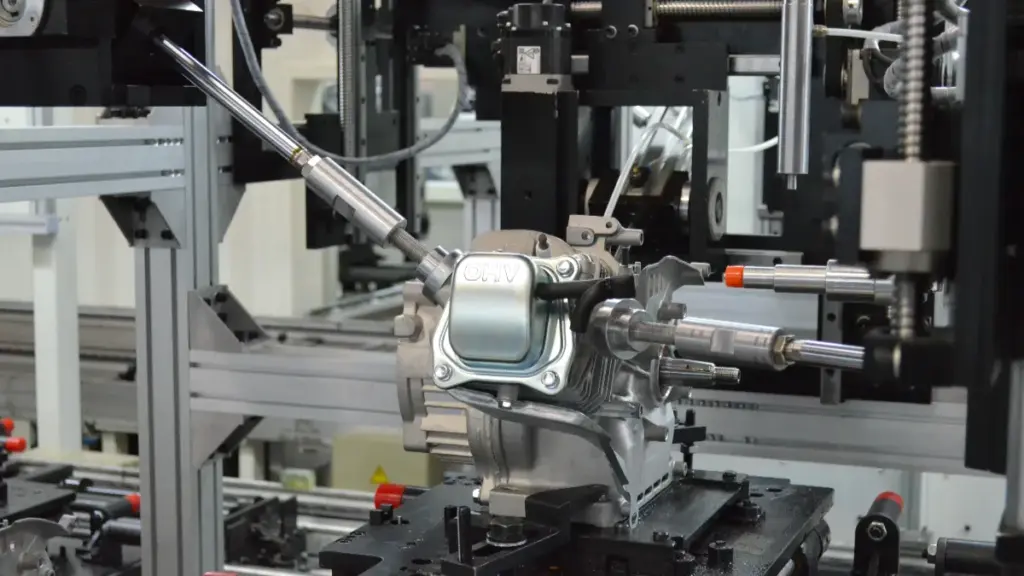
Comprender los precios al por mayor es esencial para los distribuidores e importadores de equipos agrícolas que planifican compras estacionales.. El precio de un pulverizador de mochila a la venta varía mucho según el tipo de motor, desplazamiento, capacidad del tanque, y volumen de pedidos.
A continuación se muestra una referencia general de precios al por mayor para pulverizadores de mochila a gasolina en 2026:
| Tipo de pulverizador | Rango de precios FOB estimado (Dólar estadounidense) | Aplicaciones típicas |
|---|---|---|
| Pulverizador de mochila manual (15-20L) | $10 – $18 por unidad | Pequeñas granjas, parcelas de hortalizas, fumigación de invernaderos, mercados de distribución de nivel básico |
| Pulverizador de mochila a gasolina (26cc-56,5 cc) | $38 – $95 por unidad | Huertos, plantaciones, silvicultura, protección de cultivos comerciales |
| Eléctrico / Pulverizador a batería | $22 – $60 por unidad | Agricultura urbana, paisajismo, Granjas de mediana escala que requieren una reducción de la fatiga del operador. |
Nota: Los precios anteriores son referencias FOB indicativas basadas en configuraciones de exportación estándar.. La cotización final depende de las especificaciones del motor., capacidad de la batería, grado del material, requisitos de personalización, y cantidad total del pedido.
Estructura de precios basada en el volumen
La adquisición a granel mejora la rentabilidad general, pero los ajustes de precios suelen estar influenciados por la planificación de la producción., abastecimiento de componentes, y optimización logística en lugar de porcentajes de descuento fijos.
En la práctica, Los fabricantes evalúan los precios basándose en:
- Cantidad de pedido por modelo
- Programación de lotes de producción.
- Configuración de embalaje
- Condiciones de envío (ENGAÑAR, CIF, o contenedor mixto)
Para pedidos de volumen medio, El precio unitario puede beneficiarse de una mayor eficiencia de producción y costos de instalación compartidos.. Envíos consolidados más grandes, especialmente cargas de contenedores llenos (FCL), a menudo logran mayores ventajas de costos debido a la carga optimizada de cajas y la reducción de la asignación de flete por unidad.
¿Qué influye en los precios al por mayor??
Varios factores prácticos afectan la cotización final.:
Configuración del motor
2-Los motores de carrera son generalmente más asequibles y ligeros.. 4-Los motores de carrera cuestan más debido a la eficiencia del combustible y a las menores emisiones..
Espesor del material & calidad de los componentes
Carburadores de mayor calidad, marcos reforzados, y los sistemas de encendido mejorados afectan los precios pero mejoran la durabilidad a largo plazo.
Requisitos de personalización
Impresión de logotipo OEM, rediseño de caja, cambios de color, o el etiquetado privado puede aumentar ligeramente el costo dependiendo de los ajustes de las herramientas.
Condiciones de envío
ENGAÑAR, CIF, y las estructuras de precios de DDP pueden afectar significativamente el costo de entrega. Los importadores deberían calcular el costo total en destino en lugar de centrarse únicamente en los precios ex fábrica..
Mercado & Consideraciones de la cadena de suministro
China sigue siendo la base de producción dominante para los pulverizadores de mochila a gasolina debido a cadenas de suministro maduras y la integración de componentes.. Los grupos estables de abastecimiento de materias primas y producción de motores permiten precios competitivos a escala.
Sin embargo, Las fluctuaciones estacionales de la demanda, especialmente antes de las temporadas de siembra, pueden influir en los programas de producción y los plazos de entrega.. La planificación temprana de adquisiciones ayuda a los distribuidores a fijar mejores precios y asegurar el inventario antes del pico de demanda..
Navegando por las regulaciones de importación para pulverizadores de mochila
La gestión de envíos internacionales de pulverizadores de mochila requiere un sistema armonizado preciso (SA) clasificación de código, cálculo de tarifas preciso, y estricto cumplimiento de las normas locales de salud y seguridad..
Sistema Armonizado (SA) Clasificación de código
Clasificar correctamente los pulverizadores de mochila y sus piezas según el Sistema Armonizado (SA) es el primer paso para los importadores internacionales. Los pulverizadores agrícolas u hortícolas completos generalmente están incluidos en el Código HS. 8424.81. Los importadores también deben diferenciar entre unidades completas., componentes de pistola pulverizadora, y otras piezas de repuesto, ya que cada uno puede requerir un código arancelario único. Una clasificación precisa evita retrasos aduaneros y garantiza la correcta aplicación arancelaria, convirtiéndolo en una parte crítica del proceso logístico.
Tasas arancelarias y disposiciones libres de derechos
Los tipos arancelarios dependen del país importador., acuerdos comerciales, y configuración del producto. En muchos mercados africanos y latinoamericanos, Los pulverizadores agrícolas se incluyen en estructuras de servicio moderado.. Algunos países de Medio Oriente y Europa del Este pueden requerir documentación de conformidad adicional o declaraciones técnicas antes de la autorización..
Cumplimiento de las normas locales de salud y seguridad
Más allá de los aranceles, Los pulverizadores de mochila deben cumplir con las normas sanitarias., salud, y normas de seguridad del mercado de destino. Estos estándares protegen a los usuarios finales y al medio ambiente., hacer del cumplimiento una parte no negociable del proceso de importación. Para modelos de gasolina, Se deben verificar los estándares de emisiones del motor y los requisitos de seguridad.. Los pulverizadores que funcionan con baterías pueden requerir documentación de transporte de litio, como informes de prueba UN38.3, especialmente para envíos aéreos.
Documentación estándar
Documentación estándar, incluida la factura comercial, Lista de embalaje, y certificado de origen: debe prepararse con precisión. La coordinación con un agente de aduanas local garantiza un despacho más fluido y plazos de entrega más predecibles para envíos a granel..
Listo para comprar? Descubra las ofertas de pulverizadores de mochila de alto rendimiento de NEWTOP
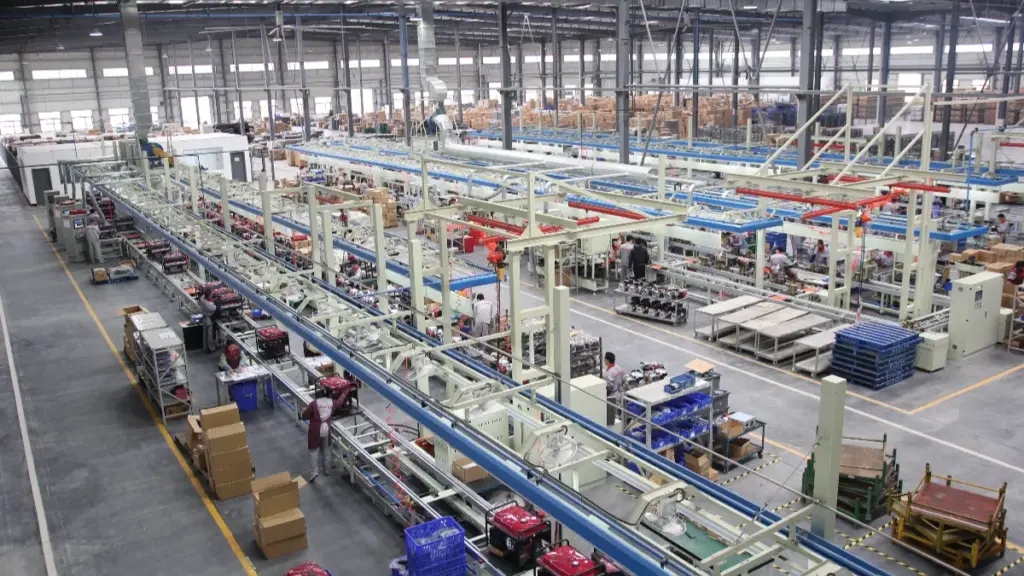
NEWTOP ofrece a los socios B2B una ventaja competitiva a través de un suministro flexible de productos duraderos, Pulverizadores de mochila versátiles diseñados con componentes de primera calidad y respaldados por servicios integrales de OEM y posventa..
Con más de dos décadas de experiencia en la fabricación de maquinaria agrícola y de jardín., NOVEDAD suministra pulverizadores de mochila a más de 65 países de toda África, América Latina, Sudeste Asiático, y Europa del Este.
La empresa opera una instalación de producción de 10.000㎡ con moldeo por inyección integrado., líneas de montaje automatizadas, y centros de inspección independientes. Anual la capacidad excede 500,000 unidades en múltiples categorías de productos.
NOVEDADES ofertas:
- Pulverizadores de mochila manuales (16L–20L)
- Pulverizadores de mochila a gasolina (plumeros)
- Personalización de embalaje y color OEM
- 7–Envío de muestra en 10 días
- Aprox.. 30-plazo de entrega de producción a granel del día
- 1-año de garantía de la máquina (partes centrales 6 meses)
- Soporte de suministro de repuestos
Para distribuidores buscando calidad estable, entrega consistente, y precios competitivos, NEWTOP proporciona una solución equilibrada entre rendimiento y asequibilidad.
Si está planeando ampliar su cartera de equipos agrícolas eléctricos para exteriores, Ahora es el momento adecuado para asegurar espacios de producción antes de la temporada alta de demanda..
Póngase en contacto con el equipo de exportación de NEWTOP hoy a través de:
Correo electrónico: [email protected]
WhatsApp / Teléfono: +86 13636521556
Sitio web: https://newtoptools.com/
Conclusión
Elegir el rociador de mochila adecuado implica adaptar las características del modelo (como la fuente de energía y la capacidad del tanque) a sus necesidades agrícolas específicas y a su presupuesto.. Comprender los factores clave de evaluación, estructuras de precios, y la logística de importación le ayuda a asegurar un servicio confiable, activo a largo plazo. Este conocimiento le garantiza invertir en equipos que mejoran la productividad y ofrecen un fuerte retorno..
Cuando estés listo para equipar a tu equipo, explore nuestro catálogo de pulverizadores de mochila de alto rendimiento. Contáctenos directamente para obtener una cotización detallada adaptada a su pedido al por mayor y a sus requisitos de envío..
Preguntas frecuentes
¿Dónde puedo comprar pulverizadores de mochila al por mayor??
Puede comprar al por mayor directamente de fabricantes establecidos de equipos eléctricos para exteriores en China.. Fábrica como NOVEDAD Suministre clientes OEM y distribuidores a nivel mundial y admita pedidos personalizados..
¿Cuál es el precio medio de un pulverizador de mochila?
Los modelos manuales suelen costar entre 8 y 18 USD en pedidos al por mayor, modelos de gasolina entre 45 y 110 dólares, y versiones con batería de litio de 25 a 80 dólares, dependiendo de las especificaciones y la cantidad del pedido.
¿Cuánto cuesta el envío de los pulverizadores de mochila??
El envío depende del destino., utilización de contenedores, y tarifas de flete en el momento de la reserva. El transporte marítimo de un contenedor completo de 20 GP reduce significativamente el coste por unidad en comparación con el transporte aéreo.
¿Qué garantía se incluye con los pulverizadores de mochila??
La mayoría de los fabricantes profesionales ofrecen una garantía de 1 año para la máquina completa y 6 meses en componentes centrales. La cobertura de la garantía debe confirmarse antes de la confirmación del pedido..
¿Ofrecen repuestos para los pulverizadores de mochila que venden??
Sí, Proporcionamos un inventario completo de repuestos para todos nuestros modelos de pulverizadores.. Esto incluye elementos de desgaste común, como boquillas., sellos, varitas, y baterías de repuesto. Ofrecer piezas fácilmente disponibles garantiza confiabilidad operativa a largo plazo y permite un fácil mantenimiento., Lo cual es fundamental para equipos diseñados para un uso profesional constante..
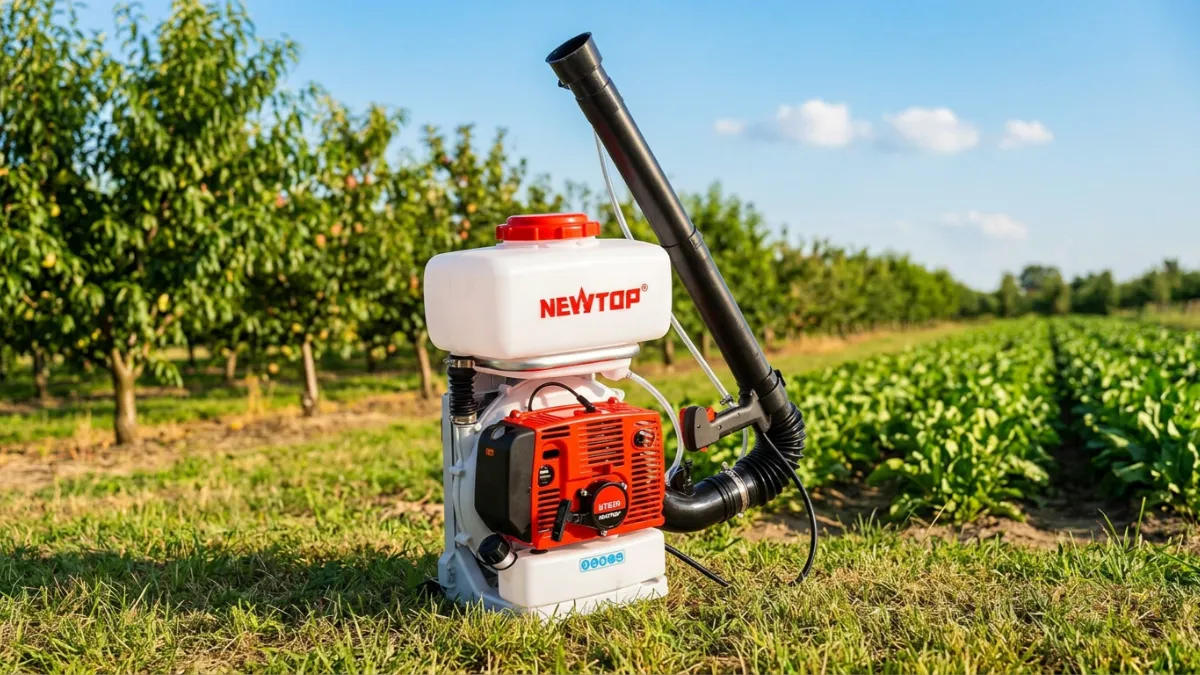
Reliable backpack sprayer reviews are the primary defense against operational downtime and the high cost of wasted chemicals. A single component failure—like a cracked seal or an inconsistent pump—not only brings a job to a standstill but also risks operator safety and misapplication, directly impacting project budgets and client satisfaction.
This guide provides a technical breakdown of current market options, moving beyond marketing claims to compare concrete performance data. We analyze the specifications of battery, manual, and petrol-powered units, identify the most common failure points found in user reports, and detail the methodology used in our own assessments. Use this as your standard operating procedure for evaluating and selecting equipment that meets commercial demands.
Reseñas de pulverizadores de mochila: What to Look for in 2026
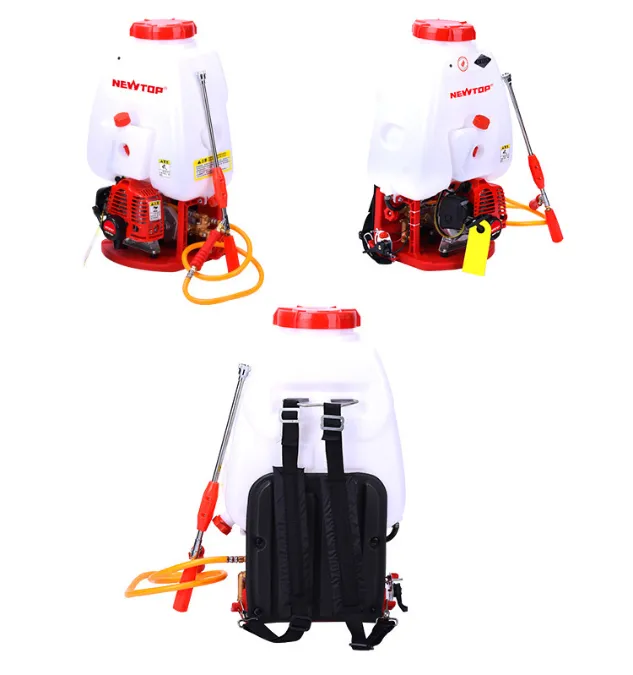
En 2026, selecting the right backpack sprayer comes down to a practical evaluation of its power source, harness comfort, pressure versatility, and tank durability for your specific application.
| Key Feature | Evaluation Criteria | Impact on Performance |
|---|---|---|
| Fuente de energía | Battery-powered for consistent pressure vs. Manual for simplicity and low cost. | Determines application consistency and operator effort required. |
| Ergonomía | Padded, adjustable straps and a load-bearing hip belt. | Directly reduces fatigue and improves productivity during extended use. |
| Pressure & Nozzles | Adjustable pressure settings (PSI) and an included set of versatile nozzles. | Allows for precise application on different targets, from fine misting to targeted streams. |
| Tank Construction | Capacidad (4-6.5 gallons) and chemical-resistant materials and seals. | Affects operational uptime and long-term durability against leaks and degradation. |
Fuente de energía: Battery vs. Manual
The primary decision for any buyer is choosing between battery power and manual operation. The market trend is a clear shift toward battery-powered models because they deliver consistent, non-pulsating pressure without physical effort. This consistency is critical for uniform chemical application and achieving professional results. Manual sprayers, while requiring constant pumping, hold their ground due to their simplicity, lower upfront cost, and field serviceability. Your choice depends directly on the job size and your tolerance for physical labor.
- Battery-powered systems are becoming more common for their ease of use, eliminating the need for constant pumping.
- Manual options remain a dependable, budget-friendly choice for smaller properties or less frequent use.
Ergonomics and Harness Design
A full 4-gallon sprayer can weigh over 35 pounds, making ergonomics a non-negotiable feature for anyone using the equipment for more than a few minutes. A poor harness design concentrates weight on the shoulders, leading to rapid operator fatigue and reduced productivity. High-quality sprayers invest in well-padded, fully adjustable shoulder straps and, critically, a load-bearing hip belt. This combination transfers the bulk of the weight from the shoulders to the hips, allowing for comfortable all-day operation.
- Look for sprayers with adjustable, padded shoulder straps to fit your body comfortably.
- A quality harness distributes the weight evenly across your back and shoulders.
Pressure Controls and Nozzle Systems
Effective spraying requires adapting your output to the target. Variable pressure control allows you to switch between a high-pressure stream for reaching distant spots and a low-pressure fine mist for delicate plants or broad-leaf herbicide application. Look for models with an easily accessible pressure adjustment dial. A good sprayer should also come with a set of interchangeable nozzles—typically including fan, cone, and stream patterns. This built-in versatility saves you the cost and effort of sourcing compatible parts separately and ensures you have the right tool for any application.
- Adjustable pressure controls allow you to manage the flow rate for precise application.
- Multiple included nozzles for different spray patterns add significant value.
Tank Capacity and Durability
The tank is the core of the sprayer, and its design dictates both efficiency and lifespan. Capacidad, typically 4 a 6.5 gallons, should match your workload; a larger tank reduces trips for refilling but adds weight. More important is the material. The tank, sellos, and gaskets must be constructed from chemical-resistant polymers like Viton to prevent them from degrading after exposure to common herbicides and pesticides. This is the primary defense against leaks, which are the most common point of failure in low-quality sprayers.
- Consider a tank capacity that matches your typical workload to avoid unnecessary interruptions.
- Ensure the tank is made from chemical-resistant materials to prevent degradation over time.
Top-Rated Battery Backpack Sprayer Reviews and Comparisons
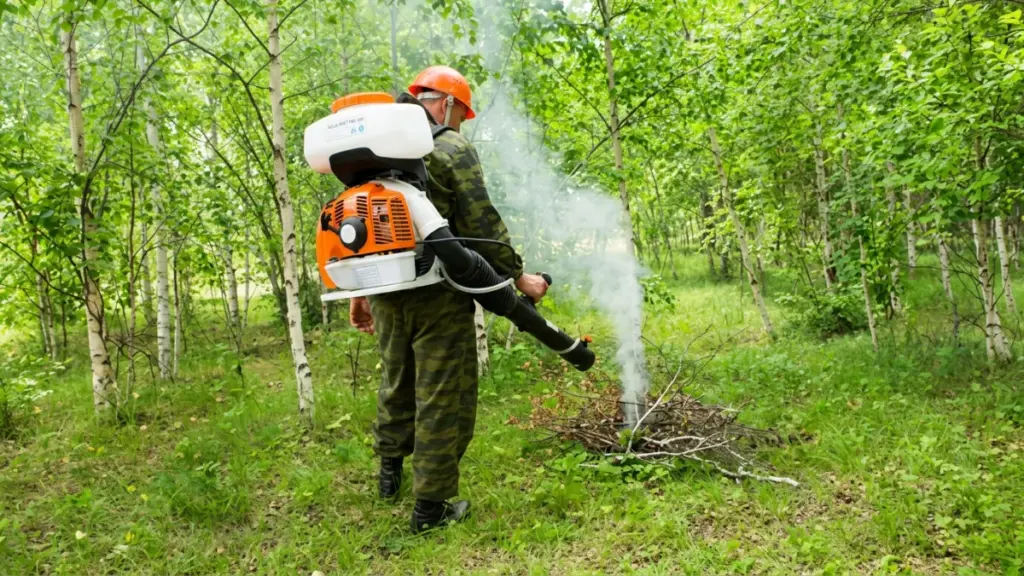
El 2026 battery sprayer market is defined by lightweight lithium-ion systems that deliver 6-8 hours of runtime, combined with ergonomic harnesses designed for all-day professional use.
| Característica | Estándar de la industria (2026) | Impact on Performance |
|---|---|---|
| Battery Runtime | 6–8 hours (Lithium-Ion) | Supports all-day professional use without recharging. |
| Pressure Range | 40–80 psi | Provides versatility for fine misting and coarse spray patterns. |
| Capacidad del tanque | 4–6.5 gallons | Balances liquid volume with manageable operator weight. |
| Ergonomía | Padded straps, hip belts, low-profile tanks | Reduces operator fatigue and improves stability. |
Battery Performance and Runtime
The shift to lightweight lithium-ion battery systems is now complete across the industry, rendering older, heavier lead-acid models obsolete. The benchmark for professional-grade equipment is a runtime of 6 a 8 hours of continuous operation on a single charge. This capability is non-negotiable for commercial users, as it allows operators to complete a full day’s work without needing to stop and recharge. Efficient charging systems are also a key evaluation point, as they directly impact workflow and reduce downtime between jobs.
Ergonomics and Operator Comfort
As battery sprayers become standard for all-day use, manufacturers place a heavy focus on reducing operator fatigue. Mid- to professional-tier models now include fully adjustable, padded shoulder straps and load-bearing hip belts to distribute weight away from the shoulders and spine. Low-profile tank designs have also become common, lowering the sprayer’s center of gravity. This design choice improves balance, minimizes side-to-side sway, and reduces the physical strain required to manage the unit during long sessions on uneven terrain.
Pressure Control and Application Versatility
Precise control over application pressure is a critical feature that separates professional equipment from basic consumer models. Most modern battery units operate within a 40-80 psi range, which is sufficient for tasks from fine misting delicate ornamentals to applying herbicides with a coarse spray. Variable pressure switches or dials allow operators to adjust output on the fly, matching the spray pattern to the specific chemical and target. High-quality, chemical-resistant seals are also essential for versatility, ensuring the sprayer can handle a wide range of herbicides, pesticides, and fertilizers without premature component failure.
Tank Capacity and Durability
Tank capacities on battery-powered models have standardized in the 4 to 6.5-gallon range. This volume strikes a practical balance between holding enough liquid to cover a significant area and keeping the total weight manageable for a single operator. Any larger, and the unit becomes too heavy for extended use; any smaller, and the operator wastes too much time on refills. Tank materials are selected for chemical compatibility and impact resistance, ensuring the unit can withstand the daily demands of a professional work environment.
Power Your Business with Reliable Garden Machinery
Manual Backpack Sprayer Reviews: Budget vs. Actuación
The primary trade-off in the manual sprayer market is comfort for cost, as most models deliver standardized pressure and capacity regardless of price.
Core Performance: Where Budget Models Compete
Even budget-friendly manual sprayers prioritize essential performance components. Reviews from 2026 show that lower-cost models often feature high-quality pumps and tanks, delivering reliable pressure and capacity comparable to more expensive options. The core spraying function is remarkably consistent across the market, forcing manufacturers to differentiate on other features.
- Pump and tank systems in budget models frequently use durable materials like brass or stainless steel.
- Most manual sprayers, regardless of price, offer a standard performance range of 60–150 psi and 4-gallon capacities.
The Comfort Trade-Off: Harnesses and Ergonomics
The primary difference between budget and performance models is user comfort. Premium sprayers invest in ergonomic designs to reduce operator fatigue during extended use, a feature often minimized in cheaper alternatives to cut costs. For anyone using a sprayer for more than a few minutes at a time, this becomes the most important factor.
- Budget models typically come with minimal, unpadded harness systems.
- Mid-range to premium sprayers feature padded shoulder straps, hip belts, and more ergonomic back support for better weight distribution.
Durability and Features That Justify a Higher Price
Beyond the pump and harness, overall construction quality and innovative add-ons distinguish premium manual sprayers. These elements justify a higher price by improving the sprayer’s longevity and ease of use. Paying more often translates to a longer service life and fewer maintenance issues, especially when working with aggressive chemicals.
- Higher-priced models may use more robust plastics and seals for increased chemical resistance and a longer working life.
- Advanced features like built-in agitators or self-cleaning mechanisms are typically found only in premium-tier sprayers.
Petrol Powered Backpack Sprayer Reviews for Commercial Use
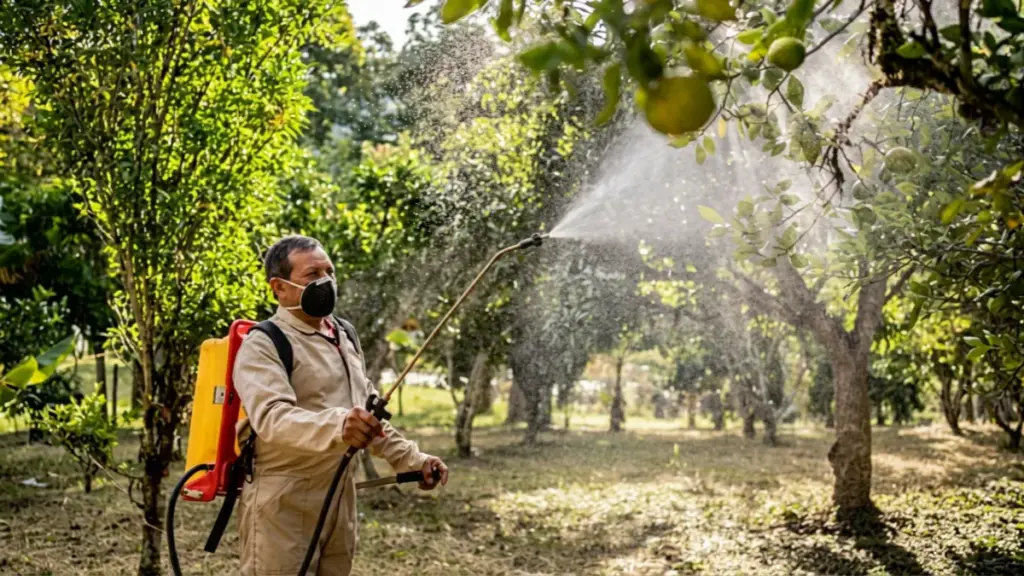
For demanding commercial applications requiring non-stop runtime and consistent high pressure, petrol-powered backpack sprayers maintain their market dominance over battery alternatives.
Power and Consistent Performance
For commercial use in 2026, petrol-powered sprayers remain the preferred choice for tasks requiring sustained power and unwavering pressure. Their engine-driven pumps deliver consistent performance from a full tank to an empty one, a crucial factor for uniform application over large areas. Petrol engines provide high, steady pressure that does not fade as the tank empties. They also offer unlimited runtime as long as fuel is available, eliminating the downtime needed for recharging batteries. This makes them the standard for demanding sectors like agriculture, silvicultura, and large-scale control de plagas where efficiency is measured in acres covered per day.
Ergonomics and Operator Fatigue
Manufacturers are focusing on improving operator comfort to offset the inherent weight and vibration of petrol engines. Key advancements in design aim to reduce the physical strain associated with all-day use in professional settings. Modern models feature advanced anti-vibration systems to minimize handle and back vibrations, which directly translates to less operator fatigue. Enhanced harnesses with better padding and strategic weight distribution are now common, helping to improve balance and make handling easier on difficult terrain.
Market Position Against Battery Alternatives
High-performance battery backpack sprayers are gaining popularity for their quiet operation and lower maintenance, but petrol models continue to hold a strong position for heavy-duty commercial work. Raw power is the priority in these scenarios. Petrol sprayers retain a clear advantage for applications requiring maximum spray distance and all-day, non-stop operation. Battery-powered units offer a compelling alternative for standard applications with less noise and zero emissions. The choice between petrol and battery often comes down to the scale and intensity of the job at hand.
Common Complaints Found in Backpack Sprayer User Reviews
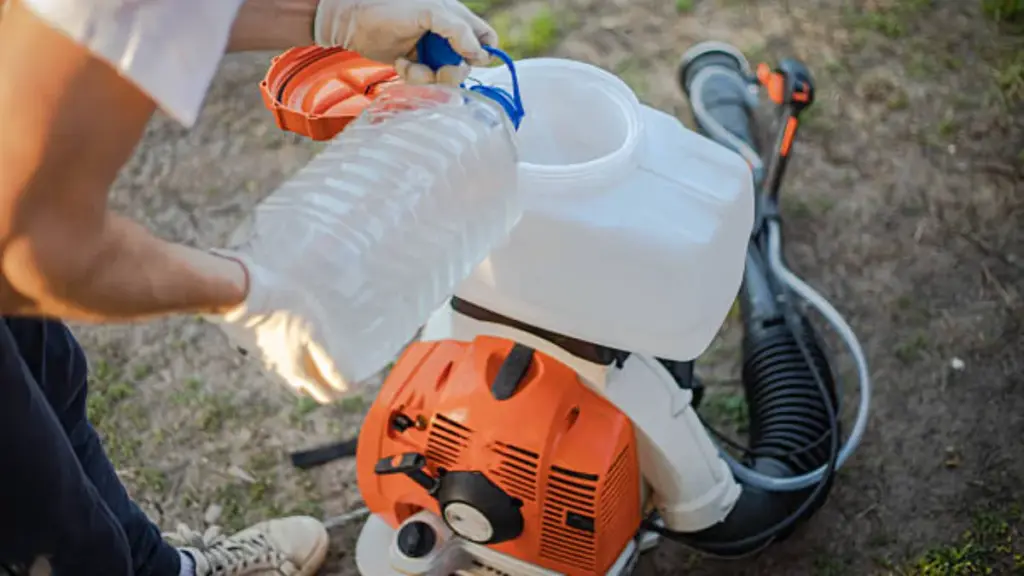
Across both manual and powered models, the most frequent user complaints center on component failures that compromise pressure integrity, such as leaking seals, faulty connections, and worn-out pumps.
| Complaint Category | Primary Cause | Impact on User |
|---|---|---|
| Leaking Components | Degraded or poorly fitted seals on the main lid, pump assembly, and hose connections. | Wasted chemicals, potential skin exposure, and loss of pressure. |
| Pressure Failure | Worn pump seals (especially piston seals) or malfunctioning check valves. | Uneven application, reduced efficiency, and constant re-pumping (manual models). |
| Clogged Nozzles | Inadequate internal filtering allows sediment or undissolved chemicals to block the tip. | Frequent work stoppages for cleaning, inconsistent spray patterns, and poor coverage. |
| Power System Failure | Subpar battery capacity or premature motor burnout in electric models. | Inability to complete large jobs on a single charge; unit becomes inoperable. |
Leaking Tanks and Connections
The most persistent issue found in user feedback is leaking from tank seals and hose connections. These failures are not minor drips; they represent a loss of expensive chemicals, create a safety hazard, and undermine the unit’s ability to hold pressure. Failures often materialize within the first season of use, pointing to low-quality seal materials or poor design tolerances. The primary failure points are consistently the seals around the main lid and the pump assembly, along with hose fittings that loosen or crack under normal operational pressure.
Failure to Maintain Pressure
A sprayer that cannot build or hold pressure is effectively useless. This problem is a major source of user frustration because it directly cripples the machine’s core function, leading to inconsistent application and wasted time. For manual models, it means constant, exhausting re-pumping. The technical cause is almost always traced back to worn-out internal pump seals or a faulty check valve that fails to create a proper vacuum. This issue directly impacts work efficiency and the quality of chemical application.
Clogged Nozzles and Inconsistent Spray Patterns
Users frequently report nozzles that clog easily, forcing them to stop work repeatedly for cleaning. This problem stems from inadequate internal filtration that allows undissolved chemical powders or small debris from the tank to reach the nozzle tip. The outcome is a sputtering, inconsistent spray pattern or a complete blockage. A poorly designed filtration system turns a simple spraying job into a frustrating cycle of stop-and-go maintenance, compromising the quality and uniformity of the application.
Poor Battery Life and Motor Reliability
For battery-powered units, performance and reliability are defined by the power system. A common complaint is that advertised battery life falls short in real-world conditions, forcing operators to recharge in the middle of a large job. Even more significant are reports of premature motor failure, especially in lower-priced models. An unreliable motor or battery renders the sprayer’s advanced features irrelevant and ultimately leads to equipment downtime and replacement costs.
How We Conduct Our Professional Backpack Sprayer Reviews
Our review process prioritizes empirical, field-based testing to validate a sprayer’s real-world durability, pressure consistency, and ergonomic design under professional workloads.
Field Performance and Operational Testing
Our reviews start with real-world operational tests to measure how each sprayer performs across different terrains and with various types of vegetation. This field-based approach allows us to evaluate practical handling, estabilidad, and overall effectiveness in professional landscaping and agricultural settings. We assess performance on both flat and sloped ground to test balance and operator comfort. Sprayers are tested with different liquid consistencies to check for clogging and flow issues, and the evaluation includes usability in tight spaces and around obstacles.
Pressure Consistency and Spray Pattern Uniformity
We analyze the sprayer’s ability to maintain consistent pressure from a full tank to nearly empty. Uniform spray patterns are essential for effective coverage, so we use standardized methods to evaluate droplet distribution and reach for different nozzle types. Pressure is monitored throughout the discharge cycle to identify any significant drops that affect application quality. We also test multiple included nozzles to compare their performance and spray pattern evenness for specific tasks.
Durability and Chemical Compatibility
To simulate long-term professional use, sprayers undergo extended durability assessments. We test their components against common chemicals to ensure the materials, sellos, and hoses resist degradation and maintain integrity over time. Critical components like the pump, wand, and seals are inspected after prolonged use simulations. We also test material resistance to a standard set of fertilizers, pesticides, and herbicides, while the frame and harness are checked for structural wear and tear.
Calibration Accuracy and Ergonomic Design
Precision is key in professional applications, so we verify the accuracy of each sprayer’s calibration settings. Al mismo tiempo, we conduct a thorough ergonomic analysis to rate user comfort, weight distribution, and ease of operation during extended periods of work. We measure output volume to confirm it matches the selected calibration markings. The harness system, back padding, and strap adjustments are evaluated for operator comfort, and we assess how easy it is to fill, clean, and switch out nozzles and other components.
Why NEWTOP Consistently Earns High Ratings From Global Dealers
Global dealers favor NEWTOP sprayers because their petrol-powered models deliver a practical balance of reliable engine performance, construcción duradera, and ergonomic comfort for professional use.
Reliable Engine Performance
Dealers prioritize equipment that performs without constant adjustments or failures. The NEWTOP NTS768 sprayer uses a 26CC petrol engine engineered for stable operation during long work sessions. This consistent power output ensures the pump maintains steady pressure, which is critical for uniform application in agricultural and pest control settings. An unstable spray pattern wastes chemicals and leads to poor results, so the engine’s reliability is a key factor driving dealer confidence.
Durable and Corrosion-Resistant Build
Professional equipment needs to withstand rough handling and harsh chemicals. NEWTOP sprayers are built with a rugged frame that protects the engine and pump system from job site impacts. The tank is constructed from materials specifically chosen to resist chemical corrosion, extending the sprayer’s service life significantly. This focus on durability reduces warranty claims and service issues, making it a more profitable and reliable product line for dealers to carry.
Ergonomic Design for Operator Comfort
Operator fatigue directly impacts productivity. The NTS768 features an ergonomic design with a backpack harness that distributes weight evenly across the operator’s back and shoulders, reducing physical strain. Its compact structure also improves maneuverability in dense foliage or tight spaces. When users can work comfortably for longer periods, they complete jobs faster and more effectively, a tangible benefit that dealers can highlight to their professional customers.
Efficient Pumping System and Coverage
Performance is measured by coverage and efficiency. The NTS768’s high-efficiency pump atomizes liquids into a fine, consistent mist, ensuring thorough plant coverage while minimizing chemical waste. With a horizontal reach of up to 15 metros, operators can treat large areas without constantly repositioning. The 25-liter tank offers a good balance between capacity and weight, allowing for substantial work between refills without being overly burdensome. This combination of reach, eficiencia, and capacity makes it a highly practical tool for large-scale tasks.
Conclusión
Choosing the right backpack sprayer requires looking beyond star ratings to analyze performance specs and common failure points. By comparing manual, battery, and petrol models against your specific application, you can find a reliable tool that fits your budget and workflow. This technical approach helps you invest in equipment built for longevity and consistent performance.
If your current equipment is underperforming, our team can provide a full catalog of NEWTOP sprayers designed to address these issues. Contact us to discuss your needs or to request a sample for evaluation.
Preguntas frecuentes
Which backpack sprayer has the best reviews for 2026?
The Chapin ProSeries 97900B consistently earns top reviews for its advanced lithium-ion performance and ergonomic harness. Its digital pressure control system offers precise application, minimizing waste and user fatigue. Users praise its durability and self-cleaning mechanism, making it a leading choice for both professionals and serious homeowners seeking reliability and comfort.
Are battery backpack sprayer reviews reliable?
Sí, battery backpack sprayer reviews are reliable when sourced correctly. Professional reviews excel at benchmarking performance metrics like battery life and pressure consistency. User reviews on verified purchase platforms provide crucial insights into long-term durability and real-world comfort. Cross-referencing both types gives the most accurate assessment of a sprayer’s quality and value.
What is the most common failure in backpack sprayers?
The most common failure is the internal pump seal or piston cup, which degrades from chemical exposure and wear. This leads to a loss of pressure and leaking. For battery models, pump motor burnout and switch failures are also frequent issues. Regular cleaning and using manufacturer-approved seal conditioners can significantly extend the sprayer’s lifespan.
How do professional reviews compare to user reviews?
Professional reviews focus on objective performance data, using controlled tests for pressure accuracy, battery runtime, and nozzle spray patterns. User reviews offer subjective, real-world feedback on long-term durability, ergonomic comfort, and customer service experiences. Professionals test the specs, while users test the sprayer’s endurance and practicality over time.
Which brand has the best rated backpack sprayer for farms?
Field King is consistently rated as the best brand for farm use, specifically with its Max-Agri 190515 series. These models feature heavy-duty seals resistant to aggressive agricultural chemicals and a robust internal pump designed for high-volume daily use. Their ergonomic steel frames and 5-gallon tank capacity are optimized for covering large acreage efficiently.
Are manual backpack sprayers still worth buying?
Sí, manual backpack sprayers are still worth buying for their reliability and cost-effectiveness. They are lighter, have fewer failure points than battery models, and require no charging. For smaller properties, spot treatments, or users on a tight budget, a high-quality manual sprayer offers excellent value and control without the complexity of powered systems.
Las motosierras con mango superior tienen el agarre principal en la parte superior del cuerpo para uso aéreo con una sola mano., mientras que las motosierras con mango trasero cuentan con un agarre trasero detrás del motor para una operación estable en el suelo con dos manos.. Arbolistas profesionales, madereros, y los paisajistas a menudo se enfrentan a la elección entre estos cuando abordan trabajos exigentes en los árboles..
como un especialista en equipos eléctricos para exteriores, romperemos las diferencias fundamentales, pros y contras, y consideraciones de seguridad para ayudarle a tomar una decisión informada para su flota o negocio.
¿Qué es una motosierra con mango superior??
Una motosierra con mango superior es una herramienta diseñada para arbolistas profesionales, priorizando un compacto, Diseño equilibrado para cortes de precisión en espacios elevados y confinados..
Diseñado para arbolistas y trabajos aéreos
Una motosierra con mango superior es una herramienta especializada diseñada casi exclusivamente para arbolistas profesionales que trabajan en altura.. Su diseño prioriza el control y la maniobrabilidad al cortar en posiciones elevadas o incómodas., como dentro del dosel de un árbol. Este enfoque la convierte en el estándar para tareas fuera del suelo donde una sierra tradicional sería insegura o difícil de manejar..
Los modelos típicos pesan alrededor 6.5 a 10 libras y tienen longitudes de barra guía de 10 a 16 pulgadas, haciéndolas más pequeñas y portátiles que las sierras estándar. Estas dimensiones priorizan la agilidad sobre el volumen..
Características clave: Compacto, Ligero, y equilibrado
Las características que definen a una motosierra con mango superior son su pequeño tamaño y peso reducido.. Esta construcción minimiza la fatiga del operador durante el uso prolongado en árboles y permite cortes precisos en espacios reducidos donde una sierra más grande no sería práctica.. El excelente equilibrio es fundamental para mantener el control al realizar cortes desde posiciones inestables..
- El factor de forma compacto facilita la navegación a través de ramas densas.
- El excelente equilibrio permite un mayor control., Lo cual es fundamental al realizar cortes desde posiciones inestables..
- Muchos modelos en 2026 funcionan con pilas, mejorando aún más su ligereza y reduciendo las emisiones.
Aplicaciones primarias
Este tipo de motosierra no está diseñada para talar árboles grandes.. Destaca en tareas que requieren precisión y agilidad., como podar ramas, quitando madera muerta, y seccionar ramas desde una posición de escalada. Su potencia controlada es adecuada para realizar cortes precisos sin dañar la estructura del árbol circundante., preservar la salud del árbol.
- Ideal para dar forma a las copas de los árboles y realizar cortes quirúrgicos para mantener la salud de los árboles..
- Permite el uso con una sola mano en situaciones específicas por parte de profesionales certificados., liberando la otra mano para la estabilidad.
- Su potencia controlada es adecuada para realizar cortes precisos sin dañar la estructura del árbol circundante..
¿Qué es una motosierra con mango trasero??
Las motosierras con mango trasero son el estándar de la industria para cortes a nivel del suelo., Diseñado con una configuración de dos manijas para maximizar el apalancamiento., control, y seguridad para tareas pesadas.
Diseño y operación central
Una motosierra con mango trasero es una herramienta versátil., Motosierra de tamaño completo diseñada para uso general y pesado., con la manija principal ubicada detrás del motor y una manija frontal para una operación segura con dos manos. El diseño presenta una distribución del peso hacia atrás., carcasa del motor más grande, guardamanos protectores, y una barra guía extendida para un apalancamiento y potencia superiores en cortes exigentes.
Las especificaciones comunes incluyen pesos de 11 a 15 libras para modelos de gasolina, con longitudes de barra guía que van desde 14 a 24 pulgadas o más dependiendo del tamaño del motor (p.ej., 36-60cc). Esto los hace robustos pero menos compactos..
Aplicaciones comunes
Las motosierras con mango trasero están diseñadas para trabajar a nivel del suelo., aplicaciones de servicio pesado. Son la herramienta estándar para propietarios de grandes propiedades y profesionales que realizan importantes tareas de corte en áreas abiertas..
- Talar árboles grandes.
- Cortar troncos y procesar madera..
- Partir leña.
- Mantenimiento general de propiedades y limpieza de tormentas..
Obtenga una ventaja competitiva con maquinaria confiable
Pros y contras de las motosierras con mango superior
Las motosierras con mango superior brindan un control inigualable para los arboricultores profesionales que trabajan en altura, pero este diseño especializado introduce riesgos de seguridad y límites funcionales para el trabajo en tierra..
Ventajas para el trabajo aéreo profesional
Las motosierras con mango superior están diseñadas específicamente para arbolistas profesionales que necesitan una herramienta compacta y maniobrable para cortar en espacios elevados o confinados.. El diseño prioriza el equilibrio y el control., convirtiéndolo en el estándar para cualquier trabajo que requiera subir u operar desde una plataforma aérea.
- La construcción compacta y liviana reduce la fatiga del operador durante largos períodos de trabajo aéreo en árboles..
- La maniobrabilidad y el equilibrio superiores facilitan la realización de cortes precisos en posiciones incómodas, como dentro de la copa de un árbol.
- El diseño permite el uso con una sola mano por parte de profesionales certificados., Liberar la otra mano para mayor estabilidad mientras se sube..
Limitaciones y desventajas
Si bien es ideal para tareas especializadas, Las motosierras con mango superior tienen importantes inconvenientes que limitan su uso general.. Su construcción única los hace menos adecuados y potencialmente más peligrosos para cualquier tipo de corte a nivel del suelo., una tarea más adecuada para los modelos con mango trasero.
- Su precio superior refleja las certificaciones de seguridad e ingeniería especializada requeridas para equipos aéreos de calidad profesional..
- No están diseñados para talar o trocear en el suelo., donde las sierras con mango trasero brindan un mejor apalancamiento y seguridad operativa.
- La colocación de las manos cerca aumenta el riesgo de sufrir lesiones graves por contragolpe., que requieren capacitación especializada para una operación segura.
Pros y contras de las motosierras con mango trasero
Las motosierras con mango trasero brindan estabilidad y versatilidad superiores para cortes en el suelo., convirtiéndolos en el estándar para la mayoría de los usuarios, Aunque su tamaño y peso limitan la maniobrabilidad en espacios reducidos..
Ventajas
- Disponibilidad de energía: Tiene capacidad para motores más grandes (40-60cc) y más barras guía (arriba a 24+ pulgadas) para cortes eficientes de madera gruesa en la tala.
- Control de estabilidad: Las empuñaduras de dos manos con equilibrio trasero brindan apalancamiento para minimizar el contragolpe al caer y trocear..
- Uso versátil: Se encarga del procesamiento de leña., limpieza de tormentas, recorte de setos, y mantenimiento de la propiedad de manera confiable.
- Comodidad ergonómica: Reduce la fatiga del brazo durante sesiones prolongadas en tierra para profesionales y principiantes..
- Enfoque en durabilidad: La construcción robusta resiste los rigores diarios de la silvicultura y el paisajismo..
Desventajas
- Fatiga alta: 11-15+ El aumento de peso acelera el agotamiento en tareas prolongadas.
- Limitaciones masivas: Dificulta la agilidad en espacios reducidos, como escalar o podar densamente..
- Niveles de vibración: Una mayor potencia del motor aumenta los riesgos de vibración mano-brazo.
- Problemas de portabilidad: Un perfil más grande complica el transporte y el almacenamiento.
- Desafíos generales: Menos adecuado para trabajos aéreos debido a las exigencias de manipulación..
Diferencias clave entre la manija superior y la manija trasera
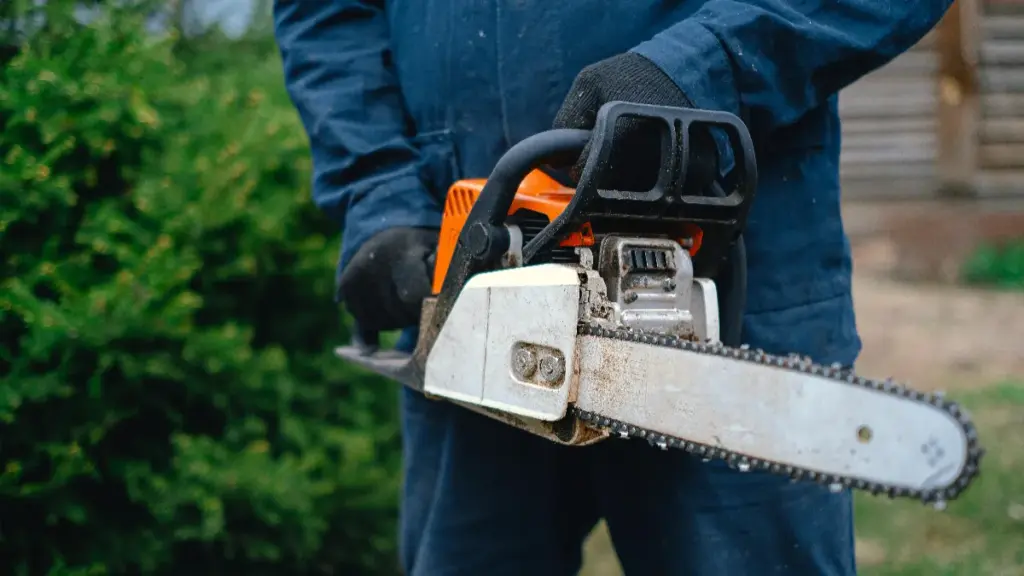
Ayudar a los profesionales a comparar las especificaciones técnicas y las aplicaciones funcionales de estas herramientas., Hemos resumido las diferencias clave a continuación.:
| Atributo | Motosierra con mango superior | Motosierra con mango trasero |
|---|---|---|
| Posición del mango | Empuñadura montada en la parte superior para un control aéreo compacto | Empuñadura trasera detrás del motor con empuñadura delantera para dos manos |
| Rango de peso | Ligero 8-10 libras, reduce la fatiga en las alturas | mas pesado 11-15+ libras, estable para uso en tierra |
| Longitud de la barra guía | más corto 10-16 pulgadas para precisión | Más extenso 14-24+ pulgadas para cortes gruesos |
| Potencia del motor | Más pequeño 25-45 cc, ágil para podar | Más grande 40-60 cc+, potente para talar |
| Maniobrabilidad | Excelente en espacios reducidos y escalada. | Mejor estabilidad en el suelo, gastos generales más voluminosos |
| Riesgo de contragolpe | Más alto debido al peso más ligero y al agarre estrecho | Bajar con palanca y protectores de seguridad. |
| Mejor habilidad de usuario | Solo profesionales avanzados/arbolistas | Principiantes a profesionales. |
| Aplicaciones primarias | trepar a los árboles, entierro, poda aérea | tala, tronzado, leña, limpieza |
| Portabilidad | Compacto, fácil de transportar y almacenar | granelero, requiere más espacio de almacenamiento |
| Gama de precios | gama media, precios a menudo especializados | Varía ampliamente según la potencia del motor. |
Guía de selección: Mango superior versus mango trasero – ¿Cuál es el adecuado para usted??

| Criterios de selección | Elija una motosierra con mango superior si… | Elija una motosierra con mango trasero si… |
|---|---|---|
| Ambiente de trabajo primario | Eres un arbolista certificado que trabaja en altura. (escalada, elevación aérea). | Trabajas principalmente en el terreno.. |
| Tarea clave | Necesitas hacer cortes precisos en lugares estrechos., posiciones incómodas dentro de la copa de un árbol. | Tus tareas incluyen la tala, troncos de tronzado, cortando leña, o limpieza de tormentas. |
| Perfil de usuario | Eres un profesional capacitado y con certificación para trabajos elevados.. | eres propietario de una casa, operador forestal general, o principiante. |
| Prioridad de control | La maniobrabilidad y la compacidad son fundamentales para cortes especializados.. | Máxima estabilidad, aprovechar, y se requiere control a dos manos. |
Para el arbolista profesional y el trabajo en los árboles
Las motosierras de mango superior son herramientas especializadas diseñadas para arbolistas certificados que trabajan en altura.. Su compacto, La construcción liviana y el agarre integrado brindan la maniobrabilidad necesaria para operar dentro de la copa de un árbol.. Este diseño es el estándar de la industria para la poda., entierro, y realizar cortes precisos en espacios elevados y confinados donde una sierra más grande no es práctica.
- Elija una manija superior si su trabajo principal implica escalar u operar desde un elevador aéreo.
- El diseño está optimizado para realizar cortes precisos en posiciones incómodas donde no cabe una sierra convencional de dos manos..
- El funcionamiento seguro de estas herramientas exige formación y certificación adecuadas., ya que el uso con una sola mano aumenta el riesgo operativo.
Para corte en tierra y uso general
Las motosierras con mango trasero son la herramienta definitiva para casi todos los cortes a nivel del suelo.. El diseño proporciona una estabilidad superior., aprovechar, y controlar, convirtiéndolo en la elección correcta para la tala de árboles, trocear troncos en secciones, y cepillo de limpieza. Esta configuración es el estándar para los propietarios de viviendas., administradores de propiedades, y operadores forestales trabajando en terreno firme.
- Elija un mango trasero para tareas como cortar leña, gestión de la limpieza de tormentas, y tala de árboles pequeños y medianos.
- El agarre a dos manos ofrece un mejor control., mejora la seguridad, y reduce la fatiga del operador durante el uso prolongado.
- Este diseño es inherentemente más estable., convirtiéndolo en la opción más segura y efectiva para cualquier usuario en el terreno.
Cómo combinar la herramienta con su aplicación principal
La elección correcta depende completamente de su entorno de trabajo., no en qué sierra es universal “mejor.” Un arbolista profesional tendrá ambos tipos: un mango superior para trepar y un mango trasero para trabajar en el suelo.. Para casi todos los demás, La sierra de mango trasero es la herramienta más versátil y adecuada para las tareas de corte habituales..
- Evalúa tus tareas más habituales: ¿Trabaja constantemente en un árbol o en el suelo??
- Nunca utilice una sierra de mango superior para talar a nivel del suelo.. Su diseño no está optimizado para el apalancamiento o los protocolos de seguridad necesarios para ese trabajo..
- Para compradores y distribuidores B2B, ofrecer ambos modelos le permite atender dos mercados distintos: profesionales certificados y consumidores en general.
¿Por qué elegir las motosierras NEWTOP para su negocio??
NEWTOP proporciona a los socios B2B una solución de fabricación escalable para obtener productos confiables., motosierras de gama media, Combinando componentes de clase mundial con soporte OEM flexible para ofrecer una sólida propuesta de valor en los mercados globales..
Las motosierras NEWTOP ofrecen un rendimiento de nivel profesional tanto en configuraciones de mango superior como de mango trasero., respaldado por más 20 Años de experiencia en herramientas de jardín alimentadas por gasolina.. Nuestros modelos cuentan con mecanizado CNC de alta precisión., carburadores walbro, bujias NGK, y cadenas Oregon para una durabilidad excepcional que supera 200 horas.
Con CE, GS, EPA, y certificaciones EURO II, NEWTOP garantiza el cumplimiento para mercados globales como África, América Latina, y el sudeste asiático. Precios competitivos, Opciones OEM/ODM personalizables, y cadenas de suministro confiables nos convierten en el la mejor opción para distribuidores buscando proveedores de motosierras con 500,000+ capacidad anual.
Crezca fuerte con NEWTOP, su socio confiable en herramientas de jardín. Explora nuestra gama en newtoptools.com. Para más información, contáctanos hoy!
Conclusión
Elegir entre una motosierra con mango superior y una motosierra con mango trasero afecta directamente la seguridad del operador y el desempeño laboral. Una sierra de mango superior es una herramienta especializada para arbolistas capacitados que trabajan en altura., mientras que un modelo de mango trasero proporciona la estabilidad necesaria para el trabajo de base. El uso de la sierra correcta para la aplicación previene accidentes y garantiza un corte eficiente., cortes limpios.
Evalúe el entorno de trabajo típico de su equipo para asegurarse de que su flota de equipos esté equipada adecuadamente. Obtener motosierras de calidad profesional diseñadas para ofrecer durabilidad y rendimiento., explorar el catálogo de productos NEWTOP para las necesidades de tu negocio.
Preguntas frecuentes
¿Por qué la gente usa motosierras con mango superior??
Las motosierras con mango superior se utilizan por su tamaño compacto y maniobrabilidad.. Permiten a los trepadores de árboles realizar cortes precisos en espacios reducidos dentro de la copa de un árbol donde una sierra tradicional sería demasiado engorrosa..
¿Puedes usar una motosierra con mango superior en el suelo??
No recomendado: carece de palanca trasera, Reducen la estabilidad y aumentan los riesgos de contragolpe para tareas terrestres.; reserva solo para trabajos aéreos.
¿Son peligrosas las motosierras de mango superior??
Sí, Se consideran más peligrosas que las sierras de mango trasero debido a su agarre estrecho.. Este diseño hace que el contragolpe sea mucho más difícil de controlar.. Sólo deben ser utilizados por profesionales con la formación adecuada de arbolistas..
¿Cuál es la ventaja de una motosierra con mango trasero??
Las principales ventajas son el control., aprovechar, y seguridad. El espacio entre los mangos permite al operador administrar la potencia de la sierra de manera más efectiva y proporciona una distancia más segura entre la cadena y el cuerpo del operador..
¿Es mejor una sierra con mango superior para escalar??
Sí. Su distribución del peso y su forma compacta están diseñadas específicamente para la escalada.. Se puede conectar fácilmente a un arnés y usarse en los ángulos incómodos que a menudo se requieren cuando se trabaja en un árbol..
¿Qué estilo de mango es mejor para principiantes??
Una motosierra con mango trasero es la única opción para principiantes. Proporciona las características de estabilidad y seguridad necesarias para aprender técnicas de corte adecuadas de forma segura..
