


- Все
- Истории клиентов NEWTOP
- NEWTOP Explorer Hub
- NEWTOP Обзор отрасли
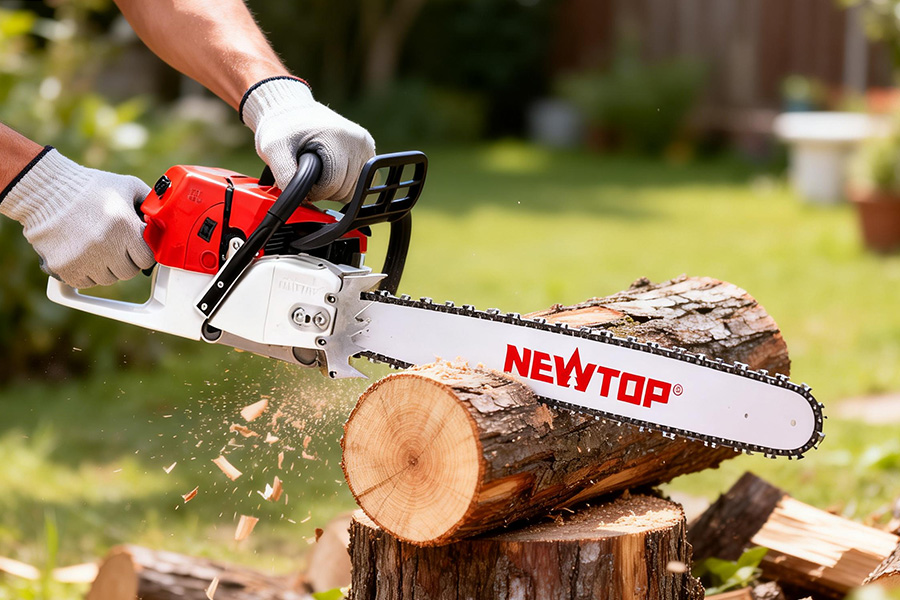
Choosing the best electric chainsaw today is rarely straightforward. Compared with a decade ago, buyers now face far more options, and the old assumption that gasoline chainsaws are always the “professional choice” no longer reflects reality. Electric technology has progressed quickly, changing how many users approach everyday cutting work.
In real-world use, the best electric chainsaw often delivers enough power, comfort, and reliability for most routine tasks. Однако, the right choice still depends on how the tool fits into daily work rather than on headline specifications. This is where many purchasing decisions quietly go wrong.
From years of cooperation with distributors and end users, NEWTOP has seen one clear pattern: users who choose a chainsaw based on actual working habits tend to remain satisfied far longer than those who chase numbers on paper.
Start with How You Actually Use an Electric Chainsaw
Before comparing models or brands, it helps to look honestly at how a chainsaw gets used week after week. Most people do not cut large logs every day. Instead, they handle pruning, firewood cutting, очистка от шторма, and general property maintenance.
For this type of work, convenience becomes important very quickly. Electric chainsaws start instantly, require little preparation, and feel easier to control. Как результат, many homeowners and light-duty users realize that the best electric chainsaw already covers everything they realistically need.
That shift does not stop with homeowners. Landscapers and property managers also increasingly rely on electric chainsaws for routine tasks. Improved motor efficiency and battery systems now support longer working sessions without the frustrations that older electric models once caused.
Why Electric Chainsaws Are Becoming the Practical Choice
Electric chainsaws gain popularity not because they replace gasoline models entirely, but because they simplify everyday work. Users avoid fuel mixing, warm-up time, and pull-start resistance. Over time, these small conveniences noticeably improve the overall working experience.
Noise reduction also plays a larger role than many expect. Quieter operation allows work in residential areas with fewer complaints, while reduced vibration helps limit fatigue during repeated cuts. Combined, these factors make electric chainsaws easier to use for longer periods.
Maintenance further reinforces this trend. Electric chainsaws remove many common gasoline-related issues. Without carburetor adjustments or ignition tuning, users spend more time working and less time fixing equipment. For this reason, many people eventually describe the best electric chainsaw as the one that keeps performing without demanding constant attention.
Battery Chainsaws: When Cordless Convenience Matters Most
Within electric chainsaws, one category has grown especially fast in recent years: battery chainsaws. By eliminating the power cord entirely, battery-powered models offer a much more flexible working experience. Users can move freely around trees, hedges, and garden spaces without worrying about cable length, power outlets, or tangled wires.
For many homeowners and light-duty professionals, this cordless design changes how often a chainsaw actually gets used. Tasks that once felt inconvenient—quick pruning, small cleanups, or routine trimming—become easier to handle. Как результат, battery chainsaws are often chosen not only for their cutting ability, but because they reduce friction between the user and the task itself.
This shift toward cordless operation also influences how manufacturers design newer tools. В НЬЮТОП, portable battery chainsaws focus on balance, weight, and everyday usability rather than maximum output alone. The goal is to make cutting work feel more approachable, especially for users who value control and comfort.
A good example of this approach is the NEWTOP Portable Wireless Lithium Battery Chainsaw NTCS401Li.
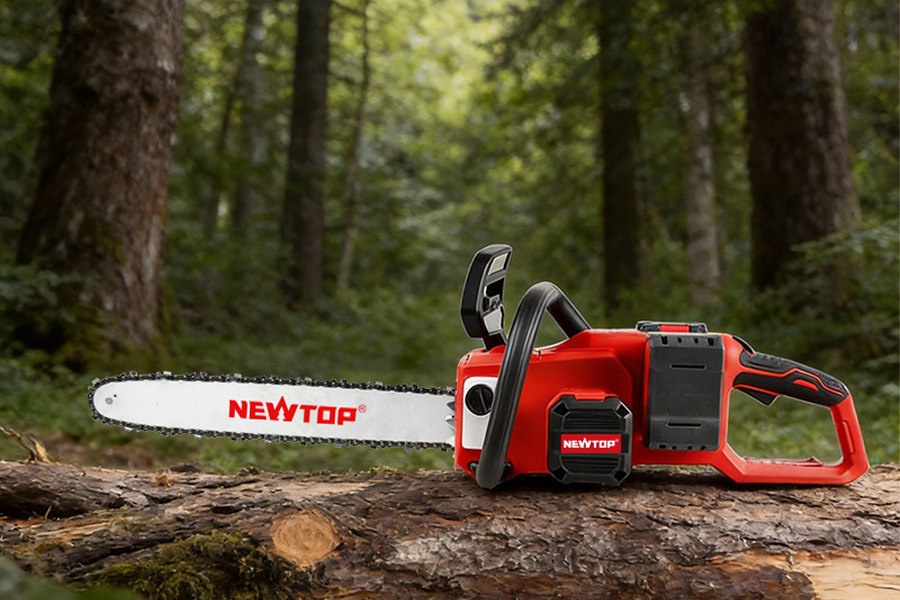
Designed as a lightweight, cordless cutting solution, it delivers clean performance with impressive efficiency for everyday garden and outdoor tasks. Powered by a brushless motor and supported by advanced electronic control, the NTCS401Li offers smooth operation, low noise, and dependable cutting power without the vibration and complexity often associated with larger machines. For users who want the convenience of a battery chainsaw without sacrificing cutting stability, this type of design fits naturally into modern electric chainsaw use.
What Determines Performance in an Electric Chainsaw
Marketing materials often emphasize voltage, chain speed, or bar length. In real working conditions, performance depends far more on how these elements work together.
Motor quality plays a central role. Brushless motors deliver steadier torque and respond better under load, which improves control when cutting harder wood. Power delivery matters just as much. When a chainsaw stalls, the operator must push harder, increasing fatigue and risk. A well-designed electric chainsaw avoids this by maintaining consistent chain movement and letting the tool do the work.
Bar length also deserves a realistic approach. While longer bars look impressive, they often reduce control. In many situations, a slightly shorter bar improves accuracy and actually speeds up the job.
Comfort, Safety, and Reliability in Electric Chainsaws
Comfort influences satisfaction more than many buyers realize. Electric chainsaws usually weigh less, but balance matters just as much as total weight. Poor balance quickly strains wrists and shoulders, especially during angled or overhead cuts.
Modern electric chainsaws include safety features such as chain brakes, trigger locks, and hand guards. These features reduce risk, but safe operation still depends on user habits. Smooth throttle response and predictable cutting behavior make those habits easier to maintain.
Maintenance remains simple but necessary. Chains need sharpening, bars require cleaning, and lubrication systems need attention. Battery care also matters. Users who follow proper charging and storage practices preserve performance and extend service life.
Over time, build quality becomes obvious. Housing strength, internal layout, and heat management determine how well a chainsaw holds up after repeated use. В НЬЮТОП, engineers evaluate electric chainsaws under realistic working conditions, because durability reveals itself through use rather than short demonstrations.
Making the Right Chainsaw Choice
Gasoline chainsaws still dominate heavy forestry work, and that role remains clear. Однако, most users spend far more time on lighter tasks.
In daily scenarios, electric chainsaws includes battery chainsaws now handle the majority of cutting jobs with fewer compromises. Lower noise, easier handling, and simpler upkeep make them the preferred option in many environments. Как результат, many users rely on the best electric chainsaw for everyday work and reserve gasoline models for specific demands.
Choosing the right chainsaw ultimately comes down to honesty about real needs. Instead of chasing maximum specifications, it pays to select a tool that fits actual habits and working conditions. For many users today, electric chainsaws—especially modern battery models—strike that balance, and their role continues to grow as technology improves.
For distributors, professionals, and end users evaluating chainsaws, NEWTOP continues to focus on practical design and dependable performance, because in real work, consistency matters far more than numbers on paper.

When farmers talk about spray performance, they often focus on pump pressure, емкость бака, or engine power. In reality, the small component at the end of the lance—the nozzle—has the greatest influence on how chemicals are distributed, how much drift occurs, and how effective the treatment will be.
Understanding different knapsack sprayer nozzle types is essential if you want better weed control, healthier crops, and lower chemical waste. Whether you operate a few hectares or manage large-scale agriculture, choosing the right spray tip directly affects droplet size, spray pattern, coverage uniformity, and overall efficiency.
on.
This guide explains how knapsack sprayer nozzles work, the major types available, and how to select the right one for your application.
What Is a Knapsack Sprayer Nozzle and Why It Affects Spray Performance
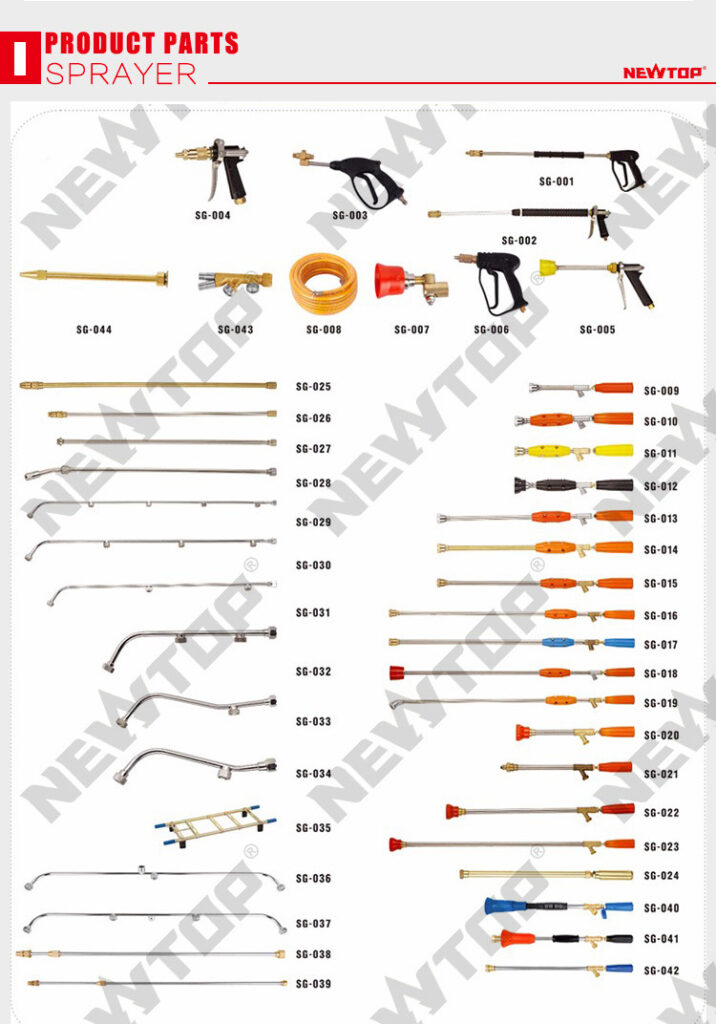
The nozzle is the single most critical component on a knapsack sprayer, directly controlling droplet size, spray pattern, and flow rate to determine application accuracy and drift potential.
A knapsack sprayer nozzle is the precision component that controls how liquid exits the spray lance. It determines:
- Droplet size (fine, medium, coarse)
- Spray pattern (flat, fan, cone, stream)
- Flow rate (liters per minute)
- Spray angle (например, 65°, 80°, 110°)
- Drift potential
Its primary functions directly influence the outcome of the application. In both manual and motorized knapsack sprayers, liquid under pressure passes through a small orifice.
The shape and size of that orifice define how the spray atomizes. For example, a flat fan nozzle produces a thin, evenly distributed sheet of spray ideal for herbicide application. A hollow cone nozzle creates fine droplets that wrap around foliage, improving coverage for insecticides.
If droplet size is too fine, spray drift increases, especially under wind conditions. If droplets are too coarse, coverage becomes uneven and борьба с вредителями may suffer.
How Nozzles Control Droplet Size and Drift
Droplet size is a primary factor influencing spray performance, and the nozzle’s internal design dictates the size of droplets it produces.
Smaller droplets, typically around 100-200 микроны, provide more thorough surface coverage but are highly susceptible to being carried off-target by wind. В отличие, larger droplets over 400 microns are heavier and resist drift, but they may bounce off plant surfaces or provide less uniform coverage.
The Impact of Spray Pattern on Coverage Quality
The spray pattern is the physical shape of the spray as it exits the nozzle. Different patterns are engineered for specific tasks to ensure the chemical is distributed effectively for maximum impact. A flat fan pattern, for instance, provides a uniform, overlapping band of spray ideal for applying herbicides to flat ground. Hollow cone and full cone patterns produce finer droplets in a circular shape, designed to penetrate dense plant canopies when applying insecticides or fungicides. The correct pattern ensures the active ingredient is delivered precisely to the intended target, whether it’s a leaf surface, a single weed, or the soil.
An Overview of Knapsack Sprayer Nozzle Types
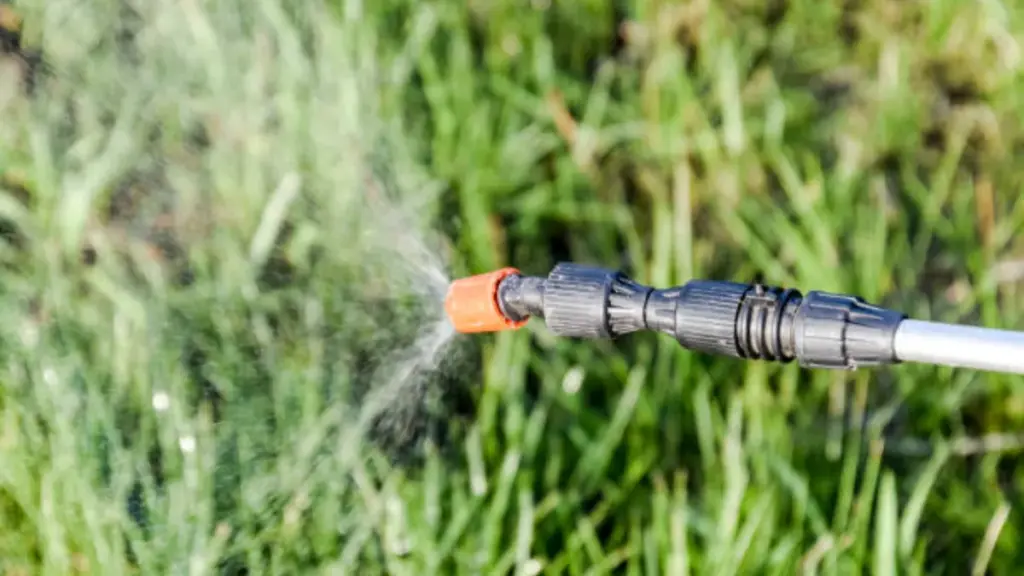
Knapsack sprayer nozzles are generally classified by spray pattern and droplet formation. Here is a complete table summarized common knapsack sprayer nozzle types for your quick refernce:
| Nozzle Type | Definition & Characteristics | Spray Pattern & Angle | Размер капли | Flow Rate (@ 3 bar) | Drift Potential | Type of Treatment | Pros & Cons |
|---|---|---|---|---|---|---|---|
| Flat Fan | Designed for even distribution on flat surfaces with an elliptical spray. | Flat/Fan (65° – 110°) | Fine to Medium | 0.4 – 1.6 L/min | Moderate to High | Broadcast herbicide; uniform coating. | (+) Uniformity (-) Wind drift |
| Hollow Cone | Concentrates liquid on the outer ring; excellent for 3D leaf coverage. | Circular Ring (40° – 90°) | Fine to Very Fine | 0.3 – 1.2 L/min | Very High | Insecticides; canopy penetration. | (+) Проникновение (-) Drift risk |
| Full Cone | Fills the entire circular area; provides high-volume wet spray. | Solid Circle (30° – 120°) | Medium to Coarse | 0.8 – 2.5 L/min | Low to Moderate | Spot treatment; drenching dense brush. | (+) High impact (-) Chemical waste |
| Solid Stream | A single jet for maximum precision and target impact. | Single Dot (0°) | Extra Coarse | 0.2 – 2.0 L/min | Very Low | Targeted spot weeding; crevice cleaning. | (+) Zero drift (-) No coverage |
| Flooding | Wide flat spray at low pressure; creates extra-large droplets. | Extra Wide Fan (110°+) | Extra Coarse | 1.0 – 4.5 L/min | Низкий | Soil herbicides; liquid fertilizers. | (+) Fast coverage (-) Liquid waste |
| Adjustable | Twist-to-change nozzle from a straight stream to a cone pattern. | Variable (0° – 90°) | Fine to Coarse | 0.4 – 1.8 L/min | Variable | General gardening; multi-purpose needs. | (+) Versatile (-) Poor calibration |
| Air Induction | Air-mixed spray creates large air-filled bubbles to reduce drift. | Standard Flat (110°) | Very Coarse | 0.6 – 2.0 L/min | Extremely Low | Pre-emergence herbicide; windy conditions. | (+) Drift control (-) Needs high PSI |
Flat Fan Nozzles for Efficient Herbicide Application
Flat fan nozzles are the industry standard for broadcast herbicide application, providing uniform coverage that can be optimized for drift control and specific chemical requirements.
Uniform Coverage for Standard Applications
Flat fan nozzles are the established standard for applying herbicides in field crops. Their design produces a tapered-edge spray pattern that ensures uniform liquid distribution when the patterns from adjacent nozzles are properly overlapped. This reliable performance leads to consistent and effective weed control, making them the most widely used nozzle type for broadcast treatments.
Drift-Reduction Variants for Precise Control
A key trend in nozzle engineering is the development of flat fan designs that minimize spray drift. These nozzles generate larger droplets that are less susceptible to wind, ensuring the herbicide lands on the target area. This is often achieved through pre-orifice designs that lower the liquid’s exit pressure while maintaining the intended spray pattern. Specialized variants, like even flat-fan nozzles, are also available for banding applications where herbicide needs to be applied in narrow, concentrated strips.
Chemistry-Driven Nozzle Selection
The focus in modern agriculture is shifting away from using a universal nozzle toward selecting a nozzle based on specific herbicide chemistry. Matching the nozzle’s droplet size to the chemical’s requirements is critical for maximizing performance and reducing waste. The right choice depends on the herbicide type, carrier volume, and environmental conditions at the time of application. To aid this process, many manufacturers now provide digital tools and mobile apps that help operators select the optimal nozzle for their exact needs.
Hollow Cone Nozzles for Maximum Foliage Penetration
Hollow cone nozzles create a ring-shaped spray pattern with fine droplets, engineered to penetrate dense crop canopies and deliver fungicides or insecticides to hard-to-reach inner leaves.
How Hollow Cone Nozzles Create a Ring-Shaped Pattern
Hollow cone nozzles use an internal component called a whirlchamber that spins liquid at high speed before it exits the orifice. This centrifugal action forces the liquid into a conical sheet, which forms a distinctive ring-shaped spray pattern with a hollow center. This design concentrates the fine droplets at the edges of the spray for precise application onto foliage.
- Liquid enters a whirlchamber, which generates a high-speed rotational flow.
- The spray exits the orifice in a conical sheet that forms a circular ring pattern.
- Most droplets are concentrated at the outer edges of the ring, leaving the center hollow.
Key Performance Characteristics
The effectiveness of these nozzles stems from their ability to produce fine droplets within an efficient ring pattern. This geometry is optimized for directed coverage at pressures between 40 и 80 psi. These traits work together to ensure deep foliage penetration with minimal chemical waste.
- Produces fine to medium droplets that optimize surface coverage while penetrating dense plant canopies.
- The ring configuration directs the spray toward leaf surfaces rather than saturating the entire volume.
- Operates effectively at 40–80 psi, delivering excellent coverage on the underside of leaves.
Primary Agricultural Applications
These nozzles are best suited for applications where thorough coverage of dense foliage is critical. They excel in orchards, vineyards, and specialty crops, making them a primary choice for targeted fungicide and insecticide treatments where reaching inner and lower leaves is essential for crop protection.
- Ideal for applying fungicides and insecticides in crops like soybeans or fruit trees.
- Effectively penetrates dense canopies to reach inner leaves and their undersides.
- Performance is enhanced when used with air-assist sprayers that drive droplets deeper into the foliage.
Increase Repeat Orders with Reliable Sprayer Spare Parts

Full Cone Nozzles for High-Volume Spray Applications
Full cone nozzles are engineered to deliver a solid, circular spray pattern with evenly distributed droplets, making them the standard for applications requiring complete surface drenching and high-volume output.
How Full Cone Nozzles Achieve Uniform Distribution
Full cone nozzles produce a solid, circular spray pattern by using an internal component, like an S-type or tangential-flow vane, to create a turbulent, swirling flow before the liquid exits the orifice. This mechanism forces droplets to distribute evenly across the entire target area, not just along the edges. The result is consistent, thorough coverage, which makes these nozzles ideal for tasks that require complete wetting or drenching of a surface.
Primary Applications in Agriculture and Industry
These nozzles are critical in any sector where the primary goal is to blanket a surface with a high volume of liquid. Their uniform spray pattern is essential for processes where complete coverage is non-negotiable.
- Dust suppression at industrial sites and quarries.
- Washing and rinsing produce or equipment in agricultural facilities.
- Fire protection systems designed to deliver large volumes of water over a wide area.
- Gas cooling and scrubbing processes in industrial plants.
Advantages for High-Flow Tasks
The main benefit of a full cone nozzle is its ability to maintain a stable, uniform pattern even at high flow rates. This efficiency reduces chemical waste and ensures consistent results in large-scale operations.
- Delivers excellent coverage that minimizes missed spots, reducing the need for repeated applications.
- Engineered for high-volume output without losing spray pattern integrity.
- Modern designs offer improved resistance to clogging, ensuring reliable operation in demanding environments.
Solid Stream (Jet) Nozzles for Precision Spot Treatment
Solid stream nozzles deliver a concentrated liquid jet with maximum impact and minimal atomization, making them the standard for high-precision spot treatments where overspray must be avoided.
Ключевые характеристики: Precision and High Impact
Solid stream nozzles, often called jet nozzles, are engineered to produce a single, coherent stream of liquid. This design concentrates the entire output into a small area, which generates the highest possible impact force among all nozzle types. By minimizing atomization into smaller droplets, the nozzle creates a tight, controlled stream that significantly reduces spray drift and allows operators to target specific points with high accuracy. This makes them ideal for applications that demand precision over broad coverage.
Common Applications for Spot Treatment
The primary use for these nozzles is any task where the chemical must hit a specific target without contaminating the surrounding area. Their accuracy is critical in sensitive environments, with high-value crops, or for specialized cleaning jobs. Key applications include:
- Applying herbicides directly onto individual weeds in a lawn, сад, or crop row.
- Targeting insect pests clustered at the base of a plant or hidden along fence lines.
- Cleaning equipment or washing stubborn debris from hard surfaces with a high-pressure stream.
- Injecting liquid fertilizers or systemic treatments directly into the soil near a plant’s root zone.
Materials and Durability Considerations
The performance and lifespan of a solid stream nozzle depend entirely on the quality and material of its orifice. К 2026, leading manufacturers use highly durable materials to maintain a consistent stream pattern, even when spraying abrasive or corrosive chemicals. A worn or damaged orifice will degrade the stream’s coherence, causing poor targeting and increased drift. Operators must prioritize material quality and regular inspection.
- Orifices are typically constructed from hardened stainless steel, ceramic, or tungsten carbide to resist wear.
- Any damage to the orifice can disrupt the stream, leading to a turbulent, less effective spray.
- Frequent visual checks are necessary to confirm the stream remains straight and non-turbulent.
Limitations and When to Avoid Use
While solid stream nozzles excel at precision work, they are the wrong tool for covering large areas. Their concentrated pattern is inefficient for broadcast spraying, and the high-impact force can be detrimental if used incorrectly. You should avoid using a solid stream nozzle in certain situations.
- It is not practical for applying herbicides or pesticides over an entire field, lawn, or large patch of ground.
- The strong jet can physically damage delicate plant foliage, flowers, or fruit.
- It can cause excessive chemical runoff if the target cannot absorb the liquid volume quickly.
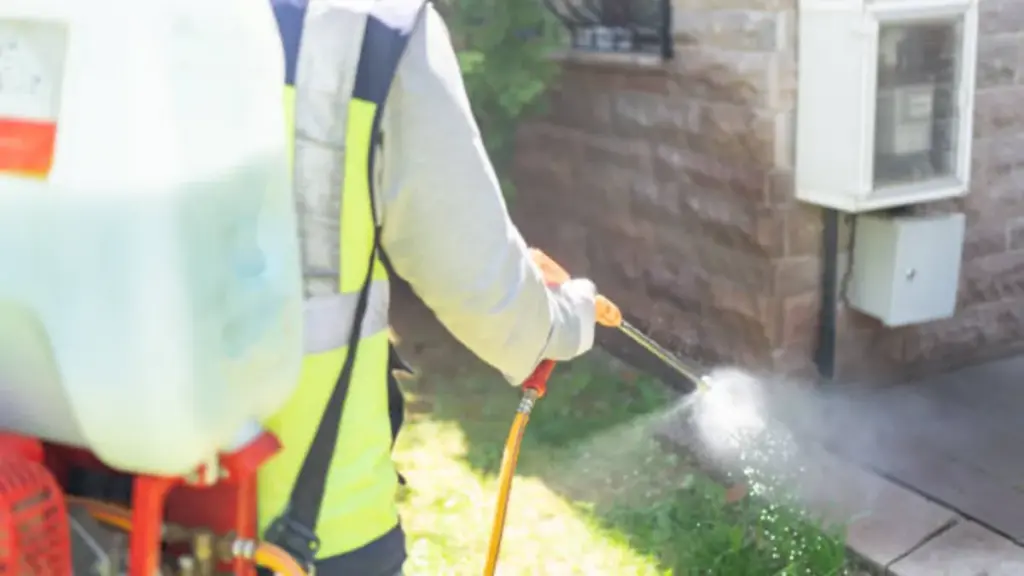
Flooding Nozzles for High-Volume Soil and Ground Treatment
Flooding nozzles are the industry standard for high-volume ground applications, delivering a wide, uniform pattern with exceptionally large droplets to minimize spray drift when applying liquid fertilizers and soil-targeted herbicides.
How Flooding Nozzles Function
Flooding nozzles are engineered to create a wide-angle, fan-like spray pattern by deflecting a solid stream of liquid off a sloped surface. This mechanism produces an exceptionally coarse droplet spectrum, which is less susceptible to wind drift than finer sprays. They are designed to operate at very low pressures, typically between 10 и 30 psi, further reducing the creation of small, drift-prone droplets. The result is maximum ground coverage with minimal off-target movement, making them a cornerstone technology for specific broadcast applications.
Primary Applications in Agriculture
These nozzles are the default choice for applying liquid fertilizers and pre-emergence herbicides directly to the soil. Their high flow rate and uniform distribution pattern make them ideal for treating large fields quickly and effectively. They are commonly used for broadcast applications where the goal is to cover the ground surface evenly rather than penetrate a plant canopy. Their design is also well-suited for tank mixes that combine fertilizers and herbicides for a single-pass application.
Key Advantages for Ground Spraying
The primary benefit of flooding nozzles is their ability to deliver a high volume of liquid while significantly reducing drift. This combination ensures that expensive chemicals reach the soil where they are needed, improving efficacy and environmental safety. The wide pattern also enables faster ground speeds, increasing operational efficiency.
- Excellent Drift Control: Large droplet size and low operating pressure are the two main factors that minimize off-target spray movement.
- Uniform Coverage: The wide, flat pattern ensures that fertilizers and herbicides are distributed evenly across the soil surface for consistent performance.
- High Efficiency: A high flow rate and wide spray swath allow operators to cover more ground in less time.
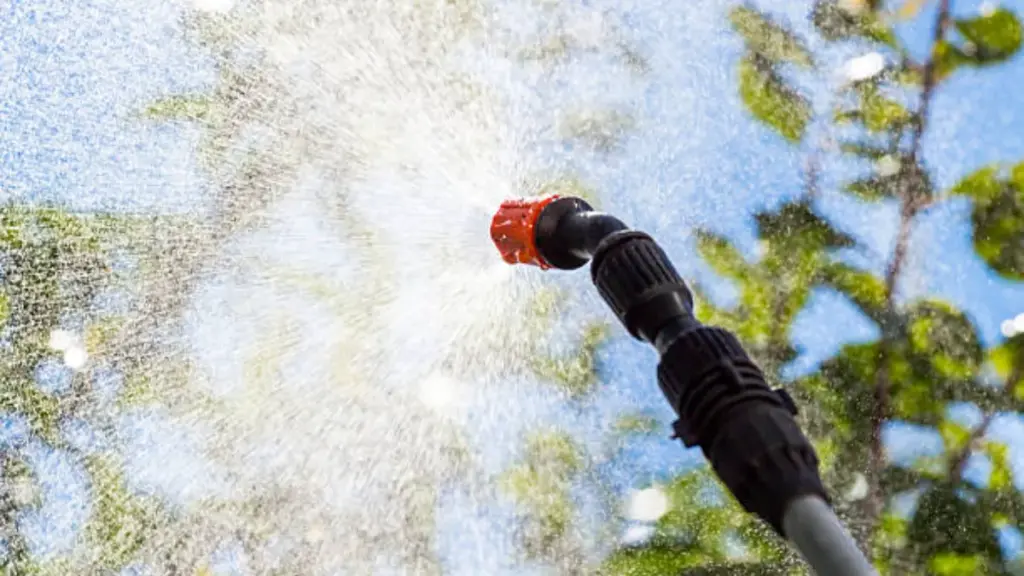
Adjustable Nozzles for Small and Large Farms
Adjustable nozzles provide essential operational flexibility, allowing operators to modify spray patterns from a fine mist to a solid stream to match different chemicals and application needs without changing hardware.
Adapting Spray Patterns from Mist to Stream
The primary function of an adjustable nozzle is its ability to modify the spray pattern in the field. Operators can instantly switch from a wide, fine mist for broad foliage coverage to a concentrated solid stream for spot treatments. This adaptability makes it a highly flexible tool for varied agricultural tasks, controlled by a simple mechanism that requires no tools.
- A simple twist or lever mechanism allows for seamless changes between spray patterns.
- Fine mist settings are ideal for applying fungicides or insecticides over large crop areas.
- Solid stream settings provide precise application for targeting specific weeds or pests, which minimizes overspray and chemical waste.
Versatility Across Different Chemicals and Equipment
Adjustable nozzles are engineered to work effectively with a wide range of agricultural chemicals and can be fitted onto various types of spray equipment. This adaptability makes them a universal solution for farms that manage diverse crops and operate at different scales, from small plots to large commercial fields.
- These nozzles are compatible with herbicides, pesticides, and liquid fertilizers.
- They function on both manual knapsack sprayers and larger, tractor-mounted boom sprayers.
- This versatility reduces the need to purchase and manage multiple specialized nozzles, streamlining inventory and costs.
Key Benefits for Modern Farming Operations
For both smallholders and large agricultural enterprises, adjustable nozzles offer practical benefits that improve cost savings, efficiency, and sustainability. Their design optimizes chemical use while simplifying the entire spraying process, leading to better operational outcomes.
- Reduces chemical waste by allowing operators to match the spray pattern directly to the application target.
- Increases operational efficiency by eliminating the time spent changing nozzles for different tasks.
- Helps farms meet environmental and regulatory standards by providing better control over spray drift.
Air Induction Nozzles: Low-Drift Option for Safer Spraying
Air induction nozzles are engineered to significantly reduce spray drift by creating larger, air-filled droplets that resist wind and improve on-target application.
How Air Induction Nozzles Reduce Spray Drift
Air induction nozzles use a venturi design to mix air with the spray liquid. This process creates larger, heavier droplets that are less susceptible to being carried away by wind, which minimizes off-target spray movement and environmental contamination.
- A venturi mechanism draws air into the nozzle body, infusing it into the liquid stream.
- This action produces coarser droplets with fewer fine, drift-prone particles.
- The resulting larger droplets have enough weight to fall directly onto the target surface, resisting wind effects.
Key Benefits of Using Air Induction Technology
The primary advantage of these nozzles is a dramatic reduction in spray drift, which enhances environmental safety and protects non-target crops. They also allow for effective application in a wider range of conditions, extending the operational window for farmers and groundskeepers.
- Achieves a 75% к 90% reduction in spray drift compared to conventional flat-fan nozzles.
- Maintains high biological efficacy, ensuring herbicides and pesticides work as intended.
- Expands the safe spraying window, allowing for application in less-than-ideal weather conditions.
Optimal Operating Conditions
To achieve the best balance of drift control and target coverage, air induction nozzles should be operated within their recommended pressure range. Proper pressure ensures the venturi system functions correctly without sacrificing the effectiveness of the chemical application.
- Performance is often optimized when operating between 60 и 80 psi.
- Operators must balance drift reduction with the need for adequate foliage penetration and coverage.
- Modern designs offer improved performance across a variety of application scenarios, from broadacre farming to spot treatments.
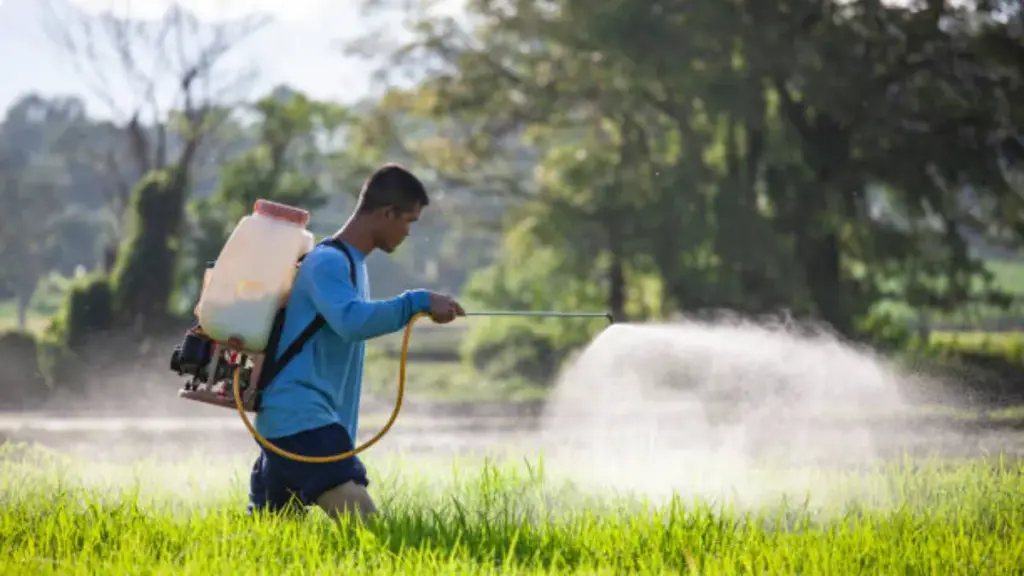
How to Choose the Right Nozzle Type for Your Knapsack Sprayer
Selecting the correct nozzle involves matching the application target with the required droplet size to balance effective coverage against off-target drift, all while operating within the nozzle’s specified pressure range.
| Application Type | Recommended Nozzle Type | Primary Consideration |
|---|---|---|
| Herbicide Application (Broadcast) | Flat Fan or Air Induction | Uniform coverage and low drift (medium-to-coarse droplets). |
| Insecticide / Fungicide (Foliage) | Hollow Cone or Full Cone | Canopy penetration and thorough coverage (fine droplets). |
| Spot Treatment / Basal Spray | Solid Stream or Adjustable | Precision targeting with minimal overspray. |
| High-Volume Ground Treatment | Flooding (FloodJet) | Wide pattern at low pressure with large droplets to reduce drift. |
Selecting the correct nozzle requires considering several practical factors.
First, identify the chemical type. Herbicides typically require flat fan or air induction nozzles. Insecticides and fungicides often perform better with hollow cone tips.
Second, evaluate crop structure. Dense foliage demands finer droplets and better penetration.
Third, consider environmental conditions. Wind speed, temperature, and humidity influence droplet behavior.
Fourth, check flow rate compatibility with your knapsack sprayer. Incorrect nozzle size may cause pressure instability or uneven spray.
Окончательно, think about replacement availability. Standardized nozzles are easier to source and replace in global markets.
Professional applicators often maintain a small set of interchangeable nozzles to adapt to seasonal requirements.
Common Knapsack Sprayer Nozzle Issues and Maintenance Tips
Nozzles wear over time. Abrasive chemicals and suspended particles gradually enlarge the orifice, increasing flow rate and altering spray pattern.
| Common Issue | Primary Cause(s) | Key Maintenance Action |
|---|---|---|
| Clogging & Blockages | Debris, chemical residue, undissolved particles. | Flush the system with clean water after each use and use a soft brush for cleaning orifices. |
| Corrosion & Physical Wear | Aggressive chemicals and abrasive particles in the spray solution. | Select nozzles made from chemical-resistant materials and inspect for physical damage before use. |
| Inconsistent Pressure & Leaks | Worn gaskets, O-rings, or improper tightening of components. | Replace seals and O-rings annually and ensure all connections are secure but not overtightened. |
| Premature Failure | Lack of a consistent, preventative maintenance routine. | Implement a post-use cleaning protocol and conduct thorough seasonal inspections. |
Why NEWTOP’s Universal Nozzle Kits Fit Your Global Needs
As a professional outdoor power equipment manufacturer since 2003, НЬЮТОП develops knapsack sprayers designed for international markets.
NEWTOP nozzle kits are engineered to be compatible with most standard knapsack sprayers used in Africa, Латинская Америка, Юго-Восточная Азия, и Восточная Европа. Each kit includes multiple nozzle types, allowing farmers and distributors to serve diverse crop applications.
If you are a distributor, agricultural importer, or regional brand owner seeking reliable knapsack sprayer accessories, we offer flexible MOQ, sample support within 7–10 days, and global logistics solutions. For product inquiries, contact us directly.
Заключение
Choosing the correct knapsack sprayer nozzle is fundamental to effective and responsible chemical application. The right nozzle ensures precise delivery to the target area, maximizing the impact of your herbicides or pesticides while minimizing costly waste. This leads to better crop protection, reduced operational costs, and safer spraying conditions.
If you manage diverse spraying tasks, having a versatile set of high-quality nozzles is essential for maintaining efficiency. Explore NEWTOP’s universal nozzle kits to see how you can simplify inventory and prepare your team for any application.
Часто задаваемые вопросы
What are the different types of knapsack sprayer nozzles?
The main types include flat fan, hollow cone, full cone, solid stream (jet), flooding, adjustable, and air induction nozzles. Each produces different spray patterns and droplet sizes for specific agricultural applications.
Which nozzle is best for weed killer?
Flat fan nozzles are generally recommended for herbicide application because they provide uniform coverage across ground surfaces. In windy conditions, air induction flat fan nozzles reduce drift.
How do I read the color codes on sprayer nozzles?
Nozzle color codes indicate the flow rate at a standard pressure, according to the ISO 10625 international standard. Each color represents a specific output volume, allowing you to select the right nozzle for your desired application rate. For example, a yellow nozzle has a lower flow rate than a blue one, ensuring consistent spraying performance.
How often should sprayer nozzles be replaced?
Replacement depends on usage intensity and chemical type. In professional farming, nozzles are inspected each season and replaced when flow rate increases significantly or spray pattern becomes uneven.
Can I use different brand nozzles on my knapsack sprayer?
In many cases, yes—if the thread size and connection type match. Universal fittings allow cross-brand compatibility, but checking specifications is important.
What nozzle produces the least drift?
Air induction (AI) nozzles produce the least amount of drift. They are specifically engineered to create large, air-filled droplets that are heavier and less susceptible to being carried by wind. This technology is superior for drift control, making AI nozzles the safest choice for applying herbicides near sensitive plants.
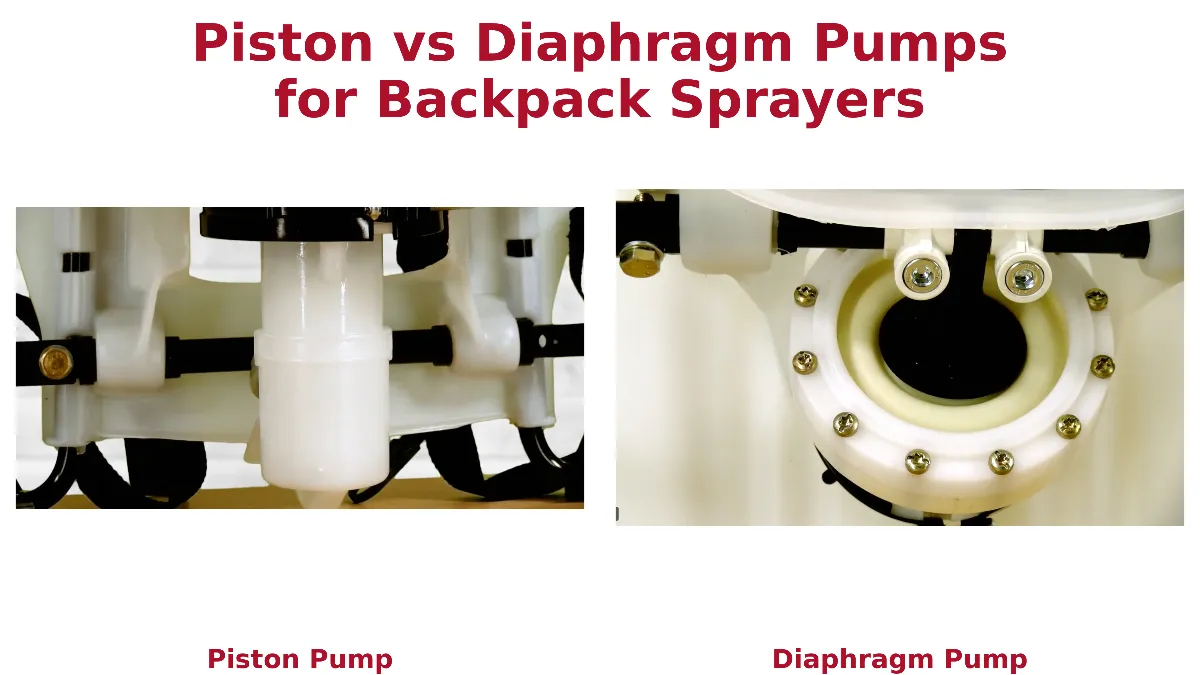
Choosing the right backpack sprayer piston vs diaphragm pump is a critical decision that directly impacts operational uptime, chemical costs, and worker safety. A mismatch between the pump mechanism and the chemical agent leads to premature seal failure, inconsistent application pressure, and unscheduled downtime, turning a routine task into a costly operational risk.
This guide provides a clear technical comparison of both pump systems. We will analyze the core mechanics of piston and diaphragm designs, evaluate their performance against critical metrics like pressure output and chemical compatibility, and outline the maintenance demands for each. Use this breakdown to standardize your equipment selection process and ensure you deploy the most durable and efficient pump for every job.
What Is a Backpack Sprayer Pump and Why It Matters
The pump is the core component of any backpack sprayer, directly controlling pressure, chemical compatibility, and overall application performance.
The Core Function of a Backpack Sprayer Pump
A backpack sprayer pump is the mechanical system that creates pressure inside the spray tank and pushes liquid through the hose, lance, and nozzle. Whether you are applying pesticides, гербициды, удобрения, disinfectants, or public health chemicals, consistent pressure ensures uniform spray coverage and proper droplet size. Backpack sprayers typically use one of two pump systems: piston pump and diaphragm pump.
- Creates pressure to atomize and propel fluids.
- Dictates the spray reach, pressure level, and droplet size.
- Determines which types of chemicals the sprayer can safely handle.
Low or unstable pressure leads to uneven application, chemical waste, and crop damage. Excessively high pressure can cause misting drift and environmental concerns. Therefore, selecting the correct pump type is a practical decision that impacts field performance and product reliability.
For a detailed breakdown of different models and their structural variations, explore our comprehensive guide on the types of knapsack sprayer to find the ideal base configuration for your operations.
How a Piston Pump Works in a Backpack Sprayer
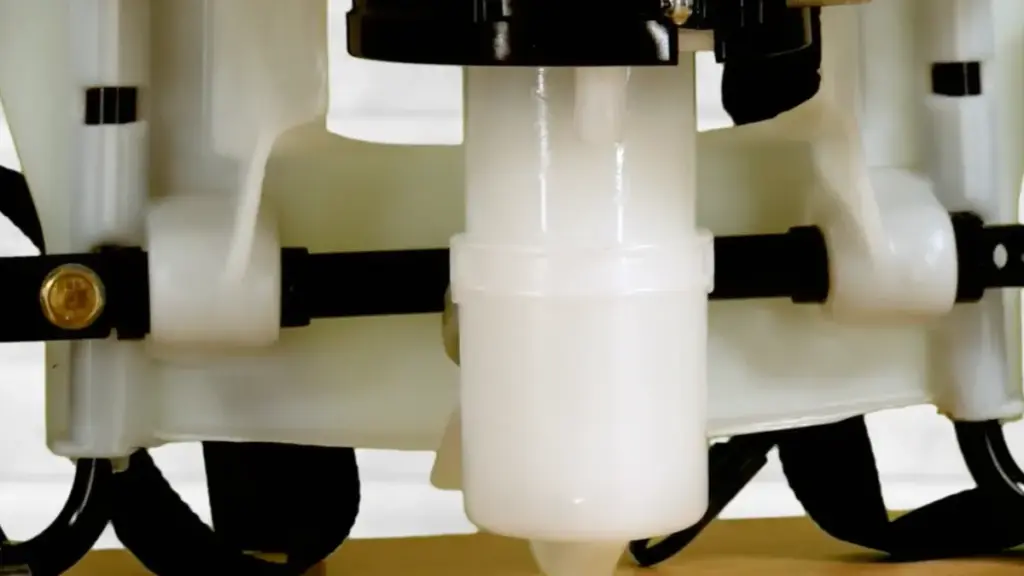
A piston pump uses a reciprocating piston inside a cylinder, leveraging one-way check valves to draw in fluid and then forcefully eject it under high pressure.
Piston pumps use a cylinder and piston mechanism to build high pressure, often reaching up to 90 PSI. The piston pump operates through a simple, reciprocating action. A piston moves up and down inside a sealed cylinder, using one-way valves to draw fluid from the tank and push it toward the spray nozzle.
On the upstroke, the piston creates a vacuum that pulls liquid from the tank through an inlet check valve into the pump cylinder.
On the downstroke, the piston pushes down, closing the inlet valve and forcing the trapped liquid out through an outlet check valve. The operator’s manual pumping of the sprayer handle drives this cycle, creating a pressurized flow for spraying.
How a Diaphragm Pump Works in a Backpack Sprayer
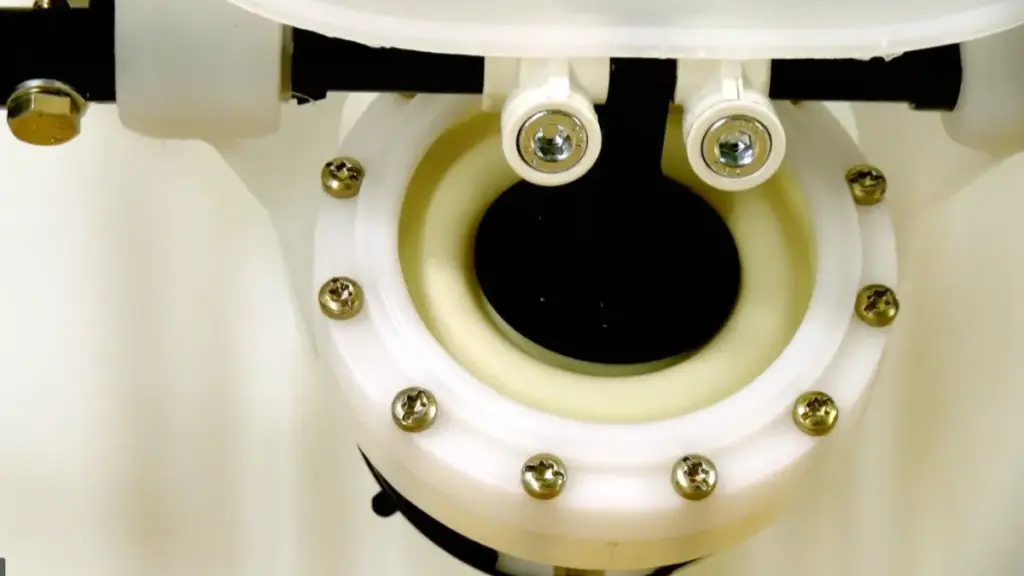
A diaphragm pump uses a flexible, oscillating membrane to move fluid, a design that isolates mechanical components from the chemical solution and allows for handling abrasive or corrosive materials.
A diaphragm pump operates using a flexible, circular membrane that moves back and forth within a sealed chamber. This membrane, often fabricated from chemically resistant elastomers like Viton, creates a seal that separates the mechanical drive components from the fluid being pumped. As the diaphragm moves back and forth, it alters the volume of the pump chamber, directing fluid through a series of one-way valves.
- A flexible elastomer diaphragm is sealed against the pump housing, creating a pumping chamber.
- As the diaphragm pulls back, it increases the chamber’s volume, creating a vacuum that draws liquid in through an inlet valve.
- When the diaphragm pushes forward, it reduces the chamber’s volume, pressurizing the liquid and forcing it out through an outlet valve.
Power Your Profits with Durable Agricultural Machinery
A Comparison of Piston Pump vs. Мембранный насос
To assist in your selection process, we have summarized the primary technical differences between piston and diaphragm pumps below.
| Особенность / Метрика | Piston Pump System | Diaphragm Pump System |
|---|---|---|
| Maximum Pressure | Высокий (До 90+ PSI) | Typically around 60 PSI |
| Химическая совместимость | Liquid concentrates, clear water-based solutions | Wettable powders, bleach, abrasive & corrosive formulas |
| Mechanism Design | Internal sliding piston with mechanical cylinder seals | Reciprocating flexible membrane (Viton/Santoprene) |
| Best Applications | Сады, tall tree care, fine misting requirements | Commercial pest control, industrial disinfection, сельское хозяйство |
| Durability Profile | Sensitive to grit; requires strictly filtered liquids | Isolated drive system; highly resistant to internal wear |
| Maintenance Profile | Frequent but straightforward seal/O-ring replacement | Infrequent service; involves membrane and valve check |
| Reach & Распыление | Superior reach and finer droplet atomization | Standard reach; optimized for controlled drift |
Pressure Output and Spray Performance
Piston pumps are engineered for high-pressure work, creating a fine mist that provides uniform coverage. Diaphragm pumps run at lower pressures, producing larger droplets that reduce drift. This makes them a better fit for targeted applications where overspray is a primary concern.
- Piston pumps generate much higher pressure, often exceeding 90 psi, which is needed to hit distant targets and create fine, atomized sprays.
- Diaphragm pumps typically operate around 60 psi, resulting in larger, heavier droplets that minimize wind drift.
- The choice directly affects spray quality. The higher pressure from a piston pump gives thorough coverage for insecticides, while the lower pressure from a diaphragm pump is better for applying herbicides without harming nearby plants.
Chemical Compatibility and Corrosion Resistance
Diaphragm pumps have superior compatibility with abrasive and corrosive chemicals. Many agricultural fungicides and insecticides are formulated as wettable powders (WP) or water-dispersible granules (WDG). These solutions contain small, abrasive particles. In a piston pump, these particles become trapped between the piston seal and the cylinder wall, leading to scoring and loss of compression.
Однако, diaphragm’s enclosed design shields mechanical components from direct liquid contact, preventing accelerated wear. Piston pumps are far more vulnerable to damage when used with gritty or harsh formulas.
- The flexible diaphragm isolates the pump’s moving parts from the chemical solution, making it highly resistant to abrasive materials like wettable powders and corrosive liquids.
- In a piston pump, the chemical flows directly over the piston and its seals. This increases the risk of abrasion and premature wear, especially with non-liquid formulas.
- For spraying bleach solutions, suspensions, or other aggressive chemicals, a diaphragm pump delivers greater reliability and a longer service life.
Durability, Wear Parts, and Maintenance
Diaphragm pumps are generally more durable and require less frequent maintenance. Their simple design has fewer high-friction parts. Piston pumps need more regular servicing of seals and cylinders but are often designed for quick field repairs.
- Diaphragm pumps have a longer operational lifespan between services because there is no direct friction between moving parts and cylinder walls, minimizing mechanical wear.
- Piston pumps rely on seals that wear down from friction and chemical exposure. These require periodic replacement to maintain pressure.
- While diaphragm pump repairs can be more complex, their maintenance intervals are much longer. Piston pumps need more frequent attention but are often easier for users to service quickly.
Best Applications for Piston Pump Backpack Sprayers

Piston pump sprayers are the standard for high-pressure, precision applications like spot treatments and pest control, where a fine mist is required for effective coverage with liquid-only formulations.
Spot Treatment and Weed Control
Piston pumps excel at delivering herbicides with precision. Their ability to produce a fine, targeted mist at high pressure ensures that chemicals are applied directly to weeds without drifting onto nearby desirable plants. This consistent spray pattern is ideal for controlling invasive species in garden beds, lawns, and along fence lines. The high pressure also helps penetrate dense foliage, ensuring the herbicide reaches its target effectively.
Pest and Disease Management
When applying insecticides and fungicides in gardens, small orchards, or greenhouses, a piston pump provides the fine droplet size needed to evenly coat leaves and stems. This fine mist adheres well to plant surfaces, maximizing the effectiveness of the treatment and ensuring comprehensive plant protection. The technology is well-suited for treating ornamental plants, vegetables, and fruit trees where thorough coverage is essential for disease prevention.
Lawn Care and Turf Management
Maintaining healthy turf often requires applying liquid fertilizers, гербициды, and growth regulators. Piston pump sprayers offer the control and consistent output necessary for uniform application across lawns. The high-pressure spray ensures even distribution of liquid treatments, preventing patchy or uneven results. Its portability makes it a practical tool for managing turf in residential yards, commercial properties, and athletic fields.
Best Applications for Diaphragm Pump Backpack Sprayers

Diaphragm pumps are the go-to choice for applications involving abrasive powders, mildly corrosive solutions like bleach, and low-pressure weed control where chemical resistance and minimal drift are critical.
Applying Herbicides with Abrasive or Wettable Powders
Diaphragm pumps are engineered to handle abrasive formulas and wettable powders that quickly damage piston pump seals. The flexible diaphragm isolates these particles from the pump’s core mechanics, preventing premature wear and clogs. This design allows abrasive materials, such as kaolin clay carriers in powdered chemicals, to pass through without scoring internal components. The pump maintains consistent performance when spraying suspensions, ensuring an even and effective application of active ingredients across the target area.
Spraying Bleach Solutions or Mildly Corrosive Chemicals
The chemical-resistant materials used in diaphragm pumps make them the right choice for applying disinfectants, bleach solutions, and other mildly corrosive liquids. Internal components are protected from chemical degradation, which significantly extends the sprayer’s service life. This makes them suitable for sanitation tasks, mold remediation, or applying specific agricultural treatments that would corrode a standard piston pump. The sealed pump chamber also minimizes the risk of leaks when working with harsh chemicals, improving operator safety.
Low-Pressure, Targeted Weed Control on Sensitive Plots
Diaphragm pumps operate at a lower pressure range, which is an advantage for applications requiring minimal spray drift. This allows for precise, close-range treatment of weeds in gardens or near sensitive, non-target plants. The gentle application pressure produces larger droplets, reducing the risk of herbicides drifting onto desirable flowers, vegetables, or ornamental shrubs. This makes the pump highly effective for spot-treating weeds on lawns and along fence lines where accuracy is more important than high-pressure coverage.
Piston or Diaphragm Pump: Which Type Wins for Your Needs?
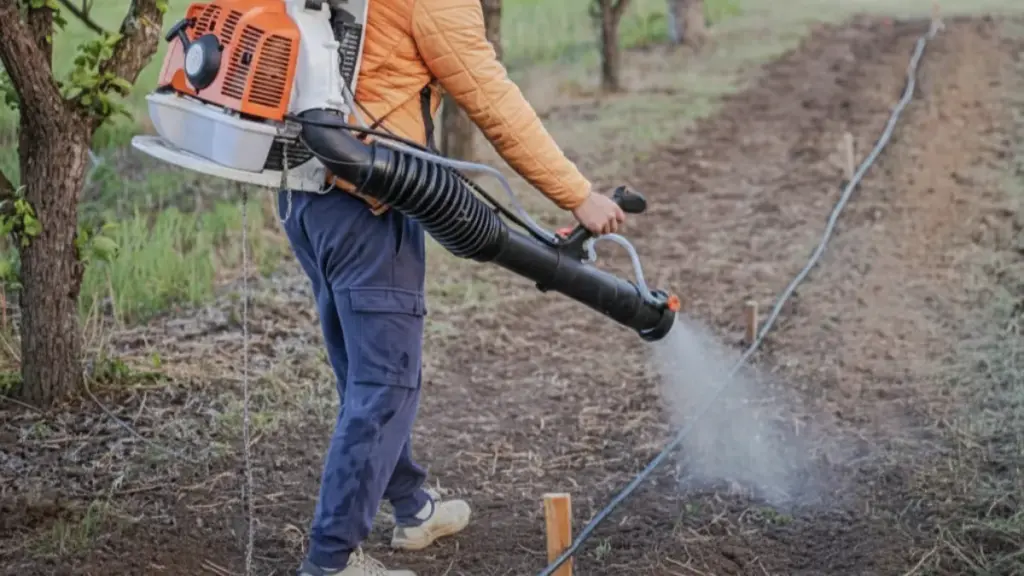
The choice depends entirely on the chemicals you spray; piston pumps excel with high-pressure, low-abrasion liquids, while diaphragm pumps provide superior durability for abrasive or corrosive formulas.
Choose a Piston Pump for High-Pressure, Fine-Mist Applications
A piston pump is the right choice when your work requires a fine, consistent mist delivered at higher pressures. It excels with low-abrasion liquid formulas like standard herbicides and insecticides, making it a go-to for uniform foliage coverage. This pump type delivers pressures up to 90 PSI, which is ideal for creating a fine spray that evenly coats plant surfaces. It is best suited for non-abrasive, water-soluble chemicals to avoid premature wear on the piston cylinder. Using wettable powders or aggressive chemicals can score the cylinder and degrade seals, leading to pressure loss and eventual failure.
Select a Diaphragm Pump for Chemical Versatility and Durability
A diaphragm pump offers superior durability and is compatible with a wider range of chemicals, including abrasive powders and corrosive solutions. Its enclosed design protects critical components from direct contact with the spray material, making it a reliable workhorse for multi-purpose use. This design allows it to handle abrasive materials like wettable powders and bleach-based solutions without significant wear. By sealing the pump mechanism from the chemicals, it reduces corrosion and extends the equipment’s service life. It operates at a lower pressure, typically up to 60 PSI, which is sufficient for most general-purpose spraying jobs.
Why NEWTOP Precision CNC Machining Leads in Pump Durability
NEWTOP achieves superior pump durability by integrating in-house CNC machining for critical components with automated assembly, ensuring every unit meets precise engineering specifications for long-term reliability.
As a professional backpack sprayers and foggers manufacturer founded in 2003, НЬЮТОП combines long-term industry experience with advanced production technology. С более чем 20 years in agricultural and garden machinery manufacturing, the company focuses on building durable, field-ready spraying equipment for global markets.
NEWTOP uses upgraded PA66 reinforced with 30% glass fiber for key pump components, improving structural strength, chemical resistance, and dimensional stability. Кроме того, high-precision CNC machining ensures tight tolerances, smoother internal surfaces, and consistent sealing performance.
Заключение
Choosing between a piston and a diaphragm pump is a critical decision for your backpack sprayer fleet. The right pump ensures compatibility with your chemicals, reduces costly downtime from component failure, and delivers consistent spray performance. This choice directly impacts both operator efficiency and the lifespan of your equipment.
If you are experiencing frequent pump failures or pressure loss, evaluate your current equipment against your application needs. For pump components engineered to withstand demanding chemicals and reduce maintenance cycles, see how our precision parts can improve your sprayer’s durability.
Часто задаваемые вопросы
Is a piston or diaphragm pump better for a backpack sprayer?
It depends on the application. Piston pumps deliver higher pressure for fine spraying, while diaphragm pumps offer better chemical resistance and durability when handling corrosive or abrasive solutions.
Can a piston pump handle bleach or powders?
It is not advisable. Bleach causes rapid degradation of standard rubber seals, and powders act as an abrasive that scores the cylinder walls. Diaphragm pumps are the engineered solution for these substances.
Why is my backpack sprayer pump losing pressure?
Common causes include worn seals, cracked diaphragms, clogged valves, air leaks in the hose, or debris blocking the nozzle. Regular maintenance and timely replacement of wear parts solve most pressure issues.
How often should I replace my sprayer pump seals?
Seal replacement frequency depends on usage intensity and chemical type. In heavy agricultural use, inspection every season is recommended. Replace seals when pressure drops or leakage occurs.
Which pump type is easier to prime?
Piston pumps are generally easier to prime because of their direct suction mechanism. Однако, properly designed diaphragm pumps with quality check valves also prime efficiently.
What is the maximum PSI for a diaphragm pump?
A standard diaphragm pump in a backpack sprayer typically reaches a maximum pressure of 60 PSI. This pressure is ideal for applications requiring larger droplets to reduce drift, such as applying wettable powders or herbicides.

В мире сельского хозяйства и профессионального ландшафтного дизайна, термины туманообразователь и распылитель часто используются как взаимозаменяемые., однако они представляют собой две принципиально разные технологии. Это критично для дистрибьюторов, подрядчики, и импортерам сельскохозяйственной техники, чтобы понять механическую структуру, физика элементарных частиц, и эффективность применения каждого.
В этом руководстве представлена подробная техническая информация о туманообразователях и распылителях., помогая вам определить, какой инструмент лучше всего подходит для ваших конкретных экологических и эксплуатационных потребностей.
Что такое фоггер? Определение и принцип работы
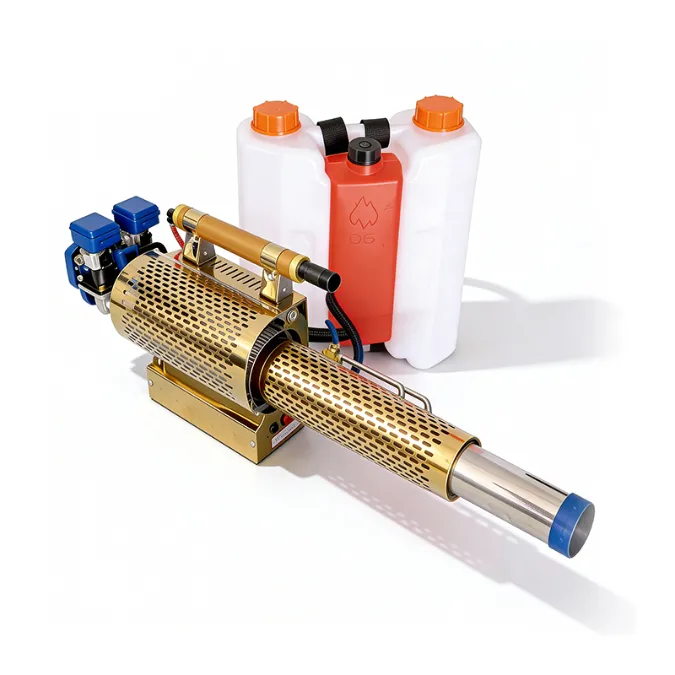
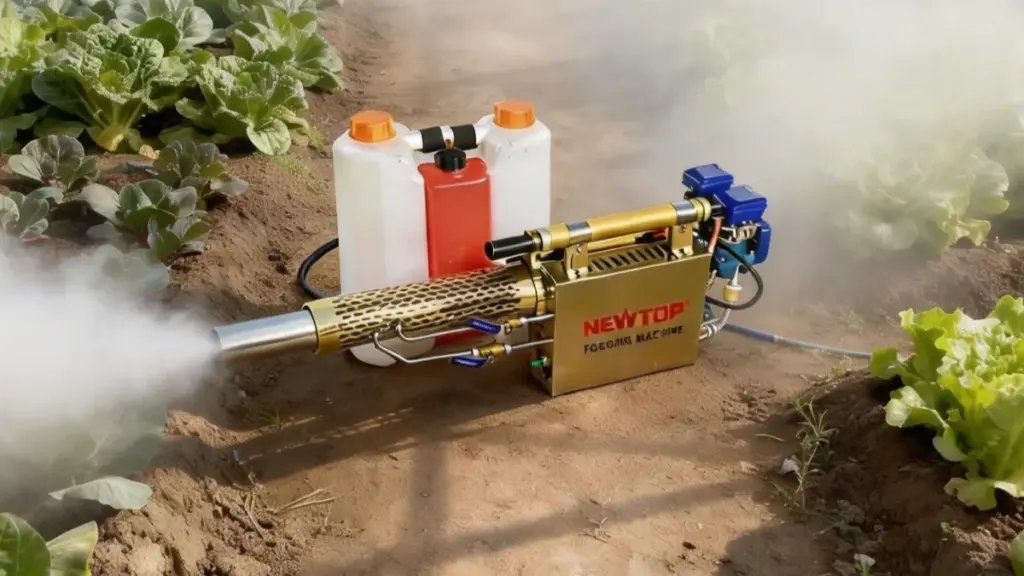
туманообразователь предназначен для преобразования жидких составов в ультрамелкие капли, которые ведут себя скорее как аэрозоль, чем традиционный спрей.. Основная цель туманообразователя — обработка пространства, а не покрытие поверхности..
Определение фоггера
Туманообразователь — механическое устройство, превращающее жидкие растворы в мелкий туман., или аэрозоль, состоит из частиц, обычно находящихся под 50 микрометры в диаметре. Этот аэрозоль остается во взвешенном состоянии в воздухе в течение длительного периода времени., позволяя ему расположиться без прямого применения на горизонтальной поверхности, вертикальный, и другие труднодоступные поверхности. Способ эффективен для дезинфекции больших площадей., борьба с вредителями, и увлажнение.
- Преобразует жидкость в переносимый по воздуху аэрозоль или туман..
- Генерирует чрезвычайно мелкие частицы (под 50 микрометры) которые остаются подвешенными в воздухе.
- Обеспечивает широкий охват, позволяя каплям оседать как на горизонтальных, так и на вертикальных поверхностях..
Большинство профессиональных туманщиков делятся на две категории.: термические туманообразователи и ULV холодные туманообразователи. Несмотря на разные механизмы распыления, оба стремятся производить чрезвычайно маленькие капли, обычно ниже 50 микроны.
Принцип термического запотевания
Термальные туманообразователи используют источник тепла., часто работает на бензине или пропане, быстро испарять химический раствор. Устройство впрыскивает жидкость в высокоскоростной поток горячего газа., вызывая немедленное испарение. Когда этот горячий пар выбрасывается и смешивается с более холодным окружающим воздухом, он конденсируется в плотную, видимый туман из ультрамелких частиц. Этот процесс идеально подходит для проникновения в густую листву и обработки больших открытых пространств от вредителей..
- Использует источник тепла для создания высокоскоростного потока горячего газа..
- Впрыскивает жидкий состав в горячий газ, вызывая немедленное испарение.
- Создает толстый, видимый туман, когда пар конденсируется в более прохладном воздухе.
- В основном используется для наружных работ, таких как борьба с комарами и вредителями..
Сверхмалый объем (ВОЛК) Принцип холодного тумана
Холодные туманообразователи, включая сверхмалый объем (ВОЛК) модели, используйте воздух под высоким давлением, чтобы разбить жидкость на мельчайшие капли без применения тепла. Этот механический процесс дает операторам точный контроль над размером частиц, одновременно защищая химическую целостность раствора.. Потому что он работает без тепла, этот метод более безопасен для применения внутри помещений, например, для дезинфекции больниц., школы, и коммерческие здания, где часто используются термочувствительные химические вещества.
- Полагается на высокое давление воздуха для распыления жидкости на мелкие капли..
- Работает без нагрева, защита целостности химического раствора.
- Технология ULV обеспечивает эффективное применение с минимальным объемом жидкости..
- Подходит для дезинфекции помещений в больницах., школы, и сельскохозяйственные объекты.
Передовые технологии туманообразования
Современное оборудование для туманообразования теперь включает в себя такие технологии, как электростатический заряд и наноатомизация, для улучшения покрытия и безопасности.. Электростатические туманообразователи придают положительный электрический заряд аэрозольному туману., заставляя капли обволакивать и прилипать ко всем сторонам поверхности, обеспечивая полное покрытие на 360 градусов.. Наноатомайзеры производят еще более тонкий, более сухой туман, который можно безопасно использовать вокруг чувствительной электроники и тканей, не вызывая повреждения от влаги..
- Электростатическое запотевание: Заряжает частицы, поэтому они притягиваются к поверхностям., обеспечение охвата на 360 градусов и сокращение химических отходов.
- Нано-атомайзеры: Создайте еще более изысканный, более сухой туман, который предотвращает повреждение от влаги, полезен для дезинфекции деликатного оборудования и текстиля.
- Эти современные технологии все чаще применяются в здравоохранении и на транспорте для повышения эффективности..
Что такое опрыскиватель? Определение и принцип работы
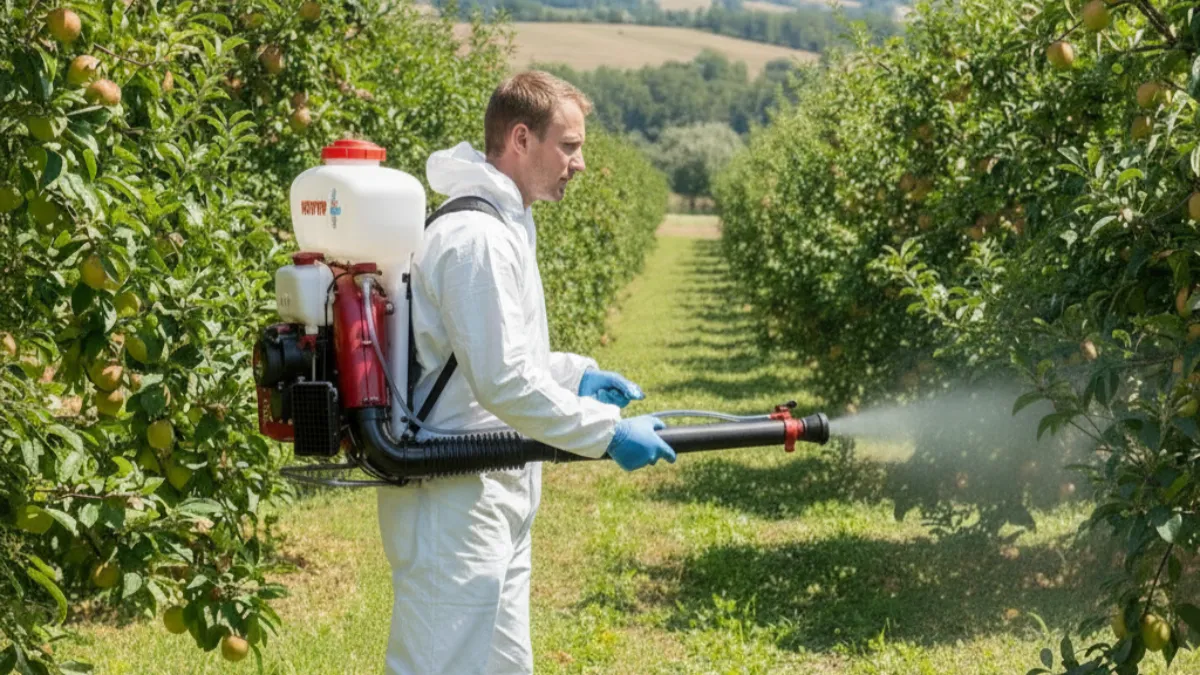
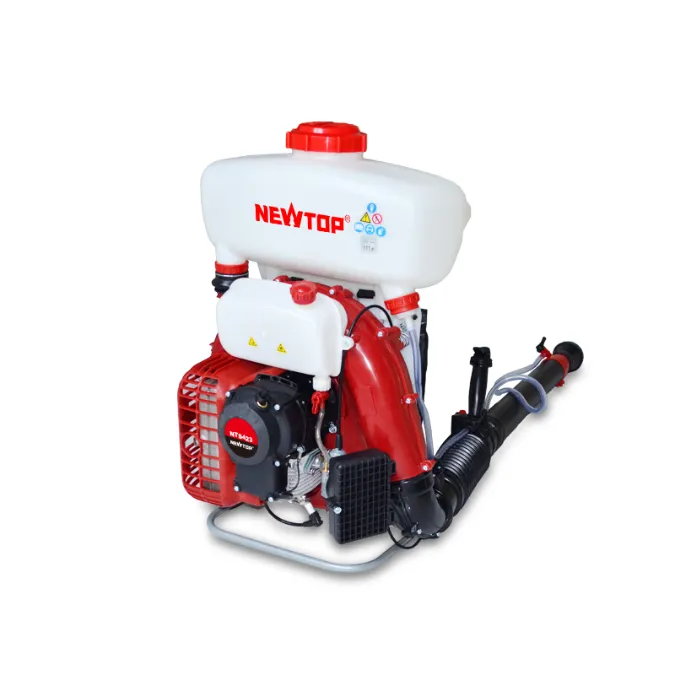
Распылитель — это устройство с приводом от давления, которое распыляет жидкость через сопло., обеспечение контролируемого и равномерного распределения таких агентов, как пестициды или удобрения, на целевой поверхности..
Основная функция и определение
Опрыскиватель — это механическое устройство, предназначенное для нанесения жидких растворов, таких как пестициды., гербициды, или удобрения в контролируемом виде мелких капель. В отличие от дымохода, который направлен на приостановку, опрыскиватель предназначен для целевого внесения, например, в сельском хозяйстве., садоводческий, или санитария.
- Применяет жидкие агенты, включая пестициды., удобрения, и чистящие растворы.
- Создает контролируемое распыление для равномерного и эффективного покрытия..
- Необходимое оборудование в сельском хозяйстве, ландшафтный дизайн, и сектора общественного здравоохранения.
Ключевые компоненты и механизм
Распылитель работает путем создания давления жидкости, хранящейся в резервуаре, и пропускания ее через специальную насадку.. В ходе этого процесса жидкость распыляется в виде струи.. Основные компоненты — бак, насос, и сопло — работают вместе, чтобы контролировать скорость потока, размер капли, и форма распыления.
Давление можно создавать вручную., механически через мембранные или поршневые насосы, или бензиновыми или электродвигателями. Жидкость подается через сопло, где размер капли определяется геометрией сопла и уровнем давления.
- Резервуар содержит жидкий раствор.
- Насос создает давление, необходимое для перемещения жидкости..
- Форсунка распыляет жидкость на капли и формирует струю..
- Триггер или клапан контролирует начало и остановку распыления..
Приложения и современные достижения
К 2026, Технология распыления продвинулась вперед, чтобы отдать приоритет точному нанесению, сокращение химических отходов, и улучшенная эргономика оператора. Инновации в конструкции форсунок и насосных системах позволяют лучше охватить крупномасштабное сельское хозяйство и специализированное коммерческое использование..
- Используется для защиты растений., оплодотворение, и борьба с вредителями.
- Современные конструкции ориентированы на равномерное распределение для максимизации эффективности..
- Технологические усовершенствования повышают скорость работы и уменьшают дрейф химикатов..
- Эргономичные функции интегрированы для повышения комфорта профессиональных пользователей..
Связанное чтение: Типы ранцевых опрыскивателей: Выбор лучшей модели для вашей фермы
Увеличьте свою прибыль с помощью надежного оборудования
Разница между Фоггер и распылитель: Механический обзор
Фундаментальное механическое различие заключается в распылении и доставке — туманообразователи создают взвешенный туман для широкого спектра действия., объемная обработка, тогда как распылители наносят жидкость непосредственно на целевые поверхности, с электростатическими моделями, использующими заряд для обертывания объектов.
| Механический аспект | Фоггер | Распылитель |
|---|---|---|
| Распыление & Размер частиц | Производит мелкие частицы, которые остаются во взвешенном состоянии в воздухе для объемной обработки больших помещений.. | Для распыления используется гидравлическое давление.. Электростатические модели добавляют заряд для меньших, более однородные частицы. |
| Покрытие & Проникновение | Превосходно заполняет большие, открытые помещения и проникающая сквозь густую листву на открытом воздухе с всепроникающим туманом. | Обеспечивает прямой, целенаправленное нанесение на поверхность. Электростатические модели обеспечивают охват объектов на 360°.. |
| Приложение & Эффективность | Предназначен для обеззараживания всей площади, а не для точности конкретной поверхности.. Менее эффективен для целевых задач. | Предлагает точные, контролируемое приложение. Электростатические системы максимизируют химическое осаждение и минимизируют отходы.. |
| Химическая совместимость | Требуются специальные рецептуры.. Для термических туманообразователей требуются носители масла/воды, и они не могут использовать легковоспламеняющиеся жидкости.. | Стандартные модели работают с широким спектром химических веществ.. Для электростатических устройств необходимы жидкости, способные удерживать электрический заряд.. |
Механизм распыления и сравнение размеров частиц
Туманообразователи и распылители распыляют жидкости посредством различных физических процессов., в результате получаются частицы разного размера, определяющие их эффективность.. Большинство опрыскивателей зависят от гидравлического давления.; более высокое давление выталкивает жидкость через сопло, создавая силы сдвига, которые разбивают его на капли. Электростатические распылители усиливают этот процесс, подавая на жидкость заряд высокого напряжения., создание более мелких и однородных частиц, которые активно ищут заземленные поверхности. В отличие, туманообразователи спроектированы так, чтобы производить мелкий туман с каплями, которые остаются во взвешенном состоянии в воздухе для объемной обработки.. Размер частиц является основным показателем эффективности, поскольку он напрямую влияет на то, насколько хорошо химическое вещество прилипает к поверхности., проникает в сложные геометрические объекты, и остается в воздухе.
Зона покрытия и проникающая способность
Сильная сторона туманообразователя – объемное покрытие.. Он рассеивает мелкий туман, который заполняет большие, открытые пространства, такие как склады или теплицы, со временем оседает на всех открытых горизонтальных поверхностях. Этот метод эффективен для одновременной обработки воздуха и поверхностей всего помещения.. Опрыскиватели обеспечивают прямой, целенаправленное нанесение на поверхность. Электростатические модели обеспечивают превосходное проникновение за счет заряжающихся капель, которые обволакивают предметы., покрытие скрытых участков, таких как задняя сторона светильников или нижняя сторона листьев.. Этот “обтекание” Эффект обеспечивает всесторонний охват сложных объектов на 360 градусов., то, чего пассивное урегулирование тумана не может достичь. Для борьбы с вредителями на открытом воздухе, туман тумана может проникать в густую листву более эффективно, чем стандартное прямое распыление.
Точность применения и эффективность использования химикатов
Опрыскиватели доставляют напрямую, целевое приложение, что делает их точным выбором для обработки определенных поверхностей или зон.. Фоггеры созданы для широкого, объемная дезактивация и недостаточная точность на уровне поверхности. Наибольший прирост эффективности достигается за счет электростатических распылителей.. Заряжая капли, эти системы обеспечивают гораздо более высокий процент химического приземления и прилипания к целевой поверхности.. Это сводит к минимуму избыточное распыление, уменьшает химические отходы, и ограничивает потерю активных ингредиентов по воздуху. Эта эффективность также позволяет использовать химикаты, предназначенные для длительной остаточной защиты., в то время как запотевание обычно основано на формулах короткого действия для быстрого нокдауна..
Подходящие химикаты и составы
Механизм работы оборудования диктует необходимый химический состав..
Термические туманообразователи, которые используют тепло для испарения раствора, требуется специальное масло- или носители на водной основе для создания густого тумана, их нельзя использовать с легковоспламеняющимися жидкостями, такими как спирт..
ВОЛК (Сверхмалый объем) Холодные туманогенераторы более универсальны и могут работать с более широким спектром составов..
Опрыскиватели совместимы практически со всеми сельскохозяйственными химикатами., включая смачивающиеся порошки, эмульгируемые концентраты, и густые суспензии. Большие отверстия сопел менее склонны к засорению..
Типичные сценарии использования и отрасли
Сценарии Фоггера:
- Борьба с переносчиками заболеваний в общественном здравоохранении (борьба с комарами и мухами).
- Борьба с вредителями в теплицах.
- Дезинфекция крупных закрытых помещений (больницы, склады).
- Борьба с запахом на объектах по переработке мусора.
Сценарии распыления:
- Применение гербицидов на пропашных культурах.
- Жидкие удобрения газонов и садов.
- Структурная борьба с вредителями (термитные барьеры вокруг фундамента).
- Санитарная обработка и промывка скота.
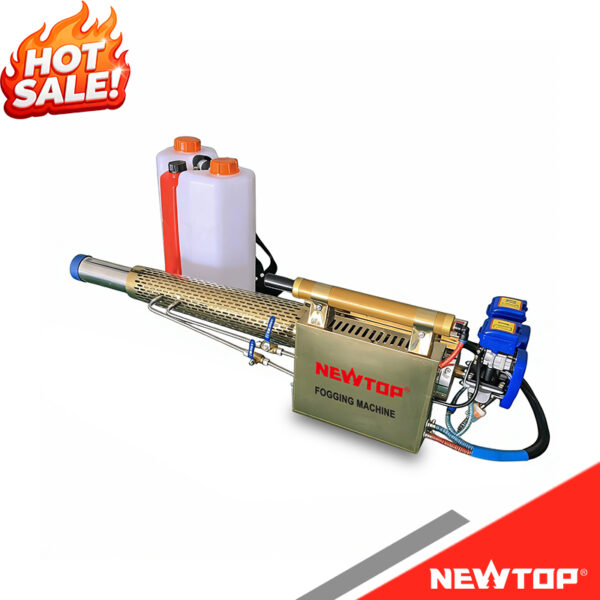
Машина термического запотевания NTYM180K
- Точность распыления профессионального уровня.
- Повышенная долговечность (500+ часы работы)
- Оптимизирован для крупномасштабного векторного управления
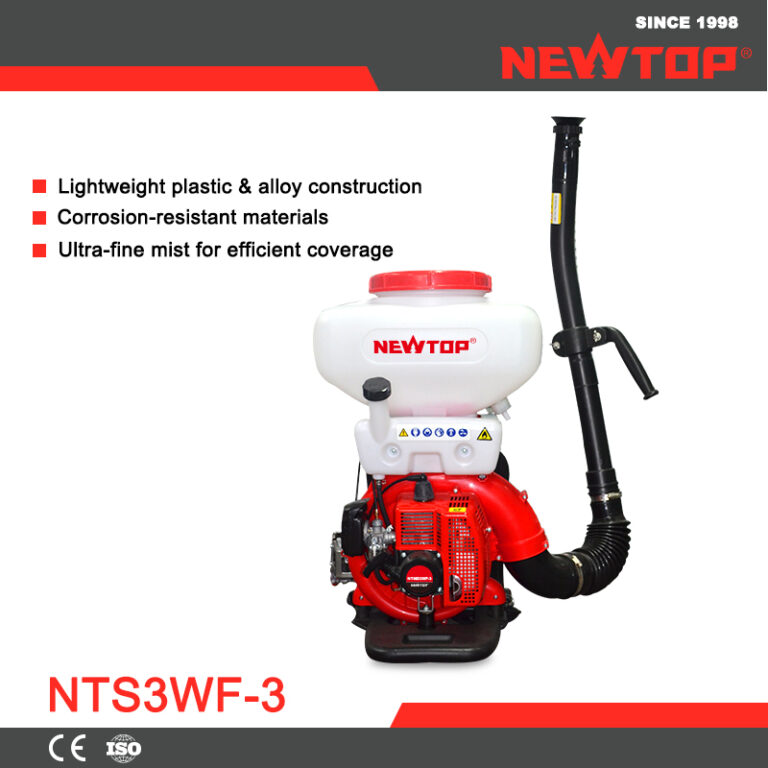
NTS3WF-3 Рюкзачный газовый опрыскиватель
- Высокоскоростная жидкость & выход гранул
- Прецизионная насадка для целевого применения
- Усиленная химически стойкая структура
Преимущества и ограничения туманообразователя и распылителя
Фоггеры превосходно справляются с быстрой объемной обработкой для борьбы с вредителями в густой листве., в то время как распылители обеспечивают превосходную точность на уровне поверхности и химическую эффективность, особенно в электростатических моделях.
| Операционная функция | Фоггер | Распылитель |
|---|---|---|
| Тип покрытия | Объемный (воздух и поверхности) | Прямой с поверхности |
| Способность проникновения | Отлично подходит для густой листвы и щелей. | Ограничено, если не используется электростатическая модель. |
| Скорость приложения | Быстро для больших, открытые площадки | Помедленнее, более методичное применение |
| Операционный риск | Высокий, восприимчив к ветру | Низкий из-за большего размера, более тяжелые капли |
| Основной вариант использования | Борьба с вредителями на открытом воздухе, обеззараживание воздуха | Целенаправленная дезинфекция поверхностей, борьба с сорняками |
Фоггер: Преимущества и ключевые области применения
Фоггеры разработаны для обработки больших объемов и проникновения в плотную среду.. Их способность производить чрезвычайно прекрасные, взвешенные частицы делают их высокоэффективными для борьбы с вредителями в густой растительности и для дезинфекции больших, открытые закрытые помещения, где лечение воздушно-капельным путем имеет решающее значение. Этот метод обеспечивает широкий охват с минимальными усилиями оператора после работы машины..
- Обеспечивает глубокое проникновение в густую листву., трещины, и щели, что делает его очень эффективным для борьбы с насекомыми на открытом воздухе..
- Быстро покрывает большие объемы пространства, что сокращает рабочее время на дезинфекцию общественного здравоохранения или борьбу с сельскохозяйственными вредителями.
- Эффективен для борьбы с летающими насекомыми и дезинфекции воздуха., поскольку туман остается приостановленным в течение длительного периода.
Фоггер: Ограничения и эксплуатационные соображения
Основные недостатки туманообразователей связаны с контролем и безопасностью.. Мелкий туман очень чувствителен к ветровому сносу., что приводит к нецелевым применениям и потенциальному загрязнению окружающей среды.. Термические туманообразователи добавляют еще один уровень сложности, вводя тепло., что ограничивает типы химикатов, которые можно использовать без разложения..
- Высокий риск химического дрейфа, что делает его непригодным для точного, целевое применение или использование в ветреную погоду.
- Тепловые модели могут представлять опасность возгорания и повредить термочувствительные химические растворы., изменение их эффективности.
- Может потребоваться более обширное индивидуальное защитное оборудование. (СИЗ) из-за риска вдыхания мелких аэрозольных частиц.
Распылитель: Преимущества и ключевые области применения
Распылители обеспечивают превосходный контроль и эффективность при нанесении на поверхность.. Они производят более крупные, более тяжелые капли, которые доставляют химикаты непосредственно к цели с минимальным сносом. Такая точность делает их идеальными для целевой дезинфекции., борьба с сорняками, и внесение удобрений там, где точность имеет первостепенное значение..
- Высокая точность нанесения гарантирует попадание химикатов на целевые поверхности., сокращение отходов и воздействия на окружающую среду.
- Электростатические распылители обеспечивают полный, охватывающее покрытие поверхности, идеально подходит для дезинфекции сложных предметов и поверхностей, к которым часто прикасаются.
- В целом безопаснее для использования внутри помещений и в чувствительных зонах благодаря контролируемому применению и снижению риска вдыхания..
Распылитель: Ограничения и эксплуатационные соображения
Хотя и точный, опрыскиватели менее эффективны для обработки больших, открытые территории или проникающие через плотные навесы. Процесс нанесения более медленный и трудоемкий, чем напыление.. Распылители в первую очередь предназначены для обработки поверхностей, а не объемов воздуха., ограничение их эффективности против переносимых по воздуху патогенов или летающих насекомых.
- Более медленная скорость нанесения по сравнению с туманообразователями при обработке обширных открытых площадей..
- Ограниченная способность проникать в густую растительность или достигать скрытых вредителей глубоко под навесом..
- Менее эффективен для борьбы с летающими насекомыми или лечения болезнетворных микроорганизмов, передающихся по воздуху., так как капли быстро оседают.
Анализ затрат и выгод владения обоими типами оборудования
Инвестиции в туманообразователь и распылитель позволяют использовать наиболее ресурсоэффективный инструмент для любой поставленной задачи., минимизация долгосрочных трудовых и химических затрат.
Первоначальные инвестиции против. Долгосрочная экономия
Владение туманообразователем и распылителем требует более высоких первоначальных капитальных затрат.. Эта двойная инвестиция, однако, приводит к долгосрочной экономии за счет точного подбора оборудования для конкретного применения, что сокращает количество отходов химикатов и сводит к минимуму трудозатраты. Финансовая логика проста.: используйте высокоскоростной туманообразователь для больших площадей и точный распылитель для целевых зон..
- Фоггеры обычно имеют более высокую первоначальную стоимость, но быстро покрывают большие площади., сокращение затрат на рабочую силу для крупных проектов.
- Опрыскиватели более доступны по цене и превосходно справляются с целевыми задачами., предотвращение чрезмерного использования дорогих химикатов на небольших или конкретных проблемных участках.
- К 2026, экономия рабочей силы и материалов часто может компенсировать первоначальные затраты на двойное оборудование в течение одного-двух сезонов для большинства коммерческих пользователей..
Трудовая и химическая эффективность
Основное преимущество стратегии двойного оборудования — оптимизированное распределение ресурсов.. Фоггеры созданы для минимизации рабочего времени при крупномасштабной дезинфекции или борьбе с вредителями., покрытие огромных пространств с минимальным вмешательством оператора. Распылители обеспечивают контроль, необходимый для точного, экономичное химическое применение, обеспечение применения активных ингредиентов только там, где это необходимо.
- туманообразователь может обработать площадь до 30,000 кв. футов с минимальными усилиями оператора, задача, которая с опрыскивателем была бы чрезвычайно трудоемкой и трудоемкой.
- Опрыскиватели доставляют напрямую, целевое приложение, что имеет решающее значение для точечной обработки или деликатных растений, где избыточное опрыскивание будет расточительным и потенциально вредным..
- Такой подход предотвращает финансовые затраты на неэффективное применение — либо из-за траты труда на опрыскиватель при выполнении крупной работы, либо из-за траты химикатов при использовании туманообразователя при мелкой работе..
Универсальность применения и рентабельность инвестиций
Наличие обоих инструментов обеспечивает оперативную гибкость для реализации любого сценария лечения., от обширных открытых пространств до конкретных внутренних зон. Такая адаптивность максимизирует ваши возможности обслуживания и повышает окупаемость инвестиций, гарантируя, что у вас всегда будет подходящее оборудование для работы..
- Профессионалы могут обслуживать более широкий круг клиентов и типов работ., в том числе сельскохозяйственные поля, склады, и контролируемые внутренние помещения.
- Возможность выбора между широкими, проникающий туман и прямой, контролируемое распыление повышает общую эффективность лечения и результаты лечения клиентов.
- Такая универсальность обеспечивает производительность оборудования., что приводит к более быстрому и надежному возврату инвестиций по сравнению с использованием одного, менее адаптируемый инструмент.
Как NEWTOP Engineering увеличивает долговечность обоих типов
Как производитель наружного силового оборудования с более чем двадцатилетним опытом работы в отрасли., НЬЮТОП, разрабатывает ранцевые опрыскиватели и туманообразователи, уделяя особое внимание долговечности в сложных условиях эксплуатации..
Мы работаем 10,000 м² с обрабатывающими центрами с ЧПУ, автоматизированные производственные линии, и независимые инспекционные системы. Каждый насосный агрегат, компонент воздушного потока, и топливная система проходит испытания на долговечность для обеспечения стабильной работы..
Ключевые инженерные преимущества включают в себя:
- Химически стойкие резервуары для агрессивных составов
- Прецизионные системы сопел для стабильного контроля капель
- Компоненты двигателя от всемирно признанных поставщиков.
- Структурированные процессы контроля качества от сырья до окончательного тестирования
- Соответствие CE, Агентство по охране окружающей среды, ИСО9001, и стандарты ISO14001
Для OEM-партнеров и региональных дистрибьюторов, NEWTOP предоставляет возможности настройки брендинга, емкость бака, конфигурация двигателя, и дизайн упаковки. С экспортом более 65 странами и партнерствами с более чем 100 дистрибьюторы по всему миру, NEWTOP поддерживает долгосрочное сотрудничество посредством стабильных цепочек поставок и технической документации..
Для каталогов продукции, технические характеристики, или запросы OEM, свяжитесь с нашей технической командой для получения индивидуального предложения с учетом ваших региональных требований.
Заключение
Выбор между туманообразователем и распылителем зависит от ваших конкретных потребностей., от размера частиц до необходимой площади покрытия. Правильный выбор оборудования напрямую влияет на использование химикатов., затраты на рабочую силу, и общая операционная эффективность. Эти технические знания гарантируют, что вы выберете инструмент, который обеспечит желаемые результаты без потерь..
Используйте это руководство, чтобы оценить ваше текущее оборудование и выявить любые недостатки в производительности.. Если вам нужен инструмент, предназначенный для требовательного коммерческого использования, наши специалисты по продукции могут помочь вам найти надежный туманообразователь или распылитель, соответствующий вашим требованиям..
Часто задаваемые вопросы
В чем основное отличие туманообразователя от распылителя?
Основное отличие — размер капель.. Туманообразователь производит микроскопические капли (под 50 микроны) которые остаются подвешенными в воздухе, заполняя объем пространства. Распылитель производит более крупные капли. (над 100 микроны) предназначен для приземления и покрытия определенных поверхностей.
Использует ли туманообразователь меньше воды, чем распылитель??
Да. Фоггеры, особенно модели ULV, используйте высокие концентрации химикатов и очень мало жидкости-носителя (вода или масло). Распылителю требуется значительное количество воды, чтобы действовать в качестве транспортной среды для достижения химикатом цели..
Можно ли использовать туманообразователи для сельскохозяйственных пестицидов?
Да, особенно в закрытых помещениях, таких как теплицы, но для полевых культур обычно требуются обычные опрыскиватели для большей точности..
Почему туманообразователи дороже ручных опрыскивателей?
В туманообразователях используются более сложные системы воздушного потока или отопления., увеличение затрат на производство и обслуживание.
Какой из них обеспечивает лучшее покрытие густой листвы??
Фоггеры обычно обеспечивают лучшее проникновение благодаря меньшему размеру капель и более длительному времени взвешивания..
Чем отличаются требования к техническому обслуживанию?
Фогеры требуют проверки систем воздушного потока или сгорания., в то время как опрыскиватели в основном нуждаются в замене уплотнений насоса и чистке форсунок..
Борьба с комарами является серьезной проблемой для ферм, сады, общественные места, и жилые районы в тропических и субтропических регионах. В Африке, Юго-Восточная Азия, и Латинская Америка, Борьба с комарами – это не только обеспечение комфорта, но и защита здоровья населения и продуктивности сельского хозяйства..
При выборе сельскохозяйственной техники, покупатели часто сравнивают два основных решения: туманообразователи и опрыскиватели от комаров. Оба широко используются в борьбе с сельскохозяйственными вредителями., программы векторного управления, и обработка от комаров во дворе. Однако, они действуют по-разному и служат разным целям.
В этом руководстве, мы разбираем ключевые различия, факторы производительности, эксплуатационные расходы, и воздействие на окружающую среду, чтобы помочь дистрибьюторам, импортеры, и специалисты по борьбе с вредителями выбирают правильное решение для своего рынка.
Комар Фоггер против. Распылитель: Ключевые различия с первого взгляда
Туманообразователь очищает воздух для немедленного уничтожения комаров, в то время как распылитель обрабатывает поверхности, создавая длительный защитный барьер.
Чтобы выбрать правильный инструмент, сначала вам нужно понять фундаментальное механическое различие между туманом и распылением..
| Атрибут | Комаров Фоггер (Термический или УМО) | Рюкзак-опрыскиватель (Ручной или силовой) |
|---|---|---|
| Основная функция | Очистка воздуха (Немедленный нокдаун) | Обработка поверхности (Остаточный барьер) |
| Размер капли | 5-50 микроны (аэрозольный туман) | 100+ микроны (жидкий спрей) |
| Продолжительность контроля | Короткий срок (Часов до 1 день) | Долгосрочный (До 21–30 дней) |
| Основная цель | Летающие насекомые в столбе воздуха | Поверхности, на которых приземляются или размножаются насекомые |
| Скорость покрытия | Чрезвычайно быстро (Акры за считанные минуты) | Помедленнее, подробное приложение |
| Целевая стадия вредителя | Активные полеты для взрослых | Взрослые (на поверхностях) & Личинки |
Способ нанесения и размер капель
Принципиальное различие между этими средствами заключается в том, как они распыляют инсектициды.. Туманообразователь распыляет жидкость в мелкое аэрозольное облако с мельчайшими частицами. (5-50 микроны) которые плавают в воздухе. Этот метод предназначен для “космический спрей” приложения, уничтожение взрослых комаров при контакте, когда туман распространяется по территории.
В отличие, распылитель наносит более крупные капли жидкости (100+ микроны) непосредственно на поверхности. Этот подход фокусируется на покрытии листьев, стены, и другие места отдыха комаров для создания прочного инсектицидного барьера..
Продолжительность и тип контроля
Затуманивание предлагает немедленное, но временное решение. Эффективен для расчистки территории непосредственно перед мероприятием на открытом воздухе., но комары из окрестностей могут вернуться, как только туман рассеется в течение нескольких часов..
Опрыскиватели обеспечивают расширенный, остаточный контроль. Химический барьер, создаваемый распылением, остается эффективным до 21 дни, уничтожение комаров, которые приземляются на обработанные поверхности спустя долгое время после первоначальной обработки. Этот метод также позволяет выявлять личинки комаров в местах их размножения., что имеет решающее значение для нарушения жизненного цикла и достижения долгосрочного сокращения численности населения.
Химическая эффективность и экологическая направленность
Рюкзачные опрыскиватели обеспечивают точную, целевое приложение. Операторы могут направить инсектицид именно туда, куда это необходимо — под палубу., на затененной листве, и вокруг дверных проемов — минимизация химических отходов и снижение риска для нецелевых организмов.
Запотевание широко рассеивает химикаты, что затрудняет контроль дрейфа и увеличивает потенциальное воздействие на полезных насекомых, таких как опылители.. Из-за их целевой эффективности и повышенной устойчивости, профессиональное барьерное распыление стало отраслевым стандартом современной борьбы с вредителями..
Как работает борьба с комарами?
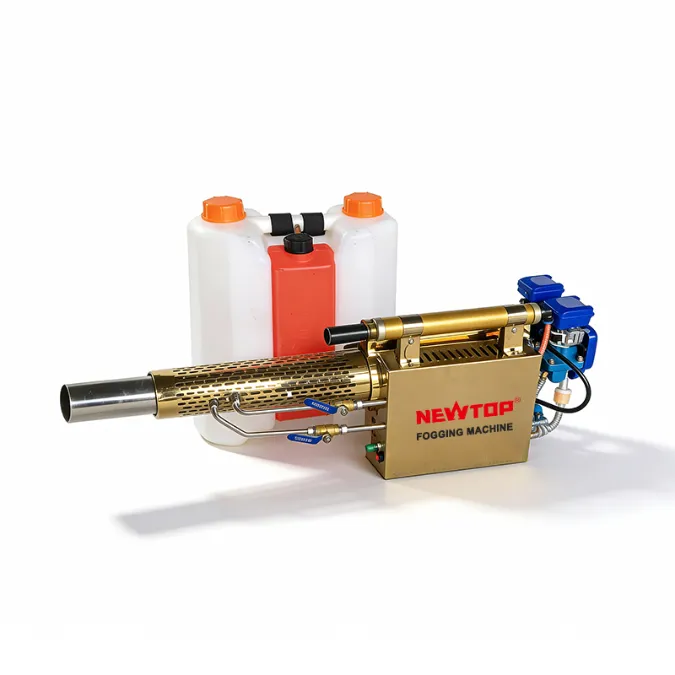
Эффективная борьба с комарами в 2026 это комплексная стратегия, охватывающая все этапы жизни, от ликвидации мест размножения до управления взрослыми популяциями, вместо того, чтобы полагаться на один метод приложения.
Комплексная борьба с вредителями (ИПМ) Подход
Современная борьба с комарами основана на комплексной стратегии управления., выходя за рамки простого применения химикатов. Этот подход сочетает в себе сокращение источников (устранение стоячей воды), биологический контроль (использование естественных хищников или агентов), и целевые химические применения. Цель состоит в том, чтобы управлять популяциями комаров в долгосрочной перспективе, нарушая их жизненный цикл., что сводит к минимуму экологические риски и снижает вероятность устойчивости к пестицидам.. Успешная программа ИЗВ – это многогранный план, который решает проблему сразу с нескольких сторон..
Нацеливание на жизненный цикл комаров
Надежная программа контроля атакует комаров на каждой стадии их развития, чтобы систематически прерывать цикл размножения..
Все начинается с сокращения источников — выявления и удаления стоячей воды, в которой комары откладывают яйца.. Следующий шаг – борьба с личинками., который включает обработку неизбежных источников воды регуляторами роста или биологическими агентами, чтобы предотвратить созревание личинок во взрослых особей.. Окончательно, управление взрослым населением использует такие инструменты, как ранцевые распылители или туманообразователи уменьшить количество полетов, кусают комары, которые могут передавать болезни.
Баланс химических и нетоксичных методов
В настоящее время отраслевой стандарт уравновешивает немедленное воздействие химической обработки с более безопасным воздействием., нетоксичные альтернативы. Химические вмешательства обеспечивают быстрое уничтожение взрослых популяций комаров., критически важный инструмент во время активных вспышек. Они дополняются устойчивыми методами, такими как изменение среды обитания и биологический контроль., которые обеспечивают экологически ответственный способ подавления размножения в течение всего сезона.. Этот сбалансированный подход защищает здоровье населения без ущерба для экологической стабильности..
Увеличьте свою прибыль с помощью надежного оборудования
Когда следует выбирать ранцевый опрыскиватель для целевых применений
Рюкзачные опрыскиватели обеспечивают превосходный контроль при нанесении остаточных инсектицидов длительного действия непосредственно на места отдыха комаров., что делает их предпочтительным инструментом для целевых, многонедельная защита и использование в чувствительных средах.
Прецизионное лечение определенных областей
Рюкзачные опрыскиватели — подходящий инструмент для нанесения растворов непосредственно на места отдыха и размножения комаров.. В том числе густые кустарники, помещения под палубой, и влажный, затененные зоны, где целевое применение более эффективно, чем широкомасштабное туманообразование. Оператор имеет полный контроль над обработкой конкретных проблемных участков без ненужного распыления химикатов..
- Позволяет наносить непосредственно на листву растений и структурные поверхности, где взрослые комары отдыхают в течение дня..
- Сводит к минимуму использование химикатов, концентрируясь только на проблемных зонах., избегая ненужного воздействия на нецелевые области.
Применение остаточных инсектицидов для длительной защиты
В отличие от туманообразователей, которые обеспечивают немедленный, но кратковременный нокдаун., опрыскиватели превосходно справляются с нанесением остаточных химикатов. Эти составы связываются с поверхностями., предлагая защиту, которая может длиться несколько недель после одной процедуры. Этот подход согласуется со сдвигом отрасли в сторону интегрированного, более длительные барьерные процедуры, обеспечивающие устойчивый контроль.
- Создает защитный барьер на листьях, стены, и заборы, которые продолжают действовать на комаров при контакте.
- Уменьшает частоту необходимых процедур., что делает его экономически эффективным решением для сезонного контроля.
Универсальность для выполнения различных задач по уходу за двором
Один ранцевый опрыскиватель может справиться с широким спектром задач, помимо борьбы с комарами.. Эффективен для удобрения садов., применение фунгицидов для растений, и распространение гербицидов для борьбы с сорняками. Эта адаптируемость делает его ценным оборудованием для любой профессиональной работы по ландшафту или борьбе с вредителями..
- Служит универсальным инструментом для комплексной борьбы с вредителями и общего ухода за ландшафтом..
- Опрыскиватели NEWTOP созданы для работы с различными химическими составами., от инсектицидов до жидких питательных веществ.
Контроль в чувствительных средах
При работе возле огородов, рыбные пруды, или общественные игровые площадки, ранцевый опрыскиватель обеспечивает превосходный контроль над химическим сносом. Такая точность гарантирует, что решение будет применено только там, где это необходимо., минимизация воздействия на окружающую экосистему. Возможность управлять размером капель является ключевым преимуществом перед запотеванием..
- Регулируемая насадка позволяет распылять крупные капли, которые быстро падают., снижение риска дрейфа в воздухе.
- Этот уровень контроля необходим для обеспечения безопасности людей., домашние животные, и полезные насекомые.
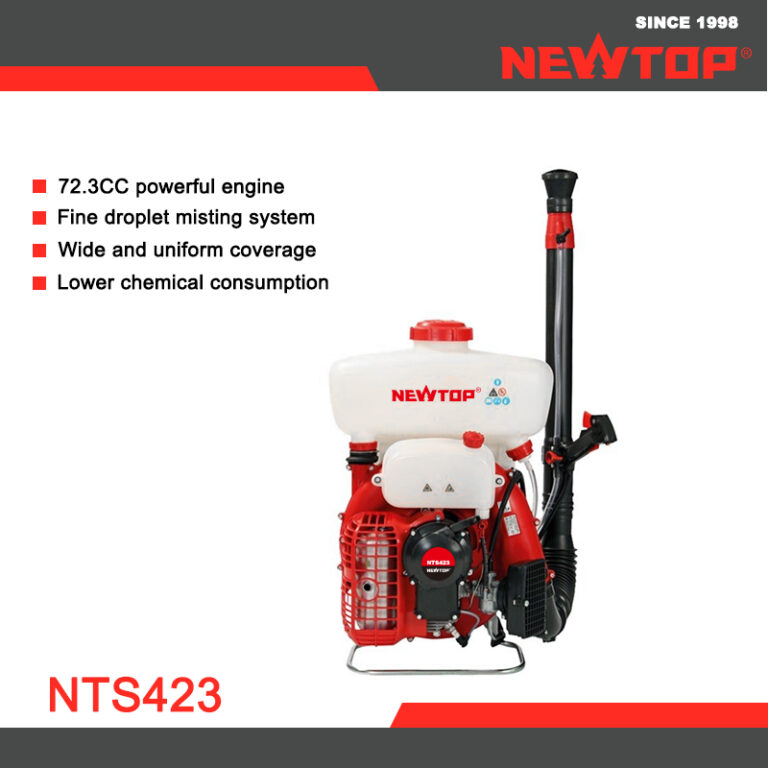
Рюкзаковый опрыскиватель бензина NTS423
Разработано для точности и долговечности, отличается высоким давлением и эргономичным дизайном для длительных задач по борьбе с вредителями..
Посмотреть подробную информацию о продукте
Рюкзак Mist-Duster NTS3WF-3
Универсальный многофункциональный ранцевый опрыскиватель, идеально подходящий как для нанесения жидкостей, так и для удаления пыли в крупных сельскохозяйственных или садовых условиях..
Посмотреть подробную информацию о продуктеДля чаевых: Не знаете, какая конфигурация подойдет вашей команде? Ознакомьтесь с нашим подробным руководством по различные типы ранцевых опрыскивателей для сравнения руководства, батарея, и бензиновые варианты.
Сравнение химической эффективности и размера капель от комаров
Эффективность борьбы с комарами зависит от получения капель точного размера., обычно между 5–25 микронами, максимально увеличить время пребывания в воздухе и контакт со взрослыми комарами, одновременно сводя к минимуму химические отходы.
| Параметр | Оптимальная спецификация | Влияние на эффективность |
|---|---|---|
| Размер капли (Контроль взрослых) | 5–25 микрон | Максимальная пневматическая подвеска для контакта с летающими комарами.; уменьшает снос и отходы. |
| Технология применения | Ультра-малый объем (ВОЛК) | Покрывает большие площади с меньшим количеством химикатов и улучшает нацеливание. |
| Состав растворителя | на водной основе | Снижает затраты на применение, минимизирует дрейф, и предлагает более экологичный вариант. |
Роль размера капель в эффективной борьбе с комарами
Эффективность любого средства от комаров напрямую зависит от размера капель инсектицида.. Цель состоит в том, чтобы производить капли, которые достаточно малы, чтобы оставаться в воздухе и контактировать с летающими комарами., но достаточно тяжелый, чтобы не ускользнуть от цели. Для борьбы с комарами у взрослых, оптимальный размер постоянно находится в диапазоне 5–25 микрон.. Этот особый размер гарантирует, что капли будут плавать в воздушном столбе, где активны комары., максимизация вероятности контакта. Достижение этого баланса имеет решающее значение для максимизации эффективности инсектицидов при минимизации химических отходов и ненужного воздействия на окружающую среду..
Ультра-малый объем (ВОЛК) Технология для эффективности
Ультра-малый объем (ВОЛК) Применение — это инженерная технология доставки концентрированных химических составов на большие площади с минимальным объемом.. Профессиональная борьба с вредителями опирается на системы УМО, поскольку они специально разработаны для образования капель в идеальном диапазоне 5–25 микрон.. Такая консистенция улучшает целенаправленность и значительно снижает общее количество инсектицидов, необходимых для работы.. Технология УМО обеспечивает важнейший баланс между высокой производительностью и ответственным использованием химикатов., сделав его стандартом для приложений общественного здравоохранения.
Составы растворителей: На водной основе против. на масляной основе
Растворитель, или жидкий носитель инсектицида, также влияет на производительность и стоимость. В отрасли произошел значительный переход от традиционных растворителей на масляной основе к составам на водной основе.. Решения на водной основе помогают снизить общие затраты на применение и менее склонны к сносу при распылении по сравнению с аналогами на масляной основе.. Они представляют собой более устойчивую и экономически эффективную альтернативу для большинства сценариев борьбы с комарами.. Растворители на масляной основе все еще имеют место, но они обычно предназначены для особых условий, когда основным требованием является улучшенное прилипание капель к поверхностям..
Затраты на рабочую силу и эффективность времени: Какой инструмент победит?

Выбор между туманообразователем и распылителем зависит от прямого компромисса.: туманообразователи предлагают быстрый, краткосрочное покрытие, в то время как опрыскиватели требуют больше начального труда для обеспечения длительного срока службы., экономичный остаточный контроль.
| Метрика | Фоггер | Распылитель |
|---|---|---|
| Время подачи заявки | 5-15 минут до 30,000 кв. футы | дольше, ручной процесс, требующий технического специалиста |
| Остаточная эффективность | Приблизительно. 72 часы | До 21 дни |
| Модель труда | Низкий начальный труд, высокие совокупные трудозатраты из-за повторного применения | Высокие начальные трудозатраты, низкий совокупный трудозатраты из-за долговечности |
| Оптимальный вариант использования | Немедленный, временное уничтожение комаров для мероприятий | Сезонные контракты на обслуживание жилых или коммерческих помещений |
Фоггеры: Быстрое применение, Частое повторение
Фоггеры превосходны в скорости. Техник может обработать большое имущество — до 30,000 квадратных футов — всего за пять-пятнадцать минут с минимальными практическими усилиями.. Эта непревзойденная эффективность делает запотевание идеальным решением для немедленного использования., краткосрочные потребности. Критическим недостатком является то, что эффект от лечения быстро исчезает., обычно длится только 72 часы. Это требует частого повторного применения для поддержания контроля., значительное увеличение совокупных затрат на рабочую силу в течение всего сезона.
- Обеспечивает быстрое покрытие для немедленного уменьшения количества комаров перед мероприятием..
- Требует повторных процедур каждые несколько дней для поддержания контроля..
- Общие трудовые инвестиции значительно увеличиваются для долгосрочного управления.
Опрыскиватели: Первоначальные инвестиции для долгосрочных результатов
Нанесение барьерной обработки с помощью ранцевого опрыскивателя — более продуманный и трудоемкий процесс.. Для этого требуется квалифицированный специалист, который сможет тщательно обследовать целевые участки, где отдыхают и размножаются комары.. Хотя первоначальный труд выше, эти инвестиции дают мощные долгосрочные результаты. Одиночный, тщательное применение может обеспечить остаточную защиту на срок до 21 дни, что радикально снижает потребность в дорогостоящих повторных посещениях и экономит трудозатраты в течение срока действия контракта..
- Включает руководство, целевое применение для тщательного покрытия.
- Обеспечивает остаточную эффективность, которая сохраняется в течение нескольких недель., не дни.
- Меньшее количество применений означает меньшие общие затраты на рабочую силу для устойчивого контроля..
Экономическая эффективность для устойчивой борьбы с комарами
Для текущих проектов по борьбе с комарами, которые определяют рынок в 2026, ранцевые опрыскиватели — более экономичный инструмент. Расширенная защита от одной обработки барьерным распылением сводит на нет трудозатраты, связанные с несколькими сеансами туманообразования, которые она заменила бы.. Фоггеры сохраняют свою ценность лишь на время., разовые ситуации, такие как вечеринки или мероприятия на открытом воздухе. Но для сезонных контрактов на обслуживание жилой и коммерческой недвижимости, опрыскиватели представляют собой более финансово обоснованное и оперативно эффективное решение..
- Запотевание — экономичный выбор для разовых ситуаций..
- Распыление обеспечивает превосходную выгоду для контрактов на обслуживание жилых и коммерческих помещений..
- Выбор лучшего инструмента зависит от того, является ли целью немедленный нокдаун или длительная защита..
Воздействие запотевания на окружающую среду по сравнению с. Целенаправленное распыление
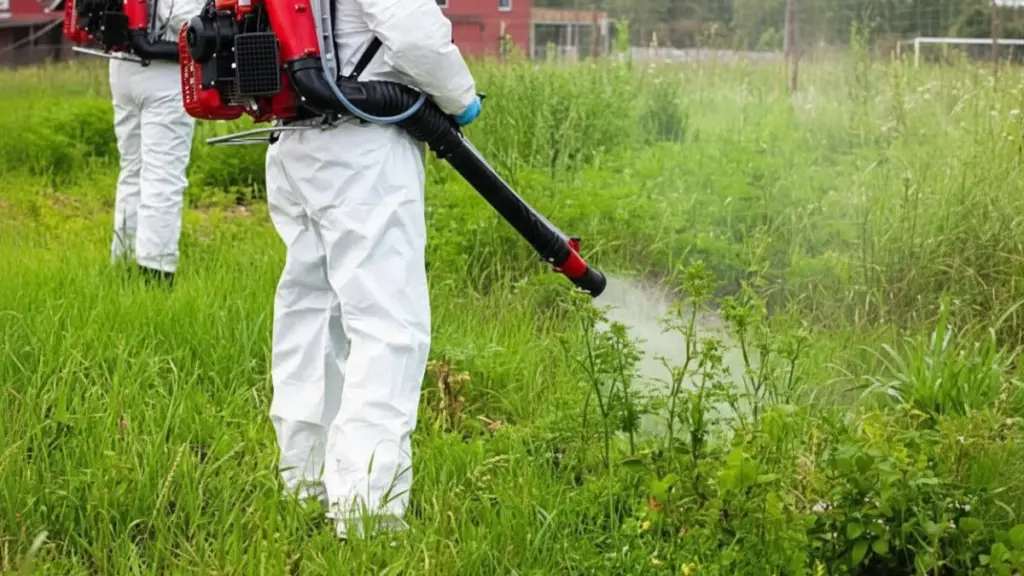
Целенаправленное распыление значительно снижает вред окружающей среде за счет концентрации химикатов в местах отдыха комаров., в отличие от широкого туманообразования, которое наносит неизбирательный вред опылителям и рискует занести химические вещества в непредусмотренные области..
Риск для нецелевых организмов
Запотевание рассеивает большое облако инсектицидов, которое может нанести вред таким полезным насекомым, как пчелы., бабочки, и другие опылители. Отсутствие точности означает, что туман затрагивает все, что находится на пути тумана.. Целенаправленное распыление, с другой стороны, концентрирует нанесение непосредственно на поверхности, где отдыхают комары, например, нижняя сторона листвы и затененные строительные материалы.. Такой подход сводит к минимуму побочный ущерб местной экосистеме..
- Запотевание широкого спектра действия воздействует на широкий круг насекомых., не только комары, нарушение естественных пищевых цепей.
- Опрыскиватели позволяют операторам избегать цветущих растений и других мест, часто посещаемых опылителями..
- Такая точность помогает сохранить насекомых, необходимых для здоровья сада и окружающей среды..
Химический дрейф и загрязнение воды
Мелкий аэрозоль, производимый туманообразователями, легко разносится ветром., приводит к химическому дрейфу. Этот переносимый по воздуху пестицид может оседать на непредназначенных для этого поверхностях., включая соседние объекты, огороды, и источники воды. Чем больше, более тяжелые капли из распылителя падают прямо на целевую поверхность, что значительно снижает риск заноса и последующего загрязнения близлежащих водоемов.
- Туман может распространяться далеко за пределы предполагаемой зоны лечения., воздействие пестицидов на нецелевые территории.
- Сточные воды с запотевших поверхностей могут переносить химикаты в пруды., ручьи, и ливневые стоки.
- Целенаправленное распыление гарантирует, что химическое вещество остается там, где оно применяется., защита близлежащих источников воды и чувствительных зон.
Устойчивость к пестицидам и эффективность
Широко распространенное запотевание может подвергнуть комаров воздействию сублетальных доз инсектицидов., ключевой фактор, способствующий развитию устойчивости к пестицидам среди местного населения. Целенаправленное распыление обеспечивает более эффективное, смертельная доза непосредственно в места обитания и отдыха комаров. Это более эффективное использование химикатов и помогает замедлить развитие резистентности., соответствие современным комплексным мерам по борьбе с вредителями (ИПМ) практики.
- Стратегии ИЗВ отдают предпочтение целенаправленным методам, обеспечивающим долгосрочную химическую эффективность..
- Более эффективное использование меньшего количества химикатов снижает общую экологическую нагрузку на почву и воду..
- Эффективное применение с помощью опрыскивателя означает меньшее количество обработок за сезон., дальнейшее сокращение использования химикатов.
Почему профессиональные дезинсекторы доверяют решениям NEWTOP
Профессиональные операторы по борьбе с вредителями выбирают NEWTOP, потому что его оборудование обеспечивает надежную работу в полевых условиях., минимизирует время простоя в работе, и поддерживается надежной глобальной сетью запасных частей и поддержки..
Как профессиональный производитель садовой и сельскохозяйственной техники с тех пор 2003, НЬЮТОП, поставляет надежное наружное силовое оборудование на мировые рынки. С более чем 500,000 единиц годовой производственной мощности и экспорта в более чем 65 страны, мы поддерживаем дистрибьюторов, OEM-партнеры, и проекты общественного здравоохранения по всей Африке, Латинская Америка, Юго-Восточная Азия, и Восточная Европа.
Ключевые преимущества включают в себя:
- Надежные двигатели, проверенные на 500+ рабочее время
- Стабильное выходное давление для постоянного контроля капель
- CE, GS, Агентство по охране окружающей среды, и другие сертификаты
- Гибкая настройка OEM
- 7– Отправка образца в течение 10 дней
- Конкурентоспособные сроки выполнения заказов 30 дней для оптовых заказов
Для каталогов продукции, технические характеристики, или вопросы дистрибьютора, посещать newtoptools.com или свяжитесь с отделом продаж напрямую.
Заключение
Выбор между противомоскитным туманом и распылителем зависит от масштаба применения и точности цели.. Фоггеры обеспечивают быстрое, обработка обширной площади, идеально подходящая для больших помещений, в то время как опрыскиватели обеспечивают прямой контроль над конкретными местами размножения и поверхностями отдыха.. Адаптация оборудования к выполняемой работе обеспечивает эффективное использование химикатов., управляет затратами на рабочую силу, и дает эффективные результаты.
Часто задаваемые вопросы
Является ли туманообразователь более эффективным, чем опрыскиватель от комаров??
Туманообразователь более эффективен для быстрого сокращения популяции взрослых комаров на открытых территориях.. Опрыскиватель более эффективен для долгосрочного контроля, выявляя места размножения и применяя остаточные инсектициды..
Можно ли использовать обычный распылитель в качестве туманообразователя?
Нет, нельзя использовать обычный распылитель в качестве туманообразователя. Распылители производят более крупные капли жидкости, предназначенные для покрытия поверхностей и создания остаточного барьера.. Фоггеры распыляют инсектицид в мелкий туман, который висит в воздухе, убивая летающих комаров при контакте.. Их форсунки и механизмы разработаны для совершенно разных размеров частиц и способов нанесения..
Каковы недостатки запотевания от комаров?
Запотевание имеет ограниченный остаточный эффект., может дрейфовать в ветреную погоду, и может поражать нецелевых насекомых. Часто требуется повторное применение для устойчивого контроля..
Как часто следует распылять против. туман от комаров?
Туман обычно используется во время вспышек и может повторяться еженедельно в зависимости от плотности комаров.. Опрыскивание мест размножения можно проводить каждые несколько недель в зависимости от циклов роста личинок..
Что безопаснее для использования на даче, туманообразователь или распылитель?
Целенаправленное опрыскивание, как правило, безопаснее для использования на приусадебных участках, поскольку оно уменьшает снос и позволяет точно распылять препарат вокруг растительности и источников воды..
Убивает ли запотевание личинки комаров?
Нет. Запотевание в основном нацелено на взрослых комаров в полете.. Личинки необходимо обрабатывать непосредственно в воде ларвицидами, наносимыми с помощью распылителя..
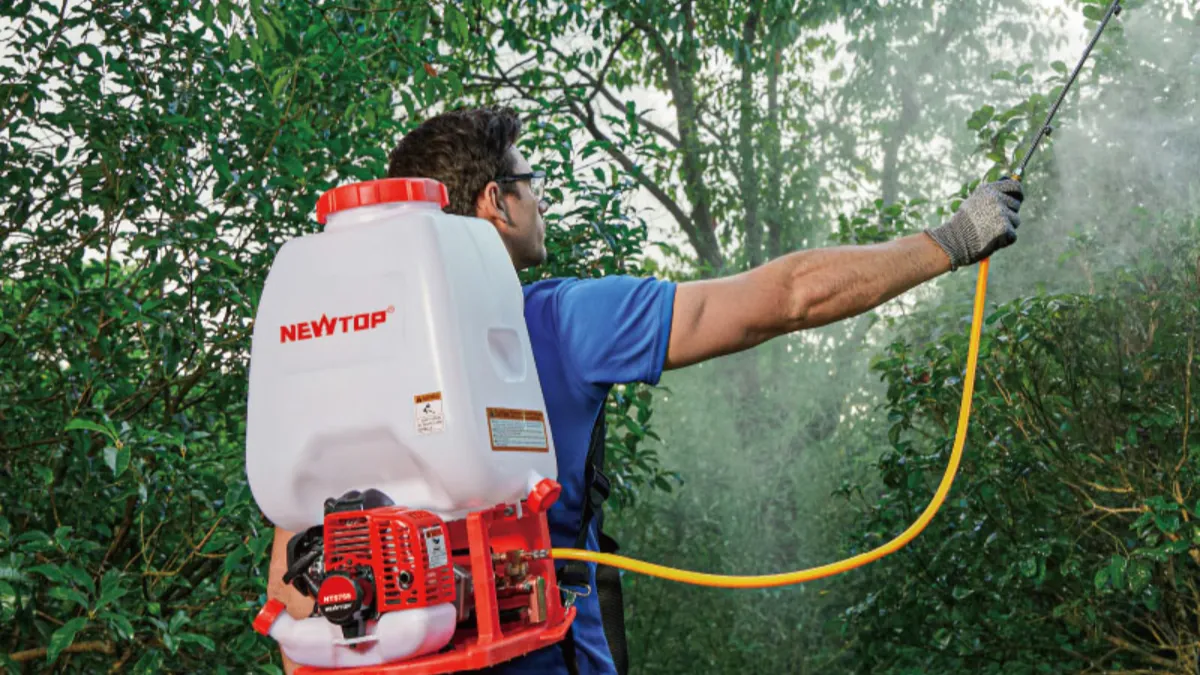
In modern agriculture, precision spraying is no longer optional—it directly impacts crop yield, chemical efficiency, labor cost, and environmental safety. Whether you are managing a small vegetable field in Southeast Asia, a coffee plantation in Latin America, or a large-scale grain farm in Africa, selecting the right knapsack sprayer type can significantly improve operational efficiency.
In this comprehensive guide, we’ll explore the different types of knapsack sprayers, compare their working mechanisms, analyze real farming applications, and help you choose the best model for your specific needs. If you are an importer, distributor, or OEM partner looking for reliable agricultural spraying equipment, this article will also show how working with НЬЮТОП can strengthen your product line.
What Is a Knapsack Sprayer and How Does It Work?
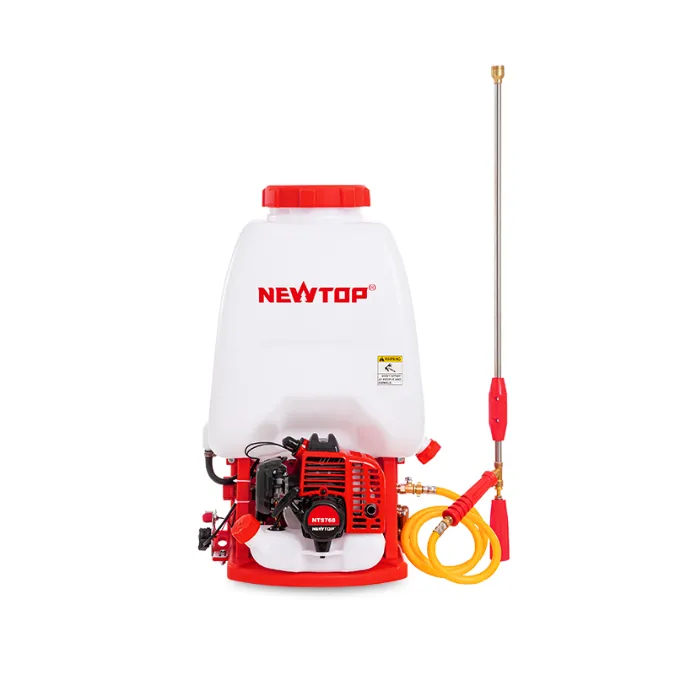
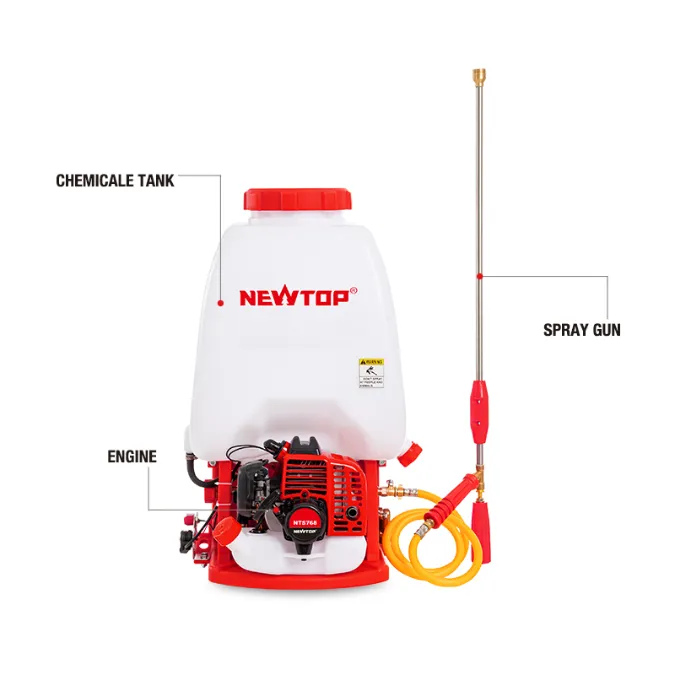
A knapsack sprayer is a portable, back-mounted agricultural machine that uses manual or powered pressure to apply liquids like pesticides and fertilizers with precision in agricultural and landscaping settings.
A knapsack sprayer (also called a backpack sprayer) is a piece of portable equipment worn on an operator’s back to apply liquids, such as pesticides, гербициды, and fertilizers. It is widely used for applying pesticides, гербициды, fungicides, удобрения, and disinfectants.
Core Components and Their Functions
Every knapsack sprayer operates using a set of essential components that store, pressurize, and dispense the liquid. Understanding these parts clarifies how the sprayer functions.
- Tank: A container, typically holding 15 к 20 liters, that stores the chemical mixture.
- Pump and Lever: The mechanism used to create pressure. In manual models, an operator pumps a lever to pressurize the tank.
- Hose and Lance: A flexible hose connects the tank to a rigid wand, or lance, which allows the operator to direct the spray.
- Сопло: The tip of the lance that atomizes the liquid into a fine mist or a targeted stream for even application. It determines the droplet size and spray pattern, such as fan, cone, or jet streams.
The Basic Working Principle
A knapsack sprayer’s function is based on generating and maintaining pressure to expel liquid in a controlled manner. The process is straightforward, whether the sprayer is manual or motorized.
- The operator fills the tank with the desired liquid solution.
- Using a hand lever or a powered motor, the operator builds pressure inside the tank.
- When the trigger on the lance is squeezed, a valve opens, releasing the pressurized liquid.
- The liquid flows through the hose and lance, exiting the nozzle as a spray.
- Consistent pressure is maintained through periodic pumping or a continuous power source to ensure an even application.
Depending on the model, pressure may be generated manually (lever pumping), electrically (battery-powered motor), or through a petrol engine. Advanced designs include pressure regulators, anti-drip nozzles, adjustable spray patterns, and ergonomic harness systems.
A well-designed knapsack sprayer ensures:
- Uniform droplet size distribution
- Stable spray pressure
- Reduced operator fatigue
- Minimal chemical waste
- Safe handling of agrochemicals
A Quick Comprison of Different Types of Knapsack Sprayers
Before diving deeper, it’s helpful to understand how different types compare in practical farming conditions.
| Knapsack Sprayer Type | Власть / Mechanism | Масса / Reach | Pressure Stability | Best Application | Maint. / Cost |
|---|---|---|---|---|---|
| BY POWER SOURCE | |||||
| Manual | Human Labor (Рычаг) | 5–10kg / Short | Низкий (Fluctuates) | Small farms, spot weeding | Низкий / $ |
| Батарея | Electric Motor | 6–8kg / Medium | Высокий (Constant) | Greenhouses, пропашные культуры | Med / $$ |
| Petrol | Gasoline Engine | 14–17kg / Длинный | Very High | Сады, large plantations | Высокий / $$$ |
| BY PUMP MECHANISM | |||||
| Поршень | Cylindrical Piston | Varies / High PSI | Stable (Высокий) | Fine misting, clear liquids | Med / $$ |
| Диафрагма | Flexible Membrane | Varies / Low PSI | Stable (Низкий) | Wettable powders, bleach | Низкий / $$ |
| Plunger | Solid Plunger | Varies / High Flow | Medium | Cotton, vegetables, general use | Низкий / $ |
| BY SPRAY MECHANISM | |||||
| Mist Blower | Air-Propelled Fan | Heavy / Max Reach | Constant | Tall trees, dense foliage | Высокий / $$$ |
| Compression | Stored Air Pressure | Light / Short | Decreasing | Spot treatment, small gardens | Низкий / $ |
| Hydraulic | Direct Fluid Pump | Med / Consistent | Very Stable | Uniform field coverage | Med / $$ |
Types of Knapsack Sprayers by Power Source
The power source is the primary factor in determining operator fatigue and work speed. В НЬЮТОП, we analyze global market trends and have found that while traditional manual units remain a staple in emerging markets, the industry is rapidly pivoting toward battery and petrol solutions for increased labor efficiency.
Manual Knapsack Sprayers
Manual knapsack sprayers operate with a hand pump, giving the user direct control over pressure. They don’t need electricity or fuel, making them a reliable and low-cost choice for small to medium-sized farms. Their lightweight design, typically weighing between 5 и 10 kg, makes them ideal for targeted applications where precision is needed to reduce chemical waste. The main drawback is the need for constant physical effort, which leads to operator fatigue during extended use. Maintaining consistent pressure manually over large fields is difficult, limiting their effectiveness for large-scale commercial operations.
Battery Powered Knapsack Sprayers
Battery-powered knapsack sprayers use a rechargeable battery to power an electric motor, providing continuous and consistent spray pressure without manual pumping. This design is well-suited for professional landscaping and commercial farming because it significantly reduces user fatigue. The steady, adjustable pressure ensures even coverage for herbicides and pesticides. A single charge typically lasts between 4 к 8 часы, allowing for a full day of work and making large jobs more manageable. The initial cost is higher than manual models, and operation is entirely dependent on having a charged battery.
Petrol Powered Knapsack Sprayers
Petrol-powered knapsack sprayers are equipped with a small 2-stroke or 4-stroke gasoline engine to generate high pressure for spraying over large areas. They offer the most power and are built for demanding agricultural tasks like treating orchards or large fields. Petrol sprayers, often configured as mist blowers, can discharge liquid up to 10 or 15 meters horizontally or vertically providing the necessary coverage for high-canopy orchards and wide agricultural fields. They operate independently of any electrical source, but they are also heavier and louder, with a fully loaded weight of 14–17 kg. They require regular engine maintenance, including managing fuel-oil mixtures for 2-stroke versions.
Boost Your Margins with Durable Outdoor Power Equipment
Types of Knapsack Sprayers by Pump Mechanism
The choice between a piston, diaphragm, or plunger pump mechanism directly dictates the sprayer’s chemical compatibility and pressure capabilities, with piston pumps excelling at high-pressure atomization and diaphragm pumps offering superior durability for abrasive formulations.
Piston Knapsack Sprayer
A piston backpack sprayer uses a cylindrical piston moving inside a chamber to generate pressure. This design is highly efficient for reaching high pressures, making it a strong choice for applications that need a fine mist or long-distance spray. Operators typically use them for applying liquid herbicides and pesticides that don’t contain abrasive particles, which could damage the internal seals.
- Reaches higher pressures, often up to 150 PSI, for atomizing liquids effectively.
- Best suited for liquid-only formulations, as abrasive powders can wear down the piston seals.
- Generally requires more maintenance on seals and O-rings compared to diaphragm pumps.
- Ideal for targeted pest control and applying insecticides where fine droplet size is beneficial.
Diaphragm Knapsack Sprayer
A diaphragm backpack sprayer uses a flexible membrane that pulsates to create pressure. This mechanism keeps the chemical solution separate from the pump’s moving parts. This separation makes the pump exceptionally durable when using abrasive materials like wettable powders or even bleach-based solutions.
- Highly resistant to corrosion and abrasion from aggressive or powder-based chemicals.
- Operates at a lower pressure, typically around 60 PSI, which produces larger droplets and reduces spray drift.
- Requires less maintenance because the diaphragm shields the pump’s critical components.
- The preferred choice for applying wettable powders, удобрения, and herbicides where drift control is important.
Plunger Sprayer
The plunger backpack sprayer is a specific type of piston pump where a solid plunger displaces fluid to build pressure. It is known for its simple, robust design and its ability to generate high pressure with minimal operator effort. This makes it a reliable and economical choice for general-purpose agricultural spraying.
- Combines the high-pressure capabilities of a piston pump with a durable and simple design.
- Achieves a high work rate, making it efficient for treating medium-to-large areas.
- The mechanism is straightforward to maintain and repair in the field.
- Suitable for a wide range of crop applications, including vegetables, cotton, and groundnuts.
Types of Knapsack Sprayers by Spray Mechanism

The choice of spray mechanism—air-propelled mist, stored air pressure, or direct hydraulic force—directly dictates the sprayer’s application speed, coverage area, and operational consistency.
Motorized Mist Blowers
Motorized mist blowers are engine-driven sprayers that use a high-velocity air stream to atomize and propel liquid over long distances. This design is ideal for treating large areas, dense foliage, or tall trees quickly, making it a common choice for commercial agriculture, лесное хозяйство, and public health pest control.
- Combines a liquid spray with a powerful fan to create a fine mist that can cover a horizontal range of 15 к 40 ноги.
- Significantly reduces application time compared to manual or low-pressure sprayers, often completing jobs two to three times faster.
- The engine provides consistent power, which eliminates operator fatigue from manual pumping and ensures uniform coverage.
- Well-suited for applying pesticides and fungicides in orchards, vineyards, and large crop fields.
Compression Sprayer
A compression sprayer operates by manually pumping air into a sealed tank to build pressure. This stored pressure then forces the liquid out through a nozzle when the trigger is engaged. They are simple, low-cost, and widely used for spot treatments and smaller-scale applications in gardening and farming.
- Requires the user to pressurize the tank before spraying; the pressure gradually decreases as the liquid is used.
- Offers precise control for targeted applications of herbicides, insecticides, or fertilizers.
- Легкий, portable, and easy to maintain due to its simple mechanical design with few moving parts.
- Operation is quiet and emission-free, but it can be labor-intensive for large areas.
Hydraulic Sprayer
Hydraulic sprayers use a pump to generate liquid pressure directly, forcing the solution through nozzles to form a spray. Unlike compression sprayers, they provide continuous and consistent pressure as long as the pump is active. This category includes everything from manual lever-operated pumps to engine-powered systems.
- Delivers a steady flow and pressure, resulting in more uniform droplet size and application.
- The operator uses a lever or a motor to activate the pump, which creates immediate hydraulic force.
- Commonly used in agriculture for applying chemicals that require consistent coverage.
- Models range from simple manual backpack units to larger, more complex systems for extensive fieldwork.
Common Applications of Knapsack Sprayers in Farming
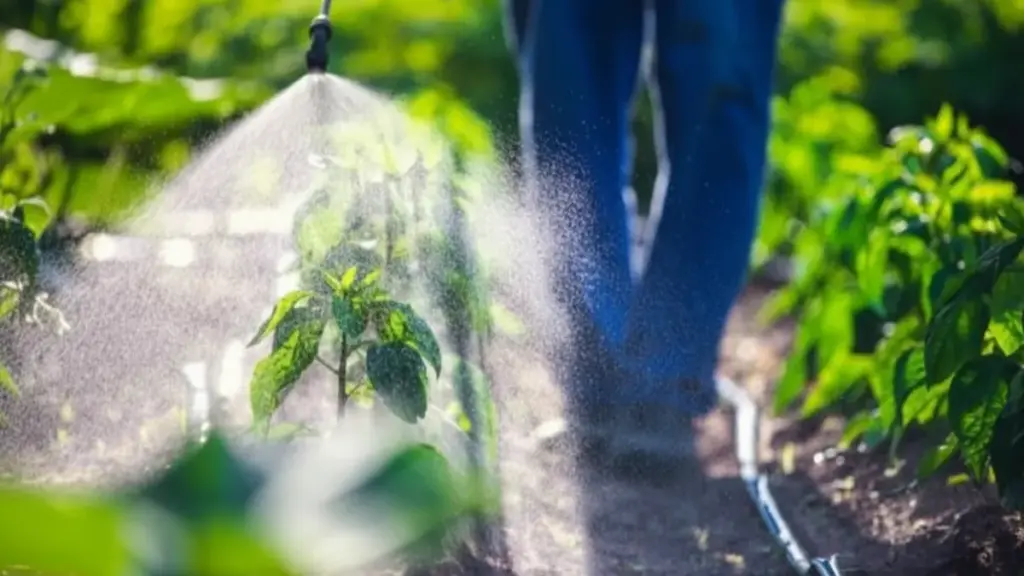
Backpack sprayers are the primary agricultural machines for targeted, on-the-ground application of pesticides, гербициды, and liquid fertilizers, giving farmers precise control over crop health and management.
Pest and Disease Control
Knapsack sprayers are fundamental for applying insecticides and fungicides directly onto crops. This targeted approach helps protect plants from damaging insects and fungal diseases that can reduce yield and quality. The direct application minimizes waste and ensures the active ingredients reach the specific areas that need treatment.
- Delivers precise treatment to affected leaves, stems, and fruits in orchards and vegetable plots.
- Effective for managing localized infestations before they spread across an entire field.
- Allows farmers to use both chemical and organic solutions to combat common agricultural pests.
Weed Management
Applying herbicides with a knapsack sprayer is an efficient way to manage unwanted weeds that compete with crops for water, sunlight, and nutrients. It allows for controlled application in specific areas, preventing damage to the main crop while effectively eliminating invasive plants.
- Ideal for spot-treating weeds along fence lines, between crop rows, and in garden beds.
- Supports the use of selective herbicides that target weeds without harming the primary crop.
- Ensures uniform coverage for pre-emergent and post-emergent weed control strategies.
Fertilizer and Nutrient Application
These sprayers are commonly used for foliar feeding, where liquid fertilizers and micronutrients are applied directly to the leaves. This method provides a rapid nutritional boost to crops during critical growth stages, bypassing slower soil absorption for immediate effect.
- Facilitates quick absorption of nutrients to correct deficiencies faster than soil application.
- Ensures an even distribution of liquid plant food to promote consistent growth.
- Useful for applying growth regulators and supplements that improve overall plant health and productivity.
Key Factors to Consider When Choosing a Knapsack Sprayer for Your Farm
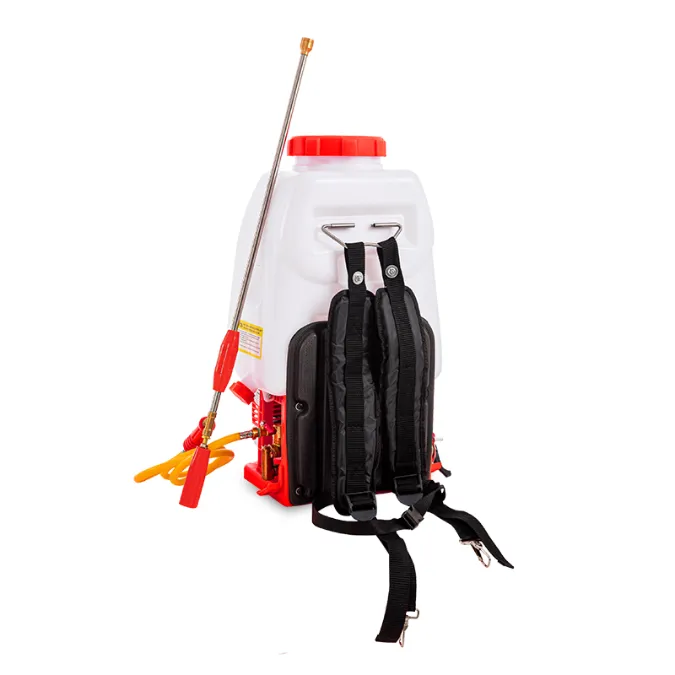
Choosing the right knapsack sprayer requires a practical assessment of your farm’s scale, the chemicals you use, the precision needed for your crops, and the physical demands on the operator.
| Factor | Key Consideration | Влияние на эффективность |
|---|---|---|
| Химическая совместимость | Ensure the use of Viton™ seals and diaphragm pumps for petroleum-based solvents or abrasive powders. | Prevents seal swelling and pump failure, reducing maintenance costs and downtime. |
| Емкость бака | Match tank size (10–20L+) to farm scale while considering manageable operator weight. | Reduces refill time on large plots but increases fatigue if too heavy for the task. |
| Material Durability | Select UV-resistant high-density polyethylene (HDPE) tanks to withstand harsh environmental exposure. | Prevents tank cracking and liquid leaks, extending the overall service life of the equipment. |
| Nozzle Configuration | Ensure the sprayer supports interchangeable nozzles (fan, cone, stream) for varied agricultural tasks. | Improves application precision, уменьшает химические отходы, and increases treatment effectiveness. |
| Ergonomics | Look for padded shoulder straps, contoured back support, and balanced weight distribution. | Minimizes operator fatigue, enabling longer and more productive work periods in the field. |
Химическая совместимость
Review the active ingredients of the chemicals you intend to use. If you use petroleum-based solvents or abrasive powders, ensure the sprayer is equipped with Viton seals and a diaphragm pump. Standard rubber seals will swell and fail when exposed to harsh solvents.
Tank Capacity and Farm Size
Matching the sprayer’s tank size to your operational scale is fundamental for efficiency. A larger tank minimizes refill breaks for extensive fields, but a smaller, more portable model is often better for targeted applications or smaller plots. The goal is to balance coverage with a weight that an operator can comfortably manage for a full workday.
- For small-scale or organic farming, a 10–15 liter tank provides a good balance of portability and capacity.
- Larger agricultural operations benefit from 20-liter or larger tanks to maximize coverage area per fill.
- Always consider the total weight when full, ensuring it is manageable for the operator over extended periods.
Material Durability and Chemical Compatibility
The construction materials of a sprayer dictate its longevity and safety. It’s important to select a model with a tank and seals that can withstand the corrosive effects of various agricultural chemicals. Poor material choices lead to cracks, leaks, and premature equipment failure, posing risks to both the operator and the environment.
- Look for tanks made from high-density polyethylene or other UV-resistant plastics that prevent cracking and degradation.
- Seals and gaskets made from chemical-resistant materials are necessary to prevent leaks when using aggressive fertilizers or pesticides.
- A robust frame and durable straps are also important for operator safety and equipment stability during use.
Nozzle Configuration and Application Precision
The nozzle is a critical component that controls the spray pattern, размер капли, and flow rate. A sprayer with interchangeable or adjustable nozzles offers the flexibility needed for different crops and treatments. The right nozzle ensures that chemicals are applied effectively where needed, minimizing waste and preventing damage to non-target plants.
- Adjustable nozzles allow you to switch from a fine mist for insecticides to a direct stream for spot-treating weeds.
- Different nozzle types, such as fan, cone, or flood patterns, provide tailored coverage for broadacre, row crop, or specific plant applications.
- Precision application not only improves effectiveness but also reduces chemical waste and environmental impact.
Ergonomics and Operator Comfort
A 20L tank weighs approximately 20kg. Ergonomic features help distribute weight evenly and make the equipment easier to handle. A comfortable operator can work longer and more accurately, which directly translates to better results in the field.
- Look for contoured backrests with integrated ventilation, wide padded shoulder straps, and waist belts that shift the weight from the shoulders to the hips.
- A lightweight design is easier to carry and maneuver, especially across uneven terrain.
- An easy-to-reach and smooth-action pump handle helps maintain consistent pressure without causing excessive fatigue.
Maintenance Tips to Extend the Life of Your Knapsack Sprayer

Shifting from reactive repairs to a disciplined, preventative maintenance schedule built on post-use cleaning and regular component checks is the most direct way to maximize the operational lifespan of your equipment.
Implement a Post-Use Cleaning Routine
A consistent cleaning protocol after each use is the single most effective way to prevent chemical buildup and pump failure. This practice is non-negotiable for stopping corrosive residues from degrading seals, nozzles, and internal components. Overlooking this step is the fastest way to shorten your sprayer’s service life, leading to clogs and leaks.
- Thoroughly rinse the tank, шланг, and nozzle with clean water immediately after finishing your work.
- When switching between different chemical types, perform a more intensive rinse to neutralize residues and prevent cross-contamination.
- Ensure the exterior of the sprayer is wiped down to remove any chemical spills that could damage the harness or plastic housing.
Regularly Inspect and Lubricate Seals and Moving Parts
Seals, прокладки, and pump mechanisms are the most common failure points because they are under constant chemical and mechanical stress. Routine inspection and proper lubrication maintain their integrity, preventing leaks and ensuring consistent pressure when you need it most. This proactive check catches wear before it leads to a failure in the field.
- On a quarterly basis, check all O-rings and seals for signs of cracking, brittleness, or wear and replace them if needed.
- Apply a manufacturer-recommended silicone lubricant to pump seals and other moving components to keep them pliable and protected. Avoid petroleum jelly as it can degrade specific types of synthetic rubber.
- Check that all clamps, fittings, and connections are tight to avoid leaks during operation.
Follow a Systematic Maintenance Schedule
Moving from reactive repairs to preventative maintenance extends the sprayer’s operational lifespan significantly, with professional operators achieving 4-5 years of daily use. A structured schedule removes guesswork and builds accountability, ensuring that critical tasks like filter cleaning or lubrication are not overlooked during busy periods.
- Create a simple checklist for daily tasks (rinsing), weekly checks (очистка фильтра), and quarterly actions (lubrication).
- Consider an assigned-equipment system where each operator is responsible for the maintenance of a specific sprayer to improve accountability.
- Store the sprayer in a clean, dry place away from direct sunlight to prevent UV degradation of plastic and rubber parts.
Customizing Your Brand with NEWTOP’s Diverse Sprayer Types
NEWTOP provides comprehensive OEM and private labeling, enabling international distributors to tailor everything from sprayer color and branding to core technical specifications and packaging for specific regional markets.
As a professional agricultural machinery manufacturer since 2003, НЬЮТОП provides a comprehensive range of manual, battery-powered, and petrol knapsack sprayers.
With advanced CNC machining centers, автоматизированные производственные линии, and strict quality control systems, NEWTOP ensures:
- Stable product performance
- Durable chemical-resistant materials
- CE and international compliance
- Flexible OEM/ODM customization
- Private label branding support
- Reliable spare parts supply
For distributors in Africa, South America, Юго-Восточная Азия, and emerging markets, NEWTOP offers competitive pricing combined with consistent quality.
From tank color customization to packaging design and specification adjustments, NEWTOP helps partners build strong local brands with dependable agricultural spraying solutions.
If you are looking to expand your agricultural equipment portfolio, partnering with NEWTOP means accessing a proven manufacturing system with global distribution experience.
Заключение
Choosing the right knapsack sprayer means matching its power source, насос, and spray mechanism to your specific farming needs. A well-chosen sprayer helps you apply treatments with precision, protecting crop health while managing your operational costs. This alignment ensures you get the most out of your equipment, no matter the scale of your work.
Are you ready to optimize your agricultural output? Explore the NEWTOP Knapsack Sprayer Collection or reach out to our technical team at [email protected] for a professional consultation and OEM catalog.
Часто задаваемые вопросы
What are the four types of sprayers?
The four common types are manual knapsack sprayers, battery-powered sprayers, petrol mist blowers, and compression sprayers, each suited for different farm sizes and applications.
Which type of sprayer is best for weed control?
A knapsack sprayer equipped with a flat fan nozzle is best for weed control. This setup provides a uniform spray pattern, ensuring even coverage of herbicides without damaging nearby plants.
Are battery powered sprayers reliable for heavy work?
Да. High-quality battery-powered backpack sprayers with durable motors and lithium batteries can operate for several hours and are suitable for medium to large farms.
What is the difference between a piston and diaphragm pump?
A piston pump is best for high-pressure applications with clear, non-abrasive liquids. A diaphragm pump is the standard for harsh chemicals and abrasive powders because the pump components are protected from the solution.
Which knapsack sprayer is best for paddy farming?
Battery-powered or diaphragm-type hydraulic knapsack sprayers are ideal for paddy fields due to consistent pressure and resistance to corrosive chemicals.
How do I choose between manual and electric sprayers?
Choose manual knapsack sprayers for small farms and low budgets. Choose electric knapsack sprayers for larger areas, higher efficiency, and reduced labor fatigue.
