Vai al contenuto



Scegliere la giusta dimensione del filo del decespugliatore può rendere il lavoro in giardino più veloce, più pulito, e molto più facile. Utilizzare una linea troppo sottile, e potrebbe rompersi ripetutamente quando si taglia erba spessa o erbacce. Scegline uno troppo spesso, e il tuo rifinitore potrebbe perdere velocità di taglio, utilizzare più energia, o caricare ulteriormente la testina del tagliaerba.
COSÌ, che diametro dovresti usare?? È 0,080″ abbastanza per l'erba normale, o è 0,095″ meglio per le erbacce? Quando ha senso salire a 0,105″ o 0,130″?
Questa guida analizza i diametri comuni dei fili dei decespugliatori, spiega quali dimensioni funzionano meglio per le diverse condizioni del cantiere, e confronta le forme di linea più diffuse. Che tu stia mantenendo un piccolo prato o affrontando erbacce fitte e vegetazione fitta, imparerai come adattare il filo sia al lavoro che al tuo tagliabordi.
Cos'è il filo per decespugliatore?
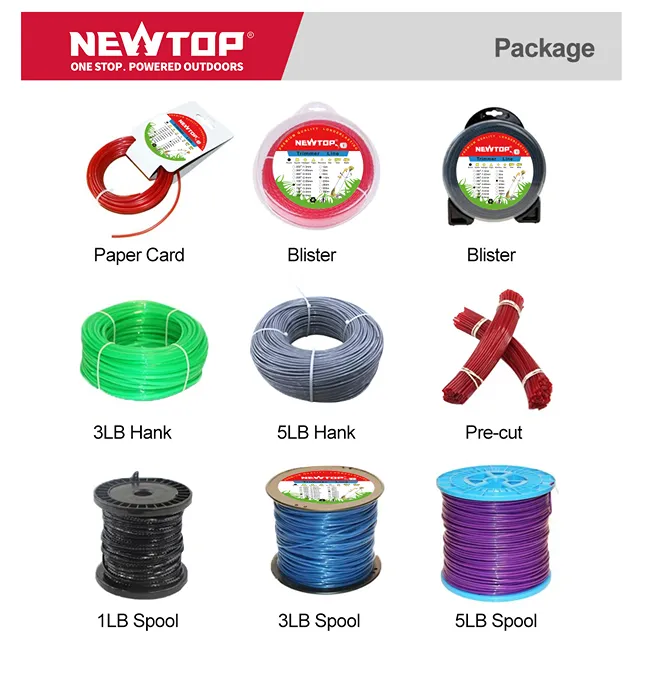
Filo per decespugliatore, chiamato anche cordone per decespugliatore o filo mangiatore di erbacce, è il materiale da taglio flessibile utilizzato da tagliabordi e decespugliatori. Ruota ad alta velocità attorno al testina del decespugliatore e taglia l'erba e le erbacce attraverso l'impatto e l'attrito.
Lettura correlata: Tipi di testine per tagliabordi
Maggior parte linee di rifinitura sono realizzati in nylon resistente o materiali a base di nylon. Alcune linee di livello professionale utilizzano materiali rinforzati o coestrusi per migliorare la resistenza all'usura e ridurre la rottura.
Il diametro della linea è una delle specifiche più importanti. Le dimensioni comuni vanno da circa 0.065 (1.65 mm) pollici a 0.155 pollici (3.94 mm), sebbene alcune macchine pesanti possano utilizzare diametri maggiori.
Generalmente è previsto un diametro maggiore:
- Migliore durata
- Maggiore resistenza alla rottura
- Migliori prestazioni nella vegetazione fitta
- Maggiore potenza di taglio per lavori impegnativi
Tuttavia, più spesso non significa sempre migliore. La testata e il motore del tagliaerba devono essere progettati per gestire il filo selezionato.
Quali dimensioni sono disponibili per il filo del decespugliatore?
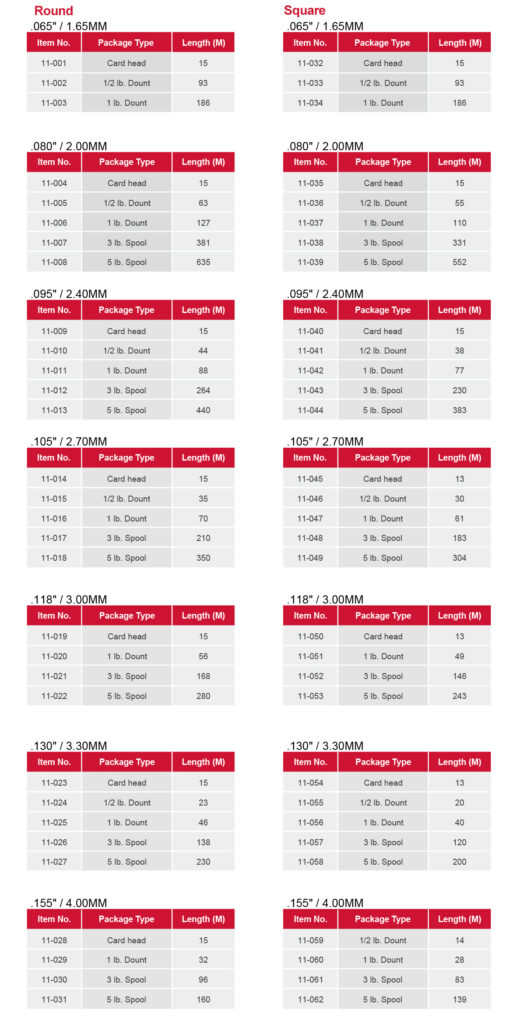
Il filo per decespugliatore viene comunemente venduto in base al diametro in pollici. Le dimensioni più utilizzate includono 0.065″, 0.080″, 0.095″, 0.105″, e 0,130″.
I diametri più piccoli sono adatti per erba leggera e rifinitura residenziale. I diametri medi forniscono un equilibrio tra prestazioni di taglio e durata. I diametri maggiori sono progettati per erbacce spesse, fitta vegetazione, e lavori più pesanti.
La tabella seguente fornisce una rapida panoramica:
| Diametro della linea | Applicazione tipica | Condizioni di taglio |
|---|---|---|
| 0.065″–0,080″ (1.65–2,03 mm) | Rifinitura leggera | Erba morbida e bordi del prato |
| 0.080″–0,095″ (2.03–2,41 mm) | Lavori generali di cantiere | Erba regolare ed erbacce moderate |
| 0.095″–0,105″ (2.41–2,67 mm) | Uso residenziale o professionale pesante | Erba folta ed erbacce resistenti |
| 0.105″–0,130″ (2.67–3,30 mm) | Taglio pesante | Erbacce fitte e vegetazione ruvida |
| 0.130″+ (3.30 mm+) | Lavori pesanti professionali | Pennello pesante e condizioni impegnative |
Attrezzature da giardino ad alto margine per distributori globali

Come scegliere la dimensione della linea del decespugliatore per diversi tipi di erba
Per erba morbida del prato, un filo più piccolo può fornire un taglio veloce con un carico inferiore sul motore. Per spessore, Asciutto, o erba dura, un diametro medio o grande è solitamente più adatto perché può sopportare urti ripetuti.
Considera tre fattori:
Densità dell'erba: L'erba densa crea più resistenza contro la linea.
Tenacità dello stelo: Le erbacce resistenti e la vegetazione secca richiedono un filo di taglio più forte.
Potenza della macchina: Una linea più grande necessita di più energia rotazionale. Un piccolo tagliacapelli potrebbe avere problemi con un cavo troppo grande.
Corto, Tappeto erboso morbido e bordi leggeri
Specie di tappeto erboso pregiato come il bluegrass del Kentucky, festuca, e il loietto richiedono un tocco delicato per evitare lo scalpo. Un diametro più sottile protegge le aiuole delicate, teste degli irrigatori, e bordi del patio durante la manutenzione ordinaria.
L'uso di un cavo leggero impedisce ai piccoli tagliabordi elettrici di impantanarsi durante la rotazione. Per queste zone curate, fare affidamento sulle seguenti specifiche:
- Diametro consigliato: 0.065″ a 0,080″ linea rotonda
- Vegetazione bersaglio: Tappeto erboso morbido mantenuto ad altezze di taglio standard
- Vantaggio chiave: Riduce al minimo lo strappo dei fili d'erba sottili
Prati residenziali standard ed erbacce miste
I cortili suburbani più tipici presentano un mix di erba normale ed erbacce comuni come i denti di leone, trifoglio, e giovane granseola. Hai bisogno di un cavo versatile che gestisca la manutenzione settimanale del perimetro lungo le recinzioni, vialetti, e alberi senza rompersi ogni cinque minuti.
Questa categoria è perfetta per i trimmer a gas e a batteria da 40-56 V di fascia media, offrendo un perfetto equilibrio tra forza di taglio e flessibilità.
- Diametro consigliato: 0.080″ a 0,095″
- Applicazione primaria: Uso residenziale multiuso predefinito
- Attrezzatura ottimale: Unità di fascia media a gas e batteria 40-56V
Tappeto erboso spesso, Erba matura, ed erbacce resistenti
Gli angoli del cortile trascurati e le sezioni ricoperte di vegetazione superano rapidamente la linea standard del proprietario della casa. Quando si affrontano erbacce dal fusto spesso come piantaggine matura o carici grossolani, hai bisogno di una corda con massa fisica sufficiente per mantenere il suo slancio.
Una corda più pesante taglia direttamente i ciuffi densi invece di piegarsi all'impatto. Resiste inoltre al rapido sfilacciamento e alla rottura in caso di contatto ripetuto con muri di sostegno o fondazioni in cemento.
- Diametro consigliato: 0.085″ a 0,110″
- Vegetazione bersaglio: Erba matura e tenace, steli fibrosi
- Vantaggio di durabilità: Sopravvive a forti impatti con ostacoli paesaggistici duri
Erba alta, Pennello denso, e vegetazione pesante
Rimozione dell'erba grossolana del pascolo, fossi di drenaggio, ortiche, e i rovi richiedono una notevole potenza di taglio. Questo terreno accidentato spinge i decespugliatori ai loro limiti assoluti, spesso richiedono linee pesanti per strappare piccoli alberelli legnosi.
Gli operatori che lavorano in queste condizioni estreme passano spesso dalle linee rotonde a quelle quadrate, seghettato, o profili contorti. Queste forme aggressive mordono direttamente gli steli fibrosi per una rimozione più rapida.
- Diametro consigliato: 0.110″ e sopra (Spesso 3.0 mm a 3.3 mm+)
- Requisiti dell'attrezzatura: Trimmer di tipo commerciale o decespugliatori con guida da terra
- Profili preferiti: Piazza, seghettato, o forme contorte
Allineamento delle dimensioni della linea con la potenza del trimmer
Adattare lo spessore del cordone alla vegetazione è solo metà dell'opera; la macchina deve effettivamente possedere la coppia per farla girare. L'installazione di una linea più spessa della valutazione massima del produttore riduce gli RPM, risultando malconcio, erba strappata invece di tagli netti.
La cilindrata del motore e la tensione della batteria determinano rigorosamente ciò che la tua macchina può gestire in sicurezza.
- Sotto 40 V elettrico/batteria: Richiede 0,065″ a 0,080″ linea per evitare sollecitazioni e surriscaldamenti del motore.
- Unità di media potenza (20-30 cc gas o batteria 40-56V): Ottimizzato per girare in modo efficiente 0,080″ a 0,095″ linea.
- Unità commerciali (30 cc+gas): Costruito per funzionare 0,095″ a 0,130″+ linea senza perdere la velocità critica della punta.
Quale dimensione del filo per decespugliatore è la migliore per erba leggera e piccoli cortili?
Per erba leggera e piccoli giardini, attenersi rigorosamente a 0.065 o filo da taglio da 0,080 pollici. Questa gamma massimizza il numero di giri su apparecchiature a bassa tensione prevenendo danni ai delicati paesaggi duri.
La gamma di dimensioni del nucleo: 0.065 A 0.080 Pollice
La dimensione standard del settore per l'erba leggera e la piccola potatura residenziale è strettamente intermedia 0.065 E 0.080 pollici (1.65–2,03 mm). I produttori costruiscono testine portafilo leggere appositamente per queste tolleranze per garantire un'alimentazione regolare.
Una linea da 0,065 pollici è la scelta ottimale per compiti molto leggeri. Eccelle nel ritoccare l'erba corta e nell'eseguire bordi netti attorno alle aiuole delicate senza strappare il tappeto erboso.
Una linea da 0,080 pollici fornisce una linea leggermente più robusta, opzione versatile. Affronta i cantieri che richiedono una manutenzione regolare e resiste meglio agli urti minori con i bordi del giardino.
Perché la linea più sottile è adatta alle attrezzature di piccole dimensioni
La linea più sottile è altamente aerodinamica. Questa resistenza minima consente ai trimmer elettrici e a batteria a bassa potenza che funzionano sotto i 40 V di mantenere regimi elevati senza sovraccaricare il motore.
L'utilizzo di un filo sovradimensionato su attrezzi di piccole dimensioni provoca uno stress meccanico immediato. Fa sì che la batteria si scarichi più rapidamente, vibrazioni eccessive, e usura prematura dei componenti della trasmissione.
Linea rotonda sotto 0.080 pollici offre anche un'elevata precisione attorno agli ostacoli stretti. Puoi manovrare vicino ai confini, riducendo il rischio di cicatrici sulla corteccia degli alberi o di danneggiare costosi paesaggi duri.
Scegliere tra 0.065 E 0.080 Pollice
Selezionare una linea da 0,065 pollici per piccola, cortili regolarmente falciati con erba morbida. Si abbina perfettamente al basso voltaggio, trimmer leggeri che gestiscono lavori di dettaglio di base.
Passa alla linea da 0,080 pollici se il cortile presenta occasionalmente erba più alta o piccole erbacce. Questo diametro offre prestazioni molto migliori per la bordatura frequente contro passerelle in cemento, dove le corde più sottili si spezzano al contatto.
Piccoli trimmer gas sotto 25 cc gestisce comodamente la linea da 0,080 pollici. Offre una migliore resistenza allo sfilacciamento e alle rotture rispetto alle alternative più sottili, mantenendo stabile il flusso di lavoro.
Quale dimensione del filo del decespugliatore è migliore per l'erba spessa e le erbacce?
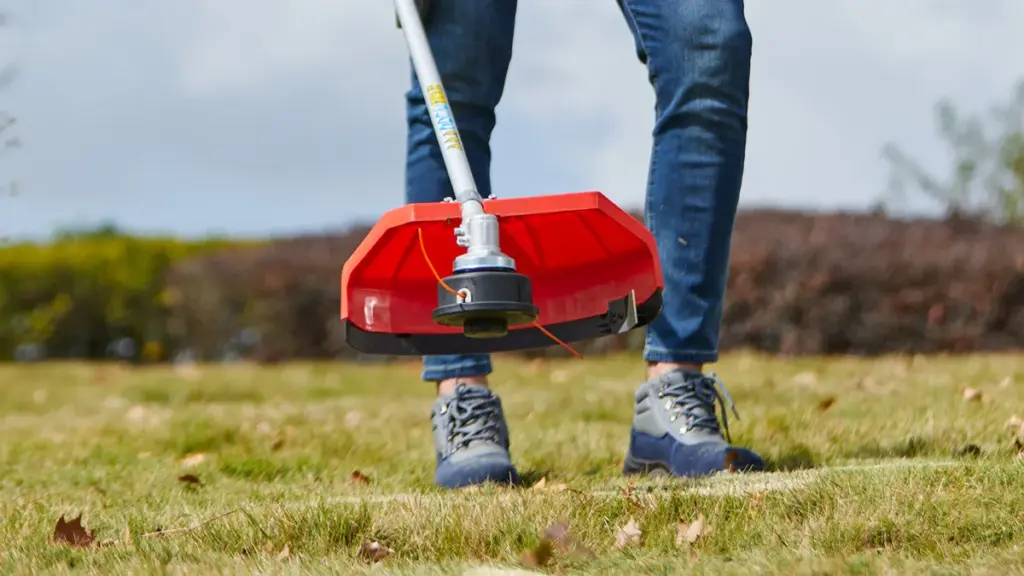
Per erba spessa ed erbacce pesanti, la linea da 0,095 pollici è lo standard versatile. Aumenta fino a 0,105 pollici per gli steli troppo cresciuti, a condizione che la tua attrezzatura abbia la potenza.
La gamma ottimale: 0.095″ contro. 0.105″ Linea
Lo 0,095 pollici (2.4 mm) line acts as the most versatile option for thick turf and heavy residential yard work. It strikes a balance between cutting power and flexibility, allowing you to clear dense patches without immediately bogging down standard landscape equipment.
The 0.105-inch (2.7 mm) line offers superior strength for overgrown grass, thick-stemmed weeds, and intense fence line clearing. Users should start with the 0.095-inch line and only upgrade to the 0.105-inch variant if the line snaps frequently against dense stalks or hard borders.
Matching Line Size to Equipment Power
Mid-range gas trimmers in the 20 A 30 cc category and 40V+ battery units generate enough torque to run 0.095-inch lines efficiently. These machines can maintain the high rotational speeds required to cut cleanly through tough vegetation.
Low-voltage battery models struggle with heavy lines, often resulting in sluggish performance or severe motor strain. Operators must verify the maximum supported diameter in the equipment manual before installing a thicker string to prevent drive system failure.
How Diameter Affects Cutting Efficiency and Durability
String trimmers rely on tip velocity and weight to perform work. Larger diameters carry more physical mass, delivering the momentum needed to slice right through coarse, fibrous vegetation instead of just bending it over.
Upgrading to a 0.095-inch or 0.105-inch size drastically reduces breakage when striking hard surfaces like concrete walls or wood retaining posts. Selecting the smallest effective diameter for your specific terrain prevents unnecessary engine drag and optimizes battery runtimes for long shifts.
What Size Trimmer Line Is Best for Heavy-Duty Brush?
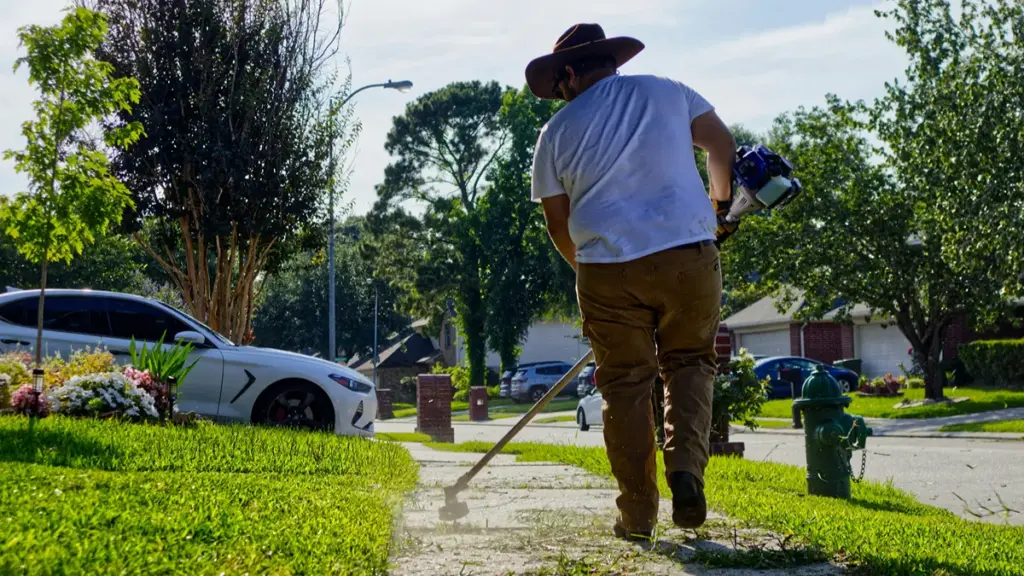
Heavy-duty brush requires line diameters between 0.110 E 0.155 pollici. To maintain cutting speed and protect the clutch, always match these thicker lines to commercial-grade engine displacements.
Recommended Line Sizes by Brush Density
Thick, woody brush destroys standard residential trimmer line on impact. To clear dense undergrowth efficiently, you need mass and rigidity. Operators categorize heavy-duty string trimmer line into three primary bands based on vegetation density.
- 0.095 A 0.105 pollice: Suited for heavy weeds, erba folta, and light brush using high-powered residential trimmers.
- 0.110 A 0.130 pollice: Ideal for thick brush, woody shrubs, and dense vegetation in commercial-grade clearing work.
- 0.155 inch and above: Reserved for extreme-duty clearing and heavy commercial applications.
Matching Line Diameter to Engine Displacement
Pushing a thick line through dense brush creates massive drag. Thicker lines resist breakage but demand significantly more engine torque to maintain cutting speed. If your engine lacks the output to spin a heavy line at peak RPM, the trimmer bogs down and batters the vegetation.
- 25 A 35 cc engines: Perform best with 2.7 A 3.0 mm (ca. 0.110 pollice) linea.
- 40 cc engines: Provide the necessary torque for 3.0 A 3.5 mm (ca. 0.130 pollice) linea.
- 40 A 50 cc or larger engines: Required to effectively spin 3.5 A 4.5 mm (0.155 inch and thicker) linea.
Choosing the Right Line Shape for Heavy Brush
Profile geometry dictates how the line interacts with woody stems. You must weigh raw cutting power against material wear and motor strain.
- Round line: Offers high durability and resists breaking against hard stems, making it a reliable choice for everyday heavy clearing.
- Piazza, seghettato, or twisted line: Delivers a more aggressive cut through thick brush but tends to wear faster.
Aggressive line profiles place higher drag on the trimmer head. You need adequate engine power to prevent the machine from bogging down when those sharp edges bite into thick stalks.
Equipment Limitations and Capacity Bounds
Manufacturers engineer trimmer heads and clutches for specific load limits. Forcing an oversized line into a head not rated for it guarantees mechanical failure.
- Poor cutting performance: Using a line thicker than the trimmer’s rating causes poor cutting performance and accelerates head wear.
- Mechanical overload: Excessive line weight puts unnecessary strain on the engine and clutch system.
- Strict upper limits: Always treat the manufacturer’s specified maximum line diameter as a strict upper limit to protect the equipment.
Round vs Square vs Star-Shaped Trimmer Line
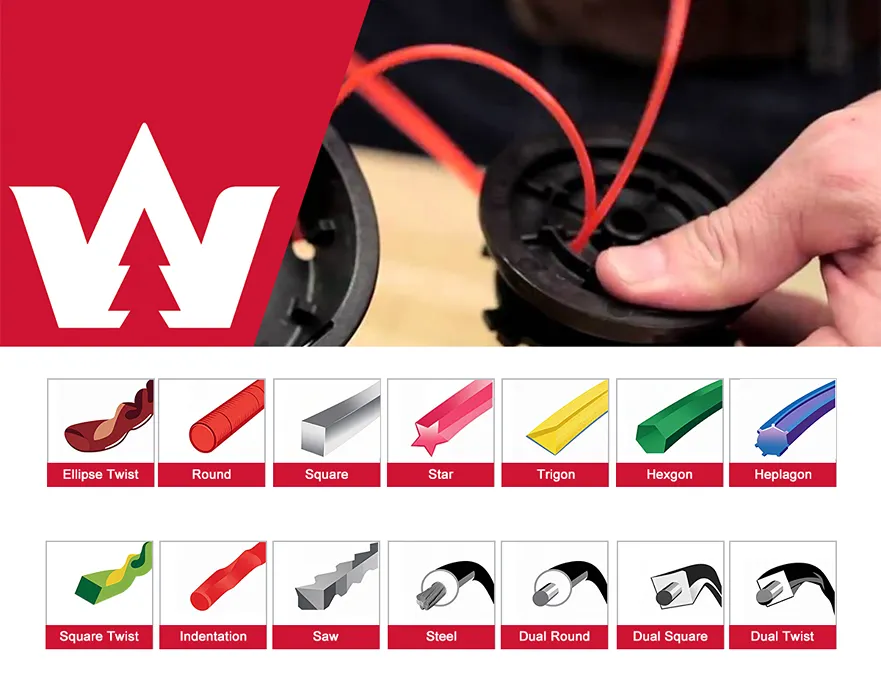
Round line is the most common type. Its smooth surface provides good durability and works well for general grass and weed trimming. It is also less likely to wear unevenly.
Square line has sharper edges that can provide more aggressive cutting on thick grass and weeds. It may be useful for demanding vegetation but can wear differently depending on the working conditions.
Star-shaped or multi-sided line has multiple cutting edges. It is designed to improve cutting efficiency and can perform well on tougher vegetation.
The best shape depends on the job. For everyday lawn maintenance, round line is a reliable choice. For heavier vegetation, square or multi-sided line may provide more aggressive cutting.
Best Applications and Diameter Selection
Match the line shape and diameter directly to the yard conditions and your specific equipment capacity.
- Round Line (0.065-0.095 pollice): Use for regular weekly maintenance on typical residential yards using battery or small gas trimmers.
- Square Line (0.080-0.105 pollice): Step up to this size for tackling overgrown fence lines, ditch banks, and medium-to-heavy vegetation.
- Star-Shaped Line (0.090+ pollice): Reserve these large diameters for heavy-duty cleanup of coarse grasses, thick weeds, and neglected lots.
How to Know Which Trimmer Line Size Your Machine Needs
Match your trimmer line size to your machine’s manual, power output, and the target vegetation. Getting this right maximizes cutting performance and prevents equipment damage.
Check the Owner’s Manual or Trimmer Head
The fastest way to find your required line size is to consult the original documentation. Open your owner’s manual and scan for specifications labeled as cutting line, line diameter, spool capacity, or recommended line size. Manufacturers engineer the trimmer head to operate within these exact tolerances.
If you lost the manual, inspect the equipment directly. You can often find the printed or molded dimensions on the trimmer head, spool cover, or housing. Once you find this number, treat it as a hard limit. Stay strictly within the manufacturer’s specified range rather than choosing by appearance or feel at the hardware store.
Match Line Size to Trimmer Power and Type
Trimmer power directly dictates how thick of a line the motor can spin efficiently. Mismatching the line thickness overloads the drive system and slows down the RPMs.
- Electric and battery-powered trimmers: Generally require smaller diameters, commonly between 0.065 E 0.080 pollici (1.6 A 2.0 mm).
- Residential gas trimmers: Support mid-range to thicker lines, often ranging from 0.080 A 0.110 pollici.
- Commercial brush cutters: Handle the thickest lines, starting at 0.110 inches and scaling up to 0.155 inches for high-power units.
Matching the line to the motor ensures the tip speed stays high. High tip speed is exactly how the tool slices cleanly through grass instead of just battering it.
Select the Right Diameter for the Vegetation
Once you know what sizes your machine accepts, select the specific diameter based on your yard conditions. Thicker lines deliver more impact force, but they also create more drag.
- 0.065 to 0.080-inch line: Use for light grass, bordatura, sidewalks, and fences.
- 0.080 to 0.095-inch line: Choose for general lawn maintenance and thicker grass.
- 0.095 to 0.110-inch line (or higher): Opt for heavy weeds, dense growth, and woody stems.
The smartest approach is to apply the smallest line size that reliably completes the task. A thinner line cuts cleaner and minimizes mechanical strain on your machine.
Common Mistakes to Avoid
Many operators try to force a heavier line to do a job the machine wasn’t built to handle. This creates a cascade of mechanical and performance issues.
- Overloading the head: Installing a thicker line than the trimmer is designed for drops cutting performance and damages the head assembly.
- Copying old spools blindly: Buying replacement line based solely on the size of the old spool causes errors, especially if a previous owner modified or replaced the trimmer head.
- Ignoring the limits: Exceeding the maximum allowed diameter just because a thicker line physically fits into the spool housing will overheat the motor.
Stick strictly to the manufacturer specifications. A fast-spinning thin line always outcuts a slow, bogging thick line.
Common String Trimmer Line Problems and Solutions
Even the correct diameter can perform poorly if the line is installed or used incorrectly.
| Problem | Possible Cause | Solution |
|---|---|---|
| Line breaks frequently | Line is too thin or worn | Use the recommended diameter and replace worn line |
| Line does not feed | Incorrect winding | Rewind evenly in the correct direction |
| Poor cutting performance | Line too thin or worn | Use a suitable diameter and fresh line |
| Engine slows down | Line is too thick | Use the manufacturer’s recommended size |
| Line welds together on spool | Excessive heat or poor line material | Use quality line and store it correctly |
| Uneven cutting | Different line lengths | Rewind and adjust both sides evenly |
How to Replace String Trimmer Line
Replacing trimmer line requires matching the exact diameter to your head style, winding it tightly in the designated direction, and testing the feed mechanism before operation.
Safety Checks and Trimmer Preparation
Preparation ensures you do not accidentally trigger the equipment while working near the cutting head. Securing the tool properly speeds up the replacement process.
- Power disconnection: Disconnect the power source by unplugging the cord, removing the battery, or detaching the spark plug.
- Tool positioning: Place the trimmer on a flat surface with the head facing up to provide clear access to the spool.
- Head identification: Identify the specific head style, such as a standard manual-wrap reel, a bump-feed head, or a quick-load system.
Removing the Old Line and Cleaning the Head
Old debris causes friction and stops new line from feeding properly. You need to clear the housing completely before loading fresh cord.
- Head opening: Open the trimmer head by pressing the side release tabs or twisting off the central bump knob.
- Spool removal: Pull the spool out of the housing and completely unravel any leftover string.
- Debris clearance: Wipe away accumulated grass, sporco, and mud from the spool and housing to prevent future jamming.
Selecting and Cutting the New Trimmer Line
Using the wrong line thickness or leaving ragged edges will cause immediate feed issues. Cut the cord cleanly to match your specific equipment ratings.
- Diameter selection: Select the appropriate diameter for the job, tipicamente vanno da 0.065 inches for light grass to 0.095 inches for heavy weeds.
- Length measurement: Measure and cut the manufacturer-recommended length, which usually falls between 10 E 25 feet per spool.
- Clean cuts: Use sharp cutters to create clean ends, preventing fraying that makes threading difficult.
Winding the Line Onto the Spool
Loose or crossed lines trap heat and melt together during operation. Winding requires consistent tension and correct alignment.
- Anchor location: Locate the starting anchor hole and the directional arrow printed on the spool.
- Tension application: Wind the line tightly and evenly side-to-side in the direction of the arrow to avoid overlapping or binding.
- End securing: Stop winding when about six inches remain, securing the loose ends into the holding slots on the spool rim.
Reassembling the Trimmer Head
The spool must seat perfectly into the housing for the bump mechanism to function without jamming or failing under high RPMs.
- Eyelet threading: Thread the free ends of the line through the exit eyelets located on the sides of the trimmer head housing.
- Spool seating: Push the wound spool down onto the central spindle until it seats firmly into place.
- Cover locking: Replace the outer cover or bump knob, snapping or twisting it until securely locked.
Final Testing and Adjustments
Before returning to active yard work, verify the feed system operates correctly under normal operating speed.
- Power restoration: Reconnect the battery, power cord, or spark plug.
- System testing: Turn on the trimmer and activate the feed mechanism, such as tapping the bump head on the ground, to verify smooth operation.
- Length calibration: Allow the line cutter blade on the trimmer guard to automatically trim any excess length as the head spins.
Considerazioni finali
Choosing the right string trimmer line size is a balance between prestazioni di taglio, durabilità, and machine compatibility.
Per erba leggera e piccoli giardini, 0.065″–0,080″ line is often enough. For general grass and weeds, 0.080″–0,095″ provides a useful balance. Tough weeds and heavy vegetation may require 0.105″–0,130″ linea, provided that the trimmer is designed for it.
The most important rule is simple: do not choose line diameter based on thickness alone. Match the line to the vegetation and the specifications of the trimmer head and engine.
Looking for a reliable outdoor power equipment partner? NEWTOP provides complete trimmer and brush cutter solutions for manufacturers, distributori, e utenti professionali. Contact NEWTOP today to discuss your product requirements and develop the right cutting system for your market.
Domande frequenti
What size trimmer line should I use?
The right trimmer line size depends on your equipment and the vegetation. For light-duty work with electric trimmers, use 0.065–0.080 inch line. Typical residential lawns with mixed grass and weeds require 0.080–0.095 inch line. For heavy weeds or larger properties requiring mid-power gas trimmers, step up to 0.095–0.105 inch line. Commercial brush cutting calls for 0.110 inch or thicker line on rated machines.
Can I use thicker trimmer line in my trimmer?
You can use thicker trimmer line only if your trimmer head and powertrain are rated for it. While thicker line increases durability, it also creates more drag. If your trimmer lacks the power to spin it, the tool may bog down, cut poorly, and drain the battery faster. Always stay within the diameter range specified in your owner’s manual or stamped on the trimmer head.
È 0.095 O 0.080 trimmer line better?
0.080-inch line excels at typical residential lawn maintenance, light edging, and maximizing battery efficiency on smaller trimmers. 0.095-inch line handles heavy residential work, thick weeds, and rough terrain. Choose 0.080 for a clean cut on regular grass, and upgrade to 0.095 only if you use a powerful gas or high-voltage cordless trimmer capable of driving the heavier mass.
What is 0.095 trimmer line used for?
0.095-inch line serves as a medium-to-heavy-duty diameter for thick grass, tough weeds, e pennello leggero. It bridges standard residential trimming and light commercial work. Yard owners frequently use it for edging along hard surfaces like fences and driveways where thinner lines wear out quickly. This size pairs best with mid-power gas trimmers and high-voltage cordless models.
What trimmer line is best for thick weeds?
Heavy-duty line ranging from 0.095 A 0.130 inch handles thick weeds effectively. Square or multi-sided lines in these diameters provide sharp edges that slice aggressively through fibrous stems. You must pair this heavier gauge with a sufficiently powerful tool, such as a 25cc+ gas trimmer or a commercial-grade battery unit, to maintain high RPMs and clean cutting performance.
Does thicker trimmer line cut better?
Thicker line cuts overgrown vegetation and woody weeds effectively by delivering more impact force and resisting breakage. It does not provide a better cut on standard lawn grass. Using overly thick line on thin grass can reduce the trimmer’s speed and push the turf over, leaving a rough finish. Match the thickness directly to the vegetation type and tool power.
How do I know what size line my trimmer head takes?
Check your owner’s manual or look for the approved diameter range stamped directly on the trimmer head. If the labels are missing, match the line to the power class. Small electric units typically use 0.065–0.080 inch line, mid-range gas and battery tools handle 0.080–0.095 inch, and heavy-duty brush cutters require 0.105 inch and above. Never exceed the maximum rated diameter for your specific head.