Portable water pumps are essential tools for businesses and professionals who need to move water quickly and efficiently across various environments. From irrigation in agriculture to draining construction sites or handling emergency flood situations, these pumps provide flexibility, fiabilité, et commodité. Choosing the right portable pump can save time, reduce costs, and ensure that operations run smoothly, whether you are a contractor, farmer, or industrial operator.
Dans ce guide, we explore what portable water pumps are, their common applications, key specifications, and practical tips to match pump capacity to real working conditions. We also highlight common mistakes to avoid, helping you make informed decisions when sourcing pumps from a trusted manufacturer. By the end, you’ll have a comprehensive understanding of how to select and use portable water pumps for maximum efficiency.
What Is a Water Pump and How Does It Work?
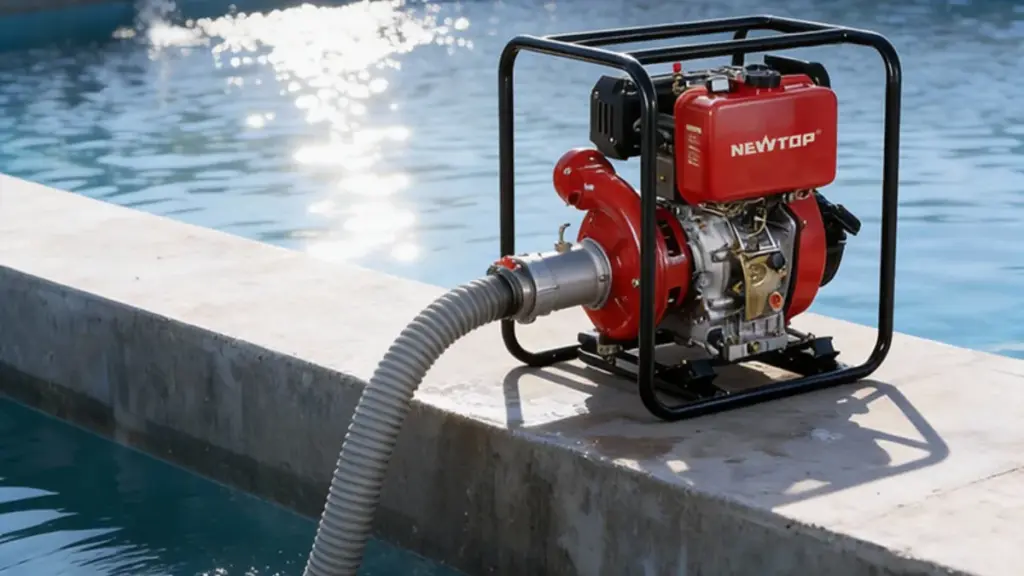
A water pump mechanically converts kinetic energy into hydraulic pressure, creating an internal vacuum that draws fluid in and continuously forces it out through a system.
Core Functions and Key Components
A water pump achieves its primary goal by converting mechanical energy into hydraulic energy. By creating precise pressure changes within a closed system, the pump actively transports water across pipelines, channels, or storage points. This continuous movement relies on a tightly integrated assembly of internal hardware.
- Impeller: Generates rapid fluid movement to push the water.
- Casing: Contains the internal components and manages system pressure.
- Shaft: Transfers raw motor power directly to the impeller.
- Bearings and Seals: Prevent fluid leaks and ensure smooth, reliable rotation.
- Valves and Sensors: Manage directional flow and monitor system performance in real time.
Operating Principles and Energy Transfer
The operation starts the moment the internal components—such as impellers, vanes, or diaphragms—begin to move. This movement immediately displaces the air inside the chamber, creating a low-pressure partial vacuum. Nature naturally seeks equilibrium, so the higher external atmospheric pressure forces water directly into the pump’s inlet to fill that vacuum.
Once the water enters the pump, the moving parts transfer their kinetic energy directly to the fluid. This energy pushes the water outward through the discharge port with substantial force. As water exits, it clears space for more fluid to enter the suction side, maintaining a continuous cycle of circulation as long as the motor runs.
Common Applications of Portable Water Pumps
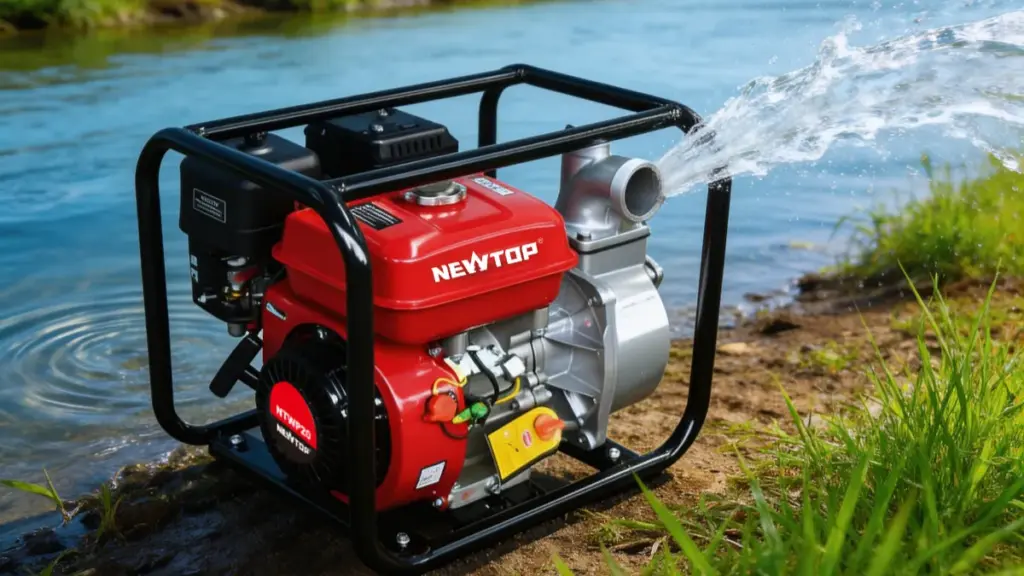
Portable water pumps provide immediate, tool-to-problem deployment. They move fluids efficiently during emergencies, agricultural tasks, and industrial operations without relying on stationary infrastructure.
Emergency and Industrial Operations
Heavy-duty scenarios demand reliable, immediate water movement. Stationary systems often fail during infrastructure outages, making mobile deployment the primary solution for crisis management and heavy industry.
- Emergency response: Crews deploy portable pumps to clear standing water rapidly. This mitigates health risks and prevents long-term property damage after severe floods.
- Firefighting: Mobile systems secure continuous water flow for teams battling rural wildfires or complex industrial incidents.
- Construction and mining: Work crews dewater excavations, trenches, and open pits to maintain safe job sites and prevent costly delays.
- Municipal utilities: City workers restore services temporarily when pipe failures or power outages interrupt the standard water supply.
Agricultural and Everyday Utility
Beyond high-stakes emergencies, mobile pumps drive daily operations in agriculture, residential maintenance, and specialized commercial sectors by pulling water directly from local sources.
- Crop irrigation: Farmers and gardeners draw water for expansive drip systems, directly improving food security and crop yields in arid regions.
- Residential drainage: Homeowners drain flooded basements, empty swimming pools, and manage emergency plumbing leaks directly at the source.
- Landscaping design: Professionals power decorative fountains, artificial ponds, and waterfalls to enhance aesthetic indoor and outdoor spaces.
- Laboratory applications: Technicians transfer fluids using battery-powered mini pumps to achieve precise medical and chemical dosing.
Maximize Margins With Durable Power Equipment
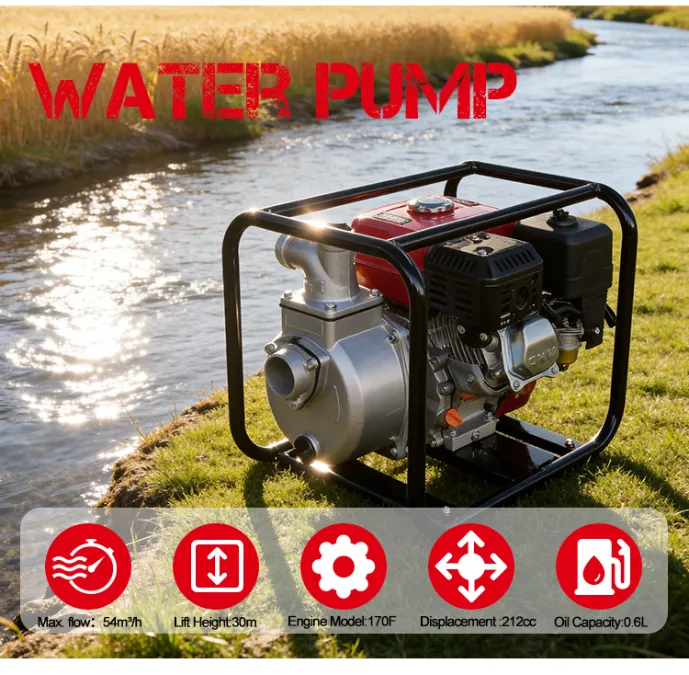
Key Portable Water Pump Specifications That Matter
Selecting the right portable pump comes down to calculating total dynamic head and matching your power source to the off-grid environment. Guessing these specs leads to equipment failure.
| Specification Category | Typical Range / Standard | Primary Impact |
|---|---|---|
| Flow Rate | 345–1,050 GPH (portable) / 26–53 GPM (domestic) | Determines how quickly you can move water |
| Maximum Head | 50–66 ft (15–20 m) | Ensures water can reach required height |
| Engine Power | 16,500 RPM / 5.5A draw (20V Brushless); 38CC 4-stroke gas engine | Affects efficiency and suitability for heavy-duty tasks |
| Suction Lift | Jusqu'à 25 ft (7.5 m) typical for portable units | Critical for sources below pump level |
| Port Size | G3/4″ – 1.5″ (standard garden to high-capacity connections) | Ensures proper hose connection and flow |
| Material | Cast iron, aluminum, reinforced plastics | Impacts lifespan and resistance to debris or corrosion |
Performance Metrics for Flow Rate and Lift
Flow rate dictates exactly how much water you move over a specific period. Standard portable models handle between 345 et 1,050 gallons per hour (GPH), while domestic setups require higher capacities ranging from 26 à 53 gallons per minute (GPM).
You calculate the maximum head height to determine the vertical distance your pump can push water. Always calculate your Total Dynamic Head (TDH) to factor in both your raw vertical lift and hose friction. Expect the following baseline limits when evaluating models:
- Basic 12V Portable Units: Push water up to 50 feet of vertical lift.
- Robust Cordless Models: Extend vertical lift capabilities up to 66 pieds.
- Brushless Motors (2026 Standard): Operate at 16,500 RPM on cordless platforms.
- Power Draw: Consume a maximum of 5.5A on 20V systems for steady output.
These motor specifications directly drive your overall efficiency. Operating within these defined parameters ensures you maintain consistent flow without prematurely burning out the motor or draining cordless batteries.
Power Sources and Physical Design Limitations
Energy sources dictate the portability and maintenance schedule of your equipment. Cordless 20V and 12V electric pumps provide quiet operation with minimal upkeep. If you require complete off-grid placement flexibility, 38CC 4-stroke gas models remain the standard choice for remote sites.
Physical tolerances and port sizes determine whether a pump survives harsh field conditions. Review these physical limitations before deployment:
- Temperature Limits: Standard models safely process water under 95°F (35°C).
- Particle Clearance: Typical units pass debris up to 0.079 pouces (2 mm), while specialized units handle heavy mud.
- Light-Duty Connections: Manufacturers fit G3/4-inch threads for standard garden hoses.
- High-Capacity Ports: Transfer operations scale up to 1.5-inch discharge ports to handle larger volumes.
Matching these connection ports to your existing hardware prevents bottlenecks. Pushing water through undersized fittings causes flow restriction and creates excessive back pressure, which damages internal pump components and reduces equipment lifespan.
Common Mistakes When Choosing Portable Water Pumps
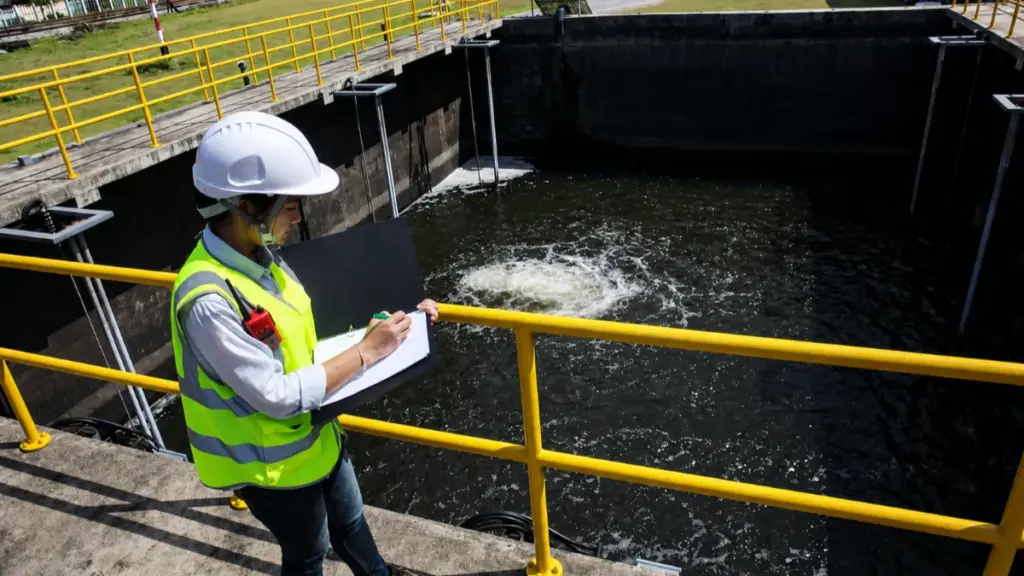
Getting specs wrong guarantees burned-out motors and wasted fuel. Always overcalculate your capacity needs by 20% and match pump materials to the exact fluid you move.
Misjudging Capacity and Head Requirements
Sizing a pump requires exact math, not a rough guess. Pick an undersized model, and you face prolonged task times and constant recirculation. Buy one that is too big, and you waste fuel while accelerating equipment wear. To nail the sizing, calculate your total liquid volume and automatically add a 20-30% capacity buffer. This strategy ensures efficient operation without continuously redlining the hardware.
- Total Dynamic Head (TDH): Factor in the vertical lift, horizontal travel distance, and the inevitable friction loss caused by long or narrow hoses.
- Peak Demand Target: Choose models rated 70-80% above your maximum TDH calculation to meet peak demand reliably under tough conditions.
Ignoring Fluid Types and Safety Protections
A standard centrifugal pump handles clean water perfectly. But drop that same unit into dirty water, abrasives, or viscous fluids, and you guarantee rapid clogging and mechanical failure. You must match the pump hardware directly to the material. Beyond the fluid itself, failing to build in operational safeguards will kill your equipment fast. Running a pump dry destroys the motor and seals within hours.
- Material Matching: Use trash pumps with open impellers to handle heavy debris, or select stainless steel builds to survive acidic liquids.
- Automated Protections: Prioritize models equipped with float switches, thermal overload protection, or auto shut-off features to prevent dry-running.
- Hose Compatibility: Pair the pump with the correct reinforced hoses. Match the outlet diameter exactly to minimize hydraulic resistance and prevent sudden leaks.
How to Match Pump Capacity to Real Working Conditions
Correctly matching pump capacity to actual conditions is critical for efficiency and reliability. Here’s a structured approach:
| Facteur | Recommandation |
|---|---|
| Flow Rate | Choose slightly higher than calculated to ensure efficiency |
| Suction/Discharge Height | Include friction loss margin |
| Water Quality | Use trash or solids-handling pump if debris is present |
| Operating Duration | Select a robust engine or motor for extended use |
| Environment | Choose corrosion-resistant or reinforced materials |
1. Calculate Required Flow Rate
Determine the volume of water needed per minute. For irrigation, consider the total area and water consumption per plant. For drainage, estimate the amount of accumulated water.
2. Measure Suction and Discharge Heights
Identify the vertical distances from the water source to the pump (suction lift) and from the pump to the discharge point (maximum head). Add extra margin for friction loss in hoses.
3. Consider Water Quality
If the water contains debris, sand, or organic matter, choose a pump designed for solids handling. Using a standard pump in these conditions can lead to clogs and damage.
4. Account for Operating Duration
Continuous operations may require a more robust engine or motor. Consider models with higher power and cooling features for prolonged use.
5. Check Environmental Conditions
Temperature extremes, dusty environments, or chemical exposure influence material choice. Corrosion-resistant or reinforced pumps are recommended for challenging conditions. FactorRecommendationFlow RateChoose slightly higher than calculated to ensure efficiencySuction/Discharge HeightInclude friction loss marginWater QualityUse trash or solids-handling pump if debris is presentOperating DurationSelect a robust engine or motor for extended useEnvironmentChoose corrosion-resistant or reinforced materials
Ready to Source Portable Water Pumps From a Reliable Factory?
Sourcing portable water pumps requires vetting factories for strict NSF 61 conformité, verifying flow capabilities, and structuring bulk orders for modular, battery-compatible equipment.
À NOUVEAUTOP, we specialize in high-quality portable water pumps designed for multiple applications, including agriculture, construction, and emergency water management. Our products combine durability, efficacité, and ease of transport, making them ideal for both professional and occasional use.
Why Choose NEWTOP Portable Water Pumps:
- Versatile Selection: Models for clean water, trash, and chemical handling
- Durable Materials: Cast iron, aluminum, and reinforced plastics for longevity
- Power Options: Essence, électrique, and battery-powered units for any site
- OEM/ODM Customization: Flexible solutions for distributors and contractors
- Global Distribution: Reliable logistics for on-time delivery worldwide
Whether you need pumps for small-scale irrigation or large construction projects, our team can help match the right model to your operational requirements. Partnering with a trusted manufacturer ensures consistent quality, soutien, and performance.
Pensées finales
Portable water pumps are indispensable tools for a wide range of applications. Understanding how they work, their key specifications, and proper usage ensures optimal performance, longevity, and efficiency. Choosing a reliable manufacturer like NEWTOP guarantees quality, customization options, and support for global business needs.
We recommend starting with a sample order to evaluate the actual flow capacity and modular battery compatibility firsthand. Contact our manufacturing team to discuss your specific OEM requirements and structure your next bulk deployment.
Foire aux questions
What is a portable water pump used for?
Portable water pumps move liquids from one location to another. Homeowners and contractors use them for emergency water removal in flooded basements, pool maintenance, garden irrigation, and construction dewatering. They adapt easily to residential, agricole, and light commercial tasks.
How do I choose the right portable water pump?
Selecting the right pump requires calculating your flow rate needs in gallons per minute (GPM) and the total vertical lift or head. You must assess your water source to see if you need to move clean water or debris. From there, choose the appropriate power type—such as battery, électrique, solar, or gas—based on portability requirements and site access.
What is the difference between a transfer pump and a trash pump?
Transfer pumps move clean, solid-free water quickly and generate higher pressure. Trash pumps manage dirty water filled with debris like mud, leaves, and pebbles. Trash pumps incorporate open impellers with large gaps to pass solids without clogging. Transfer pumps utilize closed impellers for maximum clean water efficiency.
How much water can a portable pump move per minute?
Capacity varies significantly based on the pump size, power source, and vertical lift. Mini utility pumps typically move 3 à 15 gallons per minute (GPM), residential models handle 25 à 50 GPM, and larger semi-trash pumps can clear between 90 and over 400 GPM. Vertical lift and pipe friction naturally reduce these maximum open-flow rates.
Can a portable water pump be used for irrigation?
Oui, portable pumps efficiently power agricultural and residential irrigation systems. They draw water from ponds, streams, or wells and supply sprinklers, drip lines, or livestock troughs. You need to match the pump’s flow and pressure capabilities to your specific distribution system to guarantee adequate field coverage.
What should I check before using a portable pump for drainage work?
Inspect power connections and check hoses for airtight seals to prevent priming failures. You must clear the inlet screens of dirt or residue to avoid blockages. Verify that the discharge pipe routes water at least 20 feet away from structures, and confirm your specific pump model handles the type of water you plan to drain.