Knapsack sprayers are one of the most stable product categories in agricultural and public health equipment because they serve many daily needs, from crop protection to sanitation work. Pour les distributeurs, importateurs, and private-label buyers, the right wholesale strategy can improve margin, lower service costs, and build a repeat-order business over time.
This guide explains how to select the right products, control batch quality, negotiate better supply terms, and grow your brand with wholesale knapsack sprayers. It is written for buyers who want reliable products, clear cost control, and long-term business value.
Wholesale Knapsack Sprayer Strategies for Global Distributors

Successful global distribution hinges on a multi-channel sales approach, targeted product customization for regional demands, and a secured supply chain focused on high-growth segments like battery-powered models.
Targeting High-Growth Market Segments
Global distributors can build a competitive advantage by concentrating on high-demand niches. The shift toward electric and battery-powered models is supported by broader market demand for more efficient and lower-fatigue spraying solutions. This strategy requires identifying specific regional demands for precision agriculture technology and eco-friendly equipment, moving beyond a volume-only sales model.
- Prioritize sourcing lithium-ion sprayers to meet demand from environmentally conscious users and light professional landscapers.
- Integrate technology-enhanced models featuring GPS or specialized sensors for the precision agriculture sector.
- Focus on markets like Europe where regulatory compliance and low-emission equipment are key purchasing factors.
Adopting a Multi-Channel Sales Approach
Effective distribution requires a flexible, multi-channel sales network. Relying on a single channel is no longer sufficient. Distributors should combine online platforms, traditional specialty retailers, and direct dealer relationships to reach a wider customer base, from small B2B shops to large agricultural enterprises.
- Develop an e-commerce platform to serve small agricultural tool shops and rental companies in emerging markets.
- Establish partnerships with regional brand agents and distributors who have established local networks.
- Engage directly with project and tender buyers for municipal landscaping or large-scale agricultural operations.
Customizing Products for Regional Needs
A one-size-fits-all approach is ineffective in the global market. Distributeurs must partner with manufacturers offering OEM and private label services to tailor products. This involves adjusting features, image de marque, and packaging to meet local price points and performance expectations in markets across Africa, l'Amérique latine, et Asie du Sud-Est. Customization creates a product that feels built for the local user, not just imported.
- Use OEM customization to create a unique brand identity with custom colors, logos, and packaging.
- Adjust sprayer configurations, such as tank capacity or nozzle type, to suit dominant local crops and farming practices.
- Work with suppliers to ensure product manuals and marketing support materials are adapted for local languages.
Securing a Stable and Quality-Assured Supply Chain
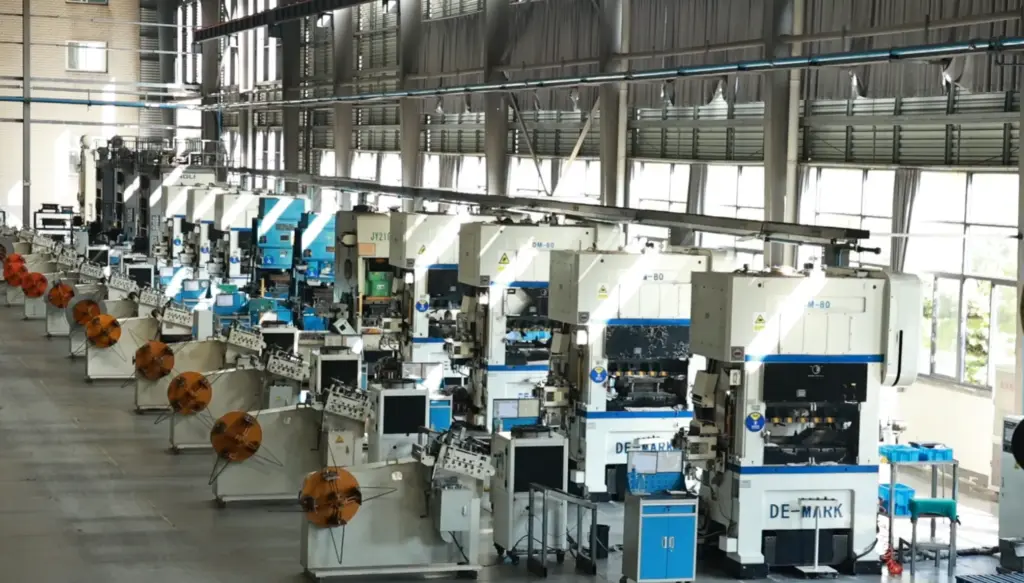
Long-term success depends on a reliable supply chain. Distributors should prioritize manufacturers with proven quality control systems, access to premium components, and stable capacité de production. This de-risks procurement and ensures a consistent supply of durable equipment and des pièces de rechange, which is fundamental for building trust and supporting after-sales service obligations.
- Partner with fabricants de pulvérisateurs à dos who source critical components from globally recognized brands to ensure equipment durability.
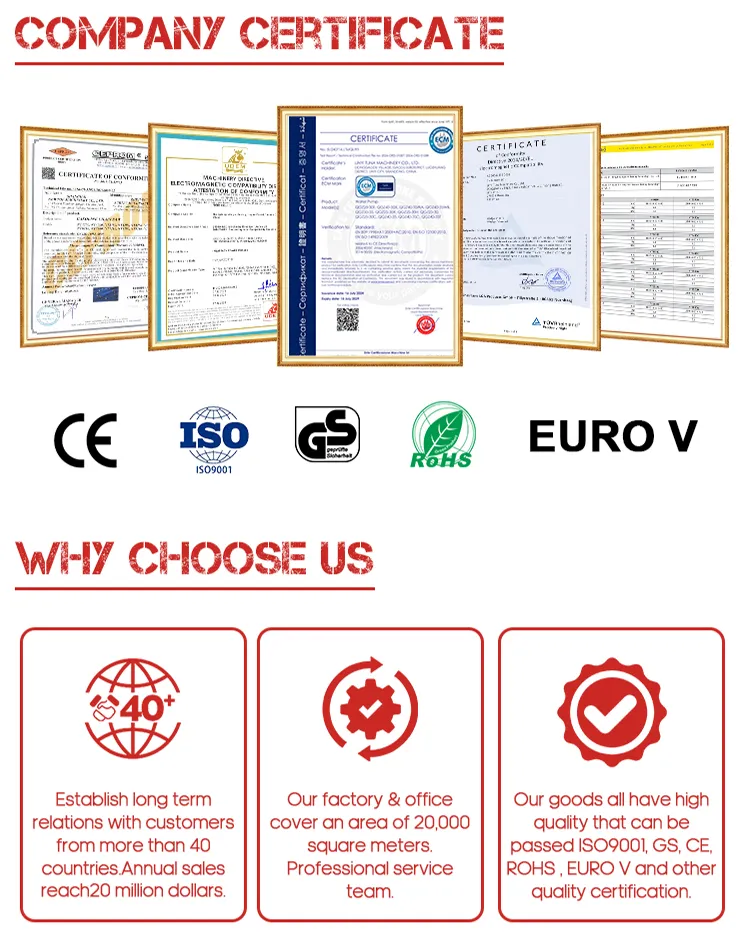
- Verify factory attestations like ISO9001 and product compliance with CE, GS, or EPA standards.
- Confirm the manufacturer’s ability to provide long-term spare parts availability, which is critical for professional users.
Wholesale Knapsack Sprayer Market: Identifying High-Demand Trends
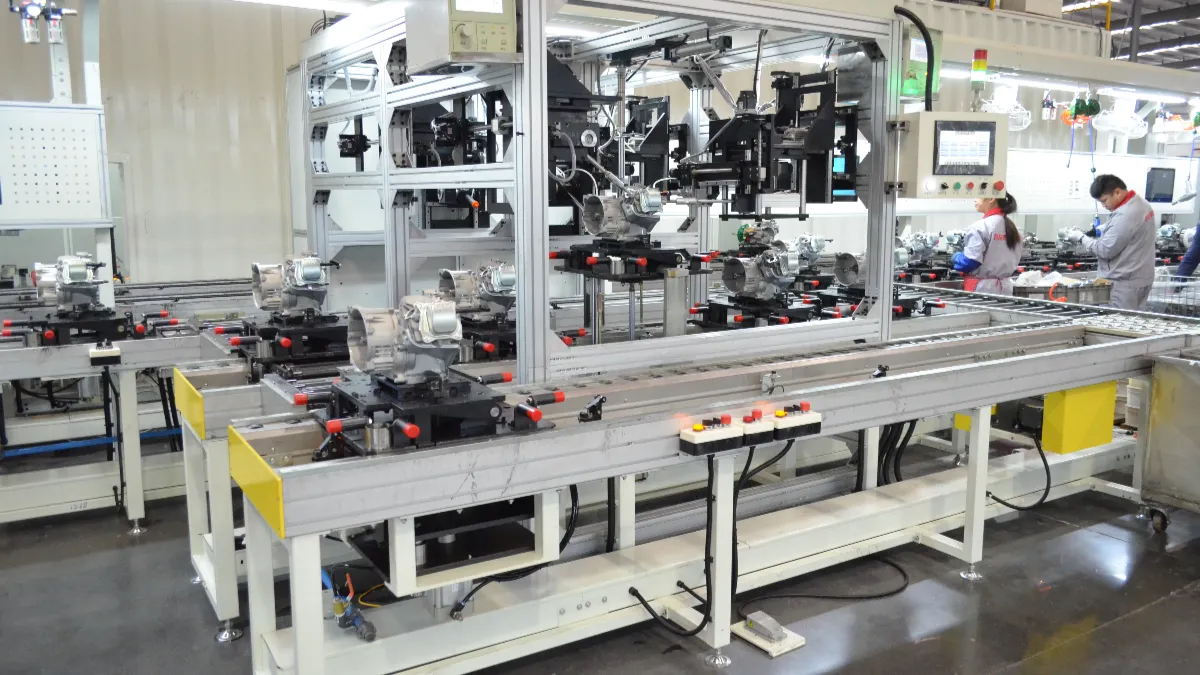
Market demand in 2026 is driven by the shift to battery-powered models, agricultural modernization in emerging economies, and a strong end-user focus on ergonomic and durable designs.
Demand for Electric and Battery-Powered Models
A clear trend for 2026 is the growing preference for electric and battery-powered knapsack sprayers. This move away from manual and gas-powered units is fueled by stricter emissions regulations, sustainability goals, and user demand for quieter, low-maintenance equipment. The electric segment alone is projected to reach USD 846 million in 2026, signaling a strong market appetite for this technology in professional landscaping, horticulture, and agriculture.
- Battery-powered models deliver consistent pressure, which improves application accuracy and reduces the operator fatigue associated with manual pumping.
- These units align with global sustainability initiatives by eliminating direct emissions and fossil fuel consumption.
- They are gaining significant traction in enclosed environments like greenhouses and in noise-sensitive areas where traditional engines are impractical.
Growth in Agricultural Modernization in Emerging Markets
Emerging markets, particularly in the Asia-Pacific region, l'Amérique latine, and Africa, are driving significant demand for wholesale knapsack sprayers. As small-scale farmers modernize their operations, they are replacing inefficient manual spraying methods with more effective tools. Government programs aimed at boosting agricultural productivity further accelerate this adoption, creating a high-volume opportunity for distributors.
- The Asia-Pacific region currently leads market growth as farmers seek cost-effective tools for better crop protection.
- Knapsack sprayers offer an optimal balance of cost and performance for small to medium-sized farms looking to improve yields.
- Distributors serving these regions require durable, easy-to-service models built to withstand demanding field conditions.
Focus on Ergonomics and Durability in Product Design
End-users now expect more than just basic function. In the competitive 2026 market, models featuring enhanced comfort and robust construction provide a clear advantage. Professional users prioritize equipment that offers long-term value, reduces physical strain, and ensures operational safety. This shift forces manufacturers and distributors to focus on product quality and design as key differentiators.
- Improved ergonomics, such as padded shoulder straps and contoured back support, directly reduce operator fatigue during long hours of use.
- Enhanced durability through the use of higher-quality plastics, better seals, and corrosion-resistant components is a primary purchasing factor.
- The market is also moving toward modular designs that allow for easier field repairs, part replacement, et personnalisation.
Augmentez vos marges avec un équipement fiable

Sourcing Strategies for Wholesale Knapsack Sprayer Orders
Effective sourcing in 2026 relies on mitigating supply chain risks through regional assembly and multi-source component strategies, while leveraging integrated digital platforms for streamlined order management.
| Sourcing Strategy | Objectif principal | Key Action for Distributors |
|---|---|---|
| Localized Assembly & Regional Warehousing | Reduce lead times, stabilize pricing, and navigate tariff pressures. | Partner with suppliers who have assembly facilities or warehouses in your target sales region. |
| Diversified Component Sourcing | Mitigate production delays and insulate operations from supply chain disruptions. | Verify your supplier sources key parts (pompes, buses, piles) from multiple origins. |
| Integrated Online Platforms | Streamline ordering, tracking, inventory management, et support après-vente. | Select manufacturers with robust digital systems for real-time order and support access. |
| Strategic Partnerships for Bundled Solutions | Increase end-user value and strengthen your competitive market position. | Work with suppliers who package hardware with necessary consumables or digital management tools. |
Prioritize Localized Assembly and Regional Warehousing
Par 2026, manufacturers are increasingly using localized assembly and regional warehouses to navigate tariff pressures and shorten delivery times. This shift gives wholesale buyers more stable pricing and quicker access to inventory, insulating them from the volatility of long-distance shipping. A regionalized supply chain is a direct response to global trade friction and creates a more resilient distribution network.
- Partner with suppliers who have assembly facilities or warehouses in your target region to reduce logistics costs.
- Regional stock availability ensures faster order fulfillment and improves supply chain resilience.
Diversify Component Sourcing to Reduce Risk
A critical sourcing strategy involves selecting manufacturers who do not rely on a single source for essential components. This diversification protects against supply chain disruptions, whether from geopolitical events, material shortages, or factory shutdowns. It ensures consistent product availability and quality, preventing a single point of failure from halting your entire operation.
- Confirm that your supplier sources key parts like batteries, pompes, and nozzles from multiple origins.
- This approach mitigates the risk of production delays and helps maintain consistent quality across batches.
Evaluate Suppliers with Integrated Online Platforms
Modern distribution relies on more than traditional wholesale channels. Choose manufacturing partners who offer integrated online platforms for ordering, tracking, and accessing after-sales support. These digital systems provide the transparency and efficiency needed to manage large-scale inventories and serve customers effectively. A supplier’s technological infrastructure is now as important as its manufacturing capabilities.
- Select suppliers whose systems allow for streamlined online order management and real-time inventory checks.
- Ensure the manufacturer provides robust, accessible after-sales service and technical support through their digital channels.
Build Strategic Partnerships for Bundled Solutions
Leading sourcing strategies now involve forming partnerships that deliver comprehensive solutions. Work with manufacturers who collaborate with agrochemical distributors or technology providers to offer integrated product bundles. This approach moves beyond simply selling a piece of hardware and instead provides a complete package that solves a larger customer problem, creating a stronger market position and higher perceived value.
- Explore opportunities with suppliers who package hardware with necessary consumables or digital management tools.
- Bundled solutions provide greater value to end-users and can create a stronger market position for your business.
Calculating Profit Margins on Wholesale Knapsack Sprayer Orders
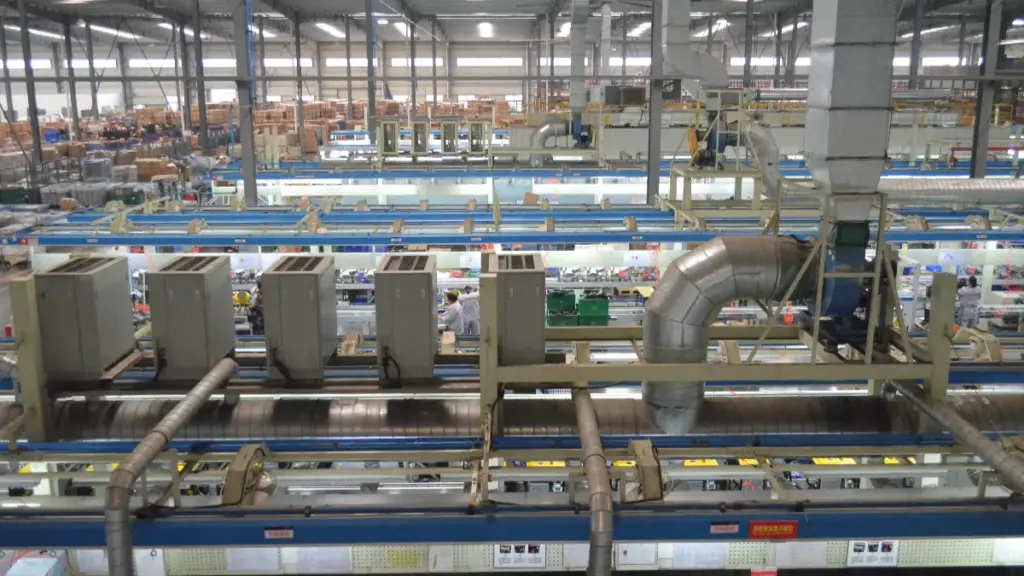
True profitability in wholesale distribution is found by meticulously tracking every cost from the factory floor to the final customer delivery, not just the initial unit price.
| Calculation Component | Key Cost Factors | Impact on Profit Margin |
|---|---|---|
| Cost of Goods Sold (COGS) | Factory unit price, international freight, import duties, customs brokerage, local transport. | Establishes the baseline cost per unit. Underestimating this directly inflates perceived profit. |
| Wholesale Resale Price | Competitor pricing, perceived brand value, warranty support, disponibilité des pièces. | Determines gross revenue. Incorrect pricing hurts either sales volume or margin per unit. |
| Operating Expenses (OpEx) | Warehousing, marketing, sales commissions, outbound shipping, administrative overhead. | Reduces gross profit to net profit. These costs reveal the business’s actual profitability. |
Establishing Your Cost of Goods Sold (COGS)
Before setting prices, you need a clear picture of every direct cost associated with acquiring your knapsack sprayers. This total cost forms the baseline for all profit calculations. A failure to accurately calculate COGS leads to mispriced products and eroded margins. You must account for the full journey of the product from the supplier to your warehouse.
- Landed Cost: This includes the factory unit price from a knapsack sprayer supplier like NOUVEAUTOP, plus all associated import duties, tariffs, and taxes required to bring the goods into your country in 2026.
- Inbound Logistics: Factor in international freight charges, port fees, customs brokerage, and domestic transportation from the port to your warehouse.
- Ancillary Costs: Account for any mandatory pre-sale preparations, such as local compliance testing or minor assembly required upon arrival.
Setting a Competitive Wholesale Resale Price
Your resale price must balance market demand with your profit goals. Researching your local market is key to finding the right price point for your B2B customers, such as retailers and agricultural supply stores. Setting a price in a vacuum is a common mistake; it must be informed by what your specific market will bear.
- Analyze competitor pricing for similar quality knapsack sprayers within your target regions.
- Determine the perceived value based on factors like brand reputation, warranty support, and spare parts availability.
- Establish tiered pricing structures for different order volumes to encourage larger purchases from your retail partners.
Factoring in Operational and Shipping Costs
Net profit depends on accounting for all business overhead beyond the direct cost of the sprayers. These operating expenses reduce your gross margin to reveal your actual take-home profit. Many distributors focus solely on COGS and sales price, overlooking the substantial costs of running the business itself.
- Warehousing and Storage: Calculate the monthly or annual costs for storing your inventory safely.
- Marketing and Sales: Include expenses related to promoting your products to retailers and any sales staff commissions.
- Outbound Logistics: Account for the costs of shipping orders from your warehouse to your B2B customers.
- Administrative Overhead: Apportion a percentage of general business costs, like rent, utilities, and salaries, to each product line.
Calculating Gross and Net Profit Margins
With all cost and pricing data collected, you can calculate your margins. This helps you understand the financial health of your wholesale operation and make informed business decisions. These two metrics tell different but equally important stories about your business performance.
- Gross Margin: Calculated as (Total Sales Revenue – Cost of Goods Sold) / Total Sales Revenue. This shows the profitability of the product itself before overhead.
- Net Margin: Calculated as (Total Sales Revenue – COGS – All Operating Expenses) / Total Sales Revenue. This reveals the final profit after all business costs are paid.
- Regularly review these margins to adjust pricing, control costs, and ensure your business remains profitable through 2026 and beyond.
Wholesale Knapsack Sprayer Quality Control and Batch Testing
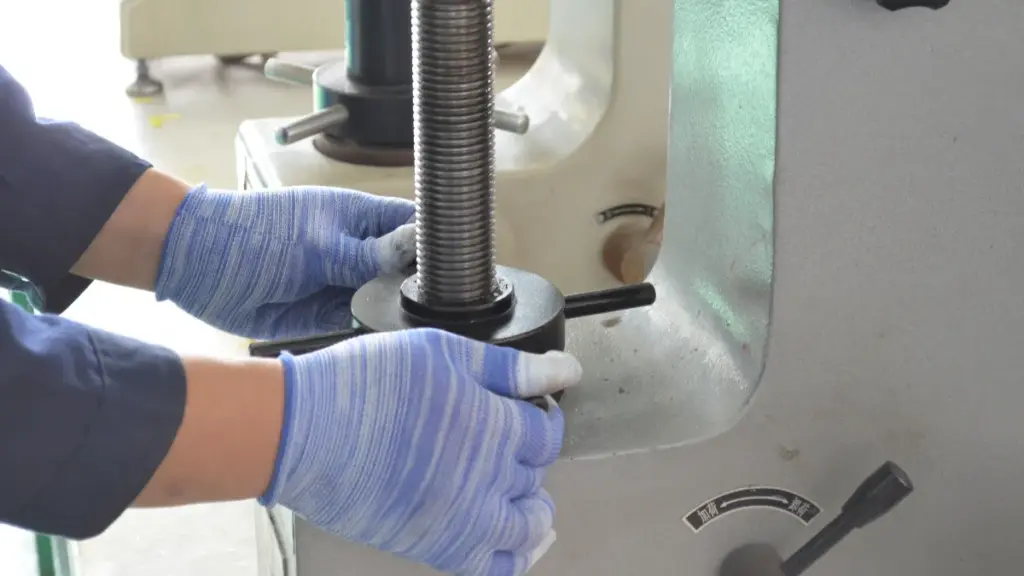
Effective quality control for wholesale knapsack sprayers prioritizes pressure system consistency, component durability under stress, and verifiable spray performance to prevent field failures and ensure accurate application.
Pressure System Integrity and Regulation
A primary focus of batch testing is ensuring the sprayer’s pressure system is both consistent and reliable. Technicians must verify that each unit maintains its specified operating pressure without leaks, a fundamental requirement for achieving a uniform spray pattern and correct application rates. Consistent pressure across an entire batch guarantees predictable performance for all end-users.
- Testing the pressure-holding capability of the tank and seals to prevent performance loss.
- Validating pressure-regulating devices and gauges to ensure they deliver a steady output.
- Checking for consistent pressure across a batch to guarantee predictable performance for end-users.
Component Durability and Mechanical Reliability
Quality control protocols include stress tests on key mechanical components. The pump mechanism, lever, and seals are subjected to repeated use simulations to identify potential points of failure before the products reach the market. This process confirms that the equipment can withstand long-term, demanding field conditions without mechanical breakdown.
- Assessing the integrity of pump seals to prevent chemical leakage and pressure drops.
- Evaluating the lever-operated mechanism to confirm it can withstand long-term field use.
- Inspecting material quality of straps, poignées, and the main body for durability.
Spray Performance and Filtration System Checks
The effectiveness of a knapsack sprayer depends entirely on its spray accuracy and its ability to resist clogging. Batch tests measure nozzle performance against specifications and confirm that the filtration system functions as intended. A key industry benchmark requires that nozzle discharge rates fall within a 10% tolerance of the manufacturer’s specifications.
- Verifying that nozzle discharge rates are within a 10% tolerance of the manufacturer’s specifications.
- Inspecting the integrity of strainers and filters to ensure they effectively prevent blockages.
- Confirming standardized calibration procedures are followed for accurate and reliable application.
Negotiating Payment Terms with Wholesale Knapsack Sprayer Suppliers
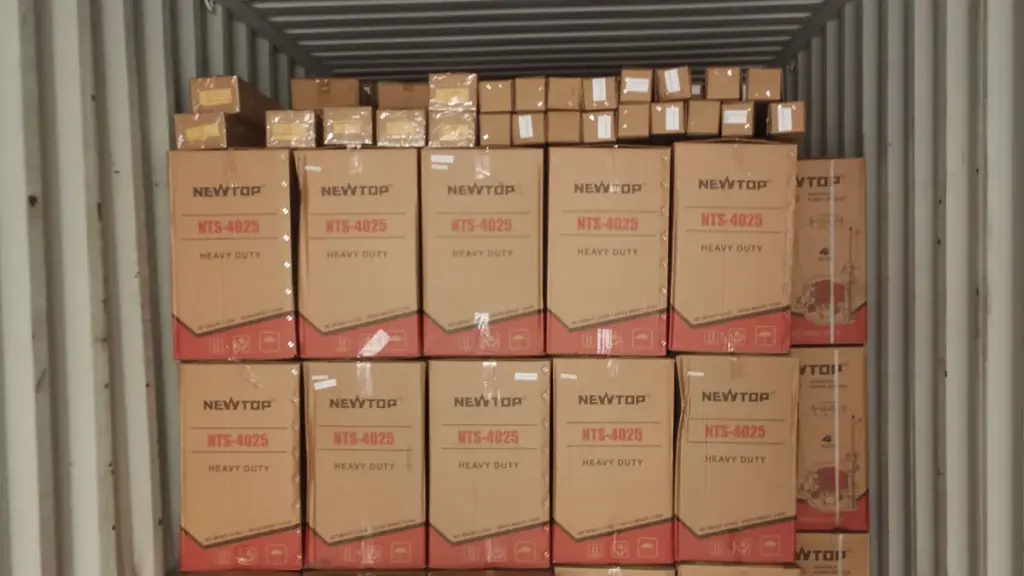
For volume orders, payment structures have shifted from standard Net 30 terms to flexible, milestone-based agreements like 30/70 splits that are tied to production and inspection.
| Payment Model | Common Structure | Best Use Case |
|---|---|---|
| Net Terms | Net 30, 60, ou 90 days post-invoice | Established distributors with consistent order history. |
| Progressive Payments | 30-50% deposit, balance due against Bill of Lading (B/L) | Large, custom, or initial high-volume OEM orders. |
| Early Payment Discount | 1-2% discount for payment within 10-15 jours | Distributors with strong cash flow looking to reduce unit costs. |
Standard Payment Structures in 2026
For established business partners, payment terms often extend beyond traditional models. A supplier like NEWTOP can offer flexible options that reflect a strong order history and partnership level, accommodating different business scales. While Net 30 is a common starting point for new accounts or smaller wholesale orders, it’s not the only option. Established distributors with consistent, high-volume orders frequently secure more favorable terms.
- Net 30 terms are common for initial or smaller wholesale orders.
- Net 60 or Net 90 terms are frequently available for established distributors with consistent order volumes.
- Final terms often depend on a credit assessment and regional market stability.
Progressive Payment Milestones for Large Orders
To manage cash flow for both the buyer and the supplier, large orders are often structured with payments tied to key production stages. This approach is standard for custom or high-volume OEM orders, as it de-risks the transaction for both parties. The initial deposit allows the manufacturer to secure raw materials and begin production without carrying the full financial burden. The final payment is held until the buyer can verify the finished goods meet their standards.
- A typical split involves a deposit of 30-50% to secure raw materials and initiate production.
- The remaining balance is due upon completion, after a pre-shipment inspection, or against the bill of lading.
- This structure secures the order for the supplier and protects the buyer’s investment until quality is verified.
Leveraging Volume and Partnerships for Favorable Terms
Long-term commitments and larger order volumes give distributors significant leverage during payment negotiations. Suppliers value predictable business and are willing to reward it with better terms. A commitment to a larger annual order volume can unlock more favorable pricing tiers and greater payment flexibility. Similarly, brand agents and partners with a proven sales track record, such as those in NEWTOP’s global network, often receive preferential treatment and more accommodating payment schedules.
- Many suppliers offer early payment discounts, souvent 1-2%, for settling invoices well before the due date.
- Committing to a larger annual order volume can unlock more favorable pricing tiers and payment flexibility.
- Brand agents and partners with a proven sales record often receive preferential treatment.
The Importance of Clear Documentation
All negotiated terms must be formalized in a written document, whether a purchase order, contract, or proforma invoice. This step is critical to prevent future misunderstandings and ensures both parties are aligned on expectations. The document serves as the single source of truth for the transaction, outlining every financial detail and procedural requirement from start to finish.
- The document should clearly state the payment schedule, due dates, and any applicable discounts or penalties.
- It must specify the transaction currency and accepted payment methods, such as Telegraphic Transfer (T/T) or Letter of Credit (L/C).
- It should also outline the process for milestone verification, like pre-shipment inspection reports, before subsequent payments are due.
Managing Quality Risk in Wholesale Knapsack Sprayer Batches
Quality risk management for knapsack sprayers now centers on pesticide containment, ergonomic safety, and the component reliability of newer battery-powered models.
Pesticide Containment and Leak Prevention
The primary quality failure in any knapsack sprayer is a leak, which causes chemical waste and direct operator contamination. Current standards focus heavily on the integrity of seals, tanks, and connection points to guarantee safe pesticide handling during field applications. Verifying component quality before shipment is non-negotiable.
- Verifying the material durability of tanks and seals against common agricultural chemicals.
- Batch testing for pressure retention to identify potential leaks at connection points.
- Ensuring nozzle consistency to prevent drips and uncontrolled spray patterns.
Operator Safety and Ergonomic Design
Poor ergonomic design directly contributes to operator fatigue and raises the probability of unsafe handling. Modern quality assessments must evaluate the sprayer’s physical design for comfort and functional safety, which reduces the long-term occupational health risks for agricultural workers.
- Assessing the quality of shoulder straps and back padding to ensure comfort during extended use.
- Checking the balance and weight distribution of the sprayer when filled to capacity.
- Confirming the reliability of pressure release valves and lockable triggers to prevent accidental discharge.
Component Reliability in Motorized and Battery-Powered Sprayers
As the market moves toward motorized and battery-powered sprayers, quality risk expands to electrical and mechanical components. While these systems reduce operator contamination risk, they introduce new failure points that demand rigorous testing protocols.
- Evaluating the battery lifecycle and charging system consistency for lithium-ion models.
- Testing motor durability and pump performance under continuous, high-load operation.
- Inspecting the integrity of wiring, connectors, and switches to prevent electrical failures in the field.
Branding Your Business With Custom Wholesale Knapsack Sprayers
Successful branding for wholesale sprayers moves beyond logos to include market-specific equipment modifications, custom packaging, and private labeling that build a distinct identity in your distribution region.
Private Labeling and OEM Manufacturing
Building a brand requires a product that reflects your company’s standards. We offer Original Equipment Manufacturer (OEM) services, allowing importers and distributors to market high-quality knapsack sprayers under their own private label. This approach lets you leverage a proven manufacturing process while you focus on building your brand’s presence in your local market. You can establish a strong foothold without the heavy capital investment required for factory infrastructure and R&D.
- Develop a unique product line without investing in factory infrastructure or R&D.
- Gain a competitive edge in markets across Africa, l'Amérique latine, and Eastern Europe with equipment tailored to regional needs.
- Partner with a manufacturer experienced in supporting over 100 brand agents in more than 65 pays.
Customizing Sprayer Features for Your Market
Effective branding is embedded in the product’s functionality. We provide options to modify knapsack sprayers to align with your market strategy, ensuring the final product performs exactly as your customers require. This involves more than just aesthetics; it means creating a tool that solves specific local challenges and stands up to regional environmental conditions.
- Select custom colors and apply your company’s branding directly to the equipment.
- Adjust component configurations, such as nozzles, sangles, or pump mechanisms, to match local application requirements.
- Modify designs for improved ergonomics, catering to professional users who require comfort for extended use.
Packaging and Design Support
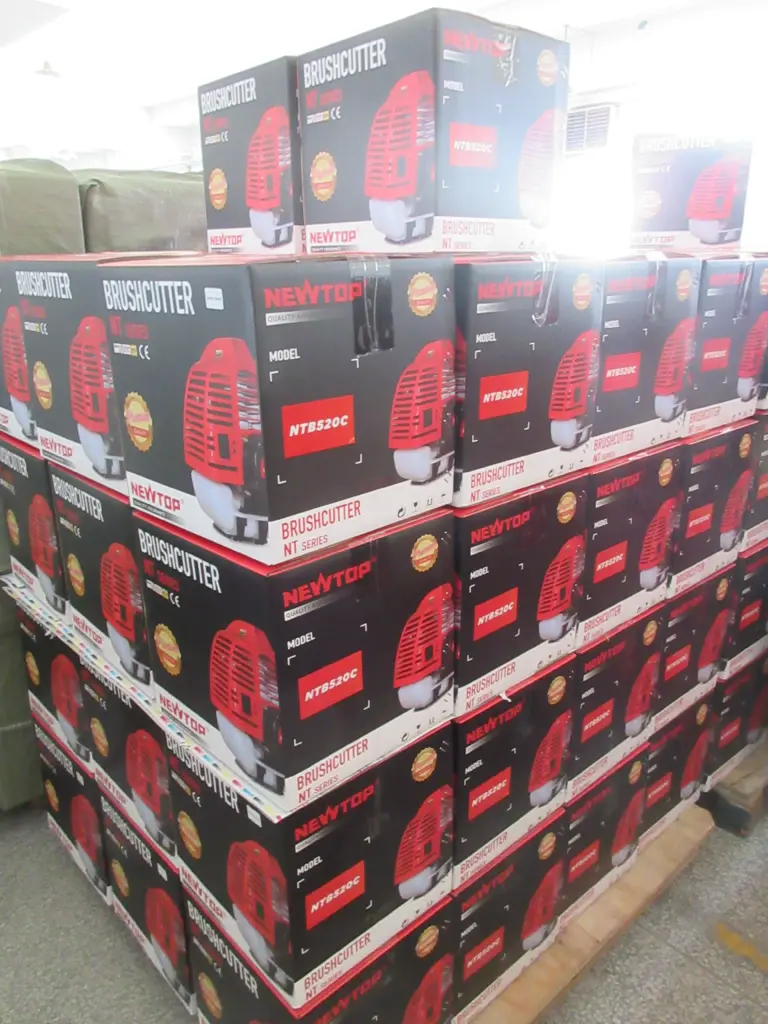
The first physical interaction a customer has with your product is its packaging. We provide direct support for creating custom packaging that not only protects the sprayer during transit but also reinforces your brand identity from the moment it hits the shelf. Professional packaging builds trust and clearly distinguishes your products from generic competitors.
- Design custom boxes with your logo, brand colors, and essential product information.
- Ensure packaging meets regional requirements for shipping and retail display.
- Create a professional appearance that builds trust and distinguishes your products from competitors.
MOQ and Lead Times for Custom Orders
Planning a custom product line requires clear logistical information. We establish practical Minimum Order Quantities (MOQs) for OEM projects and provide transparent lead times based on the complexity of the customization. This allows you to manage your inventory and plan your market launch with confidence. Our structure is designed to support both large, established distributors and growing businesses launching a new private label.
- MOQs for custom and OEM orders are designed to support both large distributors and businesses launching a new brand.
- Lead times are determined by factors like tooling requirements and the specifics of design modifications.
- Larger order volumes for agents and OEM partners receive preferential pricing and dedicated service.
Expand Your Business With NEWTOP’s Wholesale Support Programs
NEWTOP provides a structured framework for wholesale partners, combining flexible ordering policies, OEM customization, and comprehensive after-sales support to help distributors build their brands and scale operations.
Flexible MOQ and Lead Time Policies
NEWTOP offers adaptable ordering policies designed to help wholesalers manage inventory, test new markets, and scale operations efficiently. These programs reduce financial risk for both new and established partners by removing high entry barriers.
- We accept single-piece sample orders for product validation and market testing.
- Standard order MOQs are flexible and can be arranged based on specific customer needs and market potential.
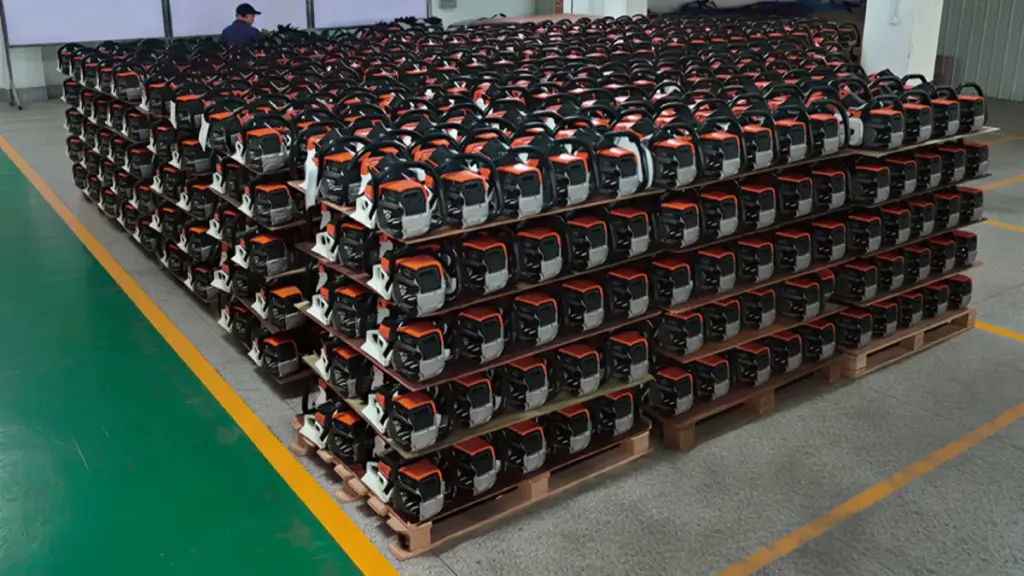
- Typical lead times are 7–10 days for samples and around 30 days for standard bulk orders.
OEM Customization and Private Labeling Services
Partners can build their own brand identity with our complete OEM and private labeling support. This allows for product differentiation in competitive local markets like Africa, l'Amérique latine, et Europe de l'Est, where brand recognition is key.
- We offer tailored OEM color and design customization to match your brand identity.
- Our team provides private labeling and custom packaging design services.
- We make configuration adjustments to meet specific regional requirements and price points.
Comprehensive Quality Assurance and Warranty
NEWTOP protects its wholesale partners by ensuring product reliability through multi-stage factory inspections, transparent warranty terms, and full regulatory compliance documentation. This preparation ensures smooth customs clearance and builds end-user trust.
- A standard one-year machine warranty comes with six-month coverage on core components.
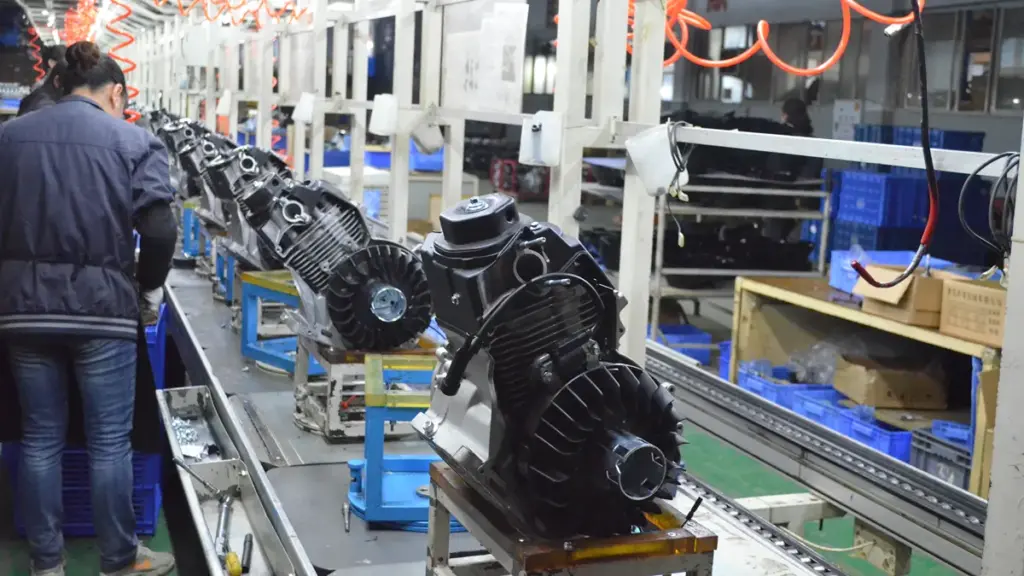
- Our structured quality control process includes incoming material checks and final functional testing on every unit.
- We provide CE, GS, EURO II, and EPA certifications to support market entry and compliance.
Dedicated After-Sales and Marketing Support
Our robust support system ensures equipment longevity and helps brand agents grow their local market share. We provide the technical assistance and promotional materials needed to compete effectively.
- We guarantee long-term availability of critical spare parts and consumables for equipment maintenance.
- Distributors receive timely technical assistance from our dedicated sales and service teams.
- We provide agents with product training, usage guidance, and marketing content to boost local sales.
Conclusion
Sourcing knapsack sprayers involves more than just finding the lowest unit price. A clear strategy for calculating margins, managing batch quality, and negotiating payment terms protects your investment. This approach helps build a stable foundation for a profitable distribution business.
If you are ready to expand your product line, our team can provide a detailed quote and answer questions about our distributor support programs. Contact us to discuss your specific market needs and get started.
Foire aux questions
What is the wholesale price for a knapsack sprayer?
Wholesale price depends on sprayer type, capacité du réservoir, material quality, order quantity, conditionnement, et personnalisation. Manual knapsack sprayers are usually priced differently from gasoline-powered models, and OEM branding can also affect the final quote.
How many knapsack sprayers fit in a 20ft container?
The loading quantity depends on tank size, carton dimensions, packing method, and whether accessories are packed together. Pour cette raison, buyers should always confirm the container loading plan based on the exact model and packaging specification.
Can I get wholesale pricing for 16L sprayers?
Oui. 16L knapsack sprayers are one of the most common wholesale categories in many agricultural markets. Pricing depends on the model configuration, material standard, and total order quantity.
What are the payment terms for wholesale sprayer orders?
Standard payment terms for wholesale orders are a 30% T/T (Telegraphic Transfer) deposit to initiate production. The remaining 70% balance is typically due upon presentation of the Bill of Lading (B/L) copy, confirming shipment. For established distributors, more flexible terms like L/C (Letter of Credit) may be negotiable.
Are spare parts included in wholesale knapsack sprayer deals?
Oui. 16L knapsack sprayers are one of the most common wholesale categories in many agricultural markets. Pricing depends on the model configuration, material standard, and total order quantity.
How do I become a wholesale distributor for NEWTOP?
To become a NEWTOP wholesale distributor, you need to contact our international sales team and share your company profile, target market, and estimated purchasing plan. Our team will review your business needs and recommend suitable products, pricing structure, and cooperation options based on your market.