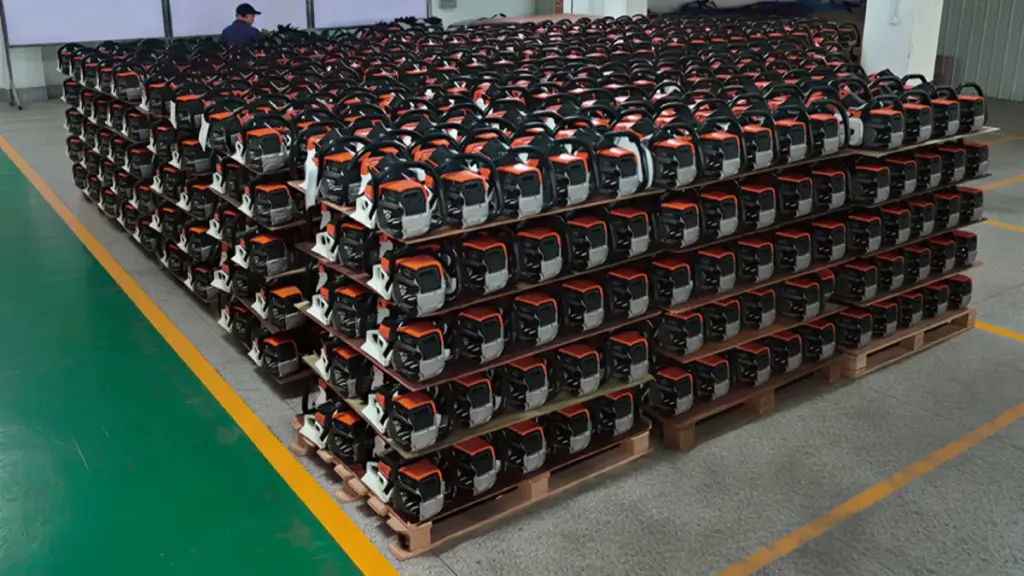
El tamaño correcto del motor fueraborda depende de 4 factores clave: la eslora de tu barco, peso total cargado, altura del espejo de popa, y cómo planeas usar el barco. un pequeño barco de pesca utilizado en lagos tranquilos requiere un motor muy diferente al de un barco de trabajo muy cargado que opera en aguas costeras.
En esta guía, Aprenderá a elegir el motor fueraborda adecuado según el tipo de embarcación., peso, y aplicaciones del mundo real. También explicaremos las recomendaciones de caballos de fuerza., selección de longitud del eje, errores comunes de tamaño, y las diferencias entre motores de 2 y 4 tiempos. Como fabricante experimentado de motores fuera de borda, NOVEDAD ayuda a los distribuidores y a las marcas de equipos OPE a seleccionar motores fuera de borda confiables que se adapten a diferentes mercados y necesidades de navegación.
Por qué es importante la selección del tamaño del motor fueraborda
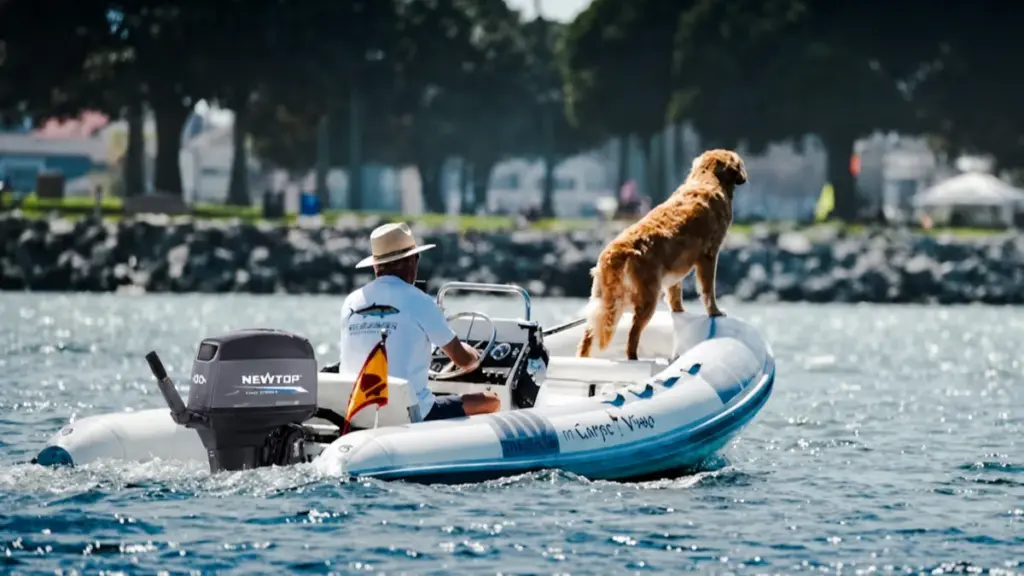
El tamaño del motor fueraborda debe coincidir con la potencia máxima de la embarcación., peso completamente cargado, y condiciones de funcionamiento. La eslora del barco es sólo el punto de partida.
Muchos compradores empiezan preguntando, “¿Qué tamaño de motor necesita una embarcación de 16 pies??” Si bien la eslora del barco proporciona una referencia útil, no cuenta toda la historia. Dos barcos de la misma eslora pueden tener diseños de casco muy diferentes, pesas, y capacidades de carga, lo que lleva a diferentes requisitos de potencia.
Por ejemplo:
| Bote | Peso seco | Carga típica | HP recomendados |
|---|---|---|---|
| 16 Barco de pesca de aluminio de pies | 750 libras | 2 pescadores + engranaje | 40–50 CV |
| 16 ft Barco de pesca de fibra de vidrio | 1,250 libras | 4 pasajeros + engranaje | 60–75 CV |
Aunque ambos barcos miden 16 pies, el casco de fibra de vidrio más pesado requiere más potencia para acelerar, alcanzar la velocidad de planeo, y mantener el rendimiento de crucero.
Varios factores determinan el tamaño apropiado del fueraborda:
- Eslora del barco proporciona el rango de potencia inicial.
- Peso completamente cargado tiene la mayor influencia en los requisitos reales del motor.
- Diseño del casco afecta la facilidad con la que el barco planea. Los barcos de fondo plano generalmente requieren menos potencia que los cascos en V profunda.
- Peso de pasajeros y carga puede aumentar significativamente la carga total que el motor debe mover.
- Condiciones del agua también importa. Barcos que operan en aguas costeras., ríos con fuertes corrientes, o lagos agitados a menudo se benefician de caballos de fuerza adicionales dentro del rango recomendado por el fabricante.
Otro punto que muchas veces se pasa por alto es eficiencia operativa del motor. Un motor de tamaño insuficiente suele funcionar con ajustes de aceleración más altos sólo para mantener la velocidad de crucero.. Con el tiempo, Esto aumenta el consumo de combustible y ejerce una mayor presión sobre los componentes del motor.. Un motor correctamente adaptado normalmente funciona a RPM más bajas y, al mismo tiempo, ofrece un rendimiento más suave y una mejor economía de combustible..
Sin embargo, Seleccionar el motor más grande disponible no siempre es la mejor solución. Cada embarcación tiene una potencia máxima establecida por el fabricante.. Superar ese límite puede afectar el manejo., sobrecargar el espejo de popa, y puede violar las normas de seguridad locales o los requisitos de seguro..
regla general: Seleccione un motor que se encuentre cómodamente dentro del rango de caballos de fuerza recomendado por el fabricante de su embarcación en lugar de elegir automáticamente la clasificación mínima o máxima..
Guía de caballos de fuerza de motores fuera de borda por eslora del barco: Cuadro de referencia rápida
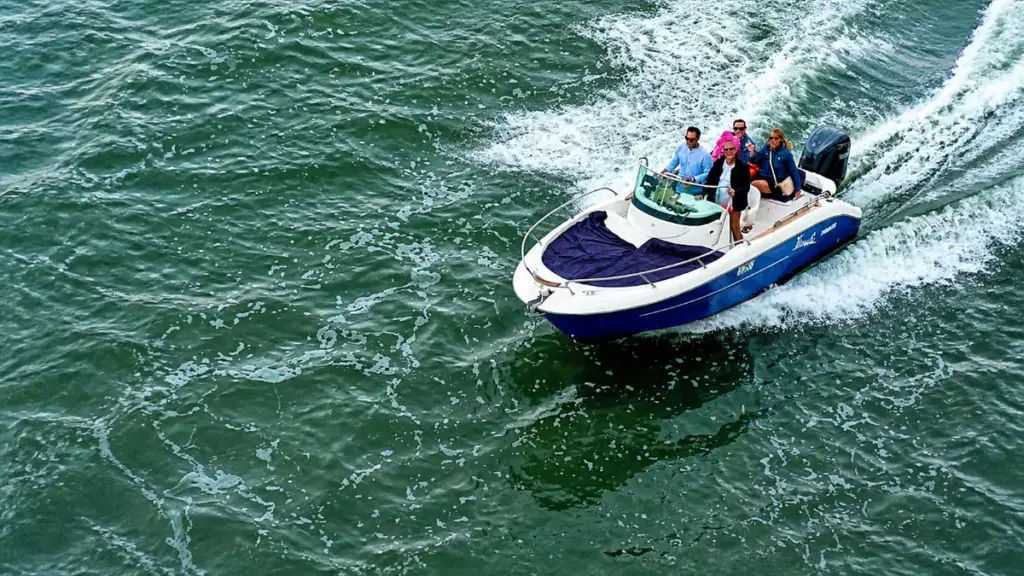
La siguiente tabla resume las recomendaciones típicas de caballos de fuerza de motores fuera de borda para embarcaciones recreativas y comerciales comunes..
| Eslora del barco | Uso recreativo ligero | Carga pesada o uso comercial | HP máximo (Típico) |
|---|---|---|---|
| 8–10 pies | 2–6 CV | 6 caballos de fuerza | 6–10 CV |
| 10–12 pies | 5–9,9 CV | 9.9–15 CV | 15 caballos de fuerza |
| 12–14 pies | 9.9–20 CV | 20–25 CV | 25 caballos de fuerza |
| 14–16 pies | 20–40 CV | 40–60 CV | 60 caballos de fuerza |
| 16–18 pies | 40–60 CV | 60–90 CV | 90 caballos de fuerza |
| 18–20 pies | 90–115 CV | 115–150 CV | 150 caballos de fuerza |
| 20–24 pies | 150–200 CV | 200–250 CV | 250 HP+ |
Estas recomendaciones se aplican a embarcaciones de uso general.. Siempre verifique la potencia máxima que figura en la placa de capacidad de su embarcación antes de comprar un motor..
No estoy seguro del tamaño de motor fueraborda que necesita?
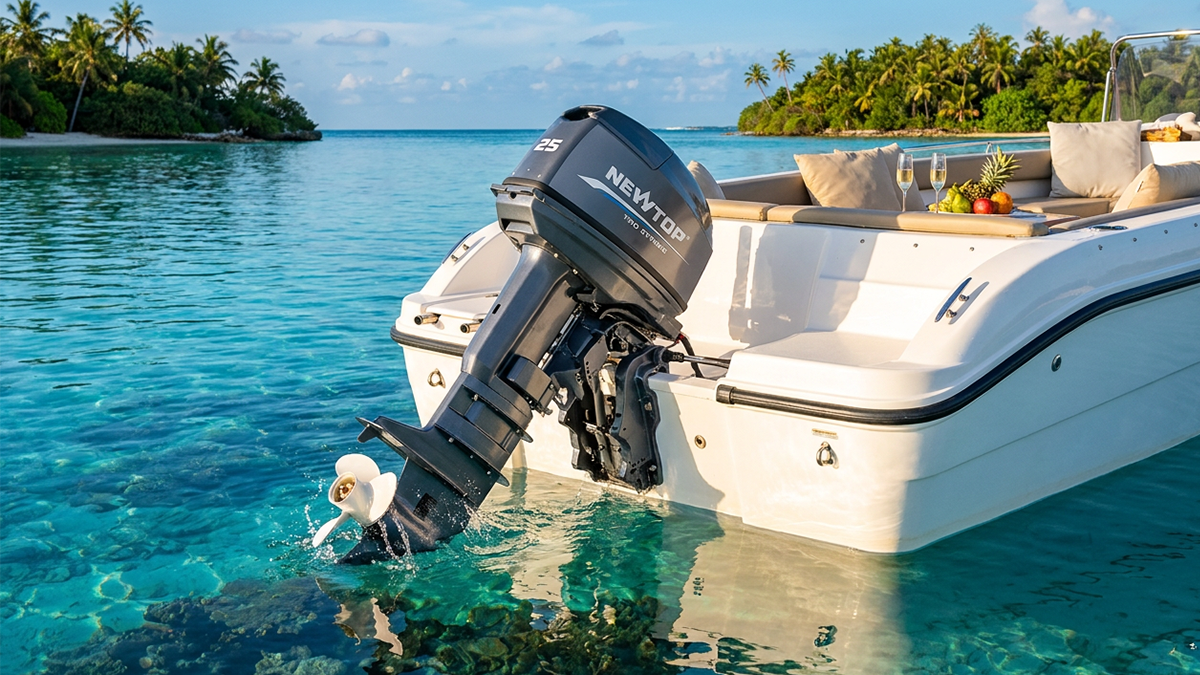
Cómo hacer coincidir el tamaño del motor fueraborda con el tipo de embarcación: Botes, Barcos de pesca, pontones, y barcos de trabajo
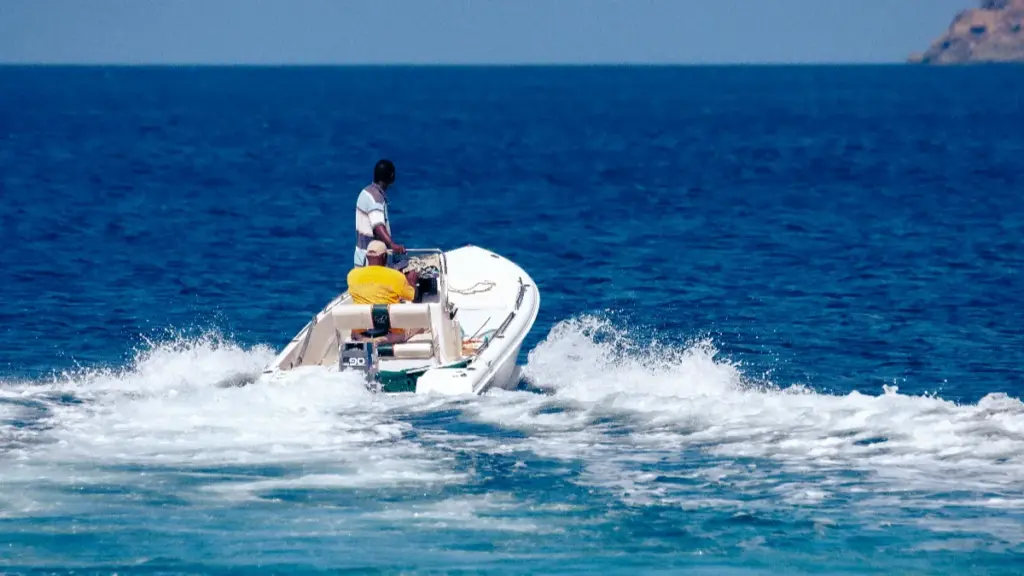
Los diferentes diseños de embarcaciones tienen diferentes características de rendimiento.. Incluso barcos con dimensiones similares pueden requerir diferentes tamaños de motor debido a la forma del casco., distribución del peso, y uso previsto.
Botes y Botes Inflables
Los botes inflables son livianos y fáciles de mover.. Generalmente requieren sólo pequeños motores fuera de borda..
Las recomendaciones típicas incluyen:
| Eslora del barco | HP recomendados |
|---|---|
| 8 pie | 2–4 CV |
| 9 pie | 4–6 CV |
| 10 pie | 5–8 CV |
| 12 pie | 8–15 CV |
Para embarcaciones auxiliares utilizadas para recorrer distancias cortas entre un muelle y un buque más grande., la portabilidad a menudo importa más que la velocidad máxima. Un fueraborda portátil liviano suele ser la solución más práctica.
Barcos de pesca de aluminio
Los barcos de aluminio son populares porque combinan un peso reducido con una buena durabilidad..
Las recomendaciones generales incluyen:
| Eslora del barco | HP recomendados |
|---|---|
| 12 pie | 9.9–15 CV |
| 14 pie | 15–25 CV |
| 16 pie | 40–50 CV |
| 18 pie | 60–90 CV |
Barcos pontón
Los pontones priorizan la comodidad y la capacidad de pasajeros frente a la alta velocidad.
Los rangos de caballos de fuerza típicos incluyen:
| Tamaño del pontón | HP recomendados |
|---|---|
| 16–18 pies | 25–60 CV |
| 20 pie | 60–90 CV |
| 22 pie | 90–150 CV |
| 24 pies+ | 150–250 CV |
Si su pontón se utiliza para deportes acuáticos como tubing o esquí, Seleccionar un motor de mayor potencia brindará una aceleración más fuerte y un mejor rendimiento de remolque.
Barcos de trabajo comerciales
Los operadores comerciales suelen valorar la fiabilidad, eficiencia de combustible, y largas horas de funcionamiento a velocidad máxima.
Dependiendo de la aplicación, Los tamaños de motor recomendados pueden variar desde:
- 40–60 HP para embarcaciones utilitarias pequeñas
- 90–150 HP para barcos de transporte
- 150–300 HP para embarcaciones de trabajo comerciales de servicio pesado
NOVEDAD ofertas confiables motores fuera de borda construido para funcionar en entornos exigentes, haciéndolos adecuados para operaciones de pesca, transporte marítimo, servicios de rescate, y otras aplicaciones comerciales donde el rendimiento constante es esencial.
Longitud del eje: Eje corto versus eje largo explicado
La longitud correcta del eje mantiene la hélice a la profundidad adecuada en el agua.. Ni siquiera los caballos de fuerza adecuados pueden compensar un eje de tamaño incorrecto.
Muchos compradores se centran exclusivamente en los caballos de fuerza y pasan por alto la longitud del eje hasta la instalación.. En la práctica, una longitud de eje incorrecta puede reducir el rendimiento tanto como elegir el tamaño de motor incorrecto.
Longitudes de eje estándar
| Tipo de eje | Longitud | Aplicaciones comunes |
|---|---|---|
| Corto (S) | 15 en (381 milímetros) | Jon barcos, botes, pequeños barcos de aluminio |
| Largo (l) | 20 en (508 milímetros) | barcos de pesca, pontones, consolas centrales |
| Extralargo (SG) | 25 en (635 milímetros) | Barcos de alta mar, barcos comerciales |
| Ultralargo (XL) | 30 en (762 milímetros) | Aplicaciones offshore especializadas |
2-Carrera vs 4 tiempos: Cómo el tipo de motor afecta la elección del tamaño
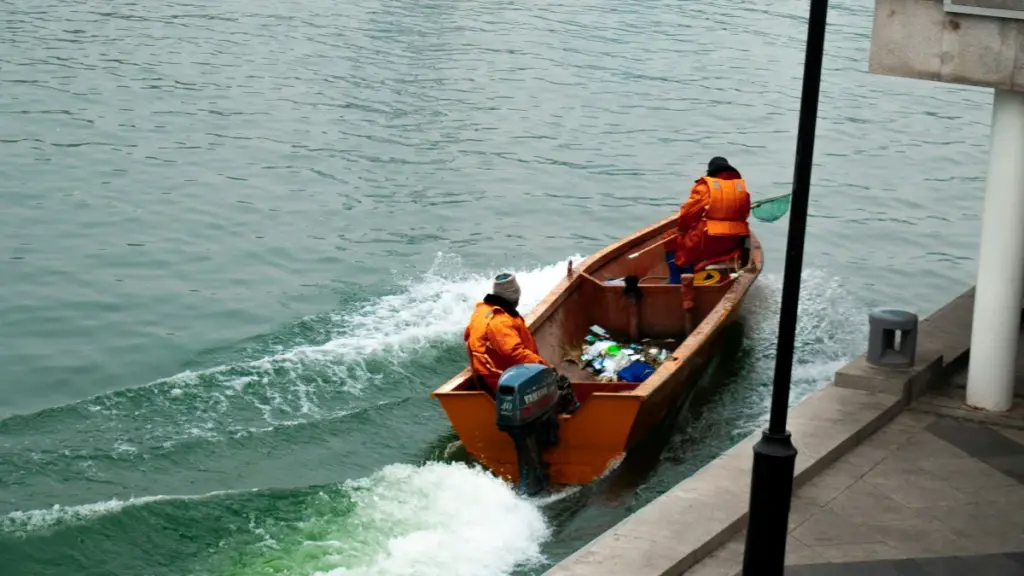
Una vez que haya estimado los caballos de fuerza necesarios, la siguiente decisión es elegir entre un motor fueraborda de 2 y 4 tiempos. Ambos tipos de motores pueden proporcionar un rendimiento excelente., pero entregan potencia de manera diferente y pueden influir en los caballos de fuerza que elija.
2-Fuerabordas de carrera
Un motor de 2 tiempos produce potencia en cada revolución del cigüeñal., dándole una mayor relación potencia-peso.
Las ventajas incluyen:
- Peso total más ligero
- Fuerte aceleración
- Diseño mecánico más simple
- Transporte e instalación más fáciles
- Ideal para aplicaciones portátiles
porque son mas livianos, Un fueraborda de 2 tiempos puede ser una buena opción para embarcaciones pequeñas donde es importante mantener bajo el peso de la popa..
Las aplicaciones típicas incluyen:
- Botes inflables
- Pequeños barcos de pesca
- Barcos utilitarios
- Licitaciones portátiles
4-Fuerabordas de carrera
Un motor de 4 tiempos genera potencia cada segunda revolución pero ofrece un funcionamiento más suave y refinado.
Las ventajas incluyen:
- Mejor economía de combustible
- Menores emisiones
- Operación más silenciosa
- Vida útil más larga
- Menor frecuencia de mantenimiento
Estas características hacen que los motores de 4 tiempos sean la opción preferida para navegantes recreativos y usuarios comerciales que pasan largas horas en el agua..
¿El tipo de motor cambia los requisitos de potencia??
No significativamente.
Si su barco requiere aproximadamente 60 caballos de fuerza, ambos un 60 HP de 2 tiempos y un 60 El HP de 4 tiempos producirá un rendimiento similar de gama alta.
Sin embargo, hay diferencias prácticas.
Un motor de 4 tiempos más pesado coloca más peso en el espejo de popa, lo que puede afectar ligeramente el equilibrio de los barcos más pequeños. En contraste, el peso más ligero de un motor de 2 tiempos puede mejorar el manejo en embarcaciones compactas.
Para los compradores que deciden entre los dos, considera tus prioridades:
| Prioridad | Mejor elección |
|---|---|
| Peso más bajo | 2-Ataque |
| Eficiencia de combustible | 4-Ataque |
| Funcionamiento silencioso | 4-Ataque |
| Aceleración rápida | 2-Ataque |
| Uso comercial durante largas horas | 4-Ataque |
| Aplicaciones portátiles | 2-Ataque |
Si todavía estás decidiendo qué tipo de motor se adapta mejor a tus necesidades, También puede explorar nuestras comparaciones detalladas de 2-accidente cerebrovascular vs.. 4-motores fueraborda de carrera y el diferentes tipos de motores fuera de borda para comprender mejor sus ventajas en diversas aplicaciones de navegación.
Pensamientos finales
Para la mayoría de los usuarios, La eslora del barco proporciona una referencia inicial., pero el peso y el uso determinan la elección final. Un motor correctamente adaptado mejora la aceleración, eficiencia de combustible, y confiabilidad a largo plazo, mientras que un tamaño incorrecto puede reducir el rendimiento incluso en una embarcación de alta calidad.
Aún no estás seguro de qué motor fueraborda se adapta mejor a tu mercado o aplicación? NUEVOS Los equipos de ingeniería y ventas pueden ayudarle a recomendar la potencia adecuada., longitud del eje, y configuración del motor basada en diferentes tipos de embarcaciones y condiciones de funcionamiento. Póngase en contacto con nosotros hoy para obtener asesoramiento experto y una solución OEM personalizada..
Preguntas frecuentes
¿Qué tamaño de motor fueraborda necesito para una embarcación de 14 pies??
Una embarcación típica de 14 pies funciona bien con un fueraborda de 15 a 25 HP. Es posible que las embarcaciones ligeras de aluminio utilizadas para pescar sólo requieran 15 caballos de fuerza, mientras que los barcos de fibra de vidrio más pesados o los barcos que transportan varios pasajeros a menudo se benefician de un motor de 20 a 25 HP..
¿Cuantos HP necesito para un barco de 20 pies??
La mayoría de las embarcaciones recreativas de 20 pies requieren entre 90 y 150 HP, dependiendo del peso del casco y del uso previsto. Los barcos pesqueros utilizados en aguas costeras generalmente obtienen mejores resultados hacia el extremo superior de este rango., mientras que los barcos utilitarios más ligeros pueden operar eficientemente con alrededor de 90 caballos de fuerza.
¿Qué tamaño de motor fueraborda para una embarcación de aluminio de 16 pies??
Una embarcación de aluminio de 16 pies normalmente utiliza un fueraborda de 40 a 50 HP.. Si lleva habitualmente equipo de pesca pesado o varios pasajeros, seleccionando un modelo más cercano a 50 HP generalmente proporciona una mejor aceleración y rendimiento general..
¿Cómo calculo el tamaño del motor fuera de borda??
Comience por verificar la potencia máxima nominal del fabricante de su embarcación.. Luego calcule el peso total de su embarcación cargada y utilice la pauta general de 25 a 50 libras por caballo de fuerza.. Finalmente, considere su tipo de barco, uso previsto, y velocidad de crucero deseada antes de tomar una decisión final.
¿Qué pasa si mi fueraborda es demasiado potente??
Un fueraborda de gran tamaño puede hacer que el barco sea inestable, aumentar el consumo de combustible, sobrecargar el espejo de popa, y exceder la clasificación de seguridad del fabricante. En muchas regiones, Instalar un motor más grande que el máximo aprobado también puede crear problemas legales o de seguro..
¿Qué tamaño de motor de pesca por curricán necesito??
Los motores de pesca por curricán se miden por empuje en lugar de caballos de fuerza. Como regla general, elige al menos 2 libras de empuje por cada 100 libras de peso del barco completamente cargado. Los barcos más grandes o los que navegan en corrientes fuertes pueden requerir un mayor empuje para un mejor control..
¿Cómo sé qué longitud de eje fuera de borda necesito??
Mida la altura del espejo de popa de su embarcación desde la parte superior de la superficie de montaje hasta la parte inferior del casco.. Haga coincidir esta medida con las longitudes de eje estándar: 15 pulgadas (corto), 20 pulgadas (largo), o 25 pulgadas (extralargo). El uso de la longitud correcta del eje garantiza una propulsión eficiente, manejo estable, y mejor economía de combustible.