O tamanho correto do motor externo depende 4 fatores-chave: o comprimento do seu barco, peso total carregado, altura da popa, e como você planeja usar o barco. Um pequeno barco de pesca usado em lagos calmos requer um motor muito diferente de um barco de trabalho com carga pesada operando em águas costeiras.
Neste guia, você aprenderá como escolher o motor de popa certo com base no tipo de barco, peso, e aplicações do mundo real. Também explicaremos recomendações de potência, seleção do comprimento do eixo, erros comuns de dimensionamento, e as diferenças entre motores de 2 tempos e 4 tempos. Como um fabricante experiente de motores de popa, NOVOTOP ajuda distribuidores e marcas de equipamentos OPE a selecionar motores de popa confiáveis que atendem a diferentes mercados e necessidades náuticas.
Por que a seleção do tamanho do motor externo é importante
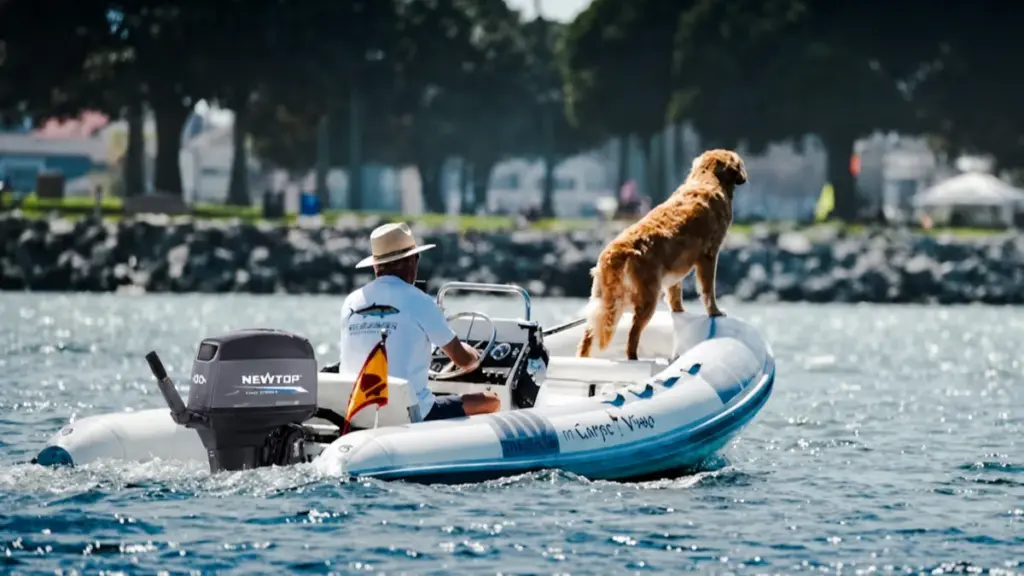
O tamanho do motor externo deve corresponder à potência máxima do barco, peso totalmente carregado, e condições de operação. O comprimento do barco é apenas o ponto de partida.
Muitos compradores começam perguntando, “Qual é o tamanho do motor que um barco de 16 pés precisa?” Embora o comprimento do barco forneça uma referência útil, não conta toda a história. Dois barcos do mesmo comprimento podem ter designs de casco muito diferentes, pesos, e capacidades de carga, levando a diferentes requisitos de potência.
Por exemplo:
| Barco | Peso Seco | Carga Típica | HP recomendado |
|---|---|---|---|
| 16 pés barco de pesca de alumínio | 750 libras | 2 pescadores + engrenagem | 40–50 PV |
| 16 pés barco de pesca de fibra de vidro | 1,250 libras | 4 passageiros + engrenagem | 60–75 PV |
Embora ambos os barcos meçam 16 pés, o casco de fibra de vidro mais pesado requer mais potência para acelerar, atingir a velocidade de planeio, e manter o desempenho de cruzeiro.
Vários fatores determinam o tamanho apropriado do motor de popa:
- Comprimento do barco fornece a faixa de potência inicial.
- Peso totalmente carregado tem a maior influência nos requisitos reais do motor.
- Projeto do casco afeta a facilidade com que os aviões do barco. Os barcos de fundo plano geralmente requerem menos potência do que os cascos em V profundo.
- Peso do passageiro e da carga pode aumentar significativamente a carga total que o motor deve mover.
- Condições da água também importa. Barcos que operam em águas costeiras, rios com fortes correntes, ou lagos agitados muitas vezes se beneficiam de potência adicional dentro da faixa recomendada pelo fabricante.
Outro ponto que muitas vezes é esquecido é eficiência operacional do motor. Um motor subdimensionado frequentemente funciona com configurações de aceleração mais altas apenas para manter a velocidade de cruzeiro. Ao longo do tempo, isso aumenta o consumo de combustível e coloca maior pressão sobre os componentes do motor. Um motor adequadamente combinado geralmente funciona em rotações mais baixas, proporcionando um desempenho mais suave e melhor economia de combustível..
No entanto, selecionar o maior motor disponível nem sempre é a melhor solução. Cada barco tem uma potência máxima estabelecida pelo fabricante. Exceder esse limite pode afetar o manuseio, sobrecarregar o painel de popa, e pode violar regulamentos de segurança locais ou requisitos de seguro.
Regra prática: Selecione um motor que se enquadre confortavelmente na faixa de potência recomendada pelo fabricante do seu barco, em vez de escolher automaticamente a classificação mínima ou máxima.
Guia de potência de motores de popa por comprimento do barco: Tabela de referência rápida
O gráfico a seguir resume recomendações típicas de potência de motores de popa para barcos recreativos e comerciais comuns.
| Comprimento do barco | Uso recreativo leve | Carga Pesada ou Uso Comercial | HP máximo (Típico) |
|---|---|---|---|
| 8–10 pés | 2–6 PV | 6 HP | 6–10 PV |
| 10–12 pés | 5–9,9 PV | 9.9–15 PV | 15 HP |
| 12–14 pés | 9.9–20 PV | 20–25 PV | 25 HP |
| 14–16 pés | 20–40 PV | 40–60 PV | 60 HP |
| 16–18 pés | 40–60 PV | 60–90 HP | 90 HP |
| 18–20 pés | 90–115 HP | 115–150 HP | 150 HP |
| 20–24 pés | 150–200 HP | 200–250 HP | 250 HP+ |
Estas recomendações se aplicam a barcos de uso geral. Sempre verifique a potência máxima listada na placa de capacidade do seu barco antes de comprar um motor..
Não tenho certeza do tamanho do motor externo que você precisa?
Correspondência do tamanho do motor de popa ao tipo de barco: Botes, Barcos de pesca, Pontões, e barcos de trabalho
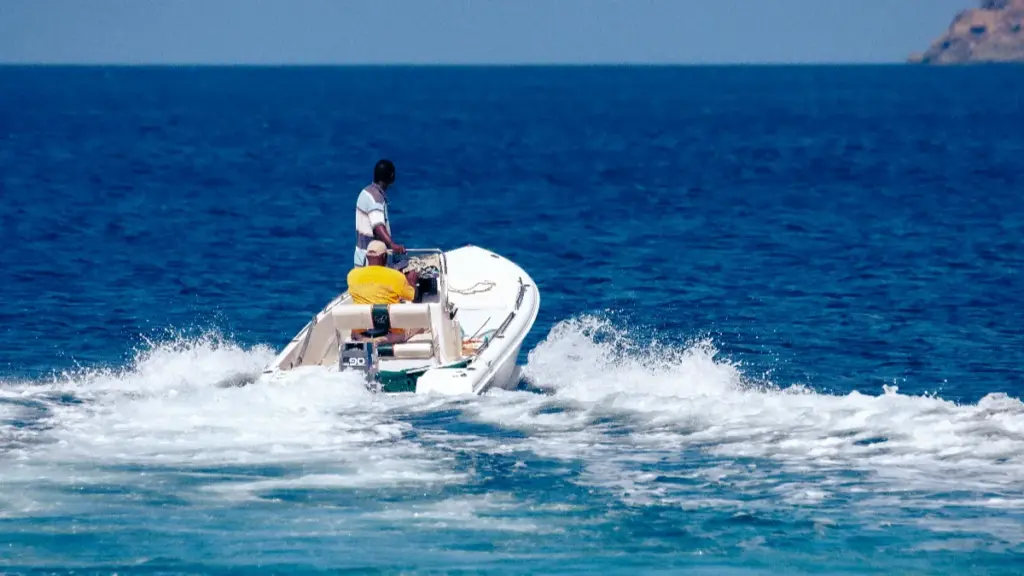
Diferentes projetos de barcos têm diferentes características de desempenho. Mesmo barcos com dimensões semelhantes podem exigir tamanhos de motor diferentes devido ao formato do casco, distribuição de peso, e uso pretendido.
Botes e barcos infláveis
Os barcos infláveis são leves e fáceis de mover. Eles geralmente requerem apenas pequenos motores externos.
As recomendações típicas incluem:
| Comprimento do barco | HP recomendado |
|---|---|
| 8 pés | 2–4 PV |
| 9 pés | 4–6 PV |
| 10 pés | 5–8 PV |
| 12 pés | 8–15 PV |
Para propostas utilizadas para percorrer distâncias curtas entre uma doca e um navio maior, a portabilidade geralmente é mais importante do que a velocidade máxima. Um motor de popa portátil leve é geralmente a solução mais prática.
Barcos de pesca de alumínio
Os barcos de alumínio são populares porque combinam baixo peso com boa durabilidade.
As recomendações gerais incluem:
| Comprimento do barco | HP recomendado |
|---|---|
| 12 pés | 9.9–15 PV |
| 14 pés | 15–25 PV |
| 16 pés | 40–50 PV |
| 18 pés | 60–90 HP |
Barcos pontão
Os barcos pontão priorizam o conforto e a capacidade de passageiros em vez da alta velocidade.
As faixas de potência típicas incluem:
| Tamanho do pontão | HP recomendado |
|---|---|
| 16–18 pés | 25–60 PV |
| 20 pés | 60–90 HP |
| 22 pés | 90–150 HP |
| 24 pés + | 150–250 HP |
Se o seu pontão for usado para esportes aquáticos, como tubing ou esqui, selecionar um motor de maior potência proporcionará aceleração mais forte e melhor desempenho de reboque.
Barcos de trabalho comerciais
Os operadores comerciais muitas vezes valorizam a confiabilidade, eficiência de combustível, e longas horas de operação acima da velocidade máxima.
Dependendo da aplicação, os tamanhos de motor recomendados podem variar de:
- 40–60 HP para pequenas embarcações utilitárias
- 90–150 HP para barcos de transporte
- 150–300 HP para barcos de trabalho comerciais pesados
NOVOTOP oferece confiável motores de popa construído para funcionar em ambientes exigentes, tornando-os adequados para operações de pesca, transporte marítimo, serviços de resgate, e outras aplicações comerciais onde o desempenho consistente é essencial.
Comprimento do eixo: Eixo curto vs longo explicado
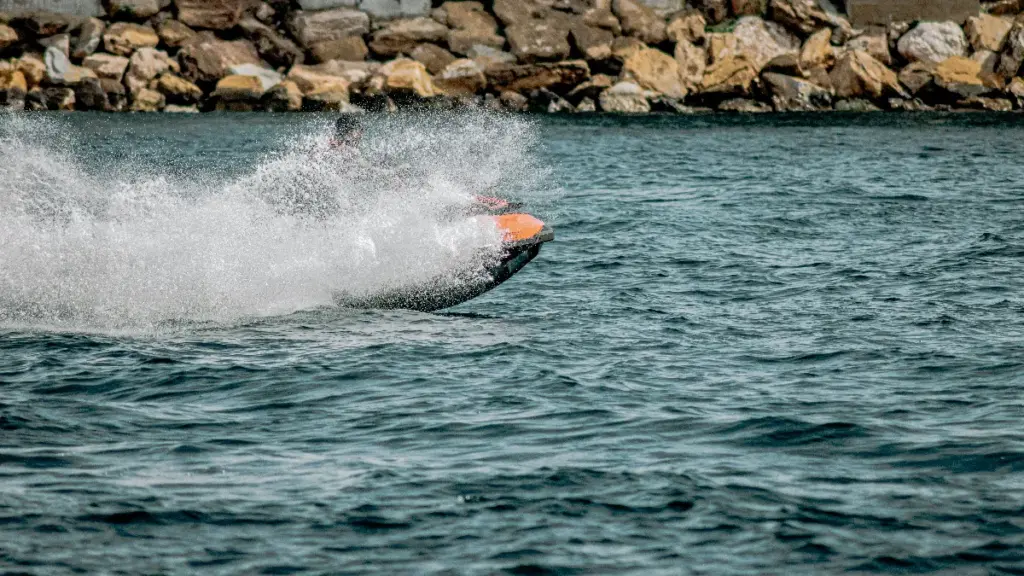
O comprimento correto do eixo mantém a hélice na profundidade adequada na água. Mesmo a potência certa não pode compensar um eixo de tamanho incorreto.
Muitos compradores concentram-se inteiramente na potência e ignoram o comprimento do eixo até a instalação. Na prática, um comprimento de eixo incorreto pode reduzir o desempenho tanto quanto escolher o tamanho errado do motor.
Comprimentos de eixo padrão
| Tipo de eixo | Comprimento | Aplicativos comuns |
|---|---|---|
| Curto (S) | 15 em (381 milímetros) | Barcos Jon, botes, pequenos barcos de alumínio |
| Longo (eu) | 20 em (508 milímetros) | Barcos de pesca, pontões, consoles centrais |
| Extra Longo (XL) | 25 em (635 milímetros) | Barcos offshore, barcos comerciais |
| Ultralongo (XXL) | 30 em (762 milímetros) | Aplicações offshore especializadas |
2-Curso vs 4 tempos: Como o tipo de motor afeta sua escolha de tamanho
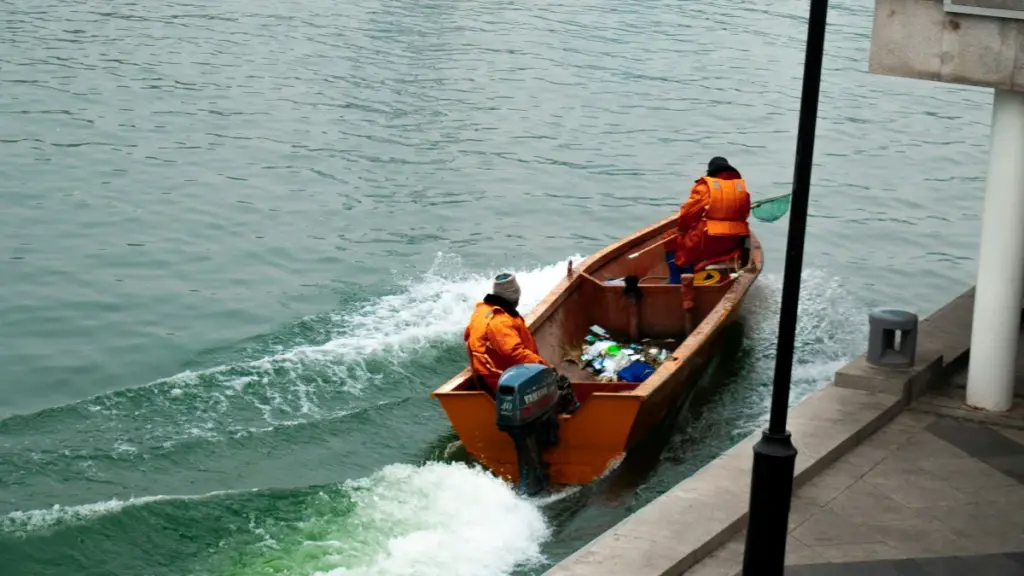
Depois de estimar a potência necessária, a próxima decisão é escolher entre motores de popa de 2 tempos e 4 tempos. Ambos os tipos de motor podem fornecer excelente desempenho, mas eles fornecem potência de maneira diferente e podem influenciar a potência que você escolhe.
2-Acidentes vasculares cerebrais
Um motor de 2 tempos produz potência a cada revolução do virabrequim, dando-lhe uma maior relação potência-peso.
As vantagens incluem:
- Peso total mais leve
- Aceleração forte
- Projeto mecânico mais simples
- Transporte e instalação mais fáceis
- Ideal para aplicações portáteis
Porque eles são mais leves, um motor de popa de 2 tempos pode ser uma boa opção para barcos pequenos onde é importante manter o peso da popa baixo.
As aplicações típicas incluem:
- Barcos infláveis
- Pequenos barcos de pesca
- Barcos utilitários
- Propostas portáteis
4-Acidentes vasculares cerebrais
Um motor de 4 tempos gera potência a cada segunda revolução, mas oferece uma operação mais suave e refinada.
As vantagens incluem:
- Melhor economia de combustível
- Emissões mais baixas
- Operação mais silenciosa
- Vida útil mais longa
- Menor frequência de manutenção
Estas características tornam os motores de 4 tempos a escolha preferida para velejadores recreativos e utilizadores comerciais que passam longas horas na água.
O tipo de motor altera os requisitos de potência?
Não significativamente.
Se o seu barco necessita de aproximadamente 60 HP, tanto um 60 HP 2 tempos e um 60 HP 4 tempos produzirá desempenho de ponta semelhante.
No entanto, existem diferenças práticas.
Um 4 tempos mais pesado coloca mais peso na popa, o que pode afetar ligeiramente o equilíbrio de barcos menores. Em contraste, o peso mais leve de um motor de 2 tempos pode melhorar o manuseio em embarcações compactas.
Para compradores que decidem entre os dois, considere suas prioridades:
| Prioridade | Melhor escolha |
|---|---|
| Peso mais baixo | 2-AVC |
| Eficiência de combustível | 4-AVC |
| Operação silenciosa | 4-AVC |
| Aceleração rápida | 2-AVC |
| Uso comercial por longas horas | 4-AVC |
| Aplicativos portáteis | 2-AVC |
Se você ainda está decidindo qual tipo de motor melhor atende às suas necessidades, você também pode explorar nossas comparações detalhadas de 2-acidente vascular cerebral versus. 4-motores de popa de curso e o diferentes tipos de motores de popa para entender melhor suas vantagens em diversas aplicações náuticas.
Considerações Finais
Para a maioria dos usuários, o comprimento do barco fornece uma referência inicial, mas o peso e o uso determinam a escolha final. Um motor adequadamente combinado melhora a aceleração, eficiência de combustível, e confiabilidade a longo prazo, enquanto um tamanho incorreto pode reduzir o desempenho mesmo em um barco de alta qualidade.
Ainda não tenho certeza de qual motor de popa melhor se adapta ao seu mercado ou aplicação? NEWTOP's as equipes de engenharia e vendas podem ajudá-lo a recomendar a potência certa, comprimento do eixo, e configuração do motor com base em diferentes tipos de barcos e condições operacionais. Entre em contato conosco hoje para obter aconselhamento especializado e uma solução OEM personalizada.
Perguntas frequentes
Qual tamanho de motor de popa eu preciso para um barco de 14 pés?
Um barco típico de 14 pés funciona bem com um motor de popa de 15 a 25 HP. Barcos leves de alumínio usados para pesca podem exigir apenas 15 HP, enquanto barcos de fibra de vidro mais pesados ou barcos que transportam vários passageiros geralmente se beneficiam de um motor de 20 a 25 HP.
Quanto HP eu preciso para um barco de 20 pés?
A maioria dos barcos recreativos de 20 pés requerem 90–150 HP, dependendo do peso do casco e do uso pretendido. Os barcos de pesca usados em águas costeiras geralmente apresentam melhor desempenho no limite superior desta faixa, enquanto barcos utilitários mais leves podem operar eficientemente com cerca de 90 HP.
Qual é o tamanho do motor de popa para um barco de alumínio de 16 pés?
Um barco de alumínio de 16 pés normalmente usa um motor de popa de 40–50 HP. Se você transporta regularmente equipamentos de pesca pesados ou vários passageiros, selecionando um modelo mais próximo 50 A HP geralmente oferece melhor aceleração e desempenho geral.
Como calculo o tamanho do motor externo?
Comece verificando a potência máxima do fabricante do seu barco. Em seguida, calcule o peso total do barco carregado e use a diretriz geral de 25–50 libras por cavalo-vapor.. Finalmente, considere o seu tipo de barco, uso pretendido, e velocidade de cruzeiro desejada antes de tomar uma decisão final.
O que acontece se meu motor de popa for muito potente?
Um motor de popa muito grande pode tornar o barco instável, aumentar o consumo de combustível, sobrecarregar o painel de popa, e exceder a classificação de segurança do fabricante. Em muitas regiões, instalar um motor maior que o máximo aprovado também pode criar problemas legais ou de seguro.
Qual é o tamanho do motor de pesca que eu preciso?
Os motores de pesca são medidos pelo empuxo e não pela potência. Como regra geral, escolha pelo menos 2 libras de impulso para cada 100 libras de peso do barco totalmente carregado. Barcos maiores ou barcos que operam em correntes fortes podem exigir maior empuxo para melhor controle.
Como posso saber o comprimento do eixo externo que preciso?
Meça a altura do painel de popa do seu barco desde o topo da superfície de montagem até a parte inferior do casco. Combine esta medida com os comprimentos de eixo padrão: 15 polegadas (curto), 20 polegadas (longo), ou 25 polegadas (extralongo). Usar o comprimento correto do eixo garante uma propulsão eficiente, manuseio estável, e melhor economia de combustível.