La mayoría de las hélices fuera de borda incluyen información importante como el diámetro, paso, dirección de rotación, tipo de cubo, y códigos de fabricante. Si bien diferentes marcas pueden utilizar formatos de marcado ligeramente diferentes, El sistema de dimensionamiento básico es muy similar en toda la industria..
En esta guía, aprenderás lo que significa cada número, Cómo identificar la hélice correcta para tu barco, y cuando cambiar el tamaño de la hélice tiene sentido.
¿Dónde se pueden encontrar las marcas de tamaño en una hélice fuera de borda??
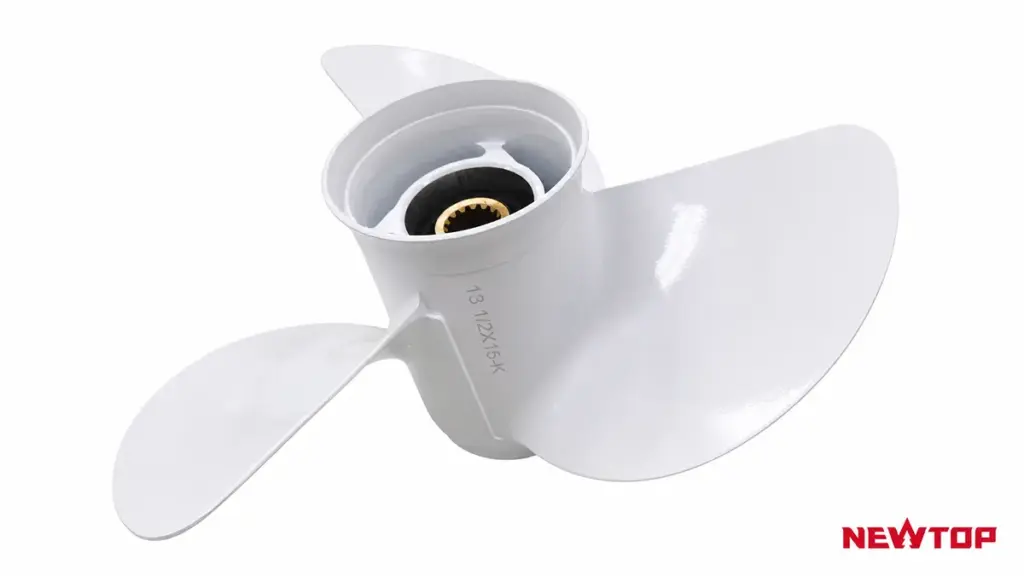
Hélice marcas de tamaño, indicando diámetro y paso, Por lo general, están estampados directamente en el cubo exterior., raíces de la hoja, o la cara trasera cerca de la tuerca de montaje.
Ubicaciones comunes en el cubo y las aspas
Fabricantes de motores fuera de borda no siguen un único estándar universal para colocar números de identificación, pero generalmente se limitan a algunos lugares accesibles. Por lo general, verás estos grabados físicos presionados directamente en la carcasa de metal..
- Superficie exterior del cubo: Estampado o grabado directamente sobre la superficie exterior del cilindro del cubo de la hélice..
- Raíces de la hoja: Ubicado en la base de una pala donde se conecta físicamente al eje central.
- Caras del cubo: Ubicado en la cara delantera o trasera del conjunto del cubo donde la hélice se encuentra con la tuerca de apoyo.
Decodificando el formato de tamaño
Una vez que ubique el sello, necesitas leer los números correctamente. La industria marina se basa en una secuencia numérica específica para comunicar las dimensiones físicas y las capacidades del equipo..
- Diámetro x paso: Los números normalmente se muestran en este orden exacto.. Una lectura de sello “10 x7” indica un diámetro de 10 pulgadas y un paso de 7 pulgadas.
- Códigos suplementarios: A menudo aparecen letras o números adicionales después del tamaño principal para indicar el tipo de hoja., dirección de rotación (como por ejemplo 'R’ para mano derecha), o códigos internos específicos del fabricante.
- Designaciones técnicas: Estas marcas representan medidas técnicas exactas de tamaño., nombres de modelos de marca no arbitrarios.
Cómo revelar marcas difíciles de ver
Los accesorios más antiguos o los que se utilizan en ambientes hostiles de agua salada a menudo tienen números oscurecidos.. Es posible que una revisión visual rápida no confirme las especificaciones exactas sin un poco de preparación de la superficie..
- Limpiar la superficie: Limpie a fondo el área del cubo para eliminar la acumulación de sal., suciedad marina, oxidación pesada, o capas viejas de pintura antiincrustante.
- Usa luz en ángulo: Gire con cuidado la hélice e inspeccione las raíces de las palas y el collar del cilindro bajo luz directa para captar las sombras de los grabados superficiales..
- Consultar documentación: Consultar el embalaje original., recibos de compra, o catálogos del fabricante utilizando el número de pieza si los sellos de tamaño físico están completamente desgastados.
Por qué es importante conocer el tamaño de su hélice
Operar una embarcación con un tamaño de hélice incorrecto provoca un rendimiento deficiente y acelera el desgaste del motor. Obtener estos dos números específicos correctamente dicta exactamente cómo interactúa su fueraborda con el agua..
- transferencia de poder: El diámetro y el paso determinan la eficacia con la que la hélice adapta la potencia bruta del motor al peso físico de su embarcación..
- control de revoluciones: La clasificación de paso influye directamente en la capacidad del motor para operar dentro de su aceleración máxima recomendada. (WOT) Capacidades de RPM.
- Ajuste de rendimiento: Un paso más pequeño reduce la carga del motor y le permite alcanzar RPM más altas para una aceleración más rápida., mientras que un tono más grande reduce las RPM generales y favorece la velocidad máxima.
Cómo leer las marcas de diámetro y paso
El primer número en la marca de una hélice es siempre el diámetro., dictando empuje. El segundo es el tono., controlar las RPM y la velocidad máxima de su fueraborda. No coincidir con estas especificaciones daña los motores. Medición de posición de marcado Función primaria Primer número (p.ej., 10) Diámetro (Pulgadas) Dicta empuje, capacidad de carga, y resistencia al agua. Segundo numero (p.ej., 7) Paso (Pulgadas) Determina la velocidad máxima, aceleración, y motor WOT RPM.
Descifrando el formato de marcado estándar
Los fabricantes suelen estampar las marcas de la hélice directamente en el cubo o cerca de la raíz de la pala.. Encontrar estos dígitos es el primer paso para reemplazar o actualizar el hardware de su embarcación.. Verá códigos estándar de la industria como 10 incógnita 7 o 14 incógnita 19. Estos números representan dos medidas específicas que definen la geometría de la hélice.. El primer número siempre define el diámetro total en pulgadas., mientras que el segundo número siempre define el paso teórico en pulgadas.
Interpretando el primer número: Diámetro
El diámetro significa el ancho total del círculo creado por las puntas de las cuchillas durante una rotación completa.. Determina cuánta agua barre realmente la hélice.. Un diámetro mayor aumenta la superficie de la hoja., generar un empuje más fuerte para mover embarcaciones más pesadas y cargas pesadas de manera efectiva. En el otro extremo del espectro, un diámetro más pequeño crea menos resistencia en el agua, Se adapta a cascos más ligeros construidos específicamente para velocidades máximas más altas..
Interpretando el segundo número: Paso
El paso mide la distancia teórica hacia adelante que recorre la hélice a través del agua en una rotación completa de 360 grados.. Piense en el cabeceo como el sistema de engranajes de su fueraborda.. Los números de tono más bajos actúan como una marcha baja, ofreciendo una mejor aceleración, planeo más rápido, y un fuerte control a baja velocidad. Los números de tono más altos funcionan como una marcha alta, empujando el barco más hacia adelante por revolución para alcanzar mayores velocidades máximas.
Aplicación de marcas al rendimiento del motor
El paso seleccionado controla directamente el acelerador completamente abierto del motor fueraborda. (WOT) RPM. Marcar el paso correcto garantiza que el motor funcione de manera eficiente sin sufrir tensión mecánica.
- Calibración de RPM: Ajustar el paso en una pulgada generalmente cambia la velocidad del motor en aproximadamente 200 RPM.
- Solución de bajas revoluciones: Seleccionar un paso más bajo ayuda a que un motor sobrecargado alcance las RPM de funcionamiento recomendadas sin tener que arrastrarse..
- Solución de exceso de revoluciones: Cambiar a un paso más alto evita que el motor exceda sus límites máximos de RPM recomendados bajo cargas ligeras..
Maximice el retorno de la inversión con maquinaria de jardín de calidad profesional

¿Qué significan otros números y letras en una hélice??
Más allá del tamaño básico, letras y dígitos adicionales identifican el número de hojas, dimensiones del cubo, y códigos de serie específicos del fabricante necesarios para obtener piezas de repuesto exactas.
Diámetro, Paso, y la 'X’ Separador
La mayoría de las hélices marinas siguen una convención de nomenclatura universal.. La especificación principal siempre aparece como una secuencia simple estampada en la pieza fundida..
- Diámetro: El primer número en una secuencia estándar indica el diámetro total de la hélice., medir el ancho total del barrido de la hoja.
- Paso: El segundo número representa el tono., Indica la distancia teórica de avance por revolución..
- La 'X': Este carácter funciona simplemente como un "por’ separador, dividiendo las medidas de diámetro y paso.
Letras de serie y dígitos adicionales
Los fabricantes rara vez se detienen sólo en el diámetro y el paso.. Con frecuencia encontrará códigos alfanuméricos adicionales que definen la geometría física y la compatibilidad de la unidad..
- Cartas de serie: Letras como J, k, o L significan el diseño específico, serie, o tipo de hélice dentro de la línea de una marca.
- Dígitos adicionales: Estos números finales a menudo representan el número total de aspas o especifican el diámetro exacto y el tamaño del cubo para el montaje..
- Códigos Internos: Ciertas combinaciones de números cortos sirven únicamente como códigos internos del fabricante para referencia en el catálogo..
Dónde ubicar las marcas de la hélice
Encontrar estas especificaciones requiere saber exactamente dónde las marcas estampan su hardware.. Suciedad, oxidación, o el fuerte crecimiento marino puede oscurecer fácilmente estos detalles.
- Raíces de la hoja: Los fabricantes suelen estampar las medidas directamente en la raíz de una cuchilla o profundamente entre las cuchillas..
- Eje central: La superficie exterior del cilindro del cubo central es una ubicación común para los códigos de especificación visibles..
- Caras de ensamblaje: Algunas marcas graban estos detalles críticos en la cara delantera o trasera del conjunto central., lo que puede requerir quitar la tuerca de la hélice para leer claramente.
¿En qué se diferencian las marcas de tamaño de hélice entre las principales marcas??
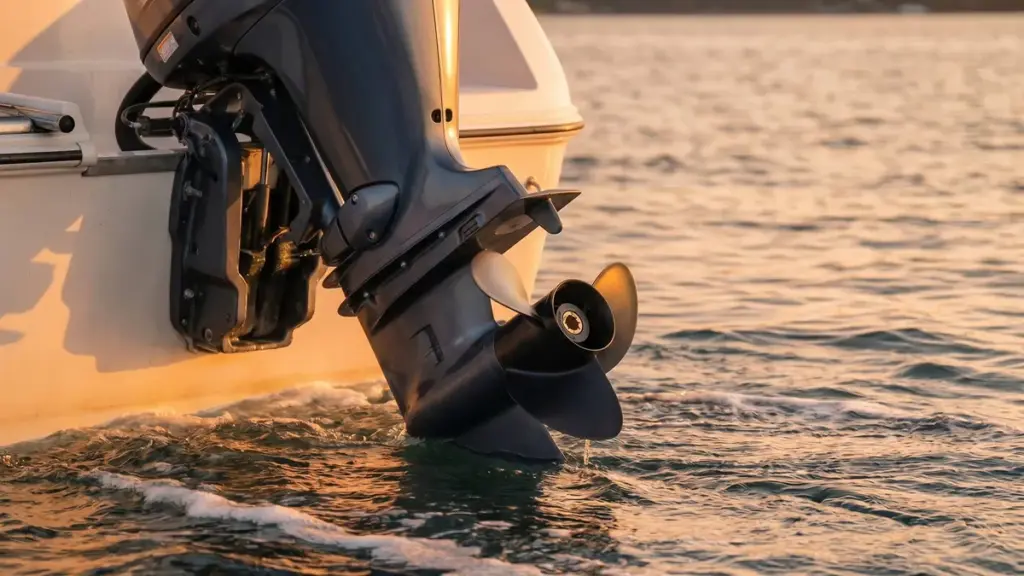
Todas las principales marcas de motores fueraborda siguen el formato estándar de diámetro por paso., pero sufijos propietarios, letras de rotacion, y los códigos de cubo crean distintos estilos de marcado que debes decodificar antes de cambiar las hélices..
La línea de base universal: Diámetro y paso
Los fabricantes de motores fueraborda acuerdan una convención de tamaño central en toda la industria. El primer número estampado en una hélice siempre representa el diámetro., mientras que el segundo número representa el tono. Un sello base de 10 incógnita 7 indica un diámetro de 10 pulgadas y un paso de 7 pulgadas, independientemente del fabricante.
Sufijos específicos de marca y códigos adicionales
Si bien las dimensiones de la base son universales, Las marcas agregan códigos de sufijo únicos para identificar características específicas de la hélice.. Tienes que leer más allá de los dos primeros números para comprender el diseño exacto..
- Rotación: Las letras suelen indicar la dirección del giro., con “R” para mano derecha estándar (dextrorso) y “l” para mano izquierda (sinistrórsum).
- Recuento de cuchillas: Los números finales a menudo indican la configuración de la hoja., tal como un 3 o 4 para diseños de tres o cuatro palas.
- Códigos de modelo: Con frecuencia se añaden códigos de modelo internos o identificadores de series de bujes específicos al bloque de tamaño..
Ejemplos de marcado de los principales fabricantes
Cada fabricante aplica estos códigos de forma diferente en el cubo o en la raíz del álabe.. Saber qué esperar de marcas específicas acelera el proceso de identificación.
- yamaha: Generalmente utiliza un diseño sencillo., imprimiendo el tamaño simplemente como 14 incógnita 19.
- Mercurio: A menudo incluye un “PAG” para denotar tono junto con accesorios marinos generales, formateado como 14.6 x17P.
- suzuki: Agrupa frecuentemente el tamaño., rotación, y la hoja cuenta juntas, dando como resultado sellos detallados como 14 incógnita 19 R 3.
Qué verificar al cambiar de marca
Depender únicamente del diámetro de la base y los números de paso no es suficiente para realizar un reemplazo exacto de una marca a otra.. Incluso con sellos del mismo tamaño, Las hélices de diferentes fabricantes ofrecen diferentes rendimientos.. Esto sucede porque las marcas de la competencia utilizan distintas formas de hojas., ángulos de inclinación, utilización de tazas, y composiciones de materiales para lograr sus perfiles de empuje..
Confirmar siempre la rotación, recuento de cuchillas, y compatibilidad del sistema de buje antes de instalar una hélice de otra marca. Hacer coincidir el número de estrías y garantizar que las arandelas de empuje se asienten correctamente evita daños en la caja de engranajes y mantiene el fueraborda funcionando de forma segura.
¿Cómo puede verificar el tamaño correcto de la hélice para su embarcación??
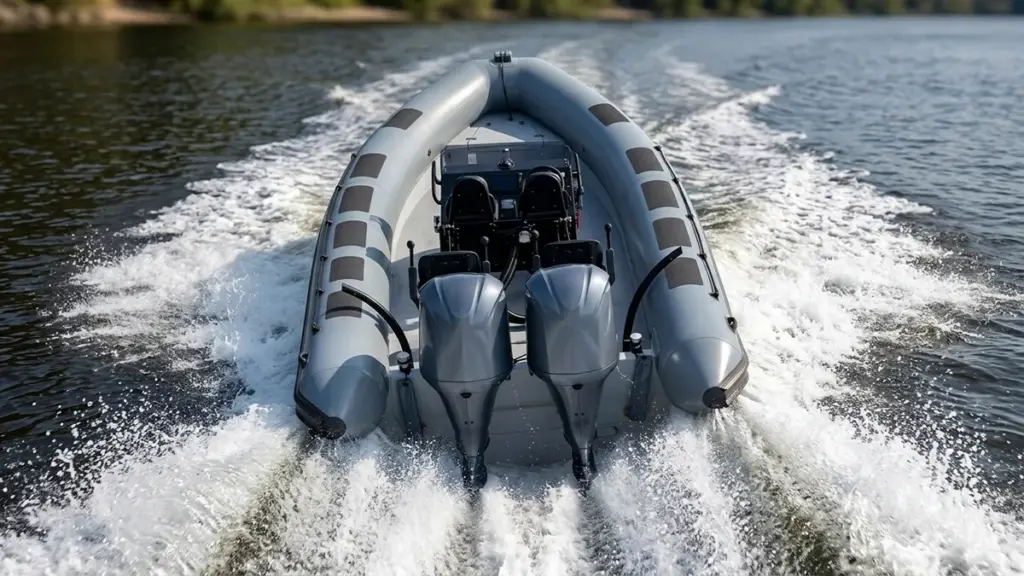
Para verificar el tamaño de su hélice, prueba tu acelerador a fondo (WOT) RPM bajo una carga normal. El paso correcto mantiene su motor dentro del rango de RPM recomendado por el fabricante..
Identifique las especificaciones de accesorios actuales y las RPM WOT objetivo
Antes de caer al agua, Establezca una línea de base para su embarcación y motor.. Necesita saber qué hélice utiliza actualmente y la ventana de rendimiento exacta que requiere el fueraborda..
- Revisa el cubo de la hélice: Inspeccione la superficie exterior o la base de las hojas para ver si hay marcas estampadas de diámetro y paso para confirmar su tamaño actual..
- Encuentre el objetivo de RPM WOT: Consulte el manual del propietario de su fueraborda para identificar el acelerador completamente abierto recomendado por el fabricante. (WOT) rango de revoluciones.
- Establecer una línea de base: Utilice los selectores de hélices del fabricante o las calculadoras en línea que tengan en cuenta la potencia del motor y el peso operativo típico para establecer su punto de partida..
Realice una prueba WOT en el agua bajo carga normal
La verdadera prueba del tamaño de la hélice ocurre en el agua.. Una prueba estructurada con el acelerador completamente abierto proporciona los datos exactos de RPM del motor necesarios para determinar si el paso es preciso..
- Simular condiciones del mundo real: Cargar el barco con el número habitual de pasajeros., engranaje, y combustible que lleva durante la operación regular.
- Iniciar la carrera: Reduzca completamente el motor en aguas abiertas y avance el acelerador a su máxima capacidad..
- Optimizar y registrar: Recorta lentamente hasta alcanzar el ángulo de carrera óptimo, volver al ajuste neutral, y registrar las RPM estables más altas y la velocidad GPS alcanzadas.
Compare los resultados de las pruebas con las especificaciones del fabricante
Una vez que registres la velocidad del GPS y las lecturas del tacómetro, compárelos con el manual de su motor. Las RPM resultantes le indican exactamente cómo la hélice carga el motor..
- Coincidencia óptima: Si las RPM WOT medidas caen dentro del rango especificado por el fabricante, El tamaño actual de la hélice es correcto para su plataforma exacta y carga típica..
- Motor sobrerevolucionado: Si el motor gira más allá del límite máximo de RPM, le falta resistencia. Es probable que el paso de la hélice sea demasiado bajo..
- Motor bajo de revoluciones: Si el motor tiene dificultades y no alcanza las RPM mínimas recomendadas, la carga es demasiado pesada. El paso o el diámetro de la hélice es demasiado alto..
Ajuste el tono para corregir las revoluciones bajas o excesivas
Si los resultados de su prueba están fuera del rango aceptable, debes cambiar el paso de la hélice. El paso dicta directamente la carga mecánica en el motor., actuando como el engranaje de una transmisión.
- La regla estándar: Un cambio de tono de 2 pulgadas altera sus RPM WOT en aproximadamente 300 a 400 RPM.
- Bajando altas RPM: Cambie a una hélice de paso más alto para reducir las RPM excesivamente altas. Esto evita tensiones mecánicas y mantiene el motor fuera del limitador de revoluciones..
- Aumentar las RPM bajas: Cambie a una hélice de paso más bajo para aumentar las RPM, mejorar la aceleración, y evita que el motor se arrastre bajo cargas pesadas.
Errores comunes al leer las marcas de tamaño de la hélice
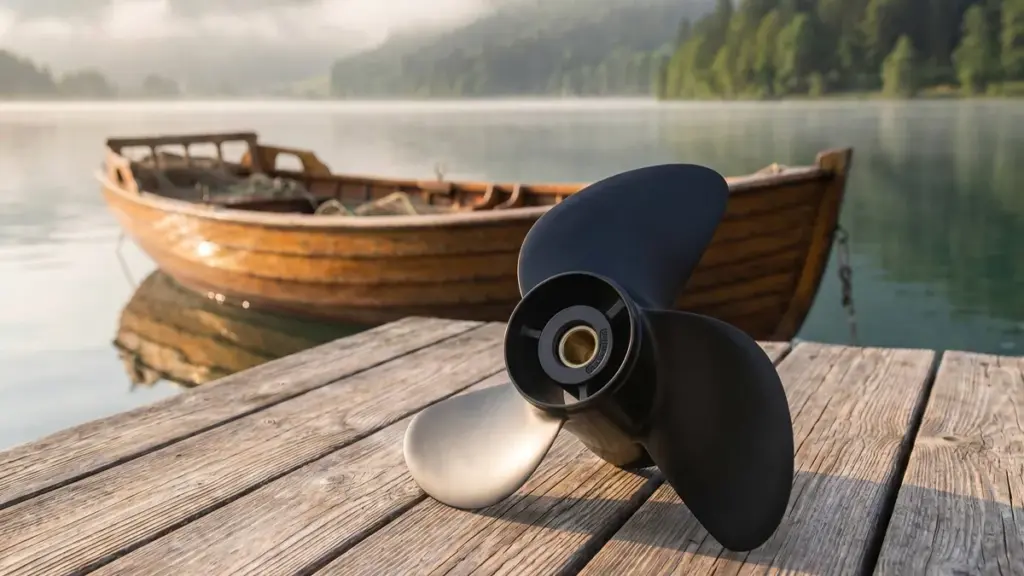
Leer mal una marca de hélice conduce a un rendimiento deficiente, tensión del motor, y dinero desperdiciado. Lea siempre primero el diámetro, segundo lanzamiento, y tener en cuenta la dinámica del barco en el mundo real.
Números de diámetro y paso invertidos
Invertir estos números es la forma más rápida de comprar el accesorio equivocado. El estándar de la industria siempre enumera el diámetro primero, seguido de tono. Cuando los mezclas, Alteras completamente la forma en que el accesorio interactúa con el agua..
- Leyendo al revés: Suponiendo que el primer número es el paso en lugar del diámetro.
- Intercambio de especificaciones: No reconocer que el diámetro y el paso afectan el rendimiento de manera diferente y no son intercambiables.
- Mala interpretación del tamaño: Malinterpretar un 10×7 marcar como un diámetro de 7 pulgadas en lugar de un diámetro de 10 pulgadas.
Malinterpretar la rotación y el número de palas
Los números primarios dictan el tamaño., pero las letras finales controlan el ajuste y el funcionamiento.. Ignorar estos personajes adicionales provoca desajustes físicos o un manejo peligroso en el agua..
- Pasando por alto las marcas de rotación: Falta la R (mano derecha) o L (mano izquierda) indicadores, Lo cual es fundamental para configuraciones de uno o dos motores..
- Conteo de cuchillas confuso: Asumiendo el número final (como 3 o 4) agrega otra dimensión de tamaño en lugar de solo contar las hojas.
- Instalación incorrecta: Montar una hélice con la rotación incorrecta que se ajusta físicamente al eje pero funciona incorrectamente bajo potencia.
Igualar el tono teórico con la velocidad real
El paso mide la distancia teórica que avanza una hélice en una revolución a través de un medio sólido. El agua no es solida.. Esperar una conversión directa del cabeceo a la velocidad real del barco ignora la realidad de la física marina..
- Ignorando el deslizamiento de agua: Suponiendo que el paso estampado es igual al recorrido exacto hacia adelante sin tener en cuenta la inevitable pérdida por deslizamiento.
- Olvidar las variables físicas: Pasando por alto la forma del casco, peso del barco, y la carga cambian el rendimiento real de la hélice.
- Expectativas poco realistas: Esperando dos barcos completamente diferentes con los mismos 10×7 prop para alcanzar velocidades idénticas.
Ignorar los límites del motor y el uso de la embarcación
No se elige una hélice basándose exclusivamente en el casco del barco.. Lo eliges en función de lo que el motor puede manejar con seguridad.. La hélice debe permitir que el motor funcione dentro de sus límites mecánicos definidos..
- Saltarse las comprobaciones WOT: Seleccionar una hélice sin comprobar la aceleración máxima recomendada por el motor (WOT) rango de revoluciones.
- Forzar rpm extremas: Elegir demasiado paso hace que el motor baje de revoluciones, o muy poco tono, lo que hace que se sobrerevolucione.
- Aplicación no coincidente: No lograr que el perfil de cabeceo coincida con el propósito principal del barco., como priorizar la aceleración de cargas pesadas frente a la velocidad máxima.
¿Cuándo debe reemplazar su hélice por una del mismo tamaño o de otro diferente??
Reemplace con el tamaño idéntico si su motor alcanza las RPM WOT correctas.. Cambie el paso o el diámetro solo para fijar los límites de RPM, tiro de agujero de impulso, o aumentar la velocidad de crucero.
Reemplazar con el mismo tamaño: Tener puesto, Daño, y actualizaciones de materiales
Siga con el mismo diámetro y paso si su motor actualmente funciona dentro del acelerador completamente abierto recomendado por el fabricante. (WOT) rango de revoluciones. El tamaño de referencia funciona. Cambie tamaños idénticos para corregir las hojas dobladas, bordes desconchados, o un cubo deslizante que causa vibración y mata el empuje. Si corres en agua abrasiva o arenosa, Actualización de aluminio a acero inoxidable exactamente del mismo tamaño.. Esto mejora la durabilidad y la rigidez mientras mantiene constantes las RPM..
Ajuste del paso de la hélice para la corrección de RPM
El tono actúa como un engranaje. Pase a un paso más alto si el motor supera el límite superior. Esta carga adicional reduce las RPM y mejora la velocidad de crucero en embarcaciones ligeras.. Baje a un tono más bajo si el motor baja de revoluciones y tiene dificultades para aumentar la velocidad.. Reducir el paso libera el motor para alcanzar RPM más altas, Ofrece un tiro de hoyo más fuerte y una aceleración agresiva con cargas pesadas.. Recuerde que cambiar el tono con solo 1 a 2 pulgadas cambian notablemente la carga del motor y las RPM, incluso en pequeños fuerabordas.
Cambio del diámetro de la hélice para empuje o velocidad
El diámetro determina la superficie total de la hoja. Aumente el diámetro para ganar más área de pala para empuje a baja velocidad.. Este agarre adicional ayuda a empujar botes muy cargados y le brinda un control estricto durante las maniobras precisas en el muelle.. En cambio, Reduzca el diámetro para minimizar la resistencia a alta velocidad., cascos ligeros. Cada vez que aumentas el diámetro, debes verificar tu autorización física. Mantenga una distancia mínima estricta de 5/8 a 3/4 pulgadas entre las puntas de las hojas y la unidad inferior exterior para evitar el contacto bajo carga.
Pasos prácticos para evaluar sus necesidades de reemplazo
No adivine el tamaño de su hélice basándose únicamente en la velocidad máxima. Realice una prueba de mar en WOT con su carga diaria típica, incluyendo pasajeros, engranaje, y combustible, para establecer un RPM de referencia realista. Compare sus RPM de referencia registradas directamente con las especificaciones WOT del manual del motor para identificar condiciones de exceso o falta de revoluciones.. Una vez que tengas los datos, seleccione un reemplazo según su objetivo principal: baje a un tono más bajo para remolcar y acelerar, o suba a un tono más alto para disfrutar de una navegación con menor consumo de combustible.
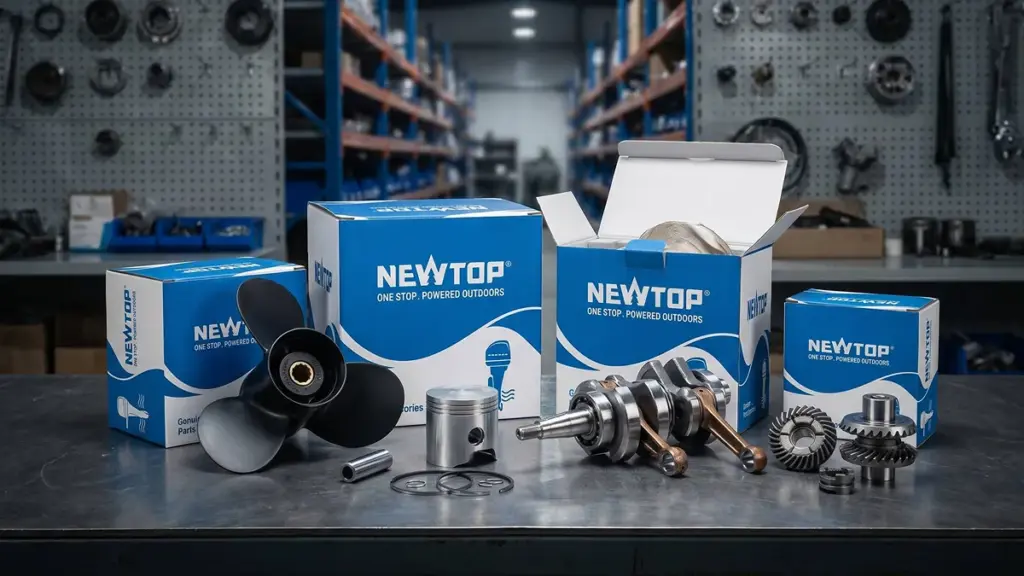
Hélices de motores fueraborda OEM y soluciones de reemplazo de NEWTOP
Como fabricante experimentado de hélices para motores fuera de borda, NOVEDAD suministra hélices OEM y de posventa para una amplia gama de motores fueraborda utilizados en recreación, comercial, y aplicaciones marinas profesionales.
Nuestra gama de productos incluye:
- Hélices fuera de borda de aluminio
- Hélices fuera de borda de acero inoxidable
- Diseños de tres y cuatro palas.
- Hélices de repuesto OEM
- Desarrollo de hélices personalizadas para marcas privadas
Cada hélice se fabrica con un estricto control dimensional para garantizar un diámetro preciso., paso, geometría de la hoja, y equilibrio dinámico. Esto ayuda a ofrecer un funcionamiento fluido, transferencia de energía eficiente, y rendimiento confiable en el agua.
Como fábrica confiable de hélices para motores fuera de borda, NEWTOP también ofrece servicios integrales de OEM y ODM para distribuidores globales., mayoristas, y marcas de equipos marinos. Desde el desarrollo de moldes y la personalización de logotipos hasta el embalaje y la inspección de calidad., Nuestro proceso de producción está diseñado para respaldar una calidad constante en pedidos de gran volumen..
Ya sea que necesite un reemplazo directo para marcas populares de motores fuera de borda o una solución de hélice personalizada para su propia línea de productos, Nuestros equipos de ingeniería y fabricación pueden ayudarle a identificar las especificaciones adecuadas para su mercado..
Conclusión
Comprender las marcas de tamaño de la hélice del motor fueraborda facilita mucho la selección del reemplazo correcto. En la mayoría de los casos, el El primer número indica el diámetro., mientras que el el segundo número indica el tono, con letras adicionales que identifican la dirección de rotación, material, o información específica del fabricante.
Al evaluar una hélice, No confíes únicamente en los números estampados.. Considere siempre el rango de RPM recomendado para su motor, el peso del barco, condiciones de funcionamiento, y uso previsto. Una hélice correctamente adaptada mejora la aceleración, eficiencia de combustible, longevidad del motor, y manejo general.
Si busca hélices de repuesto OEM confiables o busca un fabricante experimentado de hélices para motores fuera de borda, NEWTOP ofrece soluciones de ingeniería de precisión respaldadas por capacidades de fabricación avanzadas y una amplia experiencia OEM. Nuestro equipo puede ayudarlo a seleccionar o desarrollar hélices que brinden un rendimiento confiable en una amplia gama de aplicaciones fuera de borda..
Preguntas frecuentes
¿Qué significa 10?×7 significa en una hélice fuera de borda?
Estos números indican el diámetro y el paso medidos en pulgadas.. el primer numero (10) representa el diámetro, ¿Cuál es el ancho total del círculo que barren las aspas?. el segundo numero (7) es el tono, indica la distancia teórica hacia adelante que se mueve la hélice en una revolución completa. un 10×7 El tamaño se adapta a motores fuera de borda pequeños donde el fuerte empuje y el control de baja velocidad importan más que la velocidad máxima..
¿Cómo sé si el tamaño de mi hélice es correcto??
Una hélice del tamaño correcto permite que su motor alcance consistentemente la aceleración máxima recomendada por el fabricante. (WOT) Rango de RPM bajo una carga normal. El barco acelerará suavemente., subir al avión sin demora excesiva, y mantener la velocidad de crucero de manera eficiente sin acelerar demasiado ni arrastrar el motor.
¿Puedo cambiar el paso de la hélice sin cambiar el diámetro??
Sí. Cambiar a una hélice con el mismo diámetro pero con un paso diferente (como pasar de un 10×7 a un 10×9) es la forma estándar de ajustar las RPM del motor y el rendimiento del barco. Los talleres náuticos también pueden volver a colocar ligeramente los puntales existentes de aluminio o acero inoxidable para ajustar su configuración sin alterar el espacio libre..
¿Qué sucede si el paso de la hélice es demasiado alto o demasiado bajo??
Si el tono es demasiado alto, el motor tendrá dificultades para alcanzar su rango de RPM recomendado, causando una aceleración lenta y un aumento de la tensión mecánica. Si el tono es demasiado bajo, Es probable que el motor supere su límite máximo de revoluciones., lo que corre el riesgo de sufrir daños internos, desperdicia combustible, y reduce su velocidad máxima.
¿Todas las marcas de motores fueraborda utilizan exactamente el mismo sistema de marcado de tamaño??
Todos los principales fabricantes de fuerabordas utilizan el núcleo "diámetro x paso".’ medida en pulgadas, pero sus métodos exactos de estampado varían. Las marcas colocan los números en diferentes lugares., como dentro del cubo o en el cañón. También agregan letras y códigos únicos para indicar el número de hojas., dirección de rotación, y series de diseño específico.
¿Cómo leo las marcas de tamaño de hélice viejas o desgastadas??
Comience limpiando las áreas del cubo y la raíz de la hoja para revelar los números estampados.. La mayoría de los accesorios antiguos todavía utilizan el formato estándar de diámetro x paso. (como 11.25 incógnita 13). Si solo encuentras un número con una letra (como 17P), normalmente representa el tono. Para códigos complejos o parciales, consulte el catálogo de piezas del fabricante o haga que un taller náutico mida la hélice directamente.