Once the container doors close, your leverage closes with them. Every problem found at the destination — the chainsaw that won’t start, the sprayer without its wand, the carton crushed in transit — gets negotiated from the weakest position an importer can occupy. This guide lays out a pre-shipment inspection checklist for outdoor power equipment that catches those problems while they still cost a rework instead of a season.
The structure is simple: inspect at the right time, sample against a defect classification, test the machines that matter, open the cartons, and check the documents. Follow it in order and a pre-shipment inspection takes one inspector-day for a container lot — and removes the single biggest source of import surprises in this product category.
When to Inspect: During Production vs Pre-Shipment
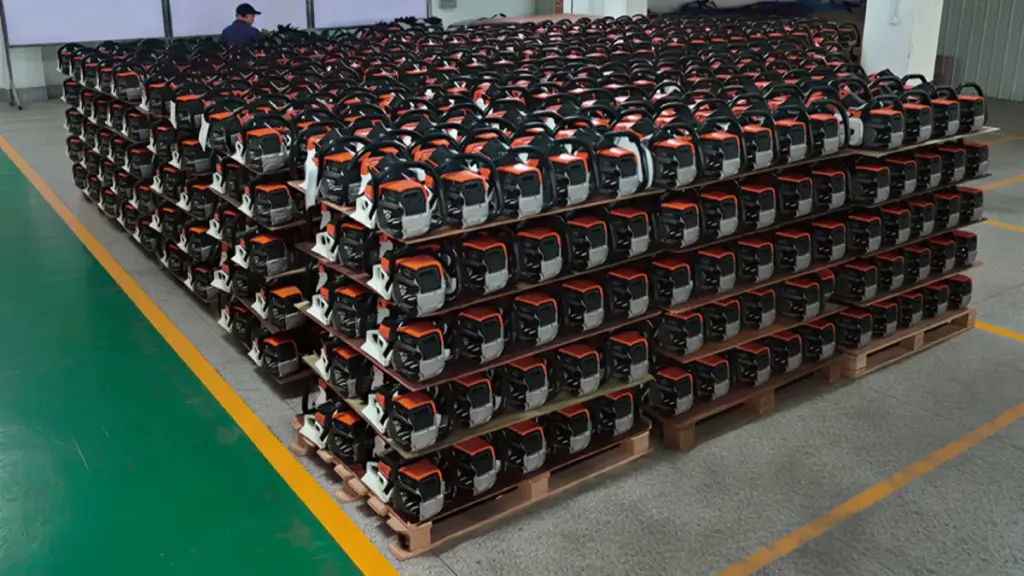
Two inspection windows serve two different purposes. A during-production check (often called DUPRO) happens when 20 para 40 percent of the order is complete; it catches systemic problems early — a wrong component batch, a process slip on the assembly line — while there is still time to correct the remaining production without delaying the shipment. A pre-shipment inspection (PSI) happens when the order is finished and at least 80 percent packed; it is the final gate that samples the actual lot you are paying for.
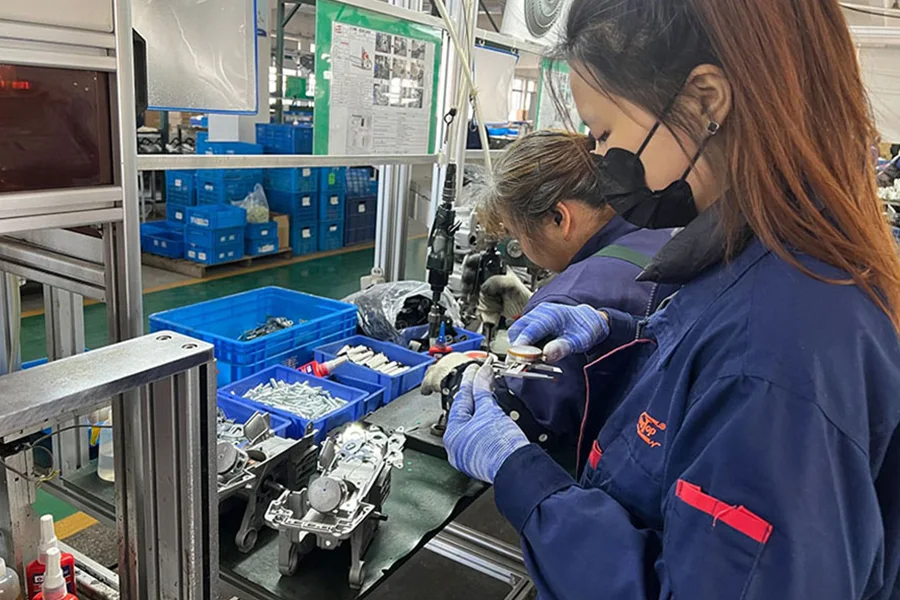
For a first order from a new supplier, run both: the during-production check protects the schedule, the pre-shipment inspection protects the payment. For established relationships with a clean history, a PSI on every shipment with periodic during-production spot checks is the usual rhythm — and patrol inspection between those points keeps the floor honest, as our own quality control process does across every production run.
AQL Sampling in Plain Terms
You will not test every unit in a 1,000-piece order, and you do not need to — you need a statistically defensible sample. That is what AQL (Acceptable Quality Limit) sampling provides, standardized in ISO 2859-1. The mechanics: your lot size and inspection level determine a sample size from the AQL tables; you inspect that sample and classify every defect; the lot passes or fails against acceptance numbers you agreed in advance. For consumer and garden machinery, importers commonly set AQL 2.5 for major defects and 4.0 for minor defects, with zero tolerance for critical ones.
The classification matters more than the numbers, because it is where arguments get settled in advance:
| Defect class | Definição | Garden machinery examples |
|---|---|---|
| Critical | Safety risk or regulatory non-compliance | Chain brake fails to stop the chain; missing guard; fuel leak; missing required certification marks |
| Major | Affects function or usability; likely return | Engine fails to start; chain tensioner skips; sprayer pressure below spec; missing accessories |
| Minor | Cosmetic; unlikely to trigger return | Surface scratches; label misalignment; carton dents; manual print blemishes |
Agree on the class definitions and the AQL levels in the purchase order itself. An inspection without pre-agreed acceptance criteria produces a report, not a verdict.
Functional Tests Every Unit in the Sample Should Pass
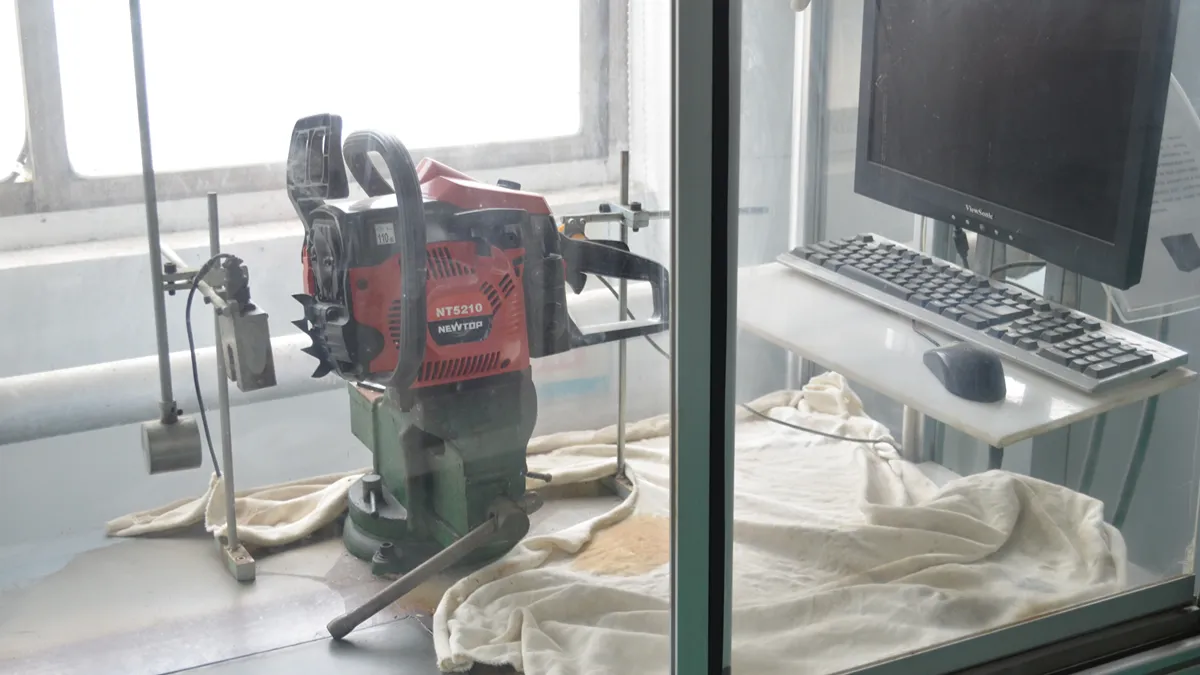
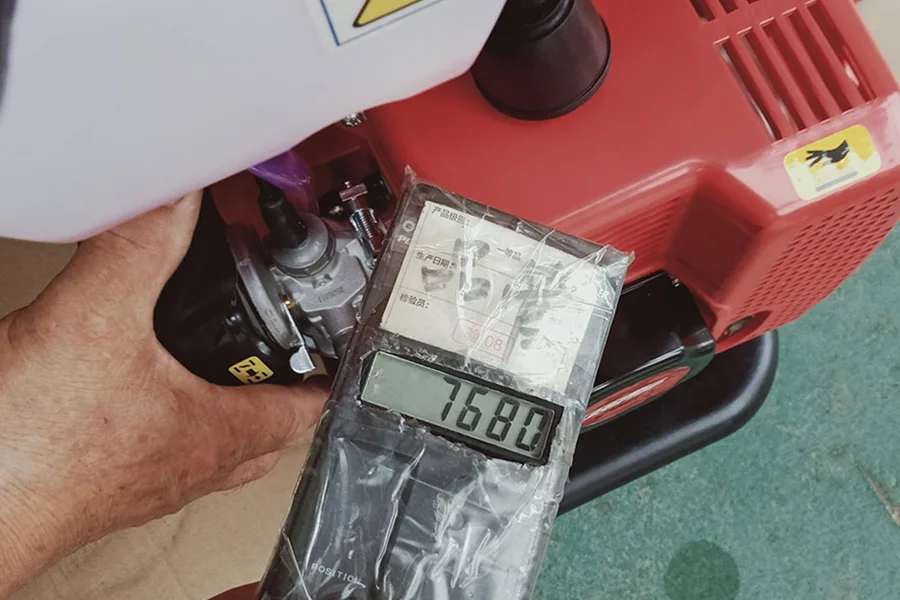
The functional test list is where an inspection earns its keep, and for gasoline-powered outdoor equipment the core tests are non-negotiable: every sampled unit starts cold within the specified pull count, idles without stalling, takes full throttle cleanly, and shuts down with the stop switch. For chainsaws, add the chain brake test — the brake must stop the chain within specification — plus throttle lockout and chain catcher checks. For brush cutters, verify harness and guard fitment; for sprayers, pressure and spray pattern against the rated spec; for generators, voltage stability under load.
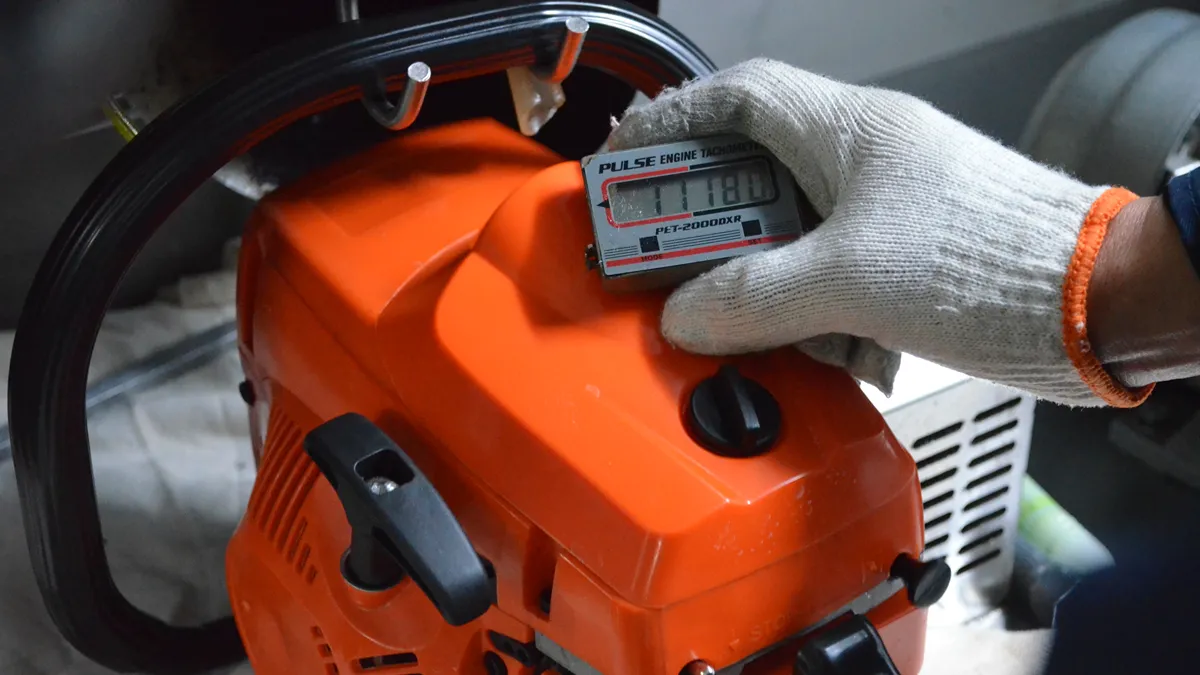
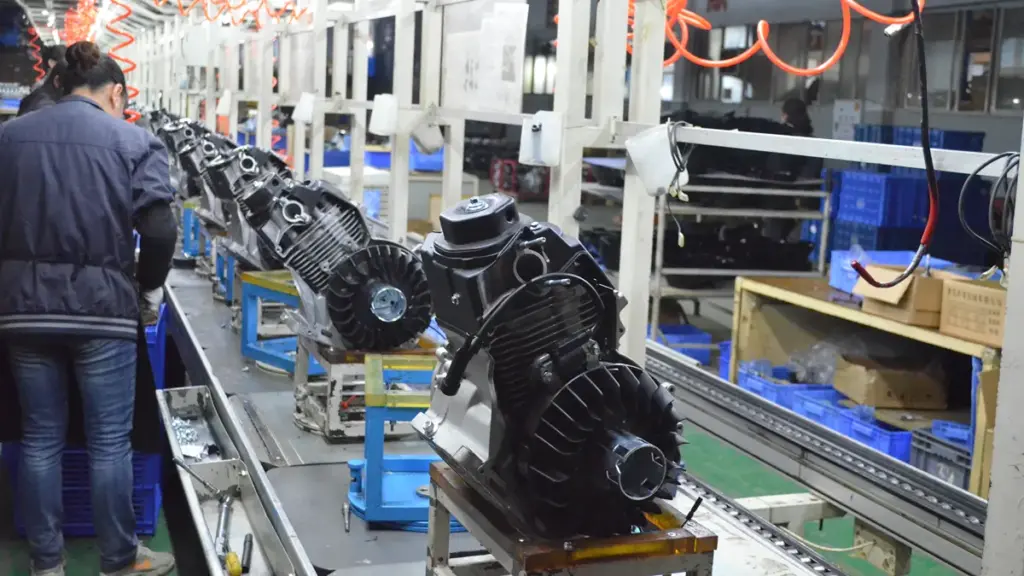
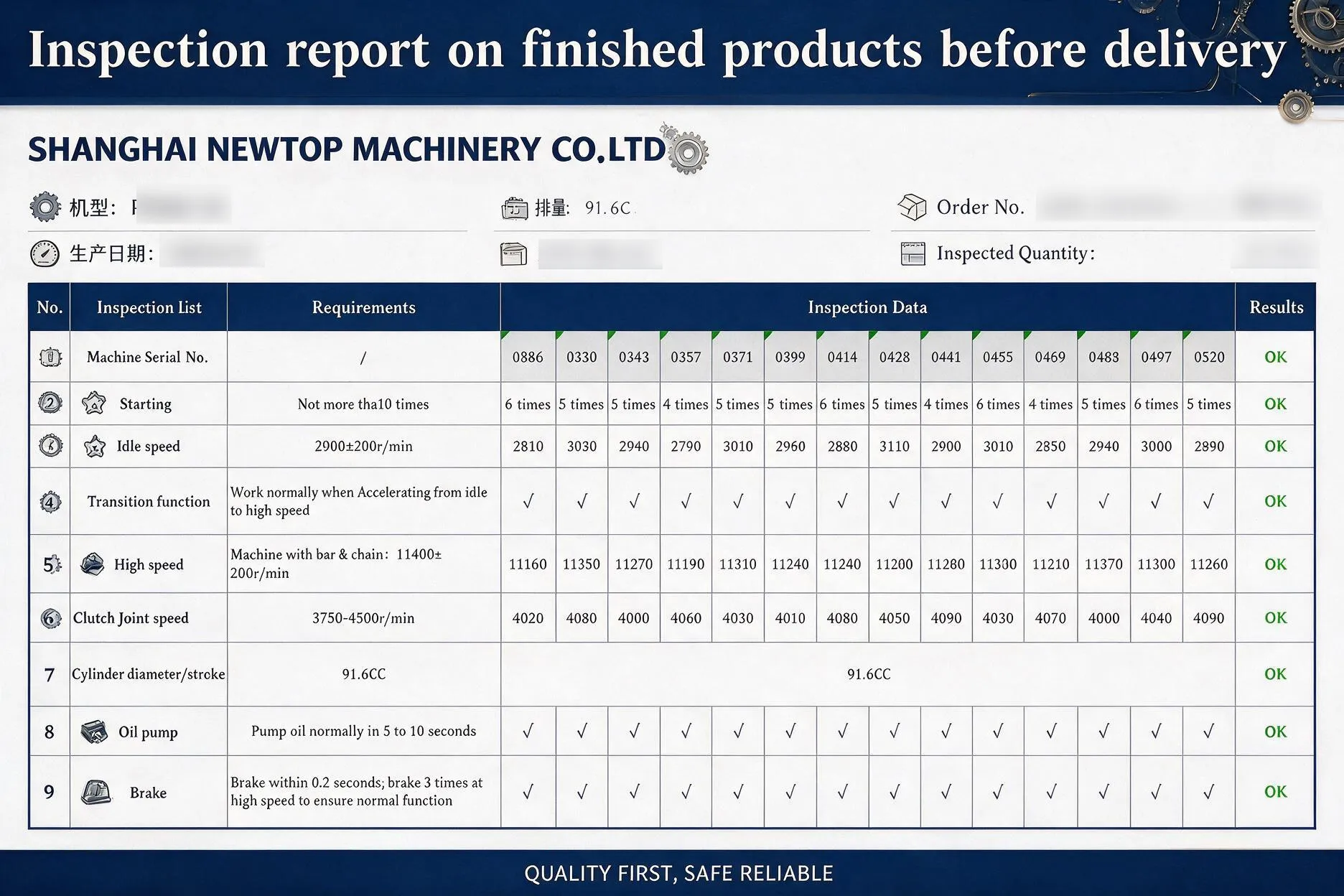
These are the same tests a supplier’s line should run on 100 percent of units before packing — asking for the factory’s internal test records alongside the inspection is how you confirm both layers agree. Our guide on gasoline engine quality for professional buyers details what these tests reveal about long-term durability.
Assembly and Packaging Checks
Half the defects importers discover at destination are assembly and packaging issues that a five-minute carton check would have caught. The checklist:
- Assembly completeness — guards, alças, and fittings correctly installed and torqued; no loose parts rattling in the housing.
- Accessory kit per pack list — bar, chain, file, harness, bicos, or funnels as the order specifies, present and counted.
- Marks present — CE marking and noise label where applicable, EPA emission label on certified engines, rating plates legible and matching the model.
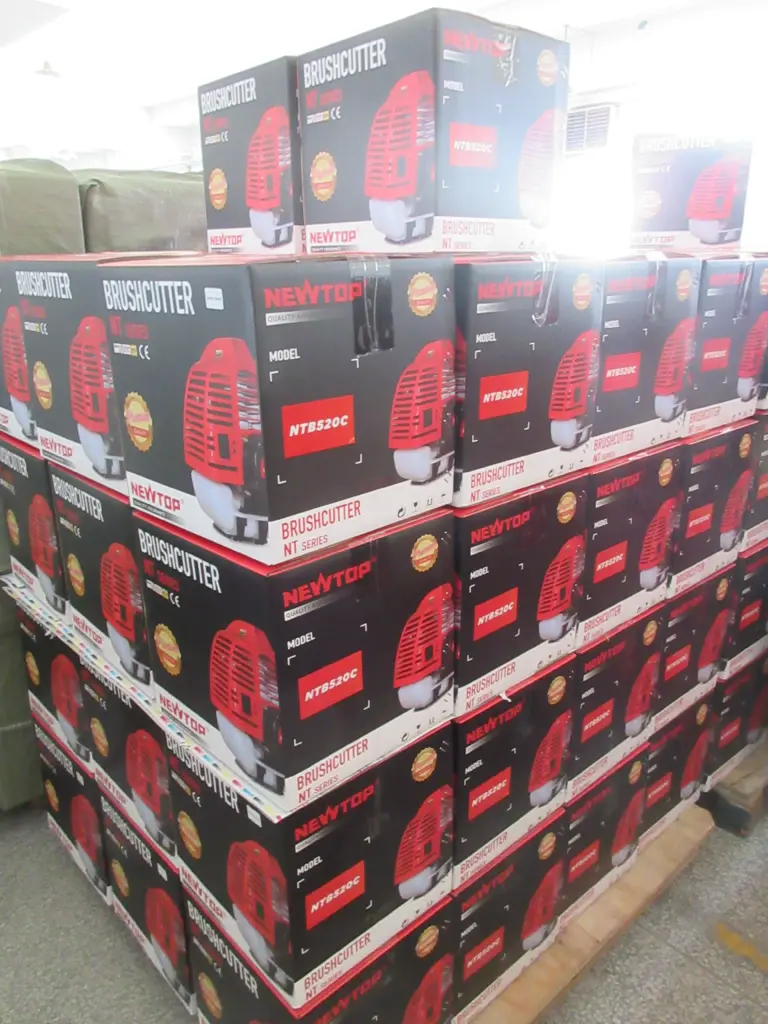
- Carton condition — export-grade board, correct cube dimensions, no compression damage; carton drop-test records for the packaging spec.
- Manual and documentation in box — correct language version, correct model, warranty card if part of the program.

The Document Check
A shipment that tests well but ships with broken paperwork still fails at customs or at the dealer. Close every inspection by collecting the document set: the pre-delivery inspection report with results per sampled unit, photos of the marks and labels on the actual production units, the packing list matching the container plan, and the Declaration of Conformity and certificate references for the models in the lot. Em NEWTOP, every shipment leaves with this documented inspection trail — the quality control process page shows what that system looks like behind the report.
Who Should Inspect: Supplier QC, Third Party, or You
Supplier QC is the baseline, not the alternative — it runs on every unit, diariamente, and no external inspection replaces it. Third-party inspection adds an independent verdict on the specific lot before payment milestones release, at a cost that is a rounding error against a container. Buyer visits build relationship knowledge but happen rarely and sample less than a professional inspector will. The practical formula: supplier QC on everything, third-party PSI on every shipment from a new supplier and on a sampling rhythm for established ones, and your own visits when the program size justifies the trip.
Perguntas frequentes
What does AQL 2.5 mean in practice?
It caps accepted major defects at 2.5 percent for the sampled lot. The AQL tables set the sample size by lot size — a 1,000-unit order at normal inspection level samples 80 units — and the lot fails if major defects exceed the acceptance number for that sample.
Can I rely on the factory’s own QC instead of third-party inspection?
For an established supplier with audited systems, sim. For a new supplier or a first order, add an independent pre-shipment inspection — the fee is trivial against the container value, and the inspection result gives your payment milestone something objective to attach to.
How long does a pre-shipment inspection take?
Typically one inspector-day for a container lot, including functional testing of the sample, carton checks, and report writing. Book it against the ex-factory date with a few days of buffer so rework, if needed, does not move your vessel.
What happens if the inspection fails?
The supplier reworks or replaces the affected units and the lot is re-inspected — which is why the re-inspection terms and who pays belong in the purchase order. Tying the balance payment to inspection pass converts the report from advice into leverage.
Which tests matter most for gasoline chainsaws?
Cold start within the specified pull count, chain brake stop within specification, throttle lockout function, chain catcher presence, idle stability, and hot restart. All are safety-adjacent, so any failure belongs in the critical or major class — never negotiated into the minor column.
A pre-shipment inspection is one working day that stands between a container you trust and a container you argue about. Define the defect classes, sample against AQL, test the functions that matter, open the cartons, and take the documents — then close the doors.
Sourcing outdoor power equipment you will not have the chance to inspect yourself? Explore the NEWTOP product range or talk to our team about distribution terms — every shipment we send leaves with its inspection report attached, and we welcome third-party inspectors on any order.