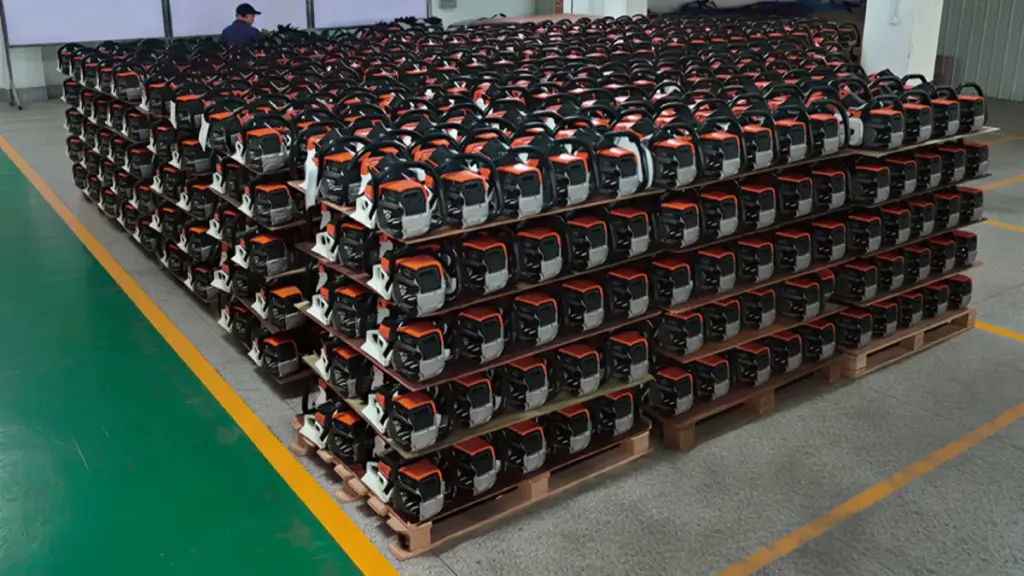
A finished outboard motor usually looks simple enough. Once it appears in a catalog or on the back of a boat, most people judge it by horsepower, projeto, or price. What stays hidden is the part that often explains much more: how the engine was built before it ever reached the water.
That hidden side of production shapes more than appearance. It affects how stable the motor feels in use, how confidently a dealer can recommend it, and how much service pressure appears after the first shipment. For buyers comparing different outboard motor manufacturers, that is often where the real difference begins. A product page can show what the motor looks like. The factory process says far more about how that motor is likely to perform once it reaches the market.
A dependable outboard motor is rarely the result of one dramatic step. Mais frequentemente, it comes from a series of production stages handled with enough control that the finished product feels consistent, solid, and ready for real marine use.
The Production Flow Tells a Better Story Than a Simple Product Photo
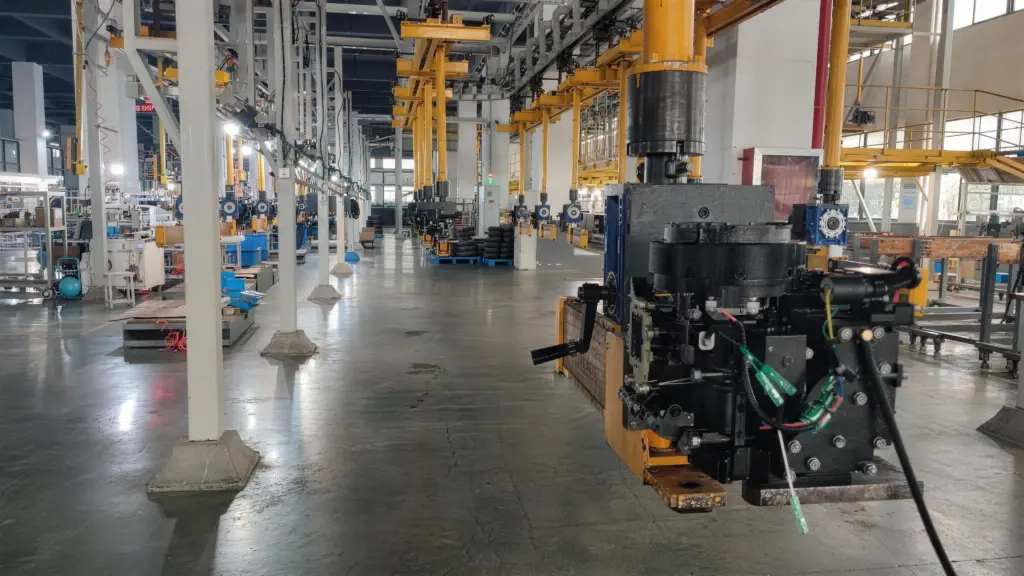
In the NEWTOP motor de popa factory, production is handled through clearly separated manufacturing stages rather than one broad assembly process. That matters because the factory keeps surface treatment, core engine building, transmission-related work, and final validation under more structured control.
| Estágio de produção | Focus of the Stage |
|---|---|
| Coating Line | Surface protection for better resistance to corrosion, umidade, and long-term marine exposure. |
| Grinding & Finishing | Part refinement, surface consistency, and a more controlled finished appearance. |
| Engine Assembly Line | Building the core power unit and integrating key engine components. |
| Gearbox Assembly | Independent assembly of the transmission-related section for better control. |
| Final Assembly | Bringing the major systems together into a complete outboard motor. |
| Outboard Motor Testing | Checking whether the completed motor is ready for real operating conditions before shipment. |
For buyers comparing outboard motor manufacturers, a process like this offers a clearer view of how the product is handled before it reaches the market.
Where Buyers Usually Feel the Difference
Most customers will never see a coating line or an assembly area. Mesmo assim, they often notice the result later.
A more stable production process tends to show up in quieter ways. The motor feels more consistent from unit to unit. Dealers feel more comfortable recommending it. Service teams spend less time dealing with avoidable issues. End users notice fewer unpleasant surprises once regular use begins.
Manufacturing discipline does not stay inside the factory. It follows the product into the market.
This is one reason experienced buyers do not stop at product appearance when comparing outboard motor manufacturers. What looks similar in a photo can turn out to be very different once engines are unpacked, installed, serviced and used over time.
What to Pay Attention to During a Factory Visit
A factory visit becomes far more useful once the focus moves beyond finished engines on display.
A few things usually reveal the most:
✅ A clear production sequence
The process should feel organized from preparation to assembly to testing, not scattered or improvised.
✅ Separate attention to critical systems
Core areas such as engine assembly and gearbox assembly should look controlled and deliberate rather than casually merged together.
✅ Consistent finishing quality
Surface refinement and overall presentation should feel stable across units, not only on display samples.
✅ A real testing area
Testing should appear as an active part of normal production, not something prepared only for visitors.
✅ Practical post-sale awareness
The team should be able to explain not only how the motor is built, but also how the product will be supported after shipment.
These details usually reveal more than showroom presentation ever can. They help buyers judge whether the factory is building for long-term market use or simply preparing products to look complete.
Testing Carries More Weight Than People Expect
Among all factory stages, testing often matters the most commercially.
A motor may already look finished at that point, but appearance alone does not prove readiness. Testing is the stage where the engine stops being judged as a completed assembly and starts being judged as a working marine product. That shift matters because many weaknesses only show up once the motor is treated as something that must actually perform.
Para revendedores, stronger testing means more confidence after the order is delivered. For service teams, it can mean fewer avoidable problems entering the market. For end users, even if they never think about factory work directly, it still shapes the product they eventually trust on the water.
That is why testing deserves more attention than it usually gets in sourcing discussions. It is often the stage that turns a complete-looking engine into one that feels commercially reliable.
More Than a Factory Story
À primeira vista, manufacturing can sound like a topic meant only for engineers. Na realidade, it tells a broader business story.
A stable process usually leads to a more dependable product. A more dependable product reduces service pressure. Lower service pressure makes it easier for dealers to build confidence and easier for the market to accept repeat orders. Ao longo do tempo, that affects product reputation far more than a glossy first impression.
So while buyers may begin by looking at horsepower or styling, long-term trust often comes from something much less visible. It comes from how carefully the factory builds, checks, and prepares the motor before it ever leaves the line.
For anyone comparing outboard motor manufacturers, that is one of the most useful places to look. A good outboard motor is not only designed well. It is also produced through a process that makes reliability easier to deliver, easier to support, and easier to believe in once the engine reaches the market.