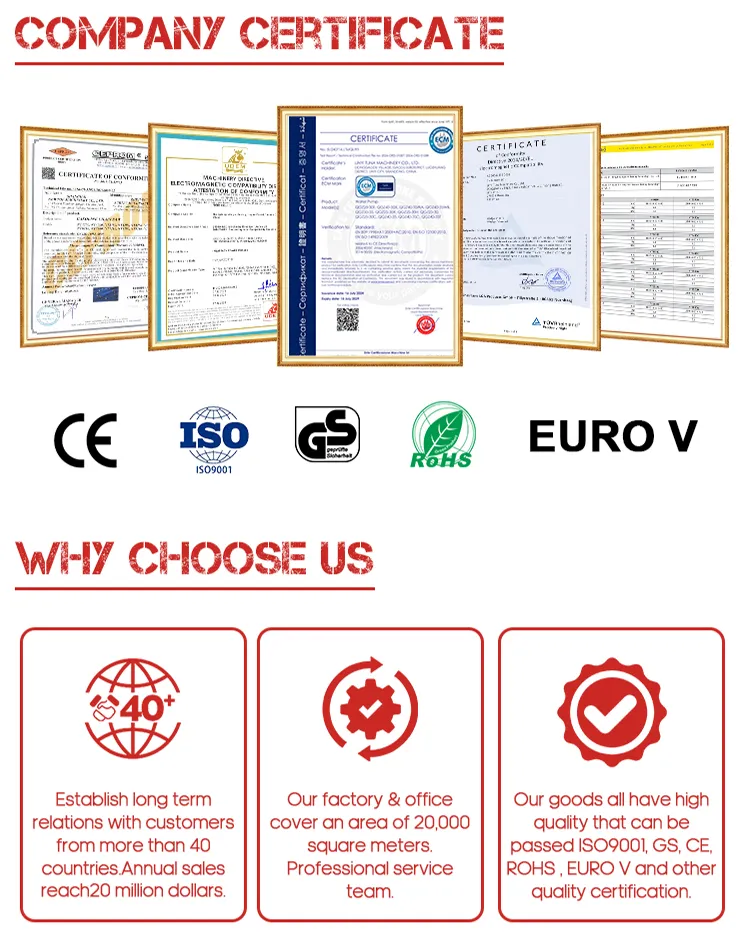
Water pump manufacturing involves a series of precise engineering, usinagem, conjunto, and testing processes. Every component—from the pump housing and impeller to the shaft, mechanical seal, and engine—must meet defined requirements before the complete unit can deliver stable flow and pressure in the field.
For gasoline and diesel water pumps used in irrigation, drenagem, construção, and water transfer, manufacturing quality directly affects flow rate, lift, eficiência de combustível, vibration, durabilidade, and operating reliability.
Então, how are water pumps manufactured in a factory? The process typically covers engineering design, raw material selection, component machining, impeller manufacturing, pump and engine assembly, surface treatment, performance testing, final inspection, and packaging.
Neste guia, we’ll walk through each stage of the water pump manufacturing process and explain the key quality controls used to produce reliable equipment for distributors, importadores, e usuários profissionais.
What Are Water Pumps Made Of?
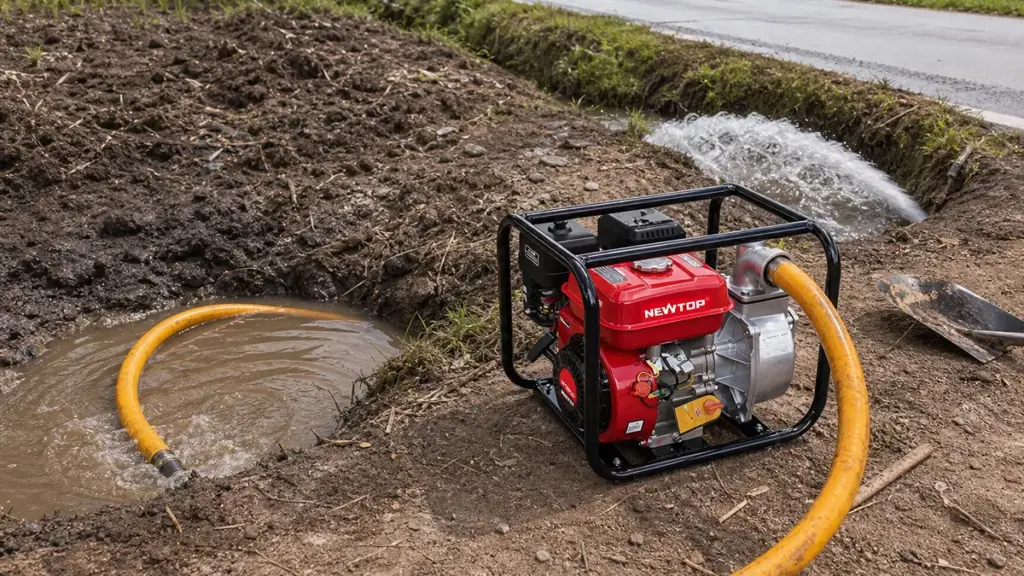
Water pump materials range from cost-effective cast iron to specialized alloys and engineered plastics, selected strictly based on fluid chemistry, system pressure, and abrasive wear conditions.
Primary Metals Used in Pump Housings and Impellers
Metal components form the main structural and hydraulic parts of most gasoline and diesel water pumps. Manufacturers select materials according to the required strength, peso, resistência ao desgaste, and operating environment.
- Cast iron: Commonly used for pump housings and impellers where strength, durabilidade, and wear resistance are important. It is especially suitable for heavy-duty water transfer applications.
- Aluminum alloy: Widely used for portable water pump housings because it provides a good balance between strength and low weight. Reducing housing weight makes the complete pump easier to transport and handle.
- Stainless steel: Used for shafts, fixadores, and selected hydraulic components where higher corrosion resistance is required.
- Carbon steel and alloy steel: Common choices for shafts and other load-bearing components because they provide the strength needed for continuous rotation and mechanical loads.
For portable gasoline water pumps, material selection often involves balancing durability with portability. A cast-iron component may provide excellent wear resistance, while an aluminum housing can help reduce the total weight of the machine. Por exemplo, NEWTOP's NTWP30 uses a cast-iron impeller and aluminum pump body, combining a durable rotating component with a relatively lightweight housing.
Non-Metallic Components and Sealing Materials
Metal components provide structural support, but non-metallic parts are equally important for reliable pump operation. Seals, juntas, Anéis de vedação, and other polymer components help prevent water leakage and protect internal parts.
Common materials include:
- Ceramic and carbon: Frequently used as mechanical seal faces because they provide good wear resistance and sealing performance.
- Nitrile rubber (NBR): Commonly used for seals and O-rings in general water pump applications.
- EPDM: Offers good resistance to water, aquecer, and weathering and can be used in suitable sealing applications.
- PTFE: Provides strong chemical resistance and low friction, making it useful for specific sealing requirements.
The correct sealing material depends on the water temperature, fluid characteristics, shaft speed, e condições de operação. A high-quality mechanical seal is particularly important because leakage around the rotating shaft can quickly affect pump performance.
9 Steps of the Water Pump Manufacturing Process
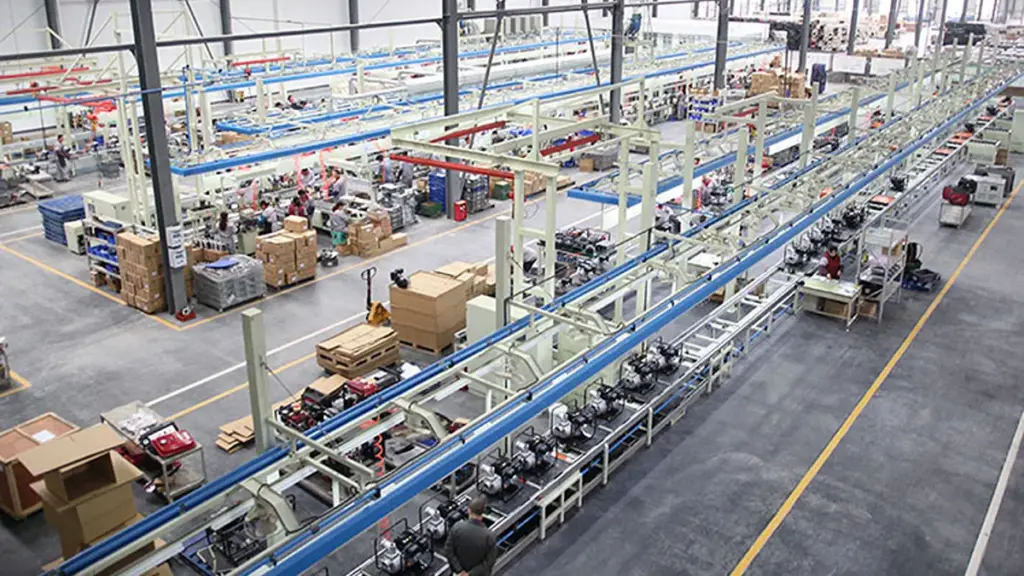
| Manufacturing Phase | Key Components Involved | Critical Controle de qualidade Verificar |
|---|---|---|
| Engenharia & Forming | Casing, Volute, Core Shafts | Material composition and draft geometry |
| Machining & Preparation | Housings, Shaft seats, Impellers | CNC dimensional accuracy and static balance |
| Assembly & Sealing | Bearings, Mechanical seals, Motor | Fastener torque and shaft alignment |
| Testing & Dispatch | Fully assembled pump unit | Hydraulic load testing and leak detection |
Etapa 1: Water Pump Design and Engineering
Engineers initiate the manufacturing cycle using advanced CAD software to establish the pump’s core geometry and performance targets. This digital blueprint dictates the physical architecture and maps out major part interfaces, which directly guides the downstream casting and machining operations.
Design teams calculate and account for critical operational variables from the start:
- Flow rate and head: Setting the baseline for hydraulic capacity.
- Fluid type: Adjusting for viscosity, corrosiveness, or abrasive solid content.
- Operating environment: Factoring in extreme ambient temperatures or submerged conditions.
Etapa 2: Raw Material Selection and Component Manufacturing
Factories select industrial-grade metals like cast iron, aluminum, or stainless steel based on the specific tensile strength and corrosion resistance the application demands. Foundries then form the major structural elements, including the pump body and volute, through heavy casting, forging, or smelting.
Simultaneously, specialized production lines manufacture the supporting internal mechanics. This includes:
- Drive shafts and rotors
- Stators and bearing assemblies
- Mechanical seals and gaskets
Etapa 3: Pump Body and Engine Component Machining
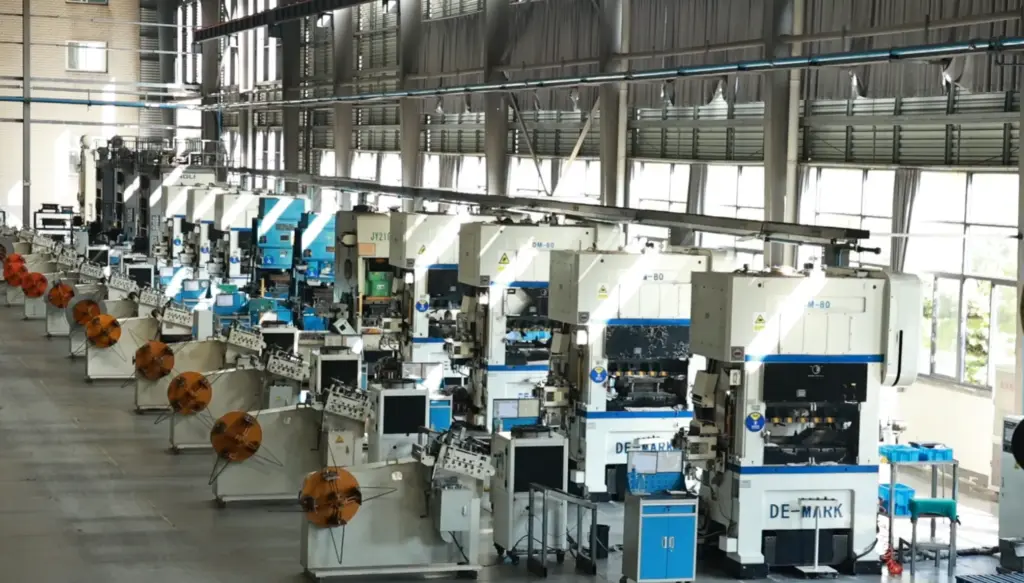
Rough castings rarely exit the mold ready for assembly. They undergo CNC precision machining to cut, drill, and face critical surfaces so they hit exact dimensional tolerances. This removes any casting flaws and guarantees a tight mechanical fit between mating parts.
Operators focus heavily on finishing essential structural points. Flawless machining is non-negotiable for housings, shaft seats, cover faces, and primary mounting surfaces to prevent future vibration or seal failure.
Etapa 4: Impeller and Internal Component Manufacturing
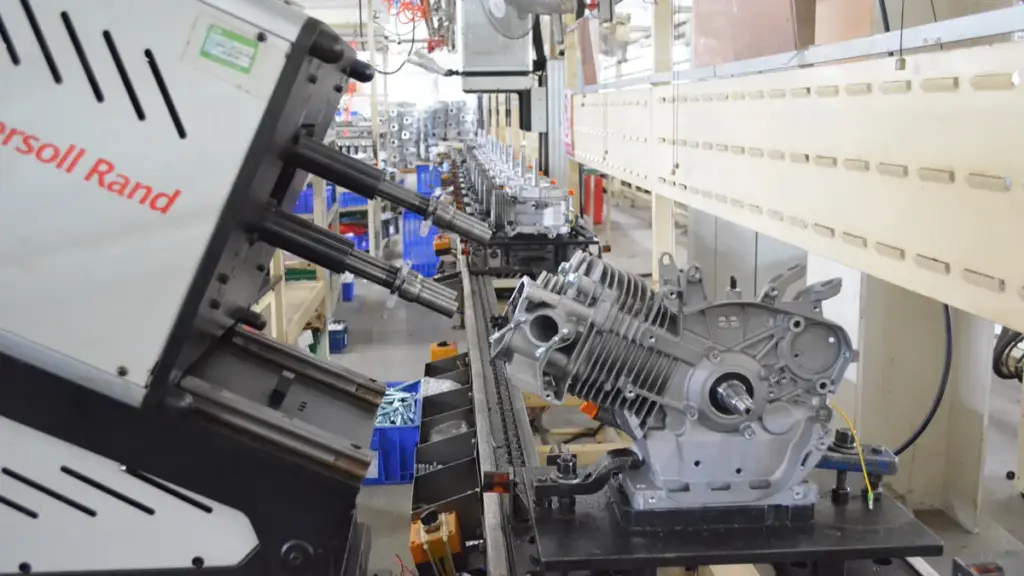
The impeller serves as the hydraulic heart of the pump. Technicians cast, machine, and precisely balance each impeller to eliminate erratic vibration and stabilize high-speed rotation. Engineers carefully optimize the impeller and diffuser geometry to maximize fluid pressure and flow output while minimizing mechanical strain.
Workers also prepare separate internal components prior to final assembly. They stage shaft pipes, balanced rotors, and wound stators so the production line maintains a steady workflow.
Etapa 5: Engine and Pump Assembly
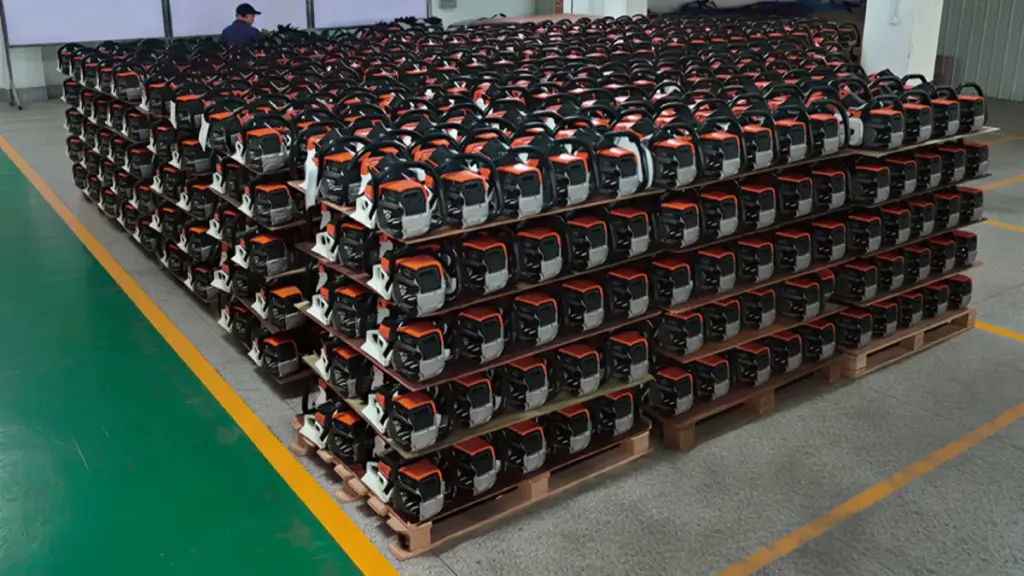
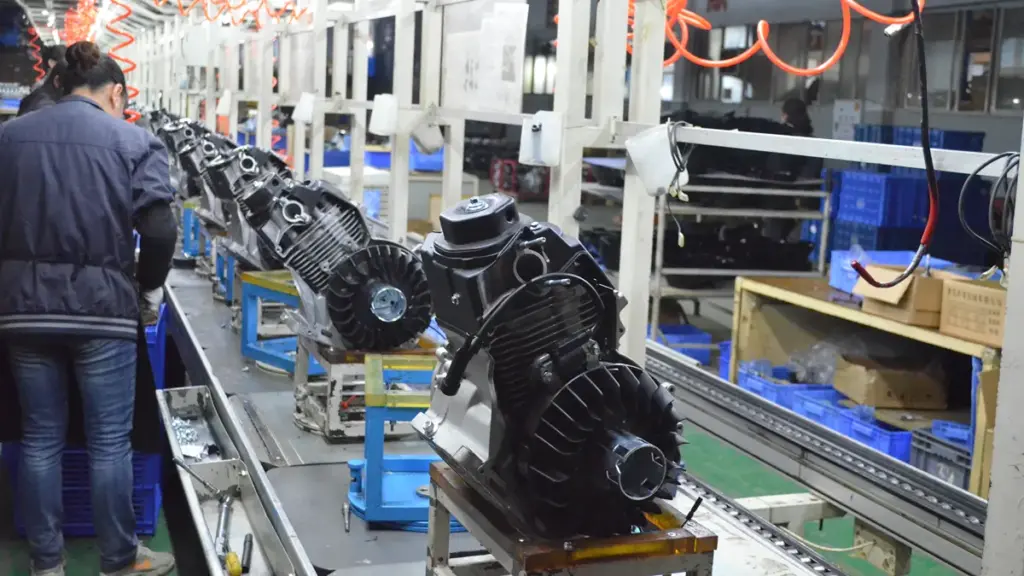
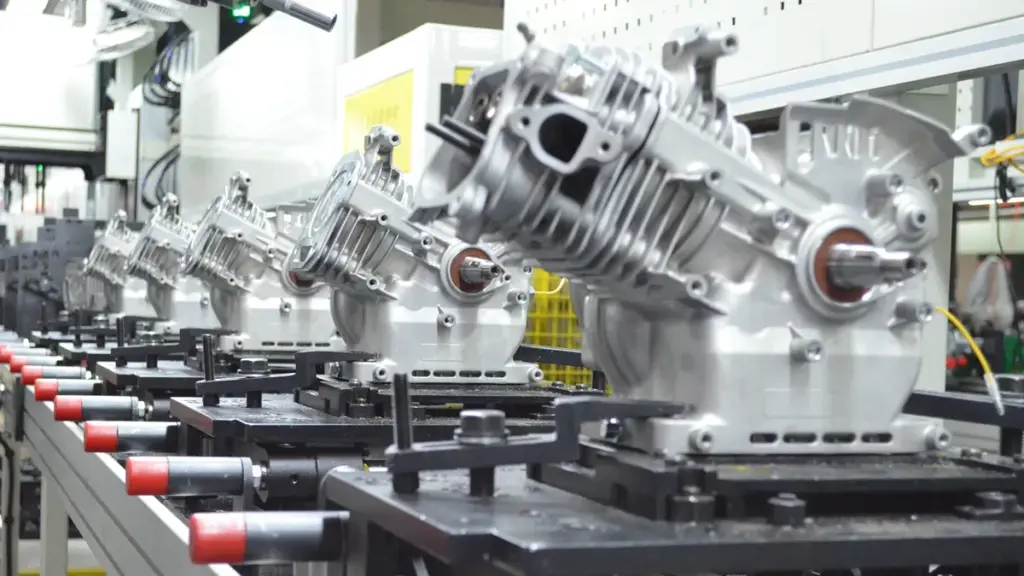
Assembly lines merge the machined casing, balanced impeller, drive shaft, and prepared internals into a complete operational unit. For engine-driven configurations, technicians install and align the motor, securely fastening all heavy-duty drive components to prevent torque distortion.
This stage requires exact handling to avoid misalignment or pressure drops. Workers carefully press-fit bearings and install mechanical seals, lock nuts, and mating flanges to establish a reliable, leak-proof barrier.
Etapa 6: Surface Treatment and Finishing
Bare metal requires defense against harsh industrial or outdoor environments. Technicians apply specialized surface treatments like anti-rust paint, heavy powder coating, or protective enamel to shield the exterior from corrosion and physical wear.
Preparation goes beyond the exterior housing. Workers clean, dry, and apply specific pre-coats to internal cavities and bearing boxes to prevent internal degradation before the pump ever sees liquid.
Etapa 7: Water Pump Performance Testing
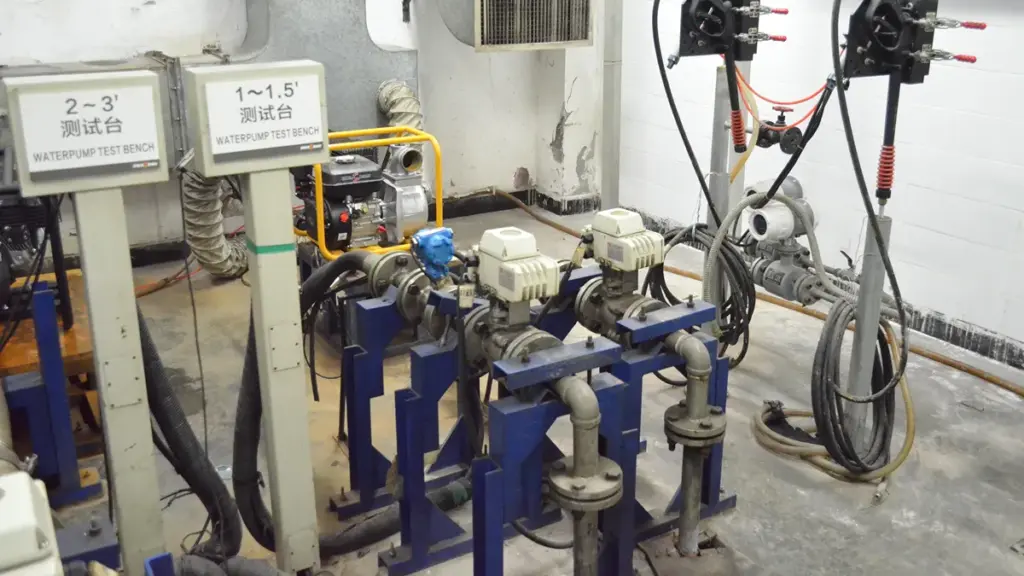
Performance testing acts as the primary proof of build quality. Technicians mount the fully assembled pump on a closed-loop hydraulic test bench and run it under load to verify it hits guaranteed operational standards.
Inspectors monitor and record these critical parameters:
- Hydraulic output: Checking exact flow rate and discharge pressure.
- Integrity: Scanning for housing leaks and seal weeping.
- Mechanics: Measuring operational noise and detecting abnormal vibration.
Etapa 8: Quality Control and Final Inspection
Final inspection serves as the last barrier before dispatch. Quality control teams conduct strict visual and dimensional checks, confirming the physical product aligns perfectly with the original engineering drawings. They also verify cleanliness to keep debris out of the internal fluid path.
Inspectors aggressively hunt for defects. They will catch and reject any units showing surface damage, pinhole leaks, poor shaft alignment, or uneven coating. They also validate batch tracking codes to maintain full manufacturing traceability.
Etapa 9: Packaging and Shipment
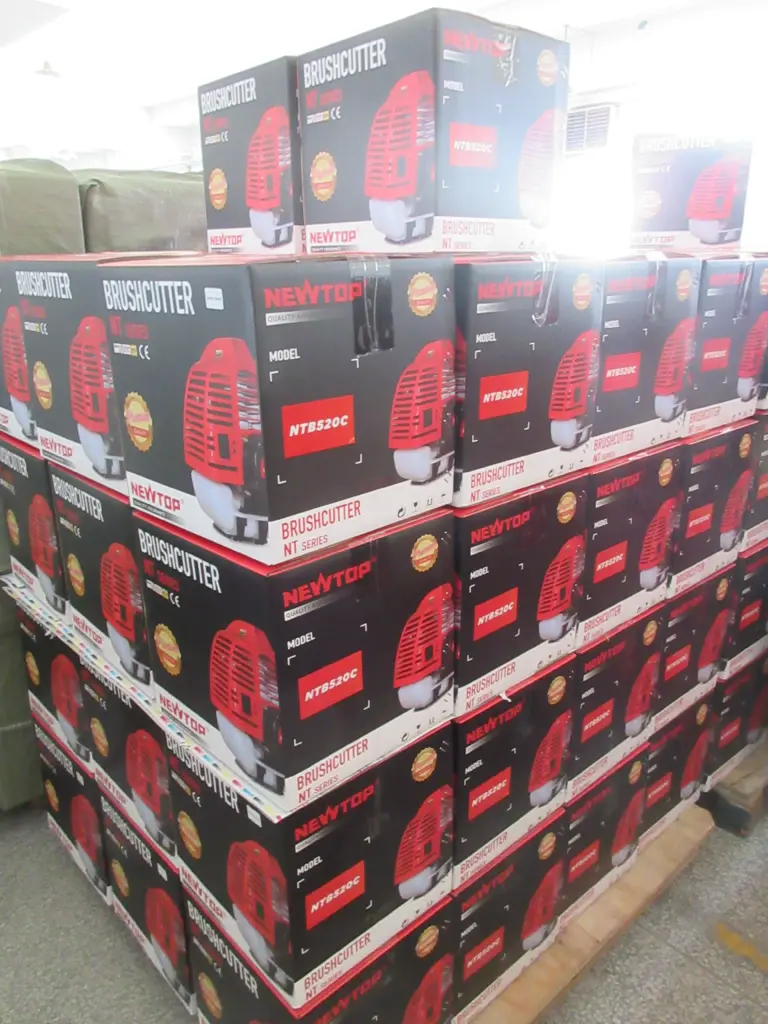
The factory floor cleans, labels, and securely packs the approved water pumps using impact-resistant protective materials. Proper packaging prevents transit damage during rough freight handling and long-distance hauling.
Logistics teams insert necessary accessory kits, user manuals, and final batch tracking documents into the crates. The packaged units are then dispatched to industrial users, regional distributors, or direct retail channels.
Maximize Margins With Premium Agricultural Machinery

How Does a Factory Ensure Water Pump Quality?
Factory quality assurance for water pumps is an integrated system. It combines strict incoming material checks, precision CNC machining, controlled assembly, and rigorous hydraulic testing before final shipment.
Engineering Design and Material Inspection
Quality control starts long before parts hit the production floor. Engineers use CAD and 3D modeling software to define exact pump geometry, tight tolerances, and strict performance targets. This upfront design dictates the required strength and corrosion resistance, leading to the selection of core materials like cast iron, aluminum, and stainless steel. Once the raw materials arrive, the factory conducts thorough incoming inspections. Technicians verify the chemical and physical properties of all metals, copper windings, rubber components, plastics, and seals to guarantee only approved materials enter the manufacturing line.
Casting, Molding, and Machining Controls
Structural integrity relies on highly controlled casting and molding processes. Foundries manage melting, pouring, and cooling times to prevent hidden defects like porosity or cracking in the rough casings. After casting, the components move to the machining phase. Operators use CNC machines, drills, and lathes to cut proper fits for bearings and shafts. The goal here is maintaining exact dimensional tolerances. This precision ensures correct impeller clearances, which directly prevents internal friction and maximizes hydraulic efficiency.
Motor Assembly and Verification
For electric water pumps, mechanical and electrical reliability are inseparable. Technicians focus heavily on copper winding density, precise rotor balancing, and thorough insulation resistance checks before motor integration. On the assembly line, workers install pump housings, selos, rolamentos, and fasteners following strict fit-up and torque control protocols. Factories set up dedicated inspection points throughout this sequence. These checks verify component alignment at every stage, preventing hidden assembly defects from moving down the line and reaching the customer.
Comprehensive Performance Testing
Performance testing acts as the primary proof of build quality. Finished units undergo rigorous evaluations on closed-loop test benches to validate their operational metrics against the original engineering targets.
- Hydraulic Performance: Technicians confirm the pump delivers the exact head, flow rate, and power consumption required by the specification.
- Pressure and Leakage: Hydrostatic tests check the casing integrity and mechanical seal effectiveness under heavy load.
- Noise and Vibration: Monitoring equipment detects abnormal running behavior caused by rotor imbalance or internal misalignment.
Final Inspection and Traceability
The last quality gate happens right before the pump leaves the factory. Quality control teams conduct final visual inspections to check surface cleanliness, correct labeling, and accurate documentation. They also verify packaging standards to reduce the risk of transit damage. Factories log every unit with batch tracking and inspection data. If a field defect occurs, the manufacturer can quickly isolate the specific production lot. This traceability extends into after-sales support, where factories analyze field performance data to refine future testing standards and engineering designs.
Looking for a Reliable Water Pump Manufacturer? Talk to NEWTOP
Choosing a water pump supplier means looking beyond flow rate and engine power. Consistent quality, desempenho confiável, and stable production are equally important for long-term business.
NOVOTOP manufactures gasoline and diesel water pumps for irrigation, drenagem, construção, and general water transfer. With different flow, cabeça, and port configurations, NEWTOP can provide suitable solutions for different applications and market requirements.
If you are sourcing water pumps for wholesale, distribuição, or OEM/ODM projects, talk to NEWTOP about your required specifications and order volume. Our team can help you select the right pump for your market and application.
Need a reliable water pump supplier? Entre em contato com a NEWTOP hoje.
Perguntas frequentes
What materials are best for water pump housings?
The choice depends on the application. Cast iron and ductile iron are standard for general-purpose pumps due to strength and cost-efficiency. Stainless steel and bronze are preferred for corrosive or marine environments, while engineering plastics like PVDF handle highly chemical-laden water.
How is ISO 9906 used in water pump manufacturing?
ISO 9906 is an international testing standard for rotodynamic pumps. Factories use it during final acceptance testing to verify that a pump meets the buyer’s guaranteed flow, total head, and power specifications within standardized tolerance grades before it leaves the facility.
What methods do factories use to test for pump leakage?
Manufacturers primarily rely on hydrostatic pressure tests, where the assembled pump is filled with water and pressurized to 1.5 times its rated working pressure. Technicians hold this pressure for several minutes to verify that the casing, joints, and mechanical seals remain completely water-tight.
How do manufacturers test the flow and pressure of a new pump?
Pumps are installed on a calibrated closed-loop test bench and run at various operating speeds. Flowmeters and pressure transducers measure the discharge flow and head at multiple duty points. This data creates a performance curve that is compared against the factory guarantee.
What final quality checks occur before a water pump is shipped?
Before dispatch, pumps undergo a rigorous end-of-line inspection. This includes visual and dimensional checks, functional performance runs, electrical safety tests for motorized units, acoustic checks for abnormal vibration, and a final verification of packaging and labeling integrity.