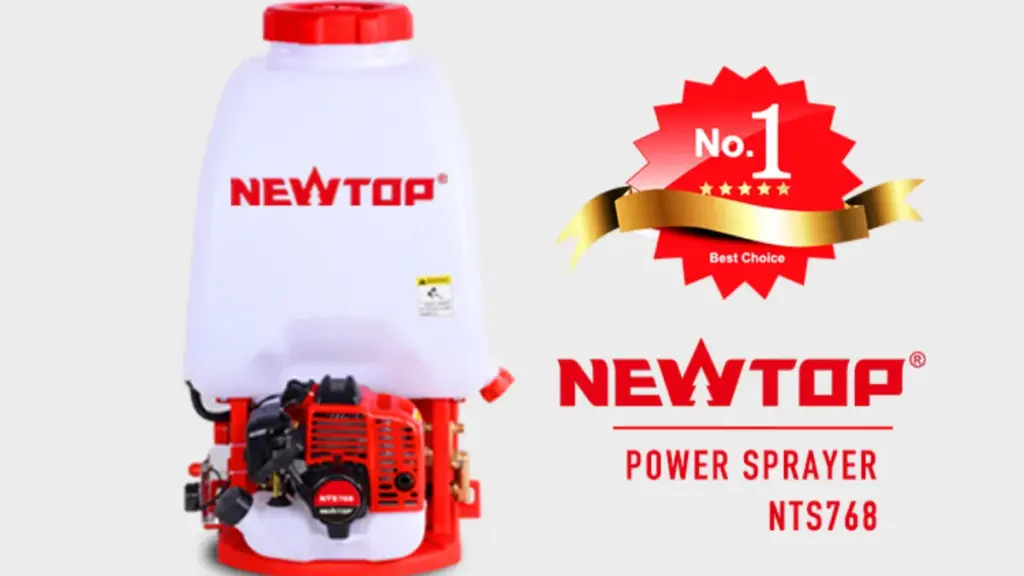
Mosquito control is a serious concern for farms, Obstgärten, public spaces, and residential areas in tropical and subtropical regions. In Africa, Southeast Asia, and Latin America, mosquito management is not only about comfort but also about protecting public health and agricultural productivity.
When choosing agricultural machines, buyers often compare two main solutions: mosquito foggers and sprayers. Both are widely used in agricultural pest control, vector control programs, and backyard mosquito treatment. Jedoch, they operate differently and serve different purposes.
In diesem Ratgeber, we break down the key differences, performance factors, operational costs, and environmental impact to help distributors, Importeure, and pest control professionals select the right solution for their market.
Mosquito Fogger vs. Sprühgerät: Key Differences at a Glance
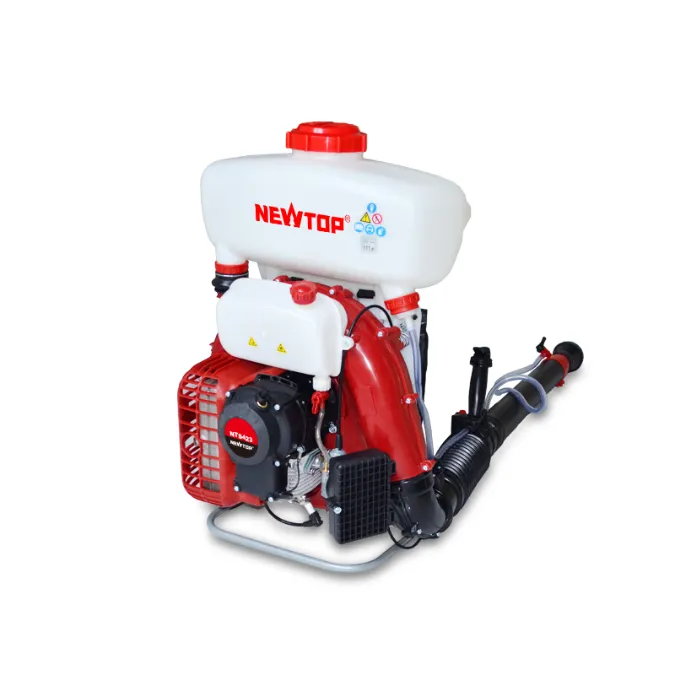
A fogger treats the air for immediate mosquito knockdown, while a sprayer treats surfaces to create a long-lasting protective barrier.
To choose the right tool, you first need to understand the fundamental mechanical distinction between fogging and spraying.
| Attribut | Mosquito Fogger (Thermal or ULV) | Backpack Sprayer (Manual or Power) |
|---|---|---|
| Primary Function | Air Treatment (Immediate Knockdown) | Surface Treatment (Residual Barrier) |
| Droplet Size | 5-50 microns (aerosolized mist) | 100+ microns (liquid spray) |
| Control Duration | Short-term (Hours to 1 day) | Long-term (Up to 21–30 days) |
| Primary Target | Flying insects in the air column | Surfaces where insects land or breed |
| Coverage Speed | Extremely fast (Acres in minutes) | Slower, detailed application |
| Target Pest Stage | Active Flying Adults | Adults (on surfaces) & Larvae |
Application Method and Droplet Size
The fundamental difference between these tools lies in how they disperse insecticide. A fogger atomizes liquid into a fine aerosol cloud with tiny particles (5-50 microns) that float in the air. This method is designed for “space spray” applications, killing adult mosquitoes on contact as the fog drifts through an area.
Im Gegensatz, a sprayer applies larger liquid droplets (100+ microns) directly onto surfaces. This approach focuses on coating leaves, walls, and other mosquito resting spots to create a lasting insecticidal barrier.
Duration and Type of Control
Fogging offers an immediate but temporary solution. It is effective for clearing an area just before an outdoor event, but mosquitoes from surrounding areas can return once the fog dissipates within a few hours.
Sprayers provide extended, residual control. The chemical barrier created by a sprayer application remains effective for up to 21 Tage, killing mosquitoes that land on treated surfaces long after the initial treatment. This method also allows for targeting mosquito larvae in their breeding sites, which is critical for disrupting the life cycle and achieving long-term population reduction.
Chemical Efficiency and Environmental Focus
Backpack sprayers enable precise, targeted application. Operators can direct the insecticide exactly where it’s needed—under decks, on shaded foliage, and around doorways—minimizing chemical waste and reducing the risk to non-target organisms.
Fogging disperses chemicals broadly, making it difficult to control drift and increasing the potential impact on beneficial insects like pollinators. Because of their targeted effectiveness and improved sustainability, professional barrier spray treatments have become the industry standard for modern pest management.
How Does Mosquito Control Work?
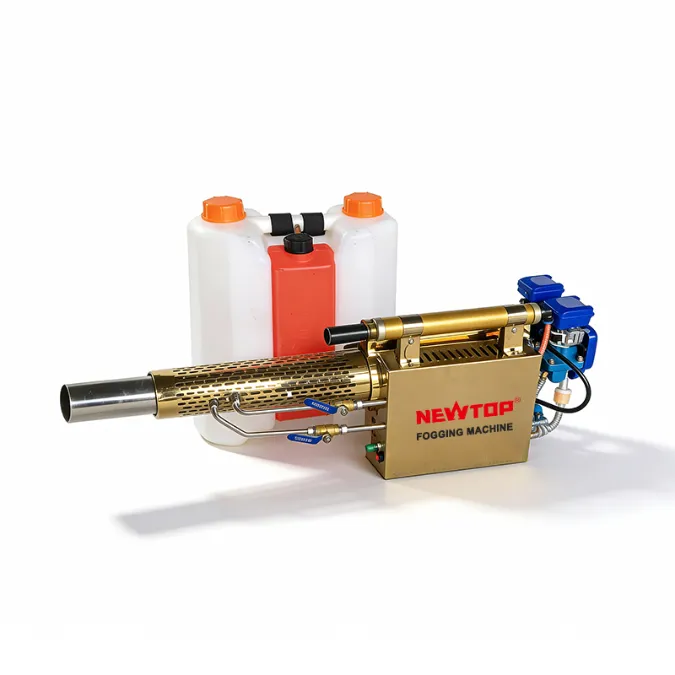
Effective mosquito control in 2026 is a comprehensive strategy that targets all life stages, from eliminating breeding grounds to managing adult populations, rather than relying on a single application method.
Integrated Pest Management (IPM) Approach
Modern mosquito control relies on an integrated management strategy, moving beyond the simple application of chemicals. This approach combines source reduction (eliminating standing water), biological controls (using natural predators or agents), and targeted chemical applications. The goal is to manage mosquito populations for the long term by disrupting their life cycle, which minimizes environmental risks and reduces the chances of pesticide resistance. A successful IPM program is a multi-faceted plan that attacks the problem from several angles at once.
Targeting the Mosquito Life Cycle
A robust control program attacks mosquitoes at every stage of their development to systematically break the breeding cycle.
It starts with source reduction—identifying and removing any standing water where mosquitoes lay eggs. The next step is larval control, which involves treating unavoidable water sources with growth regulators or biological agents to prevent larvae from maturing into adults. Finally, adult population management uses tools like backpack sprayers or foggers to reduce the number of flying, biting mosquitoes that can transmit diseases.
Balancing Chemical and Non-Toxic Methods
The industry standard now balances the immediate impact of chemical treatments with safer, non-toxic alternatives. Chemical interventions provide a rapid knockdown of adult mosquito populations, a critical tool during active outbreaks. These are complemented by sustainable methods like habitat modification and biological controls, which provide an environmentally responsible way to suppress breeding over an entire season. This balanced approach protects public health without compromising ecological stability.
Boost Your Profits with Reliable Equipment

When to Choose a Backpack Sprayer for Target Applications
Backpack sprayers offer superior control for applying long-lasting residual insecticides directly to mosquito resting sites, making them the preferred tool for targeted, multi-week protection and use in sensitive environments.
Precision Treatment for Specific Areas
Backpack sprayers are the right tool for applying solutions directly to mosquito resting and breeding sites. This includes dense shrubs, areas under decks, and damp, shaded zones where a targeted application is more effective than broad-scale fogging. The operator has complete control to treat specific problem areas without broadcasting chemicals unnecessarily.
- Allows for direct application to plant foliage and structural surfaces where adult mosquitoes rest during the day.
- Minimizes chemical use by focusing only on problem zones, avoiding unnecessary exposure to non-target areas.
Applying Residual Insecticides for Lasting Protection
Unlike foggers that provide an immediate but short-lived knockdown, sprayers excel at applying residual chemicals. These formulations bond to surfaces, offering protection that can last for weeks after a single treatment. This approach aligns with the industry’s shift toward integrated, longer-lasting barrier treatments that provide sustained control.
- Creates a protective barrier on leaves, walls, and fences that continues to work on mosquitoes upon contact.
- Reduces the frequency of treatments needed, making it a cost-effective solution for season-long control.
Versatility for Multiple Yard Care Tasks
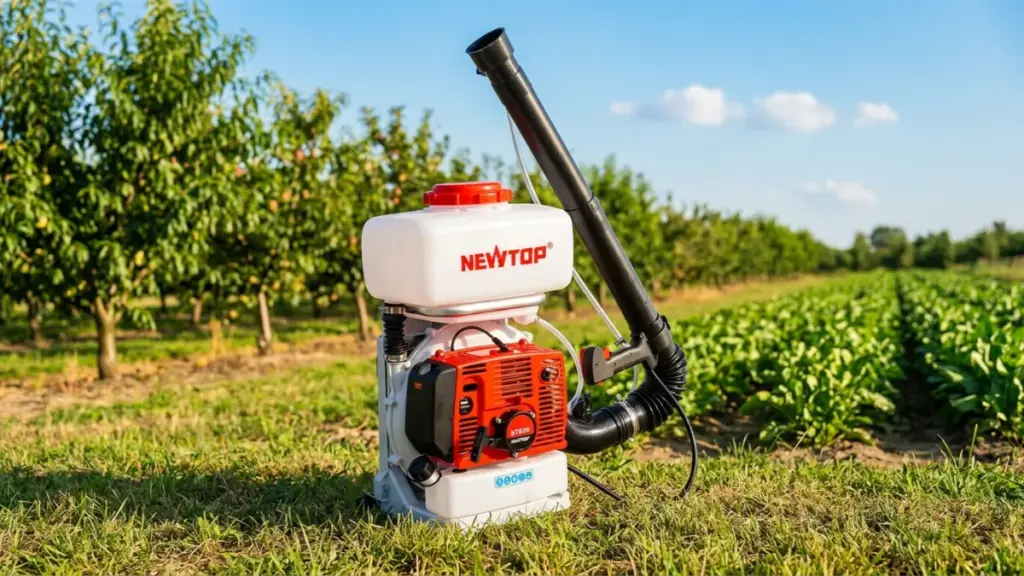
A single backpack sprayer can handle a wide range of applications beyond mosquito control. It is effective for fertilizing gardens, applying fungicides to plants, and distributing herbicides for weed management. This adaptability makes it a valuable piece of equipment for any professional landscape or pest control operation.
- Serves as an all-in-one tool for integrated pest management and general landscape maintenance.
- NEWTOP’s sprayers are built to handle various chemical formulations, from insecticides to liquid nutrients.
Control in Sensitive Environments
When working near vegetable gardens, fish ponds, or public play areas, a backpack sprayer provides superior control over chemical drift. This precision ensures the solution is applied only where intended, minimizing impact on the surrounding ecosystem. The ability to manage droplet size is a key advantage over fogging.
- The adjustable nozzle allows for coarse droplets that fall quickly, reducing the risk of airborne drift.
- This level of control is essential for ensuring the safety of people, pets, and beneficial insects.
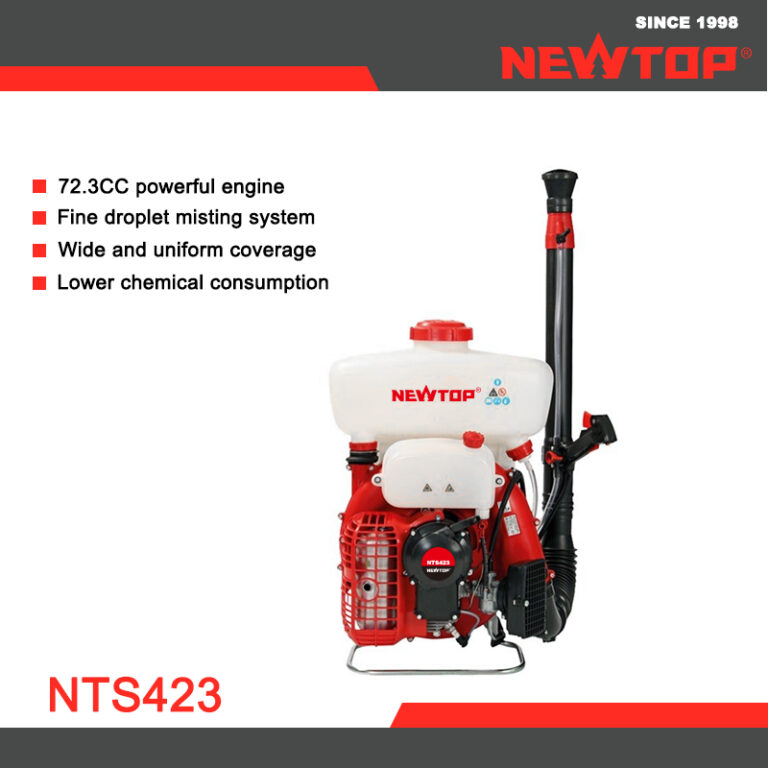
Gasoline Backpack Sprayer NTS423
Engineered for precision and durability, featuring high-pressure output and ergonomic design for long-duration pest control tasks.
Produktdetails anzeigen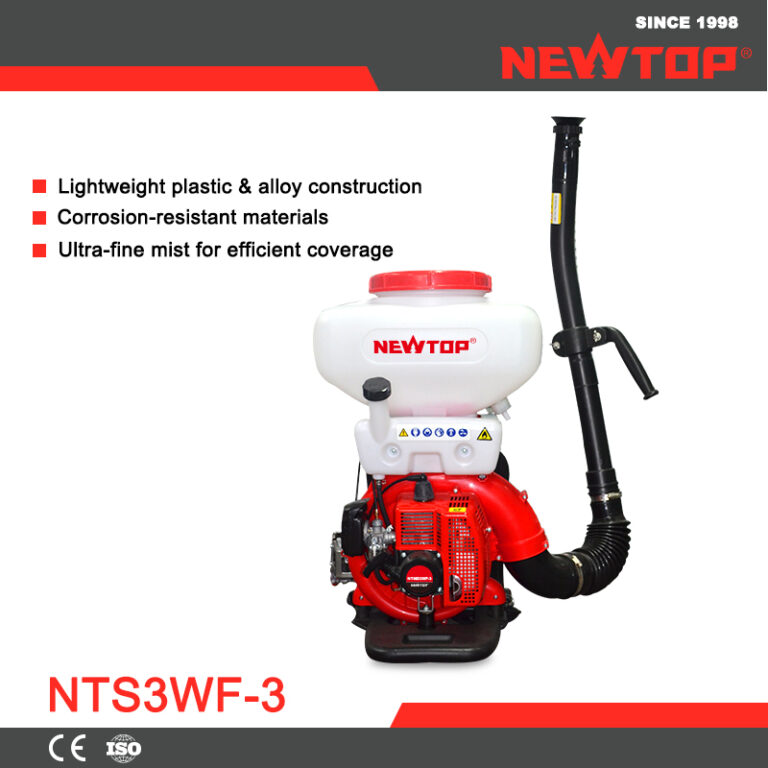
Backpack Mist-Duster NTS3WF-3
A versatile multi-functional backpack sprayer ideal for both liquid applications and dusting in large-scale agricultural or garden settings.
Produktdetails anzeigenPro Tip: Not sure which configuration fits your team? Check out our detailed guide on the different types of knapsack sprayers to compare manual, battery, and gasoline options.
Comparing Chemical Efficiency and Droplet Size for Mosquitoes
The efficiency of mosquito control hinges on producing precise droplet sizes, typically between 5–25 microns, to maximize airtime and contact with adult mosquitoes while minimizing chemical waste.
| Parameter | Optimal Specification | Auswirkungen auf die Effizienz |
|---|---|---|
| Droplet Size (Adult Control) | 5–25 microns | Maximizes air suspension for contact with flying mosquitoes; reduces drift and waste. |
| Application Technology | Ultra-Low-Volume (ULV) | Covers large areas with less chemical and improves targeting. |
| Solvent Formulation | Water-based | Reduces application costs, minimizes drift, and offers a more sustainable option. |
The Role of Droplet Size in Effective Mosquito Control
The effectiveness of any mosquito treatment is directly tied to the size of its insecticide droplets. The objective is to produce droplets that are small enough to remain airborne and contact flying mosquitoes, yet heavy enough to avoid drifting off-target. For adult mosquito control, the optimal size is consistently in the 5–25 micron range. This specific sizing ensures the droplets float in the air column where mosquitoes are active, maximizing the probability of contact. Achieving this balance is critical for maximizing insecticide performance while minimizing chemical waste and unnecessary environmental exposure.
Ultra-Low-Volume (ULV) Technology for Efficiency
Ultra-Low-Volume (ULV) application is an engineered technique for delivering concentrated chemical formulations over large areas with minimal volume. Professional pest management relies on ULV systems because they are specifically designed to produce droplets within that ideal 5–25 micron range. This consistency improves targeting and dramatically reduces the total amount of insecticide needed for a job. ULV technology strikes a crucial balance between high performance and responsible chemical usage, making it a standard for public health applications.
Solvent Formulations: Water-Based vs. Oil-Based
The solvent, or the liquid carrier for the insecticide, also influences performance and cost. The industry has seen a significant shift away from traditional oil-based solvents toward water-based formulations. Water-based solutions help reduce overall application costs and are less prone to spray drift compared to their oil-based counterparts. They represent a more sustainable and cost-effective alternative for most mosquito control scenarios. Oil-based solvents still have a place, but they are typically reserved for specific conditions where enhanced droplet adherence to surfaces is a primary requirement.
Labor Costs and Time Efficiency: Which Tool Wins?

The choice between a fogger and a sprayer hinges on a direct trade-off: foggers offer rapid, short-term coverage, while sprayers require more initial labor for long-lasting, cost-effective residual control.
| Metric | Fogger | Sprühgerät |
|---|---|---|
| Application Time | 5-15 minutes for up to 30,000 sq ft | Länger, manual process requiring a technician |
| Residual Effectiveness | Approx. 72 Std. | Up to 21 Tage |
| Labor Model | Low initial labor, high cumulative labor due to reapplication | High initial labor, low cumulative labor due to longevity |
| Optimal Use Case | Immediate, temporary mosquito knockdown for events | Season-long residential or commercial service contracts |
Foggers: Fast Application, Frequent Repetition
Foggers excel at speed. A technician can treat a large property—up to 30,000 square feet—in as little as five to fifteen minutes with minimal hands-on effort. This unmatched efficiency makes fogging the go-to solution for immediate, short-term needs. The critical downside is that the treatment’s effect dissipates quickly, typically lasting only 72 Std.. This requires frequent reapplications to maintain control, driving up the cumulative labor costs significantly over a full season.
- Offers rapid coverage for immediate mosquito reduction before an event.
- Requires repeated treatments every few days to maintain control.
- Total labor investment increases significantly for long-term management.
Sprayers: Initial Investment for Lasting Results
Applying a barrier treatment with a backpack sprayer is a more deliberate and time-intensive process. It demands a skilled technician who can meticulously cover target areas where mosquitoes rest and breed. While the upfront labor is higher, this investment delivers powerful long-term results. A single, thorough application can provide residual protection for up to 21 Tage, which drastically reduces the need for costly repeat visits and saves on labor hours over the course of a contract.
- Involves manual, targeted application for thorough coverage.
- Delivers residual effectiveness that lasts for weeks, not days.
- Fewer applications mean lower overall labor expenses for sustained control.
Cost-Effectiveness for Sustained Mosquito Management
For the ongoing mosquito control projects that define the market in 2026, backpack sprayers are the more cost-effective tool. The extended protection from one barrier spray treatment cancels out the labor costs associated with the multiple fogging sessions it would replace. Foggers hold their value for temporary, one-off situations like outdoor parties or events. But for season-long residential and commercial property maintenance contracts, sprayers provide a more financially sound and operationally efficient solution.
- Fogging is the economical choice for one-off situations.
- Spraying offers superior value for residential or commercial service contracts.
- The best tool depends on whether the goal is immediate knockdown or lasting protection.
Environmental Impact of Fogging vs. Targeted Spraying
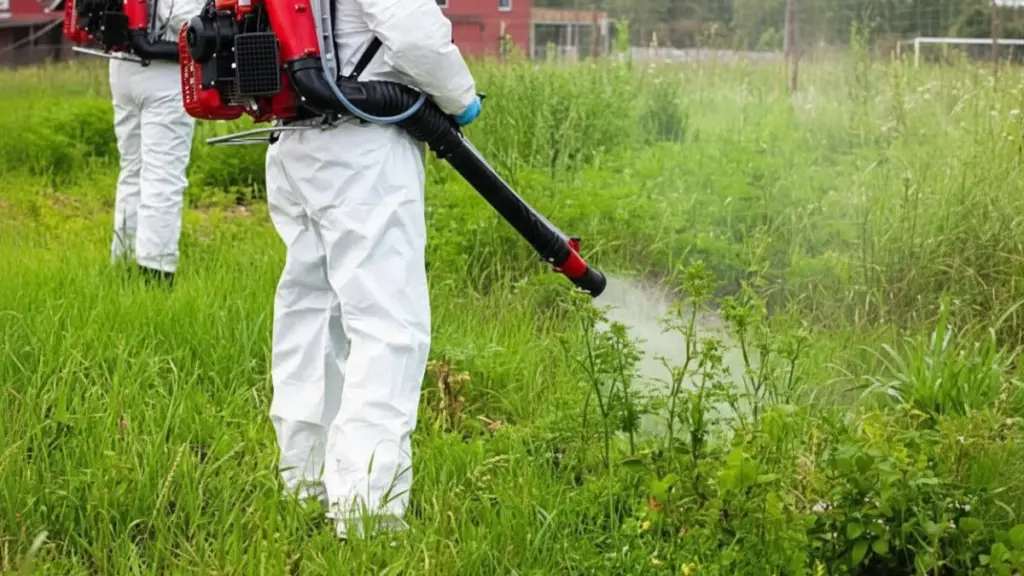
Targeted spraying significantly reduces environmental harm by concentrating chemicals on mosquito resting spots, unlike broad fogging which causes indiscriminate harm to pollinators and risks chemical drift into unintended areas.
Risk to Non-Target Organisms
Fogging disperses a wide cloud of insecticide that can harm beneficial insects like bees, butterflies, and other pollinators. The lack of precision means anything in the fog’s path is affected. Targeted spraying, auf der anderen Seite, concentrates the application directly onto surfaces where mosquitoes rest, such as the underside of foliage and shaded building materials. This approach minimizes collateral damage to the local ecosystem.
- Broad-spectrum fogging affects a wide range of insects, not just mosquitoes, disrupting natural food chains.
- Sprayers allow operators to avoid flowering plants and other areas frequented by pollinators.
- This precision helps preserve the insects essential for a healthy garden and local environment.
Chemical Drift and Water Contamination
The fine aerosol produced by foggers is easily carried by wind, leading to chemical drift. This airborne pesticide can settle on unintended surfaces, including neighboring properties, vegetable gardens, and water sources. The larger, heavier droplets from a sprayer fall directly onto the target surface, which greatly reduces the risk of drift and subsequent contamination of nearby water bodies.
- Fog can travel far beyond the intended treatment zone, exposing non-target areas to pesticides.
- Runoff from fogged surfaces can carry chemicals into ponds, streams, and storm drains.
- Targeted spraying ensures the chemical stays where it is applied, protecting nearby water supplies and sensitive areas.
Pesticide Resistance and Efficiency
Widespread fogging can expose mosquitoes to sublethal doses of insecticide, a key factor that encourages the development of pesticide resistance within the local population. Targeted spraying delivers a more effective, lethal dose directly to mosquito habitats and resting places. This is a more efficient use of chemicals and helps slow the development of resistance, aligning with modern Integrated Pest Management (IPM) practices.
- IPM strategies favor targeted methods to ensure long-term chemical effectiveness.
- Using less chemical more effectively reduces the overall environmental load on soil and water.
- Effective application from a sprayer means fewer treatments are needed over a season, further reducing chemical use.
Why Professional Pest Controllers Trust NEWTOP Solutions
Professional pest control operators choose NEWTOP because its equipment delivers reliable field performance, minimizes operational downtime, and is backed by a robust global parts and support network.
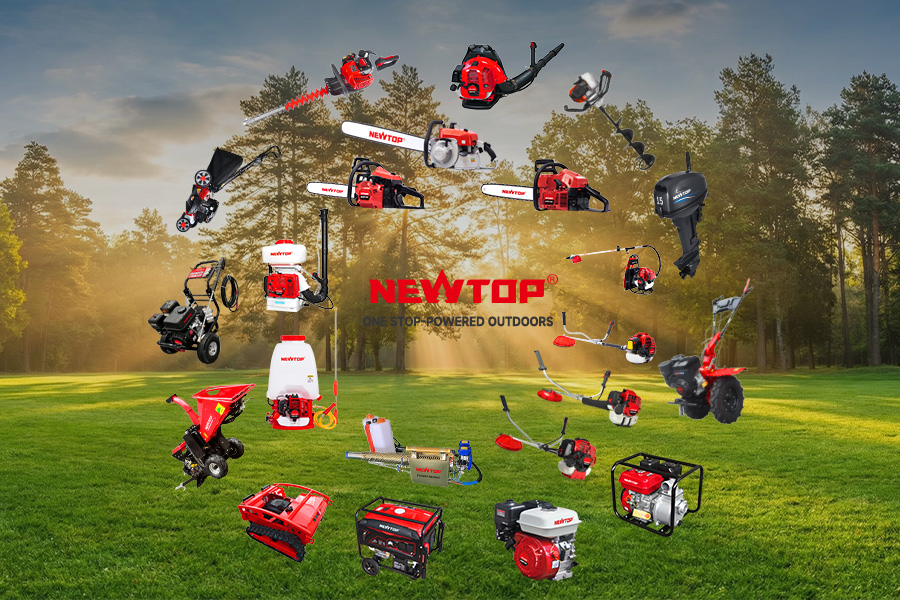
As a professional garden and agricultural machinery manufacturer since 2003, NEUTOP, provides reliable outdoor power equipment for global markets. With over 500,000 units annual production capacity and exports to more than 65 Länder, we support distributors, OEM partners, and public health projects across Africa, Lateinamerika, Southeast Asia, and Eastern Europe.
Key advantages include:
- Durable engines tested for 500+ working hours
- Stable pressure output for consistent droplet control
- CE, GS, EPA, and other certifications
- Flexible OEM customization
- 7–10 day sample dispatch
- Competitive lead times around 30 days for bulk orders
For product catalogs, technical specifications, or distributor inquiries, visit newtoptools.com or contact the sales team directly.
Abschluss
The choice between a mosquito fogger and a sprayer depends on application scale and target precision. Foggers provide rapid, wide-area knockdown treatments ideal for large spaces, while sprayers deliver direct control over specific breeding grounds and resting surfaces. Matching the equipment to the job ensures efficient chemical use, manages labor costs, and delivers effective results.
Häufig gestellte Fragen
Is a fogger more effective than a sprayer for mosquitoes?
A fogger is more effective for quickly reducing adult mosquito populations in open areas. A sprayer is more effective for long-term control by targeting breeding sites and applying residual insecticides.
Can I use a regular sprayer as a fogger?
No, you cannot use a regular sprayer as a fogger. Sprayers produce larger liquid droplets designed to coat surfaces and create a residual barrier. Foggers atomize insecticide into a fine mist that hangs in the air to kill flying mosquitoes on contact. Their nozzles and mechanisms are engineered for entirely different particle sizes and application methods.
What are the disadvantages of mosquito fogging?
Fogging has limited residual effect, may drift in windy conditions, and can affect non-target insects. It often requires repeated applications for sustained control.
How often should you spray vs. fog for mosquitoes?
Fogging is typically used during outbreaks and may be repeated weekly depending on mosquito density. Spraying breeding sites may be done every few weeks based on larval growth cycles.
Which is safer for backyard use, fogger or sprayer?
Targeted spraying is generally safer for backyard use because it reduces drift and allows precise application around vegetation and water sources.
Does fogging kill mosquito larvae?
No. Fogging mainly targets adult mosquitoes in flight. Larvae must be treated directly in water using larvicides applied with a sprayer.