Selecting a chainsaw involves more than evaluating raw power. For professionals in the forestry, agricultural, and landscaping sectors, the choice of equipment directly impacts operational efficiency, maintenance overhead, and long-term ROI.
At न्यूटॉप, we have spent over two decades refining the engineering behind wood-cutting machinery. This guide provides a technical breakdown of the different chainsaw types available today, focusing on their mechanical strengths and practical applications in various global markets.
What are the Different Types of Chainsaws? Category Overview
To understand the chainsaw market, one must look at how different power sources and mechanical designs cater to specific workloads. The following table provides a high-level comparison of the most common categories used in the industry today.
| Chainsaw Category | Power Source | Ideal Bar Length | Key Applications | उपयोगकर्ता रूपरेखा |
|---|---|---|---|---|
| Gasoline (2-आघात) | Petrol & Oil Mix | 16″ – 36″+ | Professional logging, land clearing, heavy felling. | Loggers, Farmers, Arborists |
| Battery (Lithium-ion) | 20V/40V/80V | 10″ – 18″ | Urban pruning, light firewood cutting, indoor use. | Landscapers, Homeowners |
| Corded Electric | AC Outlet | 12″ – 16″ | Backyard maintenance near power sources. | DIY Enthusiasts |
| पोल आरी | Gas or Battery | 8″ – 12″ | High-altitude pruning, orchard maintenance. | Orchardists, Municipalities |
| Top-Handle Saws | Gas or Battery | 10″ – 14″ | In-tree pruning and professional surgery. | Certified Arborists |
Gas-Powered Chainsaws: The Professional Standard for Power
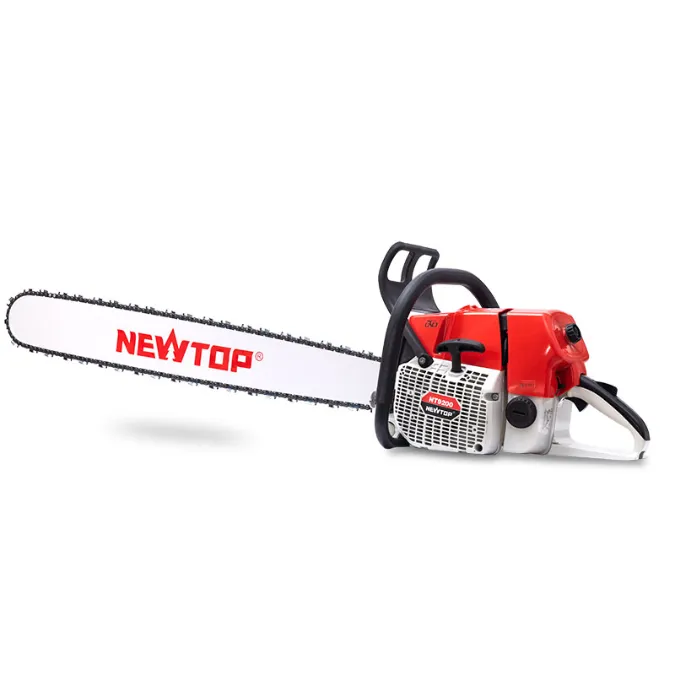
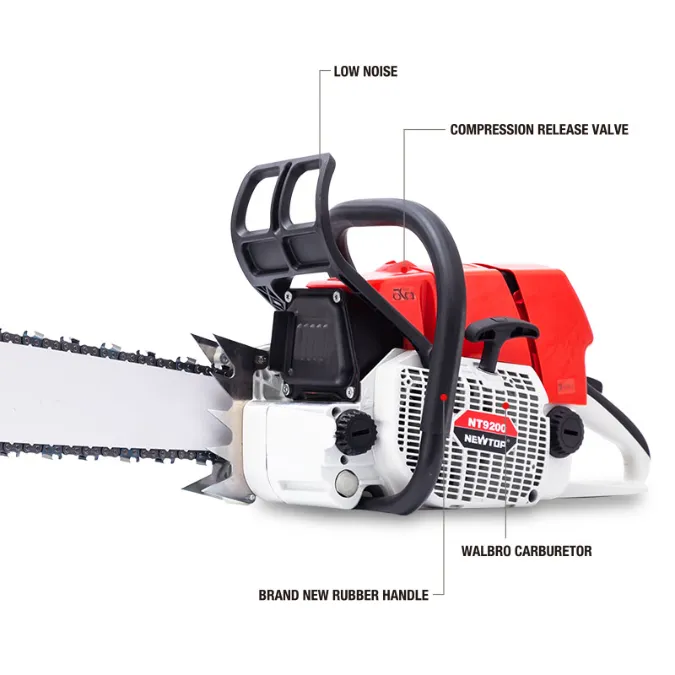
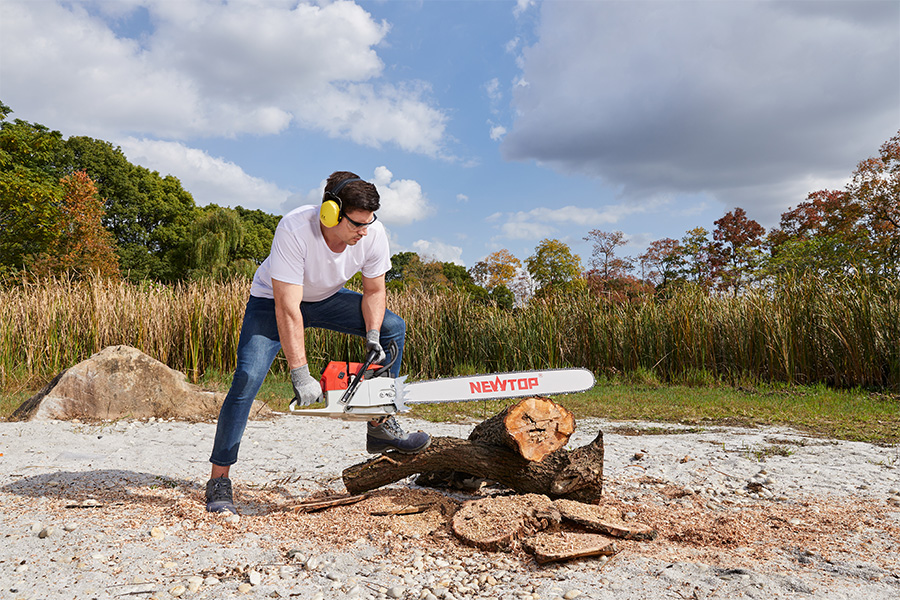
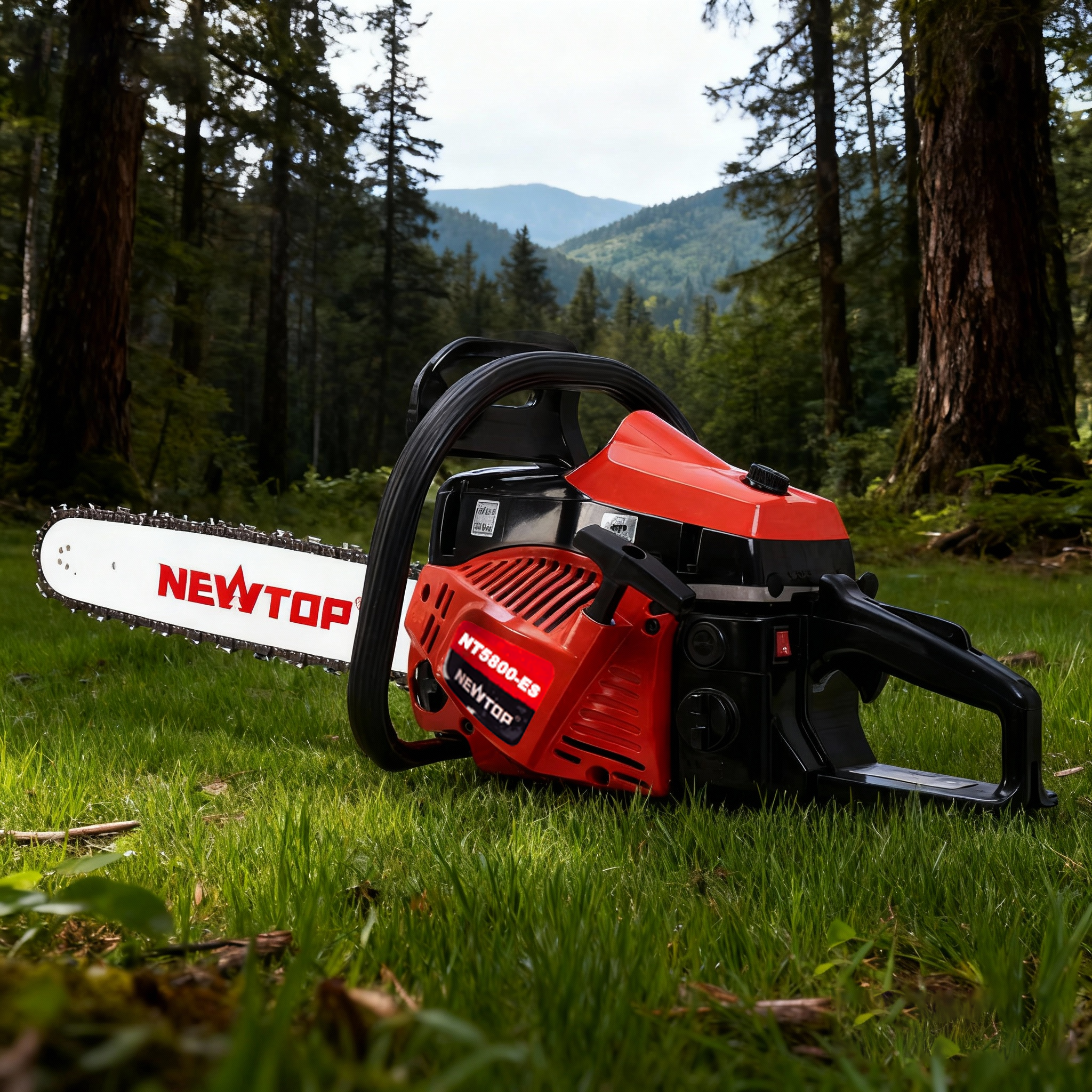
A gas-powered chainsaw is a heavy-duty tool driven by a two-stroke internal combustion engine that runs on a precise mixture of gasoline and oil. It is considered the industrial benchmark for raw power and endurance, specifically engineered for environments where electrical access is non-existent and the cutting workload is intense.
प्रमुख विशेषताएँ:
- Engine Displacement (प्रतिलिपि): Power is measured in cubic centimeters; a higher displacement translates to the torque necessary for driving longer bars through dense timber.
- Operational Autonomy: These saws require no cords or charging stations. As long as fuel is available, they can operate indefinitely in remote forests or large farmlands.
- Extended Reach: Gas engines are capable of supporting guide bars from 16 to over 36 इंच, making them the only viable option for felling large-diameter hardwoods.
- Durability: Built with robust metal components (such as magnesium crankcases), they are designed to withstand high-vibration and high-heat environments for extended shifts.
Advancements in Engine Technology and Emissions
The professional gas chainsaw market is shifting toward more advanced engine technologies that meet stricter environmental standards without sacrificing performance. Features that were once exclusive to high-end models, like electronic fuel injection (EFI) and advanced catalytic converters, are becoming more common across professional product lines.
- Electronic Fuel Injection (EFI) actively optimizes the air-fuel mixture, resulting in better fuel efficiency and more consistent power delivery across different altitudes and temperatures.
- Modern engines are engineered to comply with global emissions regulations while maintaining the strong performance that operators demand.
- These advancements help balance the operational needs of professional users with increasing environmental regulations.
Design Focused on Professional Use and Ergonomics
Chainsaw manufacturers design professional saws for people who depend on them for their livelihood, such as arborists, वालों, and commercial landscapers. A primary engineering goal is achieving an optimal power-to-weight ratio, making the tools powerful enough for tough jobs but light enough for all-day use. This focus on ergonomics is critical for user safety and productivity.
- Engineers emphasize reducing saw weight without compromising structural integrity or power output, which makes the equipment easier to handle for long workdays.
- Ergonomic handle designs and effective anti-vibration systems are standard features that reduce operator fatigue and improve cutting control.
- Every feature, from the placement of the chain tensioner to the type of air filter, is tailored to the needs of daily users who require maximum uptime and efficiency.
Market Segmentation and Service Infrastructure
The gas chainsaw market is clearly segmented, offering a wide range of models from entry-level professional saws to premium, industrial-grade felling equipment. Established manufacturers maintain their market dominance through extensive dealer networks that provide reliable access to service, repairs, and genuine replacement parts, which is a key purchasing factor for businesses.
- Price points vary significantly to accommodate different professional budgets and specific application requirements.
- Leading brands have built their reputations on decades of proven reliability and consistent field performance.
- A widespread service and support infrastructure ensures that professionals can keep their equipment running with minimal downtime.
Your Trusted Partner for Garden Tools
Battery and Corded Electric Saws: Modern Suburban Solutions
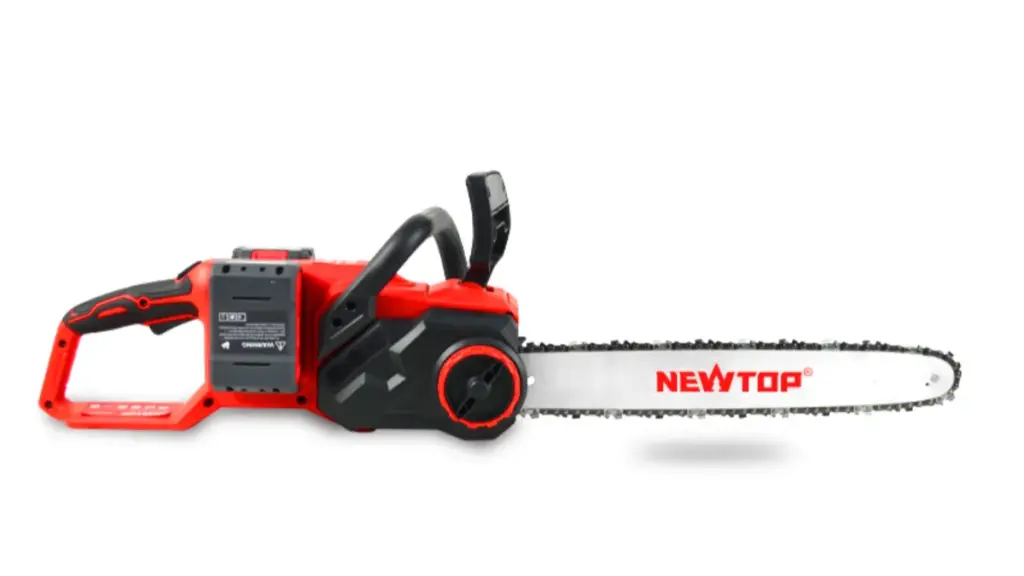
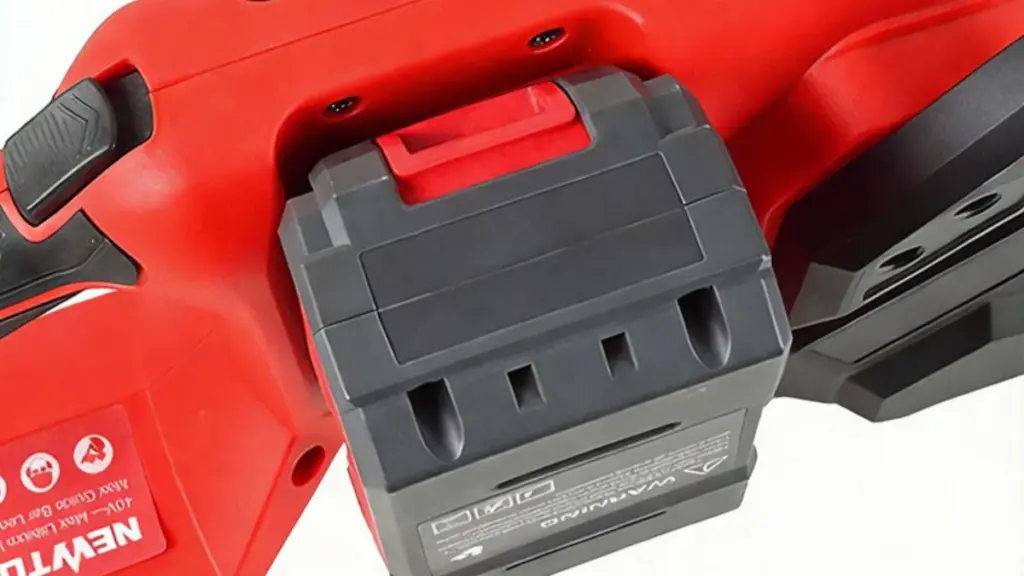
Electric chainsaws utilize an electric motor to drive the cutting chain, offering a cleaner, quieter, and more user-friendly experience than internal combustion models. They are categorized into two formats: corded (tethered to a power outlet) और battery-powered (Cordless Lithium-ion).
प्रमुख विशेषताएँ:
- Zero Local Emissions: No exhaust fumes are produced, making these saws ideal for indoor woodworking, greenhouses, or environmentally regulated urban zones.
- Instant Start Mechanism: Unlike gas saws that require a pull-start, electric models activate immediately with the press of a trigger.
- Low Maintenance Requirements: They eliminate the complexities of fuel mixing, carburetor tuning, and spark plug maintenance.
- Noise Management: Operating at significantly lower decibels, they reduce operator fatigue and are suitable for noise-sensitive residential neighborhoods.
Corded Electric Saws: Consistent and Unlimited Runtime
Corded electric saws are a reliable option for users who need a continuous power supply for extended projects near an outlet. They eliminate all concerns about battery life, offering consistent, non-fading performance for as long as the job takes. This makes them a practical choice for workshops or small yards where mobility is not the primary concern.
- Provides an uninterrupted power supply, eliminating the need to stop and recharge or swap batteries.
- Range of motion is limited by the length and management of the power cord.
- A practical choice for workshops, firewood processing stations, or small yards with readily available power outlets.
Core Differences in User Experience
The primary trade-off between battery and corded electric saws centers on portability versus runtime. Cordless models excel in convenience and flexibility, allowing users to work anywhere on a property without hindrance. Corded versions deliver constant power without interruption, making them better suited for stationary or localized jobs where uptime is critical.
- Battery saws prioritize mobility and ease of use for tasks distributed across a property.
- Corded saws ensure non-stop operation for stationary or localized tasks like bucking logs.
- Both types are generally quieter, हल्का, and require significantly less maintenance than their gasoline counterparts.
संबंधित पढ़ना: If you are interested in gas chainsaws and electric chainsaws, check out our in-depth comparison on Electric vs. Gas Chainsaws to find more information for your specific needs.
पोल आरी and Telescopic Tools: Pruning at Heights
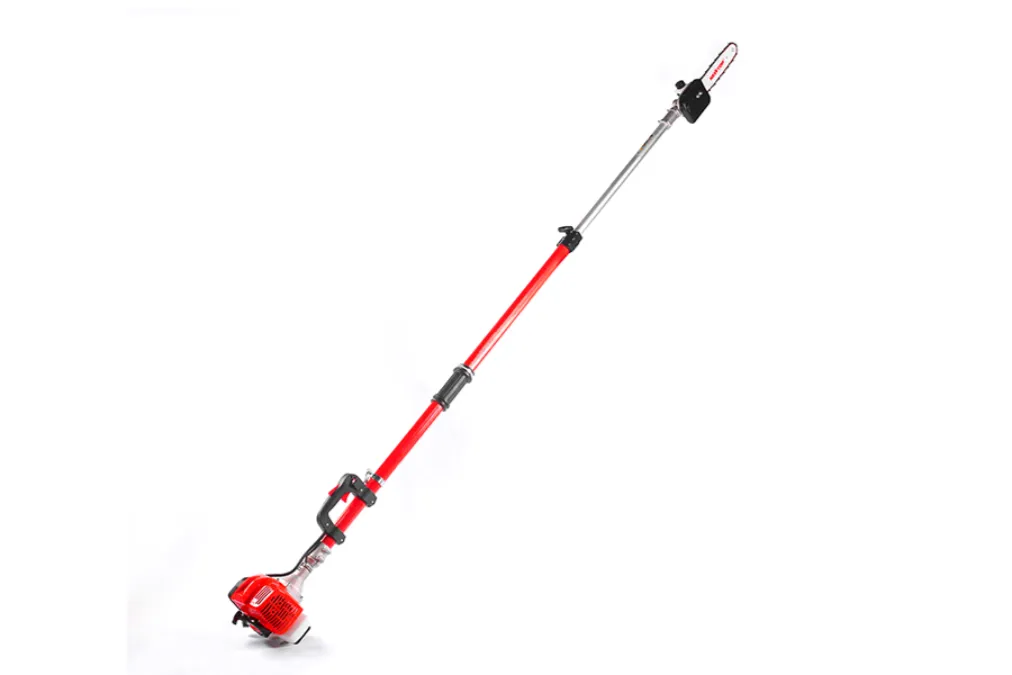
A pole saw is a specialized cutting tool featuring a compact chainsaw head mounted on an extendable, telescopic shaft. Its primary function is to manage high-altitude canopy maintenance, allowing the operator to prune or limb trees while standing securely on the ground.
प्रमुख विशेषताएँ:
- Telescopic Reach: The shafts can typically extend from 2 को 4 meters, providing an effective vertical reach that eliminates the need for ladders or scaffolding.
- Specialized Ergonomics: The weight distribution is centered to allow for easier maneuvering when the tool is fully extended overhead.
- Precision Cutting: Equipped with smaller guide bars (usually 8–12 inches), these tools are optimized for precision trimming in dense foliage rather than bulk wood cutting.
- Versatility: Many modern versions are part of multi-tool systems, where the power head can be interchanged with different attachments like hedge trimmers or brush cutters.
The Shift Toward Battery-Powered Solutions
The market for pole saws has decisively shifted from gas and manual models toward battery-powered electric tools. This trend is driven by clear demand for quieter, lower-maintenance equipment for routine property upkeep. Advances in lithium-ion battery technology now deliver the runtime and portability needed to handle substantial jobs without the complexity of mixing fuel or managing extension cords. These improvements make electric models a viable choice for both professional landscapers and homeowners seeking efficient performance.
Innovations for Safety and Efficiency
Current telescopic tools are engineered with features that directly improve safety and work output. The primary goal is allowing operators to effectively prune tall branches while remaining firmly on the ground. Extended reach capabilities, often reaching 15 feet or more, eliminate the instability and risk associated with using ladders. Onboard systems like automatic oilers maintain constant chain lubrication for reliable cutting, and adjustable cutting heads give operators better angles to access awkwardly positioned branches without compromising their stance.
Ergonomic Design to Reduce User Fatigue
Many outdoor power equipment manufacturers now focus heavily on ergonomics to make these long-reach tools comfortable enough for extended use. Managing the weight and leverage of a pole saw is physically demanding, so designs incorporate lightweight materials and improved balance to minimize strain on the user’s back and arms. A well-designed tool also features ergonomic handles that ensure a secure, controlled grip throughout the operation, which is critical for both safety and precision.
Pros and Cons of Each Chainsaw Type
| Chainsaw Type | Technical Pros | Operational Cons |
|---|---|---|
| Gasoline Chainsaws | Highest torque; no range limits; long bar compatibility. | High noise levels; requires fuel mixing; regular engine maintenance. |
| Battery Powered Chainsaws | Low noise; instant start; zero emissions; minimal maintenance. | Limited run time per charge; higher upfront battery cost. |
| Corded Chainsaws | लाइटवेट; unlimited run time; lowest cost. | Restricted by cable length; lower power output; cord safety risk. |
| पोल आरी | Safety for high-reach tasks; precision pruning. | Weight distribution can be top-heavy; not for felling. |
Key Differences in Engine Displacement and Power Sources
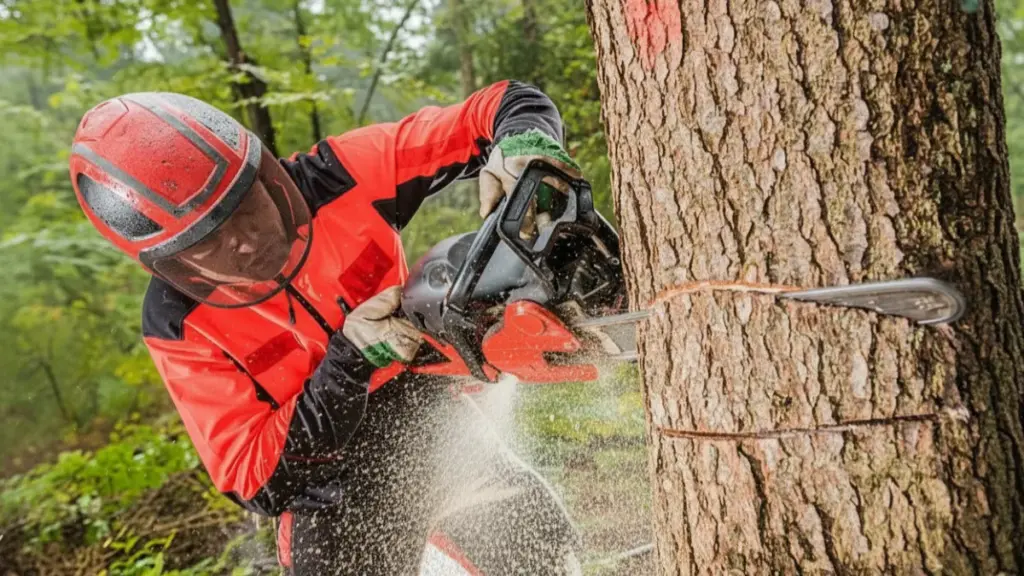
A gas chainsaw’s engine displacement is the single most important metric, directly defining its power output, cutting capacity, and suitability for specific commercial workloads.
| Performance Tier | Engine Displacement (प्रतिलिपि) | Typical Power Output (किलोवाट) |
|---|---|---|
| लाइटवेट / Homeowner | 23 – 35 प्रतिलिपि | 1.0 – 1.6 किलोवाट |
| Farm & Ranch / Mid-Range | 38 – 55 प्रतिलिपि | 1.7 – 2.5 किलोवाट |
| Professional Forestry | 60 – 95 प्रतिलिपि | 3.0 – 5.5 किलोवाट |
| Industrial Heavy Felling | 105 – 120+ प्रतिलिपि | 6.0+ किलोवाट |
Engine Displacement (प्रतिलिपि) and Power Output
A chainsaw’s performance is fundamentally tied to its engine displacement, measured in cubic centimeters (प्रतिलिपि). This measurement directly correlates to its power output and cutting force. As displacement increases, the engine generates more torque, enabling it to cut through tough wood without bogging down. This makes engine cc the key metric for matching a saw to its intended workload. The relationship also dictates the saw’s physical dimensions, overall weight, and fuel consumption, creating a clear trade-off between power and portability.
Performance Tiers Based on Displacement
The professional market segments gas-powered chainsaws into distinct performance categories based on engine size. These tiers provide a clear framework for selecting a tool with the right balance of power, weight, and endurance for specific applications. Entry-level saws are sufficient for light-duty homeowner tasks, while mid-range and industrial-grade saws are built for the daily demands of commercial forestry, arboriculture, and land clearing operations.
How to Decide the Right Type of Chainsaws to Your Project Workload

Choosing the correct chainsaw requires a practical assessment of your typical projects. The ideal tool for light garden pruning is fundamentally different from one needed for felling mature hardwood. Matching the machine to the job ensures operational safety, reduces operator fatigue, and delivers a clean, efficient cut without overwhelming the equipment.
| Workload Scale | Recommended Chainsaw Type | Common Guide Bar Length |
|---|---|---|
| Light-Duty (छंटाई, Small Limbs) | Battery or Corded Electric | 10–14 inches |
| Medium-Duty (Firewood, Cleanup) | High-Capacity Battery / Mid-Range Gas | 16–18 inches |
| Heavy-Duty (कटाई, Milling) | Professional-Grade Gas | 20+ इंच |
Assess the Scale of Your Work
Your first step is to define the primary tasks you need to accomplish. A clear understanding of the cutting intensity and wood diameter dictates the necessary power and durability. Miscalculating this can lead to equipment failure or dangerous operating conditions.
- Light-duty work like trimming branches or cutting small saplings requires a compact battery-powered or small electric saw that offers sufficient power without excessive weight.
- Medium-duty tasks, including cutting firewood or clearing storm debris, demand a more robust tool. High-capacity battery models or mid-range gas saws are the best fit for this category.
- Heavy-duty projects such as felling large trees or milling logs require a professional-grade gas chainsaw with significant engine displacement and a long guide bar.
Match the Power Source to Your Environment
The choice between gas, battery, or corded electric depends heavily on factors like noise restrictions, access to power outlets, and emission regulations in your area.
- Battery and corded electric saws are built for suburban or residential settings. They produce no direct emissions and operate quietly, making them ideal for populated environments.
- Gas-powered chainsaws are the standard for forestry, farms, and remote locations. They provide consistent high power without being limited by battery life or cord length.
- For mixed-use scenarios, modern high-voltage battery systems offer a strong balance, giving semi-professional landscapers near-gas performance and mobility without engine maintenance.
Choose a Guide Bar Length for Your Cutting Needs
The guide bar length dictates the largest diameter of wood you can cut in a single pass. Selecting a bar that is too long for the job makes the saw difficult to control and creates a safety hazard. You must match the bar length to both your engine’s power and your typical cutting tasks.
- Bars between 10-14 inches offer excellent maneuverability for pruning and cutting small limbs.
- ए 16-18 inch bar is a versatile, all-purpose size for most homeowners, capable of handling firewood cutting and medium tree removal.
- Bars of 20 inches or more are designed for professional use. They are necessary for felling large trees but require a powerful engine and an experienced operator to handle them safely.
Ready to Work With NEWTOP Full-Range Chainsaw Manufacturing?

A successful manufacturing partnership hinges on flexible OEM services, a reliable supply chain using globally recognized components, and a comprehensive product portfolio that meets diverse market demands.
As a top 5 garden machinery supplier in China, न्यूटॉप is uniquely positioned to support your business. We combine a world-class supply chain with flexible business models to empower global distributors and OEM buyers.
- Global Supply Chain & Quality: We integrate premium components from वालब्रो, एनजीके, एन एस, and Oregon. Leveraging in-house CNC machining and automated lines, our equipment is engineered for 500+ घंटे of professional use, backed by CE, जी एस, and EPA certifications.
- Comprehensive Portfolio: Our range covers traditional gasoline/diesel machinery (chainsaws, ब्रश कटर, स्प्रेयरस) and innovative lithium-ion battery tools, providing a one-stop solution for forestry, कृषि, and landscaping across 65+ countries.
- Flexible B2B Partnership: We specialize in full OEM customization, including design modifications and private labeling. With a structured pricing strategy and flexible MOQs (from samples to full containers), we ensure our partners achieve rapid market penetration and long-term growth.
निष्कर्ष
Matching the right chainsaw type to your workload is the key to efficiency and safety. Whether you need the raw strength of a gas model, the quiet convenience of an electric saw, or the extended reach of a pole saw, the right choice prevents project delays and ensures a smart investment.
With a clear understanding of your project needs, you can now review our full-range chainsaw catalog to find a model built for your exact application.
अक्सर पूछे जाने वाले प्रश्नों
What are the 4 main types of chainsaws?
The industry recognizes four primary types: Gas-powered, battery-powered (cordless), corded electric, and pole saws.
Which type of chainsaw is easiest to maintain?
Electric models (both corded and battery) require the least maintenance because they lack complex fuel systems, air filters, and spark plugs.
Are gas chainsaws better than battery ones?
Gas chainsaws currently outperform battery models for heavy-duty industrial work and long-duration tasks. Battery models are superior for noise control and ease of use.
What type of chainsaw do professional loggers use?
Gas-powered rear-handle chainsaws (50-90प्रतिलिपि) with long bars for felling and bucking large timber.
What is a pole saw used for?
Pole saws are used specifically for pruning branches that are out of reach, allowing the operator to stay safely on the ground.
Is a mini chainsaw worth buying?
हाँ, for light pruning or small construction tasks, a mini lithium chainsaw is highly efficient and easier to handle than a full-sized unit, as users note impressive performance under $50.
What is the six feet rule for chainsaws?
Maintain at least 6 feet distance from chainsaw operators unless the tool is off and grounded, preventing kickback injuries.