When it comes to cutting wood—whether you’re pruning backyard trees, trimming logs, or tackling demolition jobs—choosing between a Sawzall and a chainsaw can dramatically affect your results. Both tools can handle wood cutting, but they excel in very different situations.
Neste guia, we’ll break down the strengths, limitations, and ideal use cases of each to help you find the right tool for your work.
What is a Sawzall?
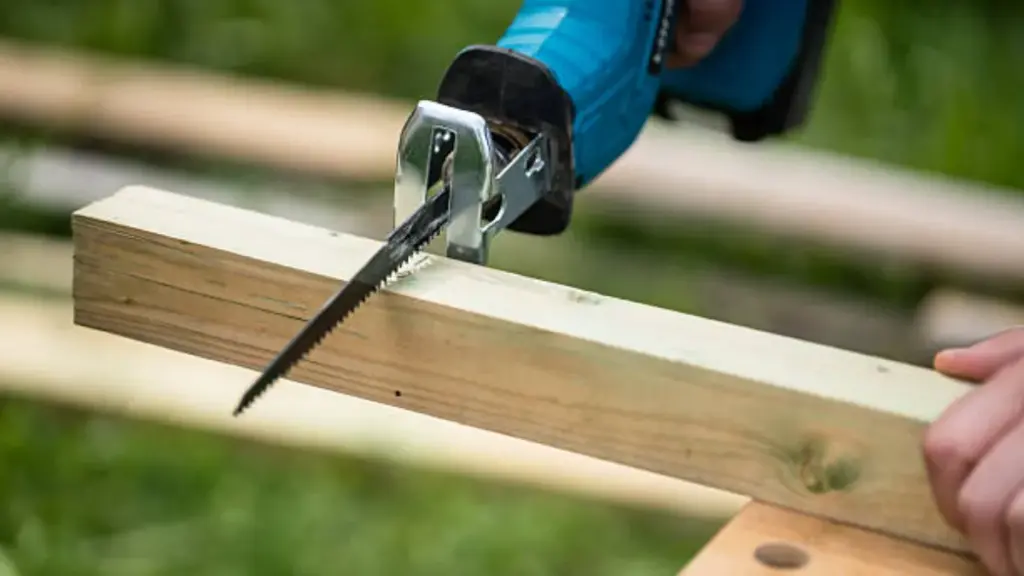
A Sawzall is the trademarked brand name for Milwaukee Tool’s line of reciprocating saws, but the term has become a genericized trademark used to describe any heavy-duty reciprocating saw.
A Sawzall, also known as a reciprocating saw, is a handheld power tool that uses a back-and-forth motion to cut through wood, metal, and plastic. Unlike chainsaws with a rotating chain, this reciprocating motion generates cutting force while reducing the vibration and noise common with rotational tools.
- The back-and-forth action provides a controlled cut with less risk of dangerous kickback.
- Its design allows for efficient cutting through various materials with minimal user effort.
Sawzalls can operate with various blades tailored to material type—wood blades for pruning and carpentry, metal-cutting blades for demolition, and specialty blades for piping or PVC. Because of its versatility, the Sawzall is often called a “universal saw.”
Portability and Control
Sawzalls are typically lighter and smaller than chainsaws, offering greater precision and control. Their design is ideal for working in tight spaces or at awkward angles where larger saws cannot fit.
- Cordless models offer exceptional portability for job sites without easy access to power.
- The tool’s shape and handling provide better control for detailed cuts, such as cutting between wall studs.
Aplicativos primários
In woodworking and trimming applications, the Sawzall shines in small cutting or pruning tasks, such as:
- Cutting small branches or limbs under 6 polegadas de espessura.
- Demolition work involving studs, beams, or nails.
- Tight cuts where bulky tools like chainsaws can’t reach.
What is a Chainsaw?
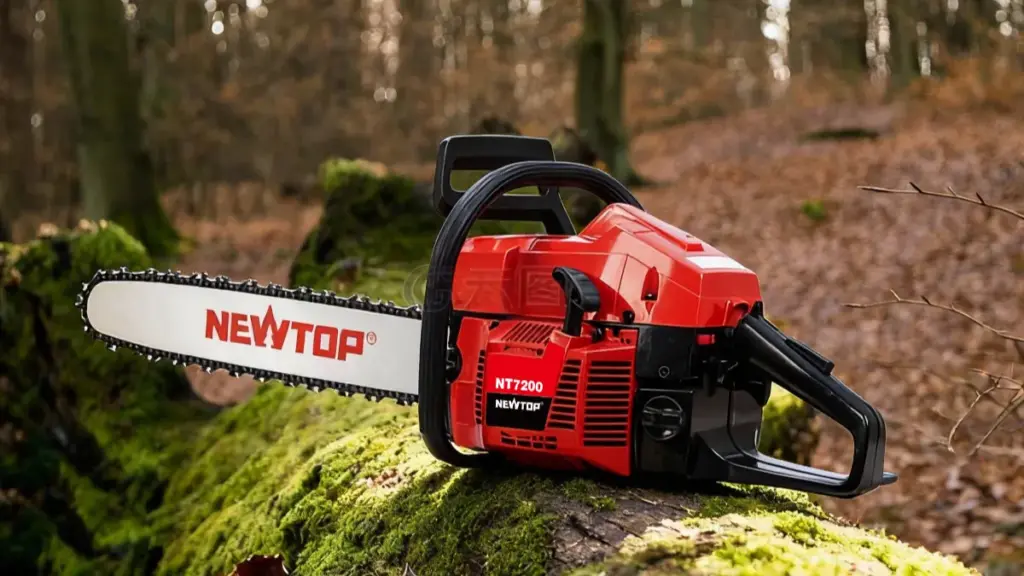
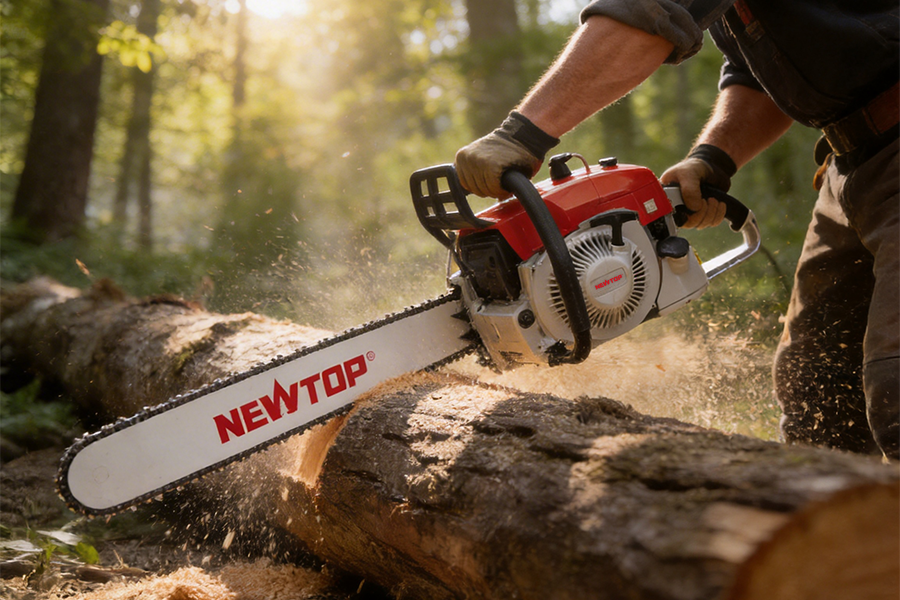
UMchainsaw is a high-powered cutting tool that uses a rotating chain fitted with sharp teeth to slice through wood. It’s the go-to equipment for felling trees, cutting logs, and handling heavy-duty wood cutting where speed and power matter most. Unlike reciprocating saws, a chainsaw is designed specifically for wood, giving it exceptional efficiency on thick trunks and logs. No entanto, its large size and rotating chain make it less suitable for precision pruning or close-quarter tasks.
Core Function and Design
The core assembly of a chainsaw is simple but effective. The engine or motor provides the rotational force, the guide bar provides a track for the chain to run on, and the cutting chain itself does the work. Modern designs incorporate critical safety features and ergonomic considerations to manage the tool’s inherent power and reduce operator fatigue.
- Power Source: The engine or motor that drives the chain’s rotation.
- Barra Guia: The long metal bar that the chain wraps around, determining the saw’s cutting length.
- Cutting Chain: A loop of linked segments with sharp cutting teeth.
- Safety Mechanisms: Includes features like a chain brake to stop the chain instantly during kickback and anti-vibration handles to protect the operator.
Evolution from Gas to Battery Power
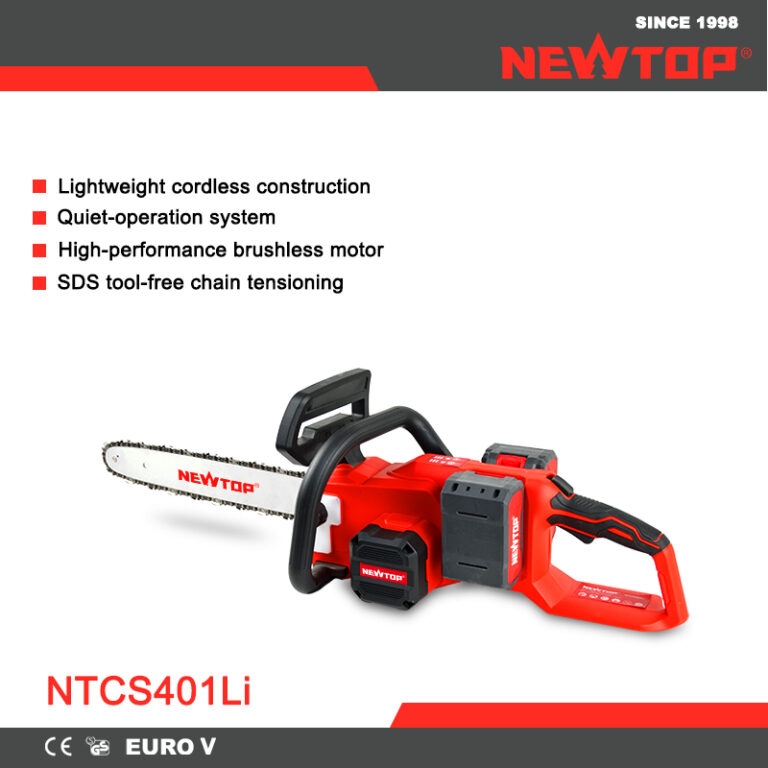
The chainsaw market has undergone a significant technological shift. While gas-powered models remain an important role in professional forestry due to their raw power and runtime, electric and battery-powered options have gained major traction. This evolution is driven by industry and consumer demand for lower emissions, reduced noise, and simplified maintenance routines that eliminate the need for fuel mixing and engine servicing.
- Gas-Powered: The standard for heavy-duty logging and forestry, offering maximum power and portability in remote areas.
- Corded Electric: A common choice for residential use where a power outlet is nearby, offering consistent power without fumes.
- Battery-Powered: The fastest-growing segment, providing the portability of gas without the emissions or noise. These models are now powerful enough for both homeowners and many professional landscaping tasks.
Applications Across Industries
The chainsaw is an indispensable tool across several sectors. Its application extends far beyond simply cutting down trees and includes specialized work in arboriculture, property maintenance, and emergency response.
- Forestry and Logging: The primary tool used for harvesting timber, from felling massive trees to processing them into logs.
- Arboriculture and Landscaping: Professionals use specialized models, like compact top-handle saws, for precise pruning, tree surgery, and maintenance in tight or elevated spaces.
- Property Maintenance: Homeowners and groundskeepers rely on chainsaws for storm cleanup, removing hazardous limbs, clearing land, and preparing firewood.
Pros and Cons of Sawzalls
A reciprocating saw trades the raw power of specialized tools for unmatched versatility, making it a cost-effective solution for jobs involving multiple material types.
Advantages of Sawzalls
- High versatility: Easily switch blades to cut wood, metal, or PVC, making it ideal for multi-material jobs.
- Compact design: Works smoothly in confined or awkward spaces where larger saws can’t reach.
- Lightweight and portable: Perfect for overhead cutting, pruning small branches, or on-site repairs.
- Low maintenance: No chain lubrication or tension adjustment needed, saving time and effort.
- Good precision: Offers excellent control for delicate or close-quarter cuts.
Limitations of Sawzalls
- Limited cutting depth: Less effective on dense or thick wood logs.
- Slower cutting speed: Not as fast as a chainsaw for large wood pieces.
- Requires physical control: Consistent pressure and steady handling are essential for clean cuts.
- Not suited for heavy-duty lumber tasks: Better for light pruning or interior work.
Pros and Cons of Chainsaws
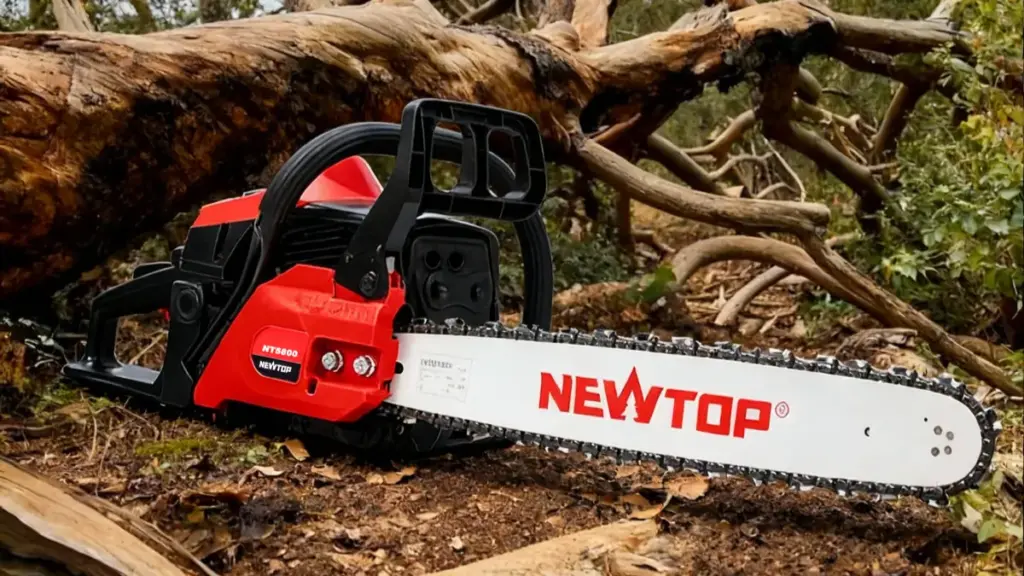
Chainsaws provide unmatched felling speed for heavy logs, but this performance comes with significant maintenance, segurança, and operator fatigue trade-offs.
Advantage of Chainsaws
- Power and speed: Cuts through thick logs and trunks far faster than other saws.
- Efficiency for large tasks: Ideal for forestry, paisagismo, or heavy wood removal.
- Reliable performance: Gas-powered and cordless models maintain steady power for long jobs.
- Purpose-built for wood: Designed specifically for hardwood and logs, ensuring clean, fast cuts.
- Reduces manual effort: The motorized chain does most of the work with minimal pressure.
Disadvantages of Chainsaws
- Heavier build: Can be tiring during extended use or overhead cutting.
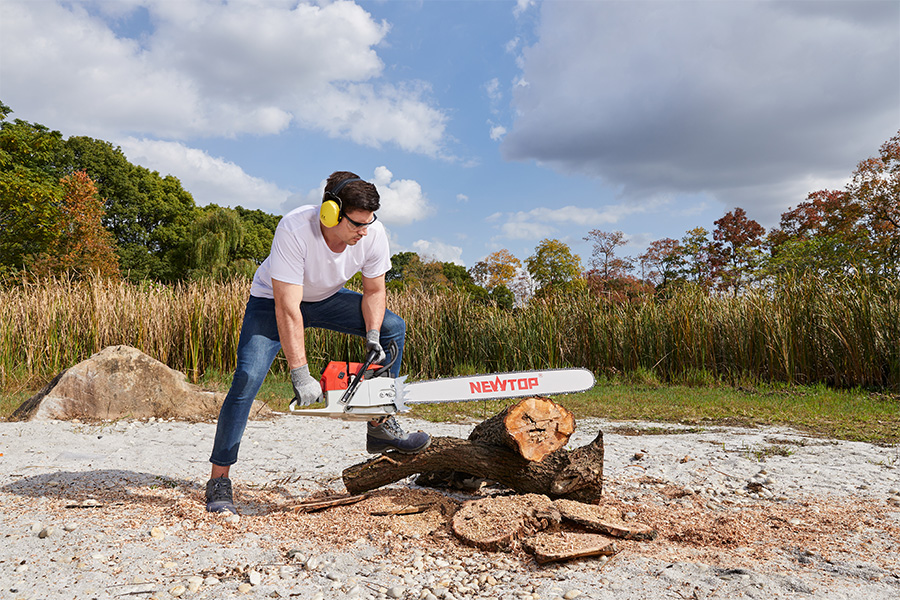
- Loud operation: Requires appropriate hearing protection for safe work.
- Frequent maintenance: Needs chain sharpening, oiling, and bar tensioning.
- Safety risks: Higher potential for kickback or injury if misused.
Boost Your Margins with Durable Garden Tools
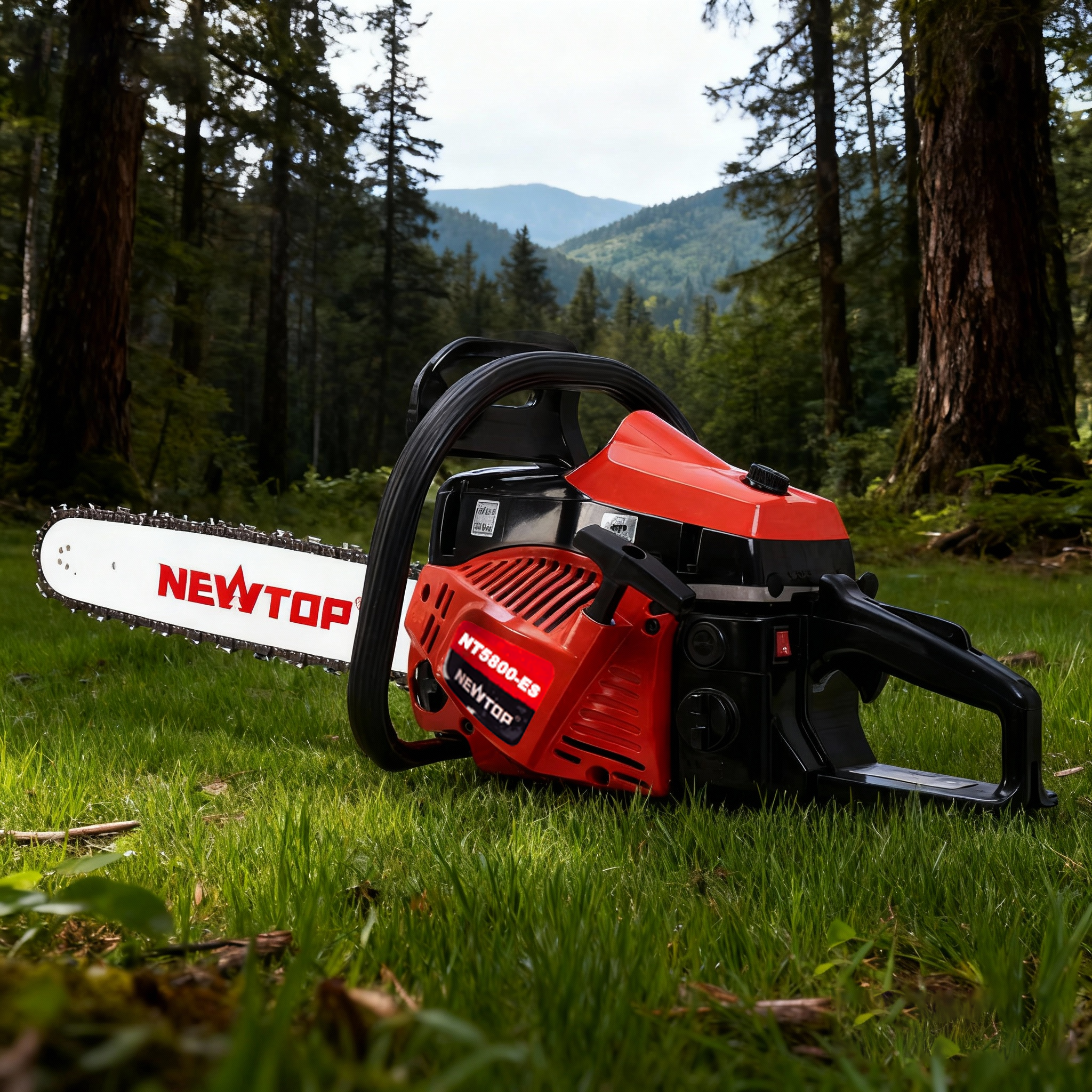
Key Differences Between Sawzall vs Chainsaw
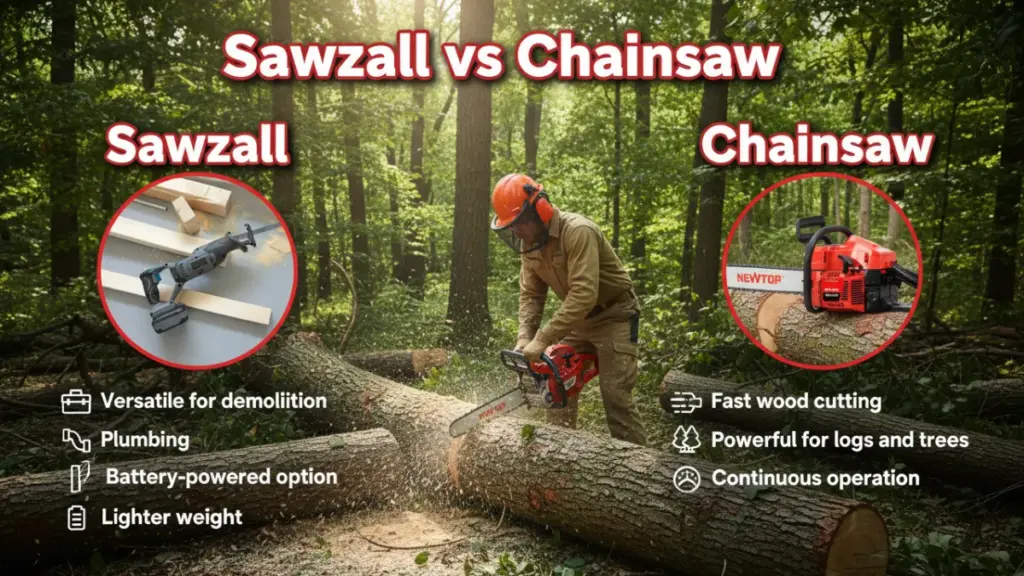
The choice between a Sawzall and a chainsaw is a decision between multi-material versatility and specialized wood-cutting power.
To help you distinguish between the two, here is a breakdown of their core differences:
| Recurso | Motosserra | Sawzall (Reciprocating Saw) |
|---|---|---|
| Cutting Mechanism | Rotating chain with sharp teeth | Back-and-forth reciprocating blade motion |
| Best For | Tree felling, large logs, and heavy-duty lumber tasks | Poda, demolition work, and metal cutting |
| Power Source | Gas, electric, or battery-powered | Elétrico (corded or cordless) |
| Portabilidade | Medium — heavier and larger to transport | High — compact and easy to maneuver |
| Precision | Built for straight, deep cuts through large wood | Excellent control for small or angled cuts |
| Manutenção | Moderate to high — chain sharpening and oiling required | Low — simple blade replacement and cleaning |
| Noise Level | High — louder chains and motor operation | Moderate — quieter and smoother operation |
| Max Wood Diameter | 12 inches or more, ideal for thick trunks | Up to 6–8 inches, depending on blade type |
| Safety Level | Lower — requires protective gear and proper technique | Higher — less kickback and easier to control |
| Versatility | Limited — optimized mainly for cutting wood | Excellent — handles wood, metal, PVC, and composites |
| Custo | Higher — more expensive engine and maintenance | Lower — affordable and cheaper to maintain |
Cutting Mechanism and Action
The mechanical action of each tool dictates its performance. A chainsaw uses a motor to drive a toothed chain that rotates at high speed around a guide bar. This continuous motion rapidly removes material, allowing it to slice through thick logs with minimal effort. Em contraste, a Sawzall uses a reciprocating blade that pushes and pulls in a rapid back-and-forth motion. While not as fast as a rotating chain for bulk wood removal, this action provides superior control for making precise cuts, plunge cuts into surfaces like drywall, and navigating tight spaces between studs or pipes.
Control, Precision, and Safety
A Sawzall offers significantly more control and precision than a chainsaw. Its design is better suited for detailed demolition and construction tasks where accuracy is critical. The reciprocating action also minimizes the risk of dangerous kickback, a common hazard with chainsaws where the tip of the guide bar strikes an object and violently throws the saw back at the operator. Chainsaws prioritize raw power over fine control and demand extensive training and strict adherence to safety protocols to manage effectively. The physical strength required to operate a chainsaw safely is much greater than that needed for a Sawzall.
Blade and Chain System
The modularity of the Sawzall is its greatest asset. Operators can swap blades in seconds, moving from a wood-cutting blade to one designed for metal, plastic, or masonry. These blades come in various lengths, thicknesses, and tooth configurations (TPI), allowing the tool to be optimized for specific materials. A chainsaw uses a single, specialized chain that must be kept sharp, properly tensioned, and continuously lubricated to function correctly. This introduces a higher maintenance burden that is not present with the simple blade-swapping system of a reciprocating saw.
Cutting Speed and Efficiency: Real-World Performance Tests
Real-world tests confirm that a saw’s efficiency is less about brand and more about the synergy between its motor technology, stroke length, and the use of a material-specific blade.
Motor Technology and Stroke Length as Key Performance Drivers
Performance tests conducted in 2026 consistently show that a saw’s cutting speed is primarily determined by its motor technology and stroke length. Brushless motors deliver more power with higher efficiency, while a longer stroke removes more material with each pass. This combination leads to measurably faster results in demanding applications, proving that these internal mechanics have a greater impact on job site performance than brand loyalty alone.
- Brushless motors provide a better power-to-weight ratio, reducing operator fatigue during prolonged use.
- Longer stroke lengths are especially effective when cutting through thick materials like lumber or large-diameter pipes.
| Performance Metric | Impacto na eficiência | Real-World Example |
|---|---|---|
| Motor Technology (Brushed vs. Brushless) | Brushless motors deliver higher power output with less energy loss and weight, reducing operator fatigue. | A brushless saw completes over 20% more cuts in 2×10 lumber per battery charge compared to a brushed model. |
| Stroke Length (por exemplo, 7/8″ vs. 1-1/8″) | A longer stroke removes more material per pass, drastically increasing cutting speed in thick stock. | Slicing through 3″ diameter steel pipe is up to 30% faster with a 1-1/8″ stroke length. |
| Blade Type & TPI | Using a material-specific blade prevents overheating, blade wander, and premature wear. | A low-TPI pruning blade cuts branches cleanly, while a high-TPI metal blade would jam and vibrate. |
Note: Performance data shown is illustrative of common test outcomes rather than universally standardized values. Actual results may vary depending on battery amp-hour (Ah) ratings, wood density, and blade sharpness.
Guia de seleção: Sawzall vs Chainsaw – Qual é o certo para você?
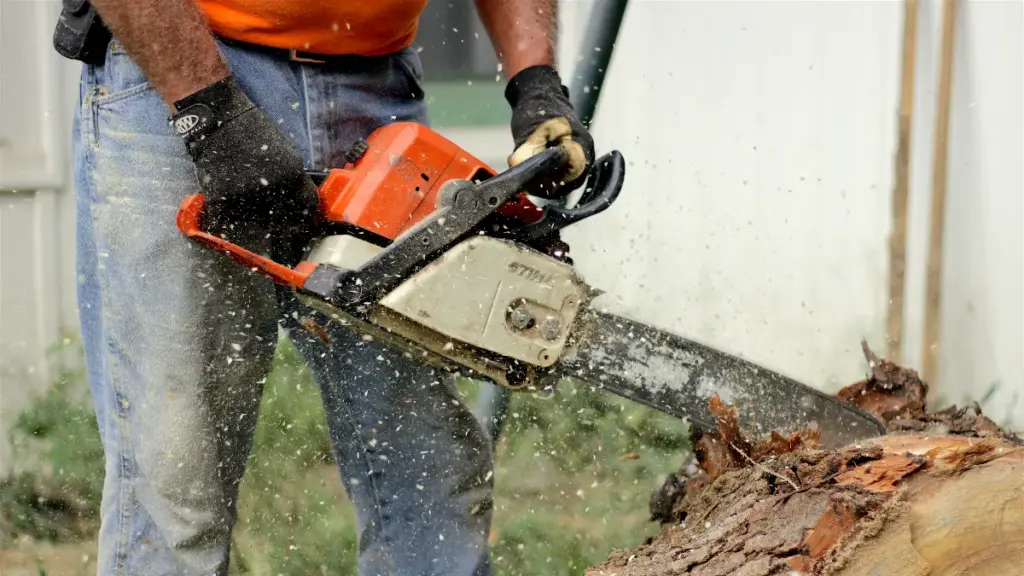
The choice between a Sawzall and a chainsaw is application-driven: chainsaws are built for high-volume outdoor wood cutting, while Sawzalls offer versatile, precision-based performance for indoor and demolition work.
Choosing between these two tools depends on your project’s primary needs.
Pick asawzall if:
- You do frequentDIY home renovations oryard pruning.
- You often cut throughmixed materials like wood and metal.
- You need aportable, versatile tool for occasional cutting.
- You valueeasy maintenance and safety in tight spaces.
Choose achainsaw if:
- You regularlyfell trees or process firewood.
- You work inforestry, paisagismo, or heavy outdoor use.
- You needspeed and power over precision.
- You can handletool upkeep such as sharpening and oiling.
Ready to Work With NEWTOP?
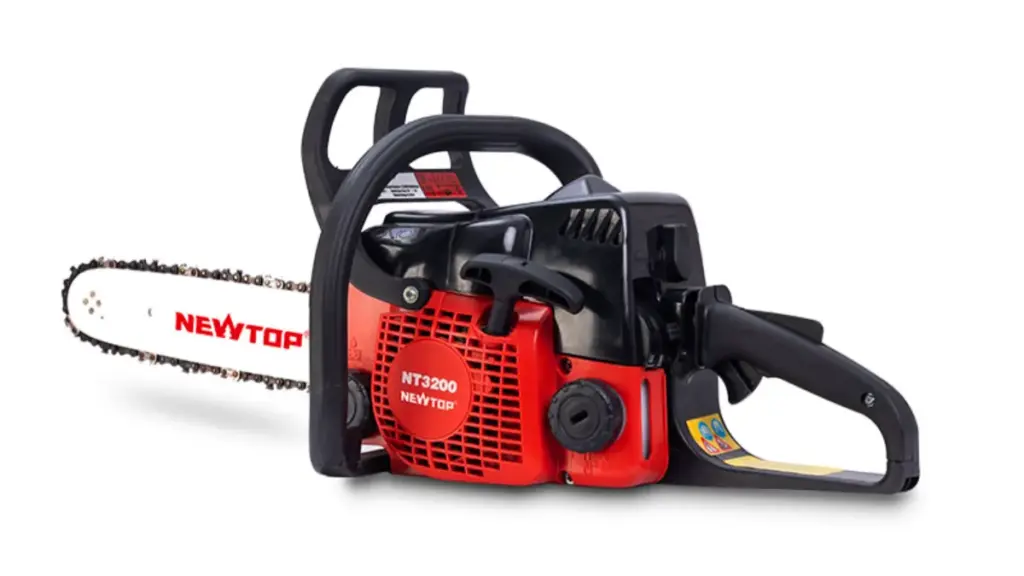
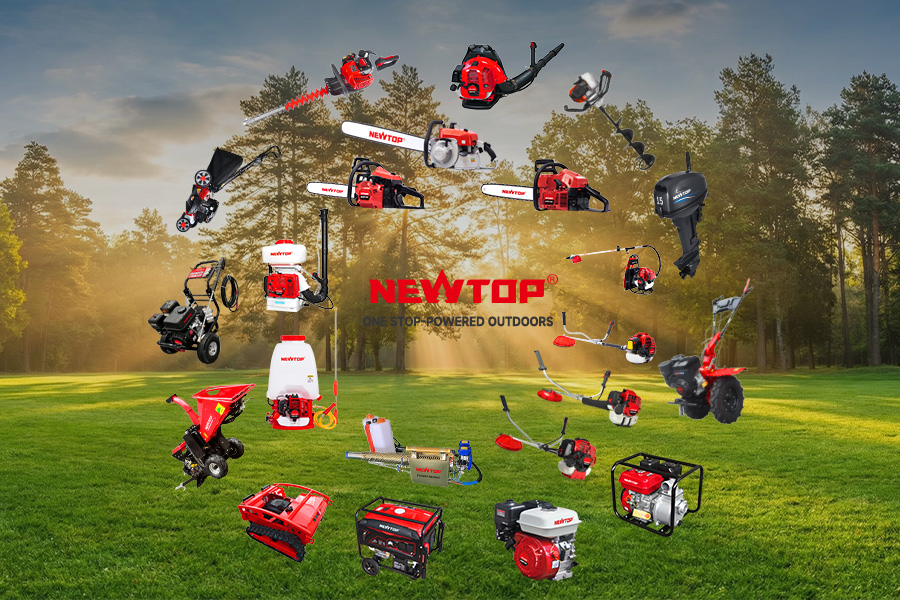
Desde 2003, NEWTOP has been dedicated to delivering the right tool for every job, evolving into a leading manufacturer of professional-grade outdoor power equipment. We now operate with an annual production capacity of around 500,000 máquinas, incluindo motosserras, cortadores de escova, etc. to reliably support global distribution and OEM partnerships.
Our chainsaws are engineered for:
- Fuel Efficiency: Maximizing output while minimizing environmental impact.
- Ergonomics: Reducing user fatigue during long-haul timber processing.
- Confiabilidade: Easy-start systems and robust build quality that professionals trust.
If you are looking for high-quality equipment to stock your retail business or to tackle a large-scale land clearing project, NEWTOP is your premier partner. Explore our full catalog of chainsaws and outdoor tools at newtoptools. com.
Conclusão
Choosing between a Sawzall and a chainsaw comes down to the specific task. A Sawzall offers versatility for demolition and light pruning, but a chainsaw provides unmatched speed and power for felling trees and processing firewood. Using the correct tool for the job ensures operational safety and delivers efficient, professional results.
If your operations require efficient wood cutting, review our catalog of professional-grade chainsaws. Contact the NEWTOP team to find the right equipment for your fleet’s specific needs.
Perguntas frequentes
Can I use a Sawzall instead of a chainsaw?
Sim, for light wood cutting like small branches or limbs, a Sawzall with a pruning blade can substitute for a chainsaw, but it will be slower and less effective on thick logs or trunks.
Which is safer, a Sawzall or a chainsaw?
Generally, a Sawzall is easier to control and carries less kickback risk, so it is considered safer for most users, while a chainsaw demands stricter technique and protective gear.
Is a Sawzall better for cutting small branches?
For small branches and tight spaces, a Sawzall with a proper pruning blade is very convenient and often more manageable than a chainsaw, especially for casual users and yard maintenance.
Can you cut down a tree with a reciprocating saw?
You can cut down very small trees or saplings with a reciprocating saw, but it’s slow, and not recommended for larger trees where a chainsaw is safer, faster, and more appropriate.
What are the limitations of a Sawzall?
A Sawzall struggles with large-diameter logs, can be slow in dense wood, and requires good support of the material to avoid vibration and binding during cuts.
Which tool is more efficient for pruning?
For heavy or frequent pruning on larger branches, a chainsaw (or dedicated pruning chainsaw) is more efficient, while a Sawzall excels for lighter pruning, mixed materials, and occasional use.