In professional wood cutting, engine performance directly affects productivity, ईंधन दक्षता, and user control. For buyers comparing different chainsaw options, one term often appears in discussions of high-performance equipment: ported chainsaw.
But what exactly does this mean? Is it simply a modified tool, or a purposeful upgrade designed for specific working conditions?
A ported chainsaw is not a different category of machine. बजाय, it is a performance-optimized version of a standard chainsaw, where internal engine adjustments improve airflow and combustion efficiency. This results in higher power output and faster cutting speed—features that are especially valuable in demanding environments such as forestry, काटना, and heavy-duty field operations.
इस गाइड में, we will explain how ported chainsaws work, what changes are made inside the engine, and whether this type of modification is suitable for your application or product lineup.
What Is a Ported Chainsaw?
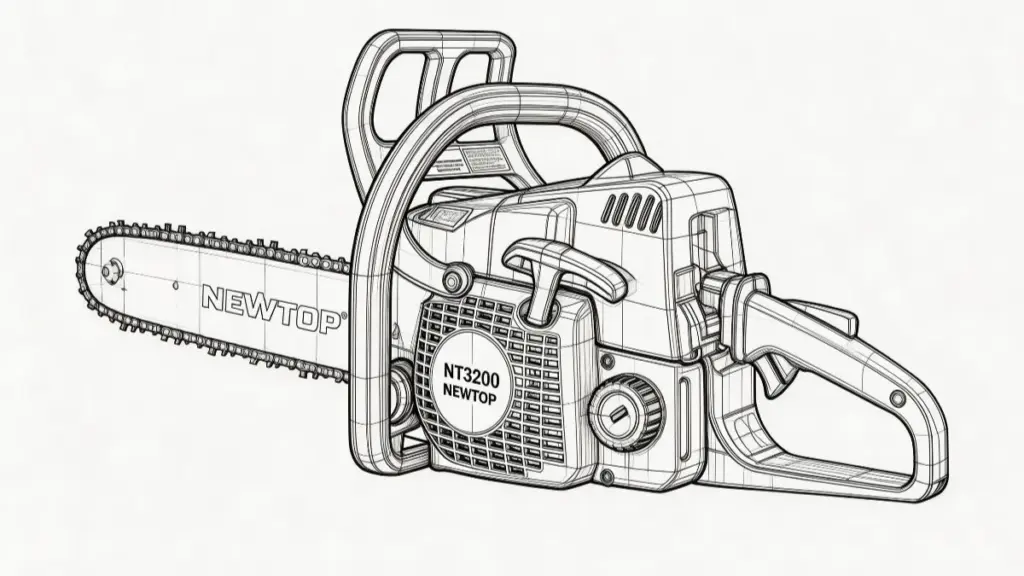
A ported chainsaw is a chainsaw with a modified two-stroke engine, in which the cylinder ports are reshaped or retimed to improve intake and exhaust flow.
- The process involves reshaping and optimizing the cylinder’s internal ports.
- The main goal is to increase the volume and speed of the air-fuel mixture moving through the engine.
- These changes result in a saw that cuts faster and more powerfully than its stock counterpart.
Key Mechanical Modifications in Porting
Porting focuses on three key areas inside the engine: the exhaust port, the transfer ports, and the intake duration. Adjusting the geometry and timing of these channels allows for greater engine RPM capability and quicker throttle response. The transfer ports, which control fuel and air entry into the combustion chamber, are where most performance gains originate. Builders reshape these internal components to optimize airflow and fuel delivery.
- Most performance gains come from modifying the transfer ports, which control fuel and air entry into the combustion chamber.
- Builders reshape these internal components to optimize airflow and fuel delivery.
- Sometimes, builders use popup pistons to increase compression, which helps regain any torque lost from raising the exhaust port.
Resulting Performance Gains
A well-executed porting job can deliver a substantial power increase, often around 40% more than a stock saw. This translates to improved chain speed, better torque under load, and more consistent cutting power. Instead of losing power when engaging with wood, the saw maintains its cutting performance. When paired with muffler modifications, a ported saw also runs cooler, which can extend its operational life.
- The saw maintains its cutting performance when engaging with wood instead of losing power.
- When paired with muffler modifications, a ported saw can run cooler, which may extend its operational life.
- The end result is a faster, more responsive tool that handles aggressive work more effectively.
How Does a Ported Chainsaw Work?
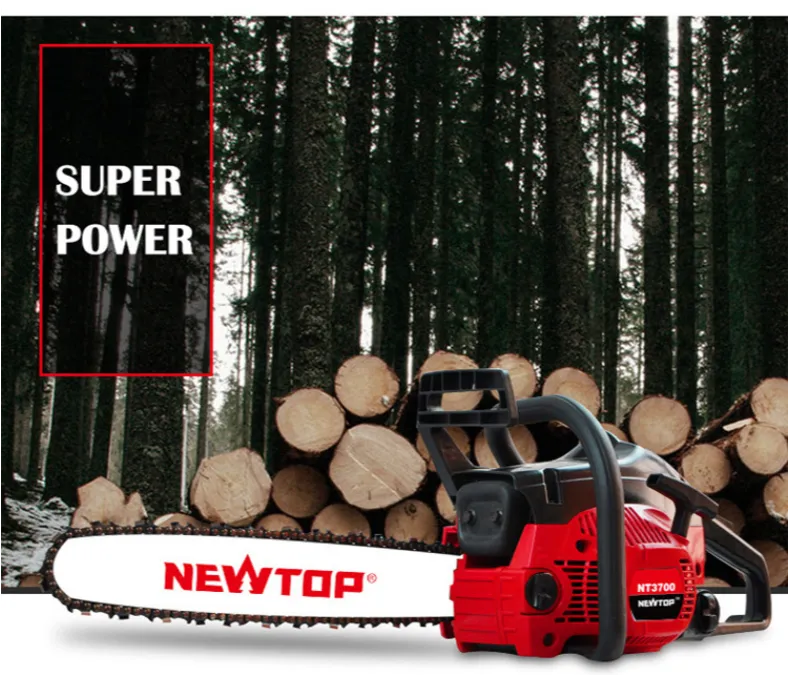
A ported chainsaw operates by physically modifying the engine’s cylinder ports to alter the timing of the fuel-air combustion cycle, allowing it to process more mixture and generate significantly more power than a stock engine.
Modified Fuel-Air Combustion Cycle
In a ported engine, the piston’s movement is optimized to manage the fuel-air mixture more efficiently. As the piston moves up, it creates a vacuum that pulls the fuel-air charge into the crankcase via the intake port. On its downward stroke, it compresses this charge, forcing it through modified transfer ports and into the combustion chamber above the piston, ready for ignition. This cycle happens faster and with a greater volume of fuel and air compared to a standard engine.
- The piston’s upward stroke draws the fuel-air mixture into the crankcase.
- The downward stroke compresses this charge within the crankcase.
- The compressed mixture is then forced upward through transfer ports into the combustion chamber for ignition.
Optimized Port Timing and Overlap
Porting directly alters the timing of when the exhaust and transfer ports open and close relative to the piston’s position. During the downstroke, the exhaust port opens first to expel burned gases. Just after, the transfer ports open to push the fresh, compressed fuel-air mix from the crankcase into the combustion chamber. This carefully managed overlap uses the pressure of the incoming charge to help scavenge, or push out, the remaining exhaust, ensuring a cleaner and more potent charge for the next power stroke.
- During the piston’s downstroke, the exhaust port opens to release spent gases.
- The transfer ports then open, allowing the fresh fuel-air charge to flood the chamber.
- This controlled overlap between exhaust and intake phases efficiently clears and recharges the cylinder.
Physical Changes to Engine Geometry
The actual work of porting involves physically modifying the engine’s cylinder geometry with precision tools. Builders enlarge the intake, transfer, and exhaust ports and often adjust their height to change the timing and duration of the fuel-air cycle. They also adjust the “squish”—the clearance between the top of the piston and the cylinder head at top dead center. Reducing this distance increases the engine’s compression ratio, which improves combustion efficiency and contributes directly to greater power output.
- Intake, transfer, and exhaust ports are enlarged and reshaped to alter their timing.
- The squish distance is reduced to increase compression and enhance combustion.
- Heat management is addressed to ensure the engine handles increased performance without overheating.
Boost Your Margins with Durable Gasoline Chainsaws
What Are Benefits of Ported Chainsaw?
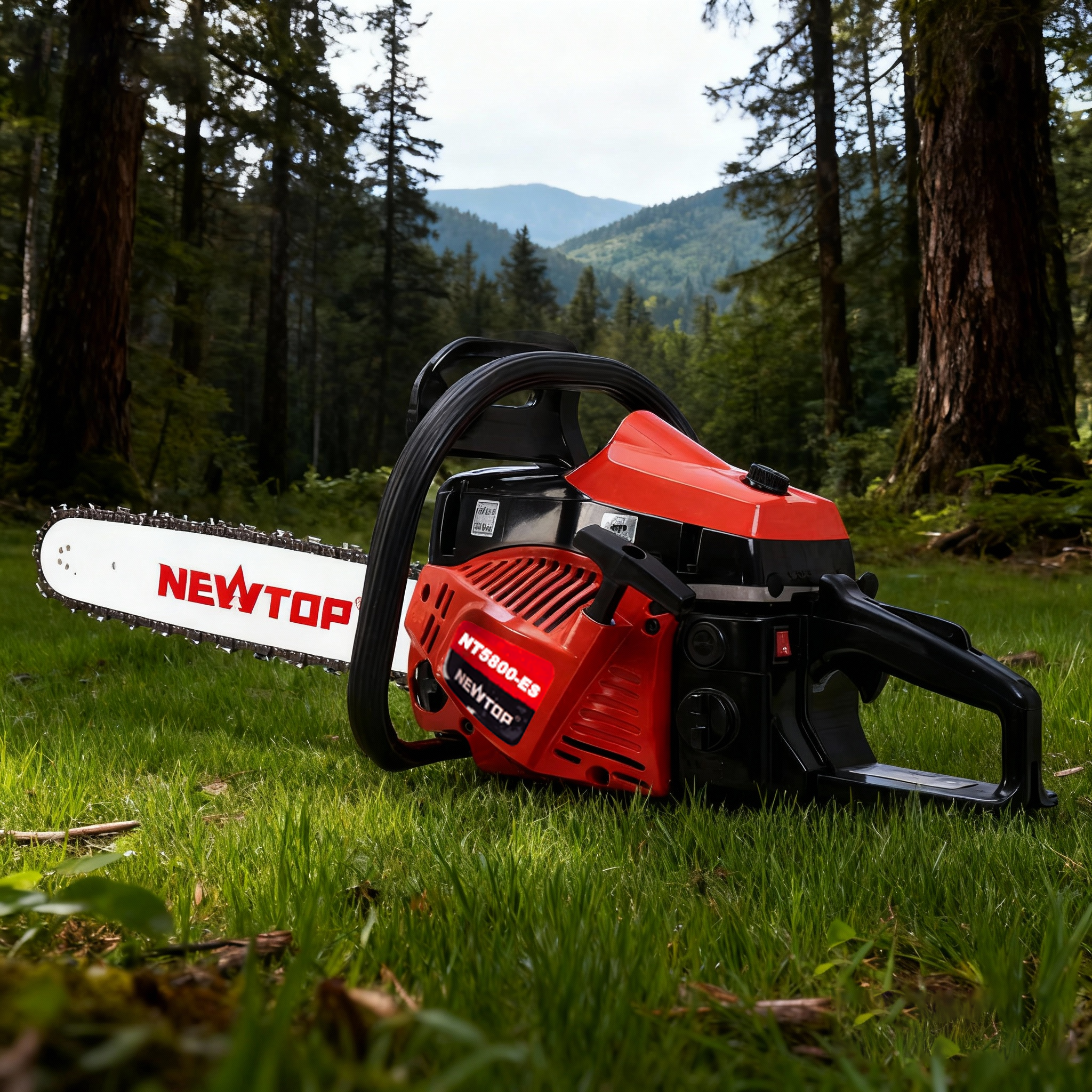
Porting a chainsaw increases power output and cutting speed, and when done correctly, can improve engine cooling and operational life, providing a strong cost-to-performance upgrade over buying a larger stock model.
Increased Power and Cutting Speed
The main benefit of porting is a significant boost in power output, which lets the chainsaw cut faster and more efficiently. A ported saw can be up to 25% faster than its stock equivalent, handling demanding jobs that would otherwise require a larger, heavier machine. This modification allows the saw to run larger गाइड बार without a performance drop, giving professional loggers maximum cutting capability from a lighter piece of equipment.
Improved Engine Efficiency and Longevity
A properly ported saw can last just as long as a standard one. The modifications improve airflow and create a more complete combustion cycle. This helps the engine run cooler by improving heat and exhaust gas dispersion. Better thermal management reduces internal stress on engine components, extending the saw’s operational life. With professional tuning and regular maintenance, the durability of a modified saw is comparable to that of a stock model.
Enhanced Operational Versatility
Porting makes a chainsaw more responsive and adaptable to different cutting conditions. Operators feel a noticeable improvement in throttle response, which allows for more precise control. The increased power and torque mean a single ported saw can effectively run various bar and chain combinations, reducing the need for an operator to carry multiple saws. This versatility is valuable for professionals who encounter different wood types, densities, and sizes throughout the workday.
Favorable Cost-to-Performance Ratio
While porting adds an initial cost, it enables a smaller, lighter saw to perform at the level of a bigger, more expensive model. This approach saves money and reduces physical strain on the operator. Upgrading a mid-size saw for heavy work is often more economical than buying a large stock model. Using lighter equipment also reduces fatigue during long workdays, leading to better productivity and safety. The performance gain from porting provides a strong return on the modification investment.
Technical Changes to Cylinder Intake and Exhaust Ports
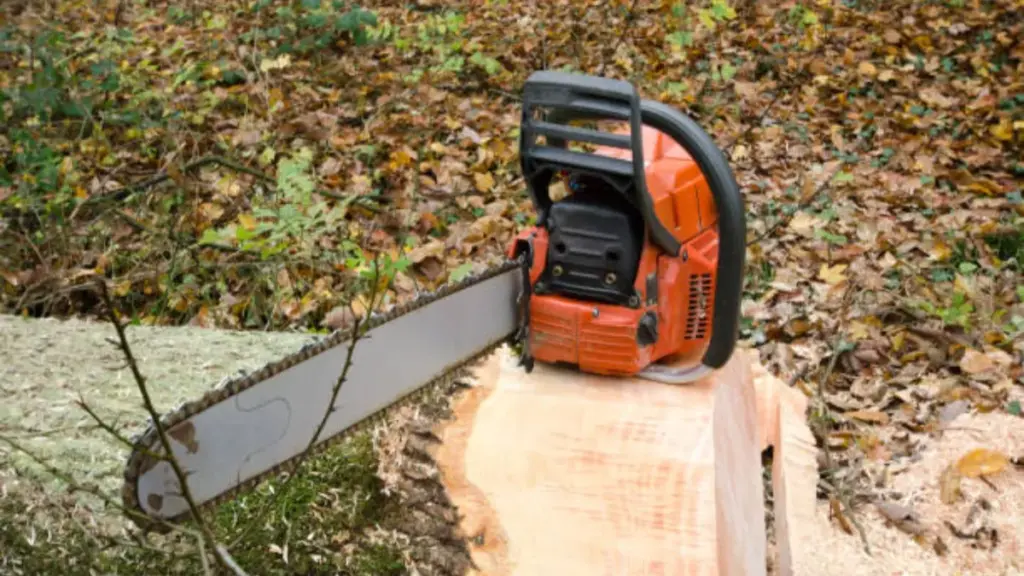
Porting a chainsaw involves physically reshaping the cylinder’s intake, exhaust, and transfer ports to optimize fuel-air mixture flow and exhaust scavenging, which directly increases engine power, आरपीएम, and thermal efficiency.
| अवयव | Modification Goal | Performance Impact |
|---|---|---|
| Intake & Exhaust Ports | Alter port timing, size, and shape to optimize gas flow. | Increases engine efficiency and power by improving fuel-air intake and exhaust exit speed. |
| Transfer Ports | Reshape and redirect ports to improve fuel charge looping. | Delivers the largest performance increase (~40%) by balancing high RPMs with strong cutting torque. |
| गुलबंद | Enlarge outlets and remove internal baffles to reduce backpressure. | Allows the engine to breathe freely, unlocking the full power potential from cylinder work. |
| सिलेंडर & Piston Assembly | Ensure modifications manage heat and maintain structural integrity. | Balances power gains with engine longevity by preventing overheating and component failure. |
Altering Port Geometry for Airflow
The core of chainsaw porting involves physically modifying the cylinder’s intake, exhaust, and transfer ports. These changes alter the timing, size, and shape of the ports to optimize the flow of the fuel-air mixture and exhaust gases, which directly increases engine efficiency and power output.
- Widening and raising the exhaust port to allow gases to exit the cylinder more quickly.
- Reshaping intake ports to increase the velocity and volume of the fuel-air mixture entering the combustion chamber.
- Adjusting port angles to improve the engine’s scavenging efficiency, ensuring more complete combustion.
Optimizing Transfer Ports for Performance Gains
Transfer ports see the most significant modifications, as they are responsible for moving the fuel-air mixture from the crankcase into the cylinder. Properly tuning these ports delivers the largest performance increase, often around 40%, by balancing high RPM capability with strong torque for cutting.
- Modifying transfer port direction to improve the looping pattern of the fuel charge.
- Fine-tuning their shape to create a more efficient replacement of exhaust gas with a fresh fuel-air mixture.
- Ensuring the timing is precise to prevent the fresh fuel charge from escaping through the exhaust port.
Integrating Muffler Modifications
A ported cylinder needs to breathe, so muffler modifications are a standard part of the process. An opened-up muffler reduces backpressure, allowing the engine to expel exhaust gases with less restriction. This change is essential to realize the full benefits of the cylinder work.
- Enlarging the muffler’s outlet port to improve gas flow.
- Removing internal baffles or screens that restrict exhaust.
- Creating a setup that complements the new engine timing for maximum power.
Enhancing Thermal Management and Longevity
Beyond raw power, modern porting techniques focus on improving the engine’s ability to manage heat. A modified engine runs hotter, so adjustments are made to prevent overheating and ensure the performance gains do not come at the cost of engine durability or a shortened service life.
- Ensuring modifications do not create thermal hot spots on the piston or cylinder walls.
- Balancing power output with the engine’s cooling capacity.
- Using precise machining to maintain structural integrity and prevent premature component failure.
Comparing Stock Engine Specs vs. Ported Performance
A stock chainsaw is designed to serve a wide range of users. It usually offers a good balance of power, fuel use, emissions compliance, आसान शुरुआत, और लंबी सेवा जीवन. For many users, that balance is exactly what they need.
A ported chainsaw is different because it focuses more on performance. The goal is to get stronger output from the same engine by improving internal flow and combustion behavior.
Here is a practical comparison:
| विशेषता | Stock Chainsaw | Ported Chainsaw |
|---|---|---|
| Power Output | Standard factory level | उच्च, performance-focused |
| काटने की गति | मध्यम | Faster |
| ईंधन दक्षता | Balanced | May decrease slightly |
| Engine Life | Longer with basic care | Depends on maintenance |
| Throttle Response | चिकना | Faster and sharper |
| शोर स्तर | मानक | उच्च |
| Maintenance Needs | निचला | उच्च |
Maintenance Requirements for High-Performance Modified Saws
A high-performance modified chainsaw usually needs more careful maintenance than a stock model. When performance goes up, the margin for poor tuning or neglected service often becomes smaller.
Key maintenance points include:
- Correct carburetor tuning: A ported saw must not run too lean. Lean tuning can cause high heat, piston damage, and poor reliability.
- Clean air filter: Strong airflow depends on a clean filter. A dirty filter changes mixture behavior and reduces performance.
- Good fuel quality: Fresh gasoline and the correct two-stroke oil mix are very important in modified saws.
- Spark plug inspection: Plug condition can help show whether combustion is healthy.
- Cooling system cleaning: Cylinder fins and air passages should stay clean so the engine can control heat.
- Fastener checks: Vibration can loosen muffler bolts, covers, and other hardware over time.
- Sharp chain and proper cutting setup: A dull chain puts extra load on the engine and reduces the benefit of added power.
- Regular internal inspection: Hard-use saws benefit from periodic checks of compression, piston condition, and exhaust-side deposits.
Warm-up also matters. A modified saw should not be pushed hard while still cold. Letting the engine reach stable operating condition before heavy cutting helps protect performance parts and improve service life.
निष्कर्ष
Porting a chainsaw modifies the engine’s cylinder to improve airflow and combustion, resulting in more power without adding weight. This modification delivers higher chain speed and cutting efficiency. Understanding the process helps you decide if the performance boost is right for your cutting needs, from professional logging to occasional firewood cutting.
Looking for the right chainsaw solution for your market?
Whether you need reliable standard models or high-performance ported options, our team can support you with tailored recommendations, OEM services, and efficient delivery. Reach out to us to discuss your requirements and get product details.
अक्सर पूछे जाने वाले प्रश्नों
What does it mean to port a chainsaw?
Porting a chainsaw means modifying its internal engine cylinder ports to improve airflow. The process involves reshaping the exhaust and transfer ports to allow more air and fuel mixture to move through the engine faster. This optimization increases RPM capability, शक्ति, and overall responsiveness compared to a stock model.
Does porting a chainsaw make it louder?
हाँ, porting a chainsaw makes it significantly louder. The modifications increase engine RPM and exhaust flow, creating a sharper, higher-pitched sound. This is often amplified by a modified muffler, which is a common upgrade on ported saws to maximize the performance gains from the improved airflow.
How much more power does porting add?
The increase depends on the quality of the porting work. In general, users can expect a 10% को 30% improvement in power and cutting performance. तथापि, results vary based on engine design and tuning.
Does porting reduce the life of the engine?
It can, if the chainsaw is not properly maintained. Higher performance puts more stress on engine components. With correct use, quality fuel, and regular maintenance, a ported chainsaw can still have a reliable service life.
Is a ported saw better for everyday firewood?
Not always. For occasional or light-duty firewood cutting, a stock chainsaw is usually more practical. Ported saws are better suited for heavy-duty work where performance gains justify the extra maintenance.
Do you need a special carburetor for a ported saw?
कुछ मामलों में, yes. A ported engine may require carburetor adjustments or upgrades to supply the correct fuel-air mixture. Proper tuning is essential to get the full benefit of porting.