Two importers request quotations for what looks like the same 52cc chainsaw. One quote comes back at a price the other can’t match — and neither quotation explains why. This guide breaks down what actually drives the price of outdoor power equipment in bulk orders, so the next time two numbers land in your inbox, you will know which one to interrogate and which one to order.
The honest summary: most of the price difference between two “identical” machines is invisible on the quotation line. It sits in the engine tier, the certification status, the order volume, the packaging specification, and the trade terms. Buyers who read those five variables negotiate from information; buyers who read only the bottom line negotiate from hope.
The Cost Stack Behind an Ex-Works Price
Every quotation for a gasoline chainsaw, ब्रश कटर, छिड़कनेवाला यंत्र, or generator is assembled from the same stack of cost components. What separates machines is the specification inside each layer.
| Cost component | What moves it |
|---|---|
| Engine and core components | Displacement class, engine tier, carburetor quality, ignition and cylinder materials |
| आवास, hardware, and accessories | Plastic grade, bar and chain spec, metal vs plastic fittings, included accessories |
| Certification status | Tested and certified configuration vs uncertified lookalike; EPA-certified engine family |
| Packaging and labeling | Export carton spec, color box printing, manual language versions, compliance labels |
| Labor and factory overhead | Assembly depth, testing per unit, गुणवत्ता नियंत्रण, factory scale |
| Volume and terms | Order quantity tiers, trade terms (EXW/FOB/CIF), भुगतान की शर्तें, currency |
The Engine Is the Largest Single Variable
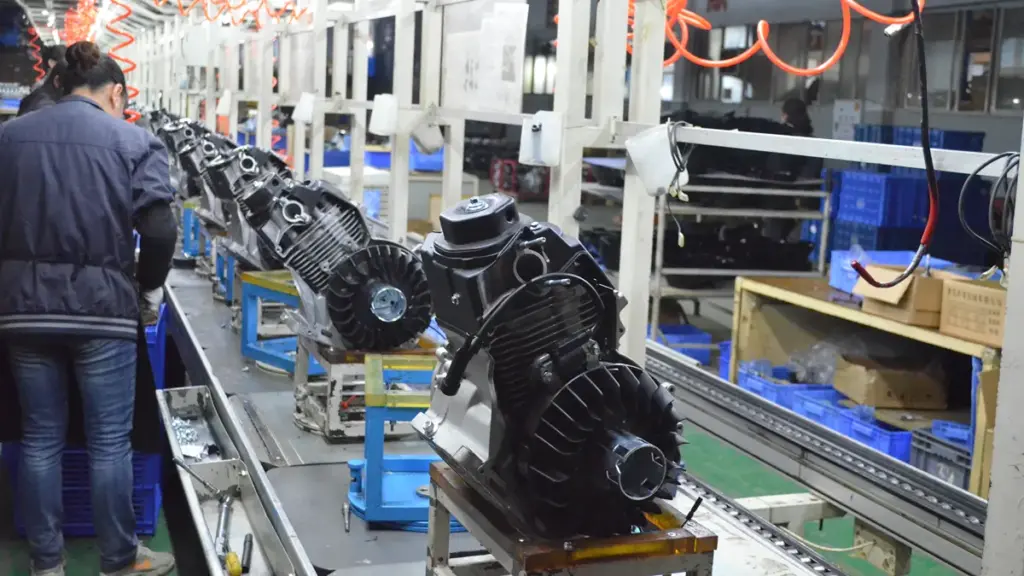
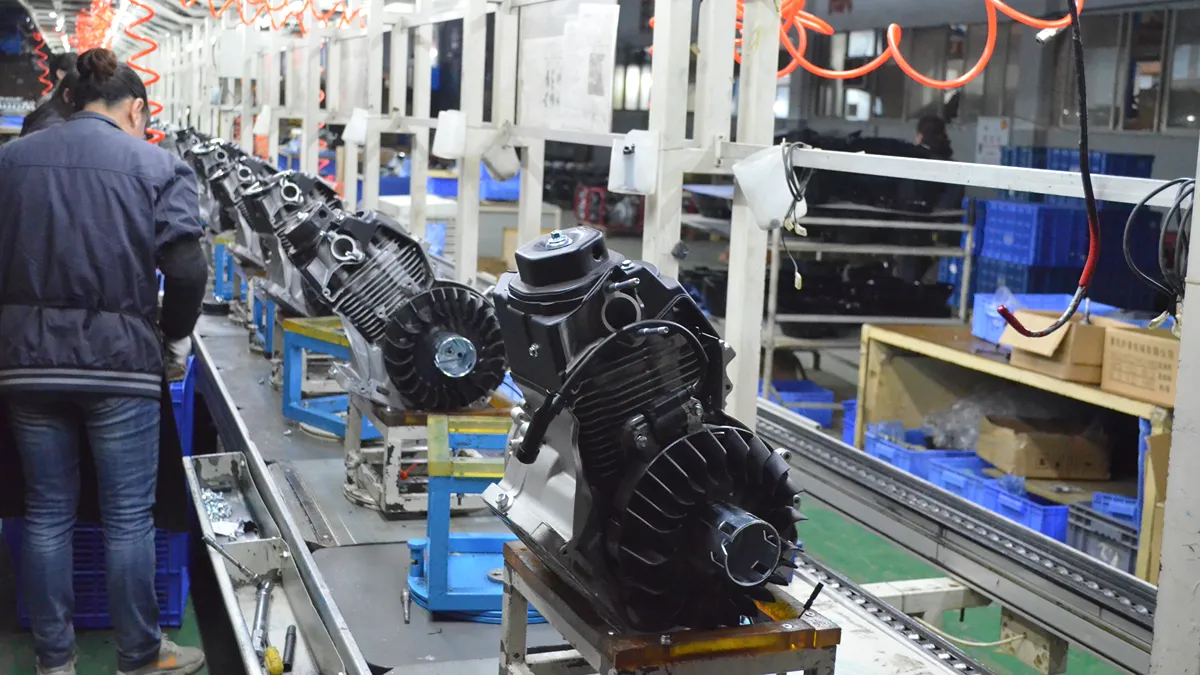
Ask two suppliers to price the “same” 45cc brush cutter and the first question to ask each of them is: which engine, and which carburetor? Engine displacement defines the class, but within one displacement the parts tier moves the price meaningfully — cylinder and crankshaft materials, carburetor sourcing tier, ignition module quality, air filtration. A machine built for seasonal residential use and one built for daily agricultural work can share a displacement figure and nothing else.
This is also where the durability conversation starts. A professional buyer evaluating engines looks past the spec sheet to the quality signals — our article on what professional agricultural machinery buyers look for in gasoline engine quality covers that evaluation in detail. The price you should compare is not per machine; it is per season of reliable service.
Certification Status Is Priced Into Every Unit
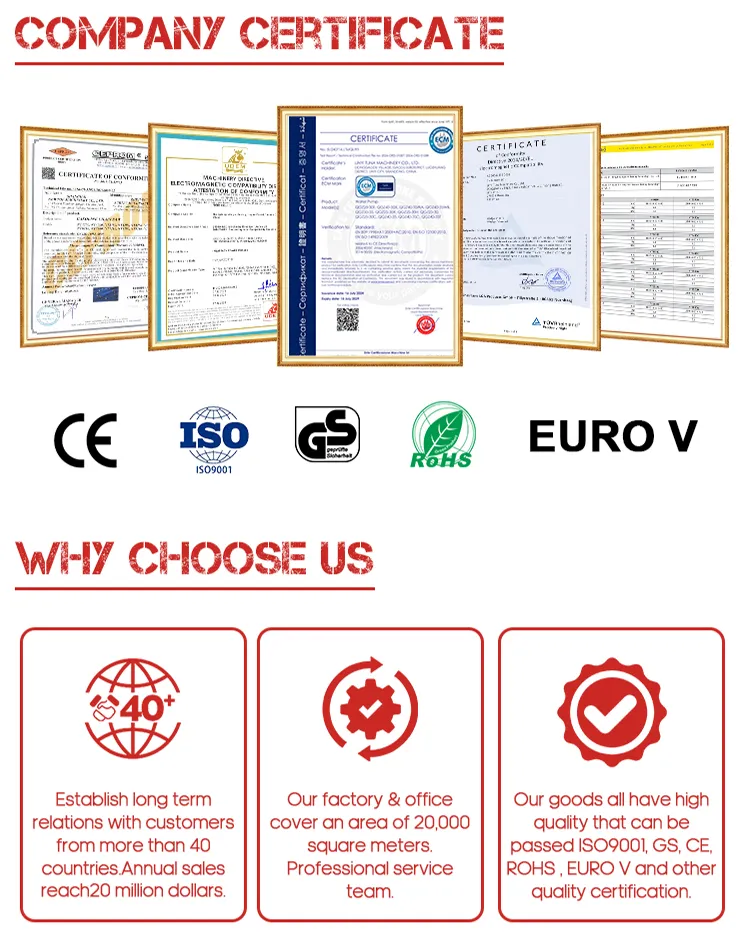
A certified machine carries costs an uncertified lookalike does not: testing, certification maintenance, factory audits, compliance labeling, and the engineering discipline of staying inside a certified configuration. When one quotation undercuts another by a margin that seems too good, certification is one of the first places the difference hides — along with the engine tier. An uncertified machine is not a discount; it is a different product that may not legally enter your market at all, which is why the certification conversation belongs before the price conversation, not after.
For the United States specifically, the EPA status of the engine family shapes both price and lead time: engines already inside a certified family carry the compliance cost in the unit price, while a configuration requiring new certification adds months and real money. Confirm the certification scope in writing as part of the quotation, not as a verbal assurance.
Order Volume, MOQ, and the Price Breaks
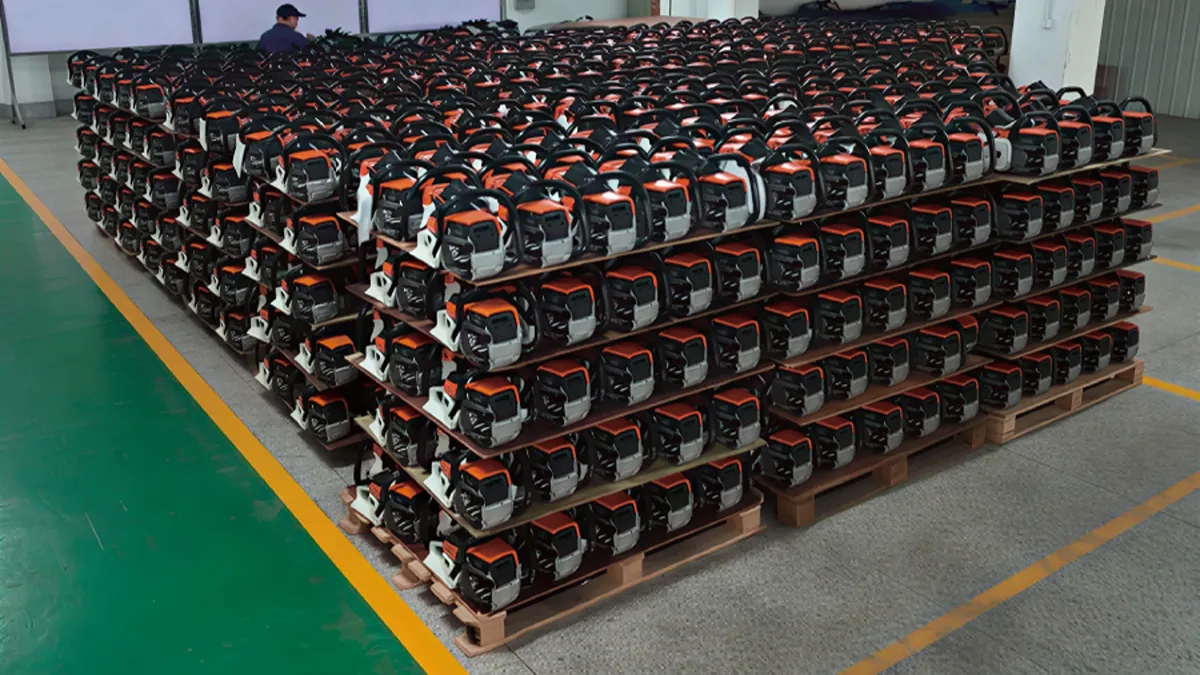
Volume pricing is real but structured. Quotations typically step down at volume tiers because fixed costs — production setup, packaging print runs, documentation, inspection — spread across more units. What surprises first-time buyers is how much of the tier effect comes from their own specifications: a full container of one model prices better than a mixed container of six, and standard packaging prices better than a custom color box ordered in small print runs.
The corollary: your first container will rarely be your best unit price, and that is fine. The first order buys market information — which models move, which specs your dealers request — and the reorder, placed against confirmed demand at higher volume, is where the pricing conversation gets serious. Pricing behavior differs by product category too; our analysis of what drives gasoline generator prices shows how the same volume logic plays out on a higher-ticket product.
Packaging, Labeling, and Language Versions
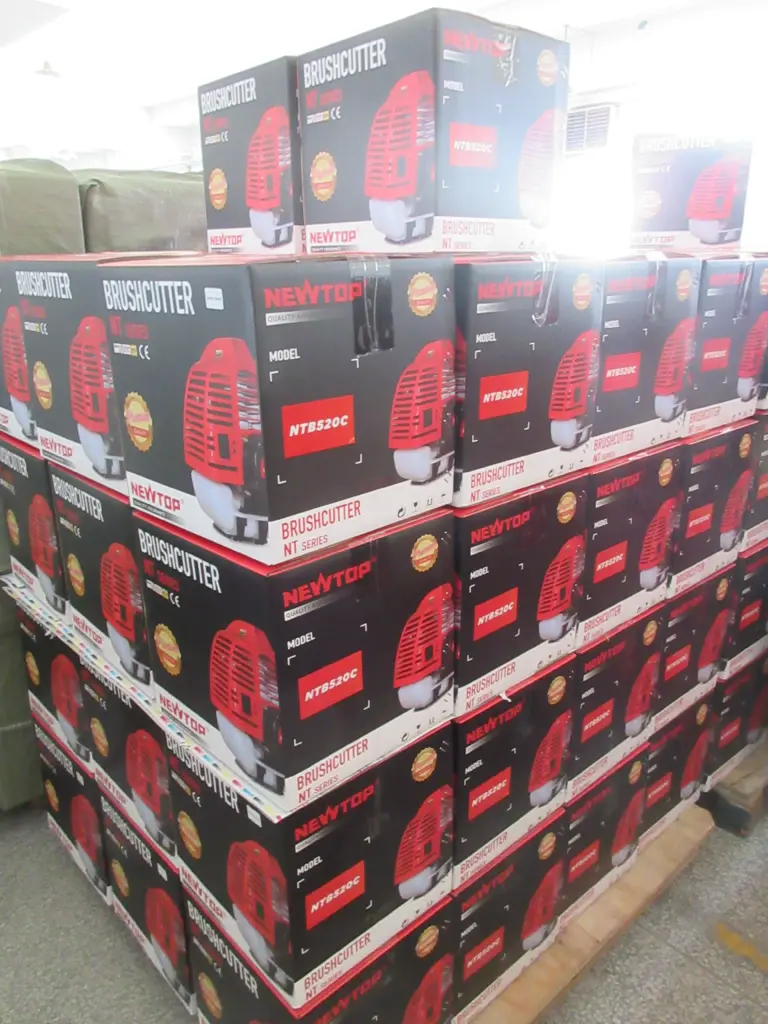
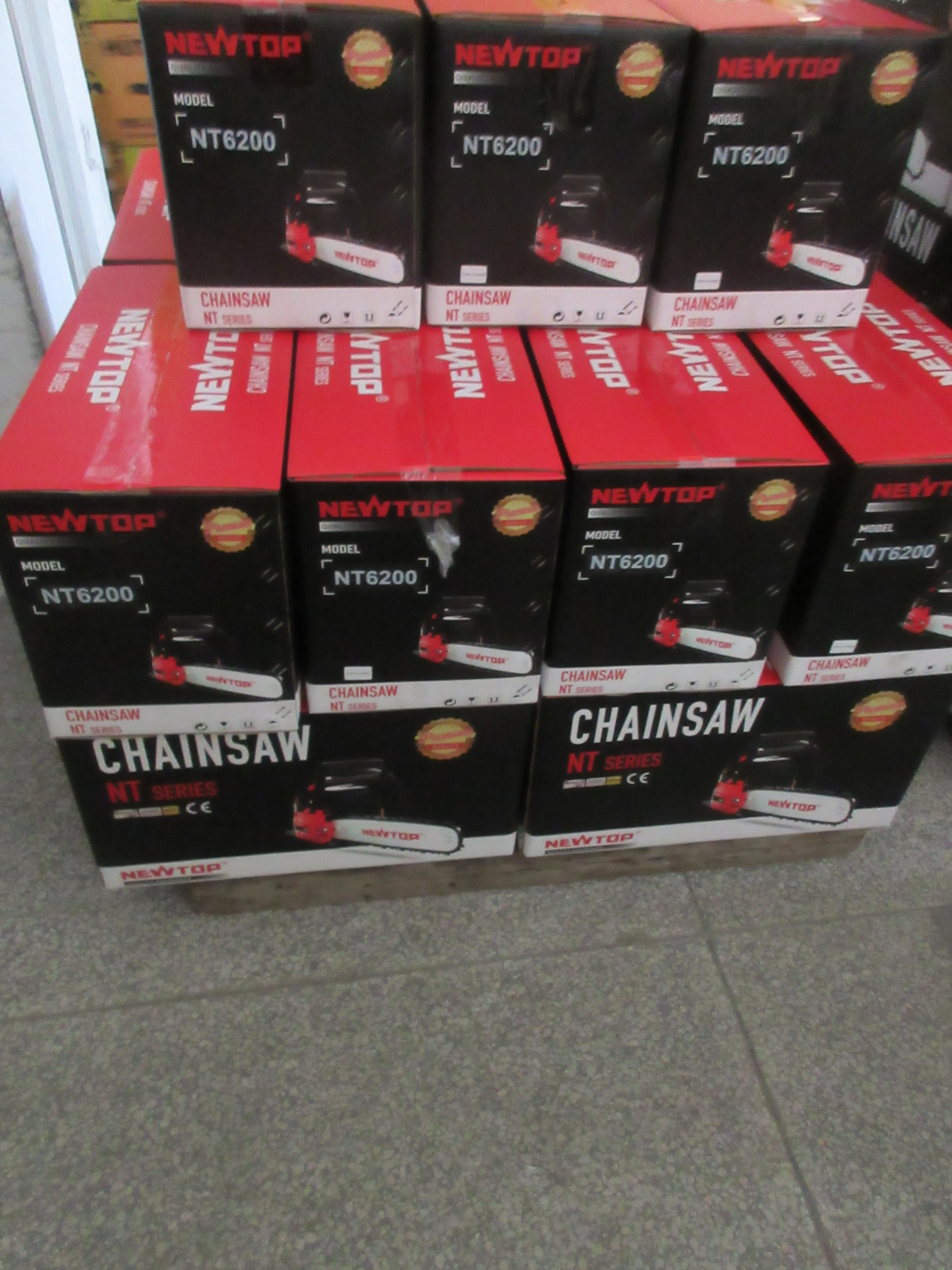
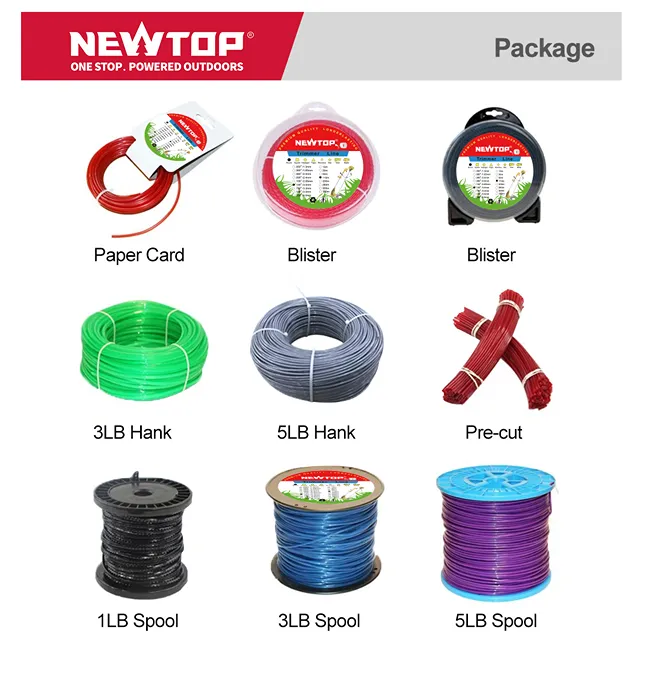
Packaging is a price line that starts small and grows with ambition. A standard brown export carton with a generic manual is the baseline most quotations assume. A printed color box adds print-plate and per-unit costs that shrink at volume; multi-language manuals, market-specific compliance labels, and branded accessory kits each add another line. None of these are reasons to skip them — shelf presence sells — but they are reasons the quotation from a supplier who asked about your packaging specification is more accurate than the one who assumed the cheapest default.
Trade Terms and Freight: What EXW, FOB, and CIF Actually Change
Three letters change who pays for what, and comparing quotations on different trade terms is comparing different products. EXW (ex-works) is the bare machine at the factory gate — you arrange and pay for inland transport, export clearance, and freight. FOB (free on board) adds the supplier’s local logistics and export clearance to the port of loading. CIF adds insurance and freight to your destination port. The machine’s ex-works value does not change across the three; the service scope does.
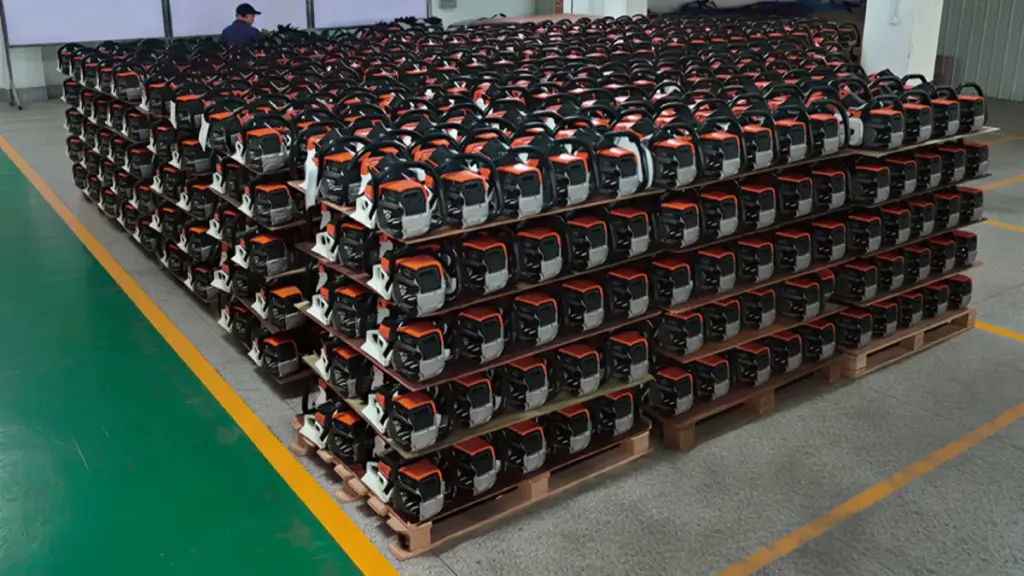
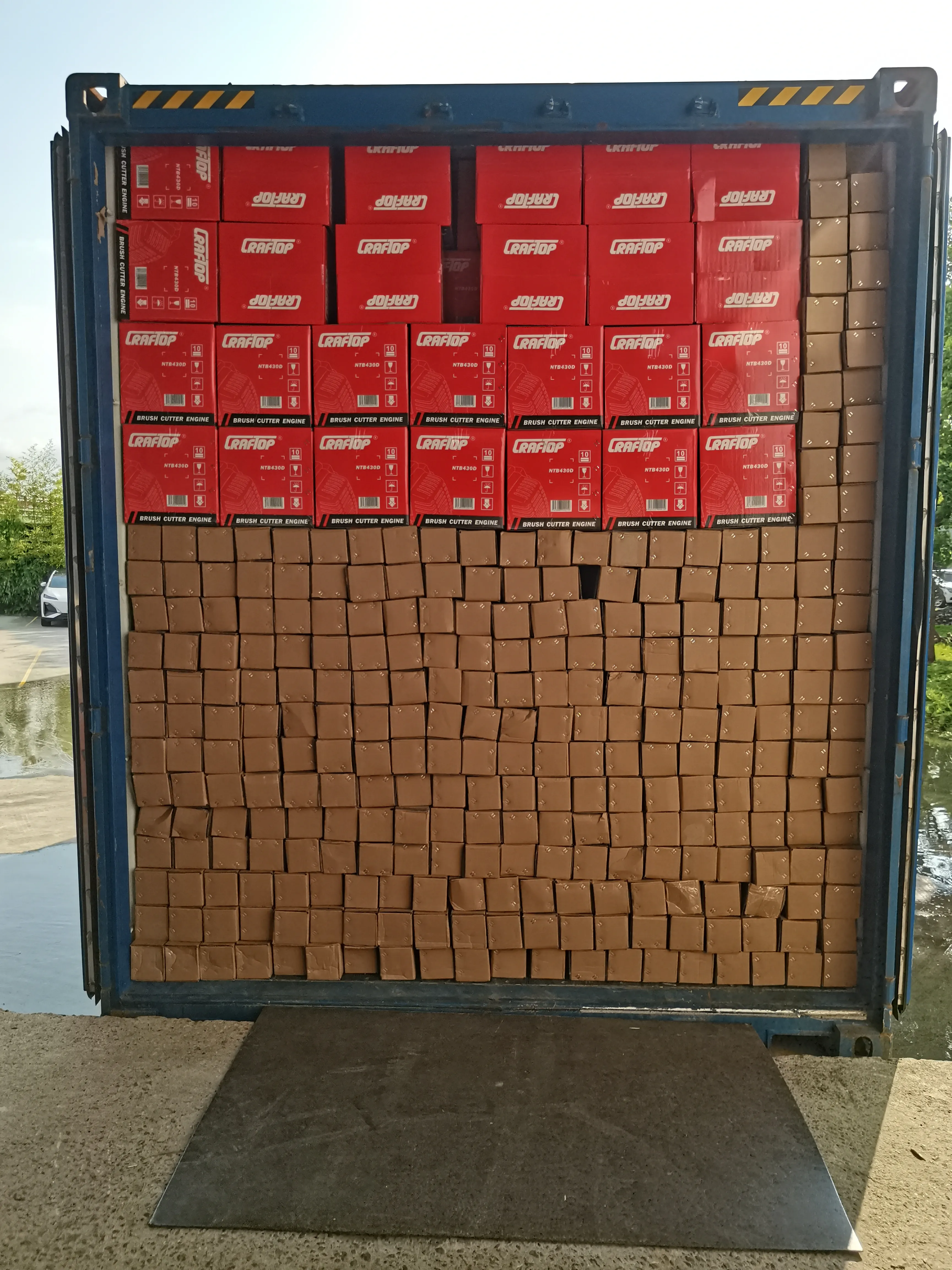
Freight itself deserves its own line in your landed-cost math. Outdoor power equipment is dense, heavy cargo, and container utilization — how many units and cartons fit, how pallets stack — moves your per-unit logistics cost more than most buyers expect. A supplier who packs containers weekly for your lane can usually suggest carton and pallet configurations that measurably improve utilization.
Why the Lowest Quote Is Rarely the Cheapest Order
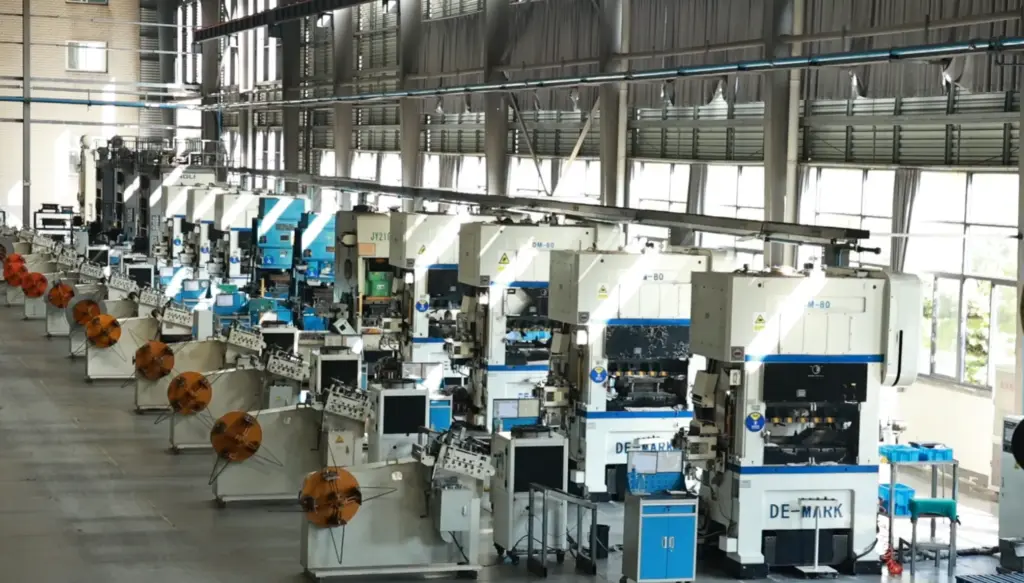
The final component of the cost stack is the one that never appears on the quotation: the cost of getting it wrong. A machine that fails in the field generates warranty claims, replacement shipments, dealer friction, and channel reputation damage that costs more than the original margin. A supplier who tests every engine, runs a documented quality control process, and stands behind parts availability prices that discipline into the unit — and for a distributor building a brand, that discipline is the cheapest line in the stack.
So read the quotation the way an experienced importer does: engine tier, certification scope, packaging specification, trade terms, and the quality system behind it. Then compare. The cheapest order is the one that arrives right, sells through, and reorders without arguments.
अक्सर पूछे जाने वाले प्रश्नों
What is a realistic MOQ for a first bulk order?
For established certified models, suppliers commonly accept mixed-model containers with modest quantities per SKU. Bespoke configurations and ODM projects carry multiples of that. Ask the supplier to state MOQ per model and per configuration in writing before you build your assortment.
Why is FOB usually quoted instead of EXW?
FOB includes local transport and export clearance, which most buyers want the supplier to handle. EXW hands those steps to you and your forwarder. The machine’s ex-works value does not change between the two — only the service scope around it does.
Do quoted prices include certification costs?
For standard models, yes — the manufacturer maintains the certificates and that cost sits inside the unit price. If your customization moves the product outside the certified configuration, new testing and certification is quoted separately. Confirm the certification scope in the quotation itself.
How much does custom packaging add to the price?
A printed color box and branded manual add a modest per-unit cost at container volumes, driven mainly by print run size and carton material. Brown-box export packaging is the baseline most quotations assume, so ask which one the number in front of you includes.
When is the best time to negotiate on price?
After the specification and certification scope are fixed. Negotiating on a moving specification produces quotes that get repriced anyway. Lock the configuration first, then negotiate volume tiers, भुगतान की शर्तें, and freight against a stable baseline.
Pin down the engine tier, the certification scope, the packaging, and the terms, and the quotations you receive become comparable. Skip that step, and the only thing you have compared is which salesperson rounds down more aggressively.
Comparing quotations now? Send us your specification and destination market through our product range page or ask about our distributor terms — we quote the configuration, not the illusion of one.