जब हम नाव के प्रदर्शन में सुधार के बारे में सोचते हैं, इंजन हॉर्सपावर पर आमतौर पर सभी का ध्यान जाता है. लेकिन प्रोपेलर भी उतना ही महत्वपूर्ण है. सही प्रोपेलर आपके आउटबोर्ड को बेहतर त्वरण प्रदान करने में मदद करता है, ईंधन दक्षता, और इंजन का प्रदर्शन, जबकि गलत व्यक्ति गति को सीमित कर सकता है, ईंधन की खपत बढ़ाएँ, और यहां तक कि इंजन का जीवन भी छोटा कर देता है.
इस गाइड में, हम आपको दिखाएंगे कि सही का चयन कैसे करें जहाज़ के बाहर मोटर प्रोपेलर आपके इंजन के आधार पर, नाव का प्रकार, और इच्छित उपयोग. आप यह भी सीखेंगे कि सामान्य चयन गलतियों से कैसे बचें और प्रदर्शन के बीच सर्वोत्तम संतुलन कैसे खोजें, विश्वसनीयता, और लागत.
आउटबोर्ड मोटर प्रोपेलर चुनने में मुख्य कारक
तुलना करने से पहले जहाज़ के बाहर मोटर प्रोपेलर आकार या सामग्री, निम्नलिखित कारकों पर विचार करें. एक साथ, वे यह निर्धारित करते हैं कि आपका इंजन कितनी कुशलता से बिजली को पानी में स्थानांतरित करता है और क्या आपकी नाव उम्मीद के मुताबिक काम करती है.
अपने इंजन विशिष्टताओं से प्रारंभ करें
आपका इंजन उन प्रोपेलरों की सीमा निर्धारित करता है जिनका आप सुरक्षित रूप से उपयोग कर सकते हैं. विभिन्न मॉडलों की तुलना करने से पहले, तीन प्रमुख विशिष्टताओं की जाँच करें:
- इंजन अश्वशक्ति (हिमाचल प्रदेश)
- गियर अनुपात
- अनुशंसित वाइड ओपन थ्रॉटल (WOT) आरपीएम रेंज
ये आंकड़े व्यास और पिच को परिभाषित करते हैं जिसे आपका इंजन संभाल सकता है. सही ढंग से मिलान किए गए प्रोपेलर को इंजन को सामान्य लोड के तहत उसके अनुशंसित WOT RPM तक पहुंचने की अनुमति देनी चाहिए. यदि इंजन उस सीमा तक नहीं पहुंच पाता है, प्रोपेलर संभवतः बहुत बड़ा है या उसकी पिच बहुत अधिक है. यदि यह सीमा से अधिक है, प्रोपेलर शायद बहुत छोटा है.
प्रोपेलर को अपनी नाव के वजन से मिलाएं
इस बारे में सोचें कि आपकी नाव का सामान्य रूप से उपयोग कैसे किया जाता है - न कि केवल उसके खाली वजन के बारे में.
एक हल्की मनोरंजक नाव आमतौर पर उच्च-पिच प्रोपेलर के साथ अच्छा प्रदर्शन करती है जो गति को बढ़ावा देती है. इसके विपरीत, यात्रियों को ले जाने वाली भारी नावें, मछली पकड़ने के उपकरण, माल, या पूर्ण ईंधन टैंक को विमान पर चढ़ने के लिए अधिक जोर की आवश्यकता होती है. इन मामलों में, थोड़ी कम पिच चुनने से अक्सर बेहतर त्वरण और अधिक कुशल संचालन मिलता है.
हमेशा अपने आधार पर प्रोपेलर का चयन करें सामान्य परिचालन भार, आदर्श स्थितियाँ नहीं.
अपनी प्रदर्शन प्राथमिकता के आधार पर पिच चुनें
आपकी नाव पानी पर कैसा महसूस करती है, इस पर पिच का सबसे बड़ा प्रभाव पड़ता है, इसलिए यह तय करके शुरुआत करें कि आपके लिए सबसे ज्यादा क्या मायने रखता है.
| विशिष्ट अनुप्रयोग | अनुशंसित पिच | अपेक्षित परिणाम |
|---|---|---|
| मछली पकड़ने की नावें | मानक पिच से कम | बेहतर त्वरण, आसान योजना बनाना, और जहाज पर मछली पकड़ने के गियर के साथ मजबूत खींचने की शक्ति. |
| यात्री या कार्य नौकाएँ | निचली पिच | भारी भार उठाने और स्थिर परिभ्रमण प्रदर्शन को बनाए रखने के लिए अधिक जोर प्रदान करता है. |
| मनोरंजक पारिवारिक नावें | मानक पिच | गति का संतुलित संयोजन प्रदान करता है, ईंधन दक्षता, और रोजमर्रा की हैंडलिंग. |
| तेज़ रफ़्तार वाली नावें | उच्च पिच | जब इंजन अभी भी अनुशंसित WOT RPM रेंज तक पहुंच सकता है तो उच्च गति प्रदान करता है. |
एक सामान्य दिशानिर्देश के रूप में, द्वारा पिच बदलना 1 इंच इंजन की गति को लगभग बदल देता है 150-200 आरपीएम. छोटे-छोटे समायोजन नाव के प्रदर्शन को स्पष्ट रूप से बदल सकते हैं.
सही ब्लेड गणना का चयन करें
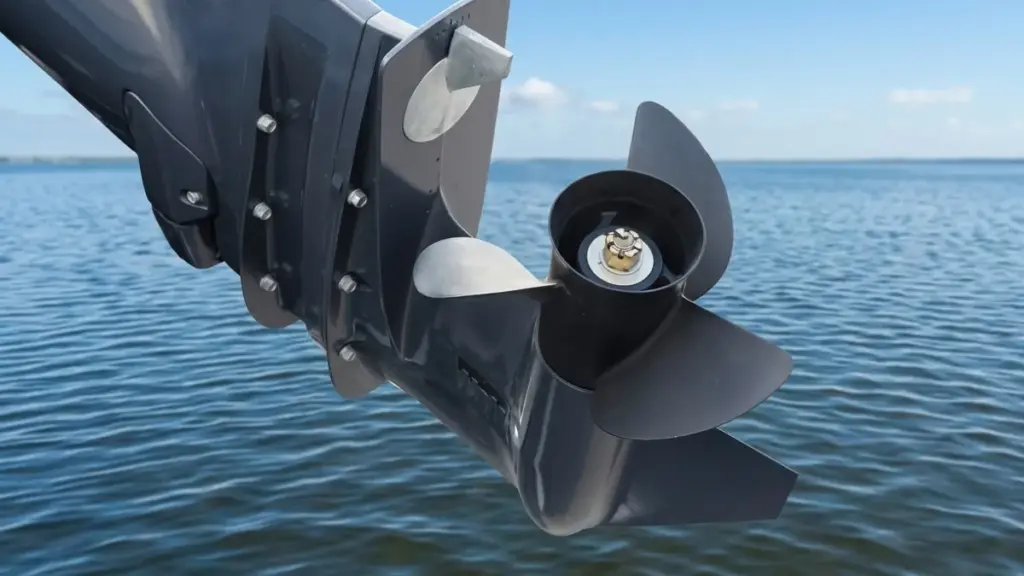
अधिकांश आउटबोर्ड प्रोपेलर में या तो होता है तीन या चार ब्लेड, और प्रत्येक को विभिन्न अनुप्रयोगों के लिए डिज़ाइन किया गया है.
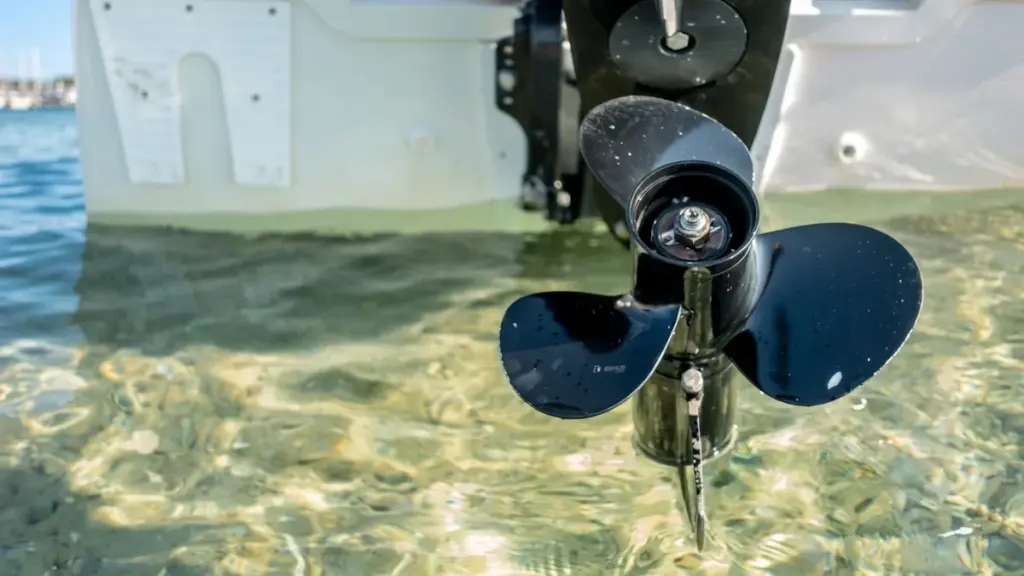
ए 3-ब्लेड प्रोपेलर अधिकांश मनोरंजक नौकाओं के लिए सर्वोत्कृष्ट विकल्प है. यह गति का अच्छा संतुलन प्रदान करता है, ईंधन अर्थव्यवस्था, और त्वरण.
ए 4-ब्लेड प्रोपेलर यदि आप नियमित रूप से भारी भार उठाते हैं तो यह विचार करने योग्य है, उबड़-खाबड़ पानी में काम करना, जल क्रीड़ा उपकरण खींचो, या त्वरित योजना और बेहतर कम गति नियंत्रण चाहते हैं. जबकि यह आमतौर पर थोड़ी शीर्ष गति का त्याग करता है, यह पानी में आसान संचालन और मजबूत पकड़ प्रदान करता है.
जब तक कि आपके एप्लिकेशन में विशिष्ट प्रदर्शन आवश्यकताएँ न हों, 3-ब्लेड प्रोपेलर आमतौर पर अनुशंसित शुरुआती बिंदु होता है.
एल्युमीनियम और स्टेनलेस स्टील के बीच निर्णय लें
आपके द्वारा चुनी गई सामग्री से यह प्रतिबिंबित होना चाहिए कि आप अपनी नाव का उपयोग कितनी बार और कहाँ करते हैं.
एल्यूमीनियम प्रोपेलर अधिकांश मनोरंजक उपयोगकर्ताओं के लिए आदर्श हैं क्योंकि वे किफायती हैं, लाइटवेट, और क्षतिग्रस्त होने पर बदलना आसान है.
स्टेनलेस स्टील प्रोपेलर यदि आप उच्च-अश्वशक्ति इंजन चलाते हैं तो यह एक बेहतर निवेश है, पानी पर लंबे समय तक बिताना, या अधिकतम स्थायित्व और प्रदर्शन की आवश्यकता है. वे भार के नीचे कम झुकते हैं, दक्षता में सुधार, और आम तौर पर कठिन परिस्थितियों में लंबे समय तक रहता है.
कभी-कभार नौका विहार के लिए, एल्युमीनियम अक्सर पर्याप्त होता है. व्यावसायिक या लगातार उपयोग के लिए, स्टेनलेस स्टील आमतौर पर बेहतर दीर्घकालिक मूल्य प्रदान करता है.
खरीदने से पहले अनुकूलता की पुष्टि करें
भले ही प्रोपेलर का व्यास और पिच सही हो, यह तब तक काम नहीं करेगा जब तक यह आपके इंजन के अनुकूल न हो.
खरीदने से पहले, सत्यापित करें कि प्रोपेलर आपके इंजन से मेल खाता है:
- अश्वशक्ति सीमा
- गियरकेस और हब प्रकार
- तख़्ता गिनती
- घूर्णन दिशा
- निर्माता की अनुशंसित विशिष्टताएँ
यदि आप किसी मौजूदा प्रोपेलर को बदल रहे हैं जिसने अच्छा प्रदर्शन किया है, इसकी विशिष्टताओं को अपनी आधार रेखा के रूप में उपयोग करें और गति में सुधार करते समय केवल छोटे समायोजन करें, त्वरण, या ईंधन दक्षता.
NEWTOP के साथ सही आउटबोर्ड प्रोपेलर चुनें
प्रोपेलर लोड की जांच करने के लिए WOT RPM और नाव की गति का उपयोग करना
प्रोपेलर लोड की जांच के लिए आपका टैकोमीटर सबसे अच्छा उपकरण है. वाइड-ओपन थ्रॉटल का उपयोग करें (WOT) लैगिंग या ओवर-रेविंग का पता लगाने के लिए आरपीएम, और निदान की पुष्टि के लिए जीपीएस गति का उपयोग करें.
| कदम | यह आपको प्रोपेलर लोड के बारे में क्या बताता है |
|---|---|
| 1. वास्तविक विश्व WOT परीक्षण आयोजित करें | सामान्य परिचालन स्थितियों के तहत नाव को लोड करें, इंजन को गर्म करो, और शांत पानी में WOT RPM और GPS गति रिकॉर्ड करें. यह आपको वास्तविक प्रदर्शन आधार रेखा देता है. |
| 2. जांचें कि क्या WOT RPM सीमा के भीतर है |
यदि आरपीएम सीमा से नीचे है → ओवर-प्रोप्ड (इंजन ओवरलोड है). यदि आरपीएम सीमा से ऊपर है → अंडर-प्रोप्ड (इंजन कम लोड है). सीमा के भीतर → प्रोप लोड सही ढंग से मेल खाता है. |
| 3. आरपीएम को सही करने के लिए पिच को समायोजित करें |
पिच मुख्य ट्यूनिंग कारक है. 1 पिच का इंच ≈ 150-200 आरपीएम परिवर्तन. निचली पिच से आरपीएम और त्वरण बढ़ता है; ऊंची पिच आरपीएम को कम करती है और शीर्ष गति को बढ़ाती है. |
| 4. सत्यापन जांच के रूप में नाव की गति का उपयोग करें | यदि RPM सही है लेकिन गति कम है, मुद्दा प्रोप लोड का नहीं है. पतवार के खिंचाव की जाँच करें, प्रोप क्षति, या इंजन बढ़ते ऊंचाई. |
| अंतिम निदान |
सही प्रॉप लोड = रेंज में WOT RPM + स्थिर नाव गति + सहज त्वरण. यदि इनमें से कोई भी विफल हो जाता है, प्रोपेलर ठीक से मेल नहीं खाता है. |
मछली पकड़ने के लिए प्रोपेलर विकल्प को अपनाना, परिवहन और अवकाश उपयोग
आप अपनी नाव का उपयोग कैसे करते हैं यह आपके प्रस्ताव को निर्धारित करता है. मछली पकड़ने के लिए भारी भार की पकड़ की आवश्यकता होती है, परिवहन के लिए क्रूज़ दक्षता की आवश्यकता होती है, और अवकाश नौकायन के लिए गति और त्वरण के संतुलन की आवश्यकता होती है.
मछली पकड़ने के लिए प्रोपेलर चयन
मछली पकड़ने वाली नावें शायद ही कभी एक समान वजन पर चलती हों. गियर के साथ लोड बदलता है, पूर्ण लाइववेल्स, बर्फ़, और यात्री. आपको मछली पकड़ने के इस विशिष्ट भार के लिए सहारा लेना होगा, खाली नाव का वजन नहीं. मुख्य लक्ष्य धनुष को आकाश की ओर किए बिना शीघ्रता से विमान पर चढ़ना है. कई मछली पकड़ने की स्थापनाओं को 4-ब्लेड प्रोपेलर से लाभ होता है, जो बेहतर पकड़ प्रदान करता है, घुमावों में स्थिरता में सुधार होता है, और नाव को धीमी गति से विमान पर रख सकते हैं. यह विशेष रूप से कम शक्ति वाली नावों या भारी पतवारों के लिए उपयोगी है जिन्हें चलने में कठिनाई होती है.
परिवहन और ढुलाई के लिए अनुकूलन
जब नाव का मुख्य काम लोगों या माल को ले जाना हो, मध्यम श्रेणी के प्रदर्शन और ईंधन अर्थव्यवस्था के लिए शीर्ष गति पीछे रह जाती है. कुशल क्रूज़िंग आरपीएम प्राप्त करने के लिए प्रोपेलर पिच को नाव के विशिष्ट यात्री या कार्गो वजन से मेल खाना चाहिए. यदि नाव लगातार भारी भार ढोती है, निचली पिच या 4-ब्लेड प्रोप त्वरण और भार वहन करने की क्षमता में सुधार करता है. यदि प्राथमिक कार्य long बना रहा है, हल्के भार के साथ उच्च गति चलती है, एक मानक 3-ब्लेड प्रोप अक्सर गति पर बेहतर दक्षता प्रदान करता है.
अवकाश और मनोरंजन के लिए संतुलन प्रदर्शन
सामान्य सप्ताहांत नौकायन के लिए, 3-ब्लेड प्रोपेलर एक कारण से मानक है. यह एक ठोस ऑफर करता है, त्वरण और उच्चतम गति का सर्वांगीण संतुलन. यदि वॉटरस्कीइंग या वेकबोर्डिंग जैसी गतिविधियाँ एजेंडे में हों तो खेल बदल जाता है. इन गतिविधियों के लिए लोगों को पानी से बाहर निकालने के लिए एक मजबूत छेद की आवश्यकता होती है, 4-ब्लेड प्रोप को एक बेहतर विकल्प बनाना. गतिविधि चाहे जो भी हो, मूलभूत जांच वही रहती है: सत्यापित करें कि इंजन अपने अनुशंसित वाइड-ओपन-थ्रॉटल के भीतर संचालित होता है (WOT) आपके विशिष्ट मनोरंजक उपयोग के दौरान आरपीएम रेंज.
एल्युमीनियम से स्टेनलेस स्टील या अधिक ब्लेड पर कब स्विच करें
अपने प्रोप को अपग्रेड करना एक समझौता है. स्टील उच्च-शक्ति इंजनों के लिए प्रदर्शन जोड़ता है, और अधिक ब्लेड भारी नावों की पकड़ बढ़ाते हैं, लेकिन एल्युमीनियम उच्च जोखिम वाले क्षेत्रों के लिए सर्वोत्तम रहता है.
स्टेनलेस स्टील अपग्रेड के लिए प्रदर्शन ट्रिगर
एल्युमीनियम से स्टेनलेस स्टील की ओर बढ़ने का निर्णय आमतौर पर अश्वशक्ति और दक्षता पर निर्भर करता है. भारी भार के तहत एल्युमीनियम प्रॉप्स लचीले होने लगते हैं, जिससे बिजली बर्बाद होती है. जब आप इन मुद्दों पर ध्यान दें तो आपको स्टेनलेस स्टील पर गंभीरता से विचार करना चाहिए:
- आपका इंजन है 150 एचपी या अधिक. इस शक्ति स्तर पर, एक लचीला एल्यूमीनियम प्रोप आपकी दक्षता और शीर्ष गति को काफी हद तक प्रभावित करेगा.
- वॉटरस्पोर्ट्स के लिए या जब आप भारी भार उठा रहे हों तो आपको तेज़ होल-शॉट की आवश्यकता होती है. स्टेनलेस स्टील लचीला नहीं होता, इसलिए यह गेट के बाहर जोर से काटता है.
- नीचे लादे जाने पर नाव सुस्त महसूस करती है या अपनी शीर्ष गति खो देती है. यह एक क्लासिक संकेत है कि आपका एल्युमीनियम प्रॉप मुड़ रहा है और अपनी प्रभावी पिच खो रहा है.
- आप लंबी यात्राओं पर बेहतर ईंधन अर्थव्यवस्था चाहते हैं. स्टेनलेस प्रोप की कठोरता बेहतर दक्षता में तब्दील हो जाती है, जिससे समय के साथ ईंधन की बचत होती है.
ब्लेड जोड़ने के कारण (से 3 को 4+)
ब्लेड जोड़ने का मतलब पकड़ और नियंत्रण बढ़ाना है, जरूरी नहीं कि शीर्ष गति हो. 4-ब्लेड प्रोप पानी में अधिक सतह क्षेत्र डालता है, जो विशिष्ट प्रबंधन समस्याओं का समाधान करता है.
- आपका वर्तमान 3-ब्लेड प्रोप तेज मोड़ के दौरान या जब इंजन को प्रदर्शन के लिए उच्च ट्रिम किया जाता है तो हवादार या "बह जाता है".
- आपको कम गति पर विमान पर रहना होगा. यह कंदों या वेकबोर्डर्स को खींचने के लिए महत्वपूर्ण है, या अधिक नियंत्रण के साथ उबड़-खाबड़ पानी में नेविगेट करने के लिए.
- आपकी प्राथमिकता एक भारी नाव के लिए अधिकतम पकड़ और त्वरण है. अधिक ब्लेड अधिक जोर देते हैं, भले ही शीर्ष छोर पर आपको एक या दो मील प्रति घंटा खर्च करना पड़े.
- आपके सेटअप में जैक प्लेट या उच्च इंजन माउंटिंग स्थिति शामिल है. ये कॉन्फ़िगरेशन फिसलने से रोकने के लिए अधिक प्रोप बाइट की मांग करते हैं, जो एक 4-ब्लेड प्रदान करता है.
उपयोग के मामले के अनुसार अपग्रेड पथ चुनना
वहाँ एक भी नहीं है “श्रेष्ठ” प्रोप. सही अपग्रेड पथ पूरी तरह से आपकी नाव पर निर्भर करता है, आपका इंजन, और आप इसके साथ क्या करते हैं.
- हल्की नाव पर गति और दक्षता के लिए (75-150+ अश्वशक्ति), तार्किक कदम 3-ब्लेड एल्यूमीनियम से 3-ब्लेड स्टेनलेस स्टील प्रोप की ओर है.
- भारी नावों के लिए, टो खेल, या अधिकतम नियंत्रण, 3-ब्लेड एल्यूमीनियम से सीधे 4-ब्लेड स्टेनलेस स्टील प्रॉप पर जाएं. आपको कठोरता और पकड़ दोनों मिलती है.
- यदि आपको कम एचपी नाव पर बेहतर पकड़ की आवश्यकता है (अंतर्गत 125 अश्वशक्ति) और उच्च जोखिम वाले क्षेत्र में काम करते हैं, 4-ब्लेड एल्यूमीनियम प्रोप एक स्मार्ट है, बजट अनुकूल कदम.
परिचालन वातावरण और जोखिम में फैक्टरिंग
यदि आप अपनी निचली इकाई को नष्ट कर देते हैं तो प्रदर्शन का कोई मतलब नहीं है. आप कहां नाव चलाते हैं यह उतना ही महत्वपूर्ण है जितना कि आप कैसे नाव चलाते हैं.
- चट्टानी या उथले पानी में जहां प्रभाव की संभावना अधिक हो, एक सस्ता एल्यूमीनियम प्रोप आपका सबसे अच्छा दोस्त है. यह यज्ञोपवीत अंग के रूप में कार्य करता है, महंगे गियरकेस की सुरक्षा करना.
- स्टेनलेस स्टील रेतीले या खुले पानी में चलने से होने वाली छोटी-मोटी खरोंचों और घर्षण के प्रति अधिक टिकाऊ होता है.
- खारे पानी के उपयोग के लिए, स्टेनलेस स्टील कहीं बेहतर संक्षारण प्रतिरोध प्रदान करता है और एल्यूमीनियम प्रॉप से भी अधिक समय तक टिकेगा.
- एक कठोर स्टेनलेस प्रोप के साथ एक कठोर प्रहार सीधे आपके प्रोपशाफ्ट और गियर पर हानिकारक बल भेजने की अधिक संभावना है. प्रोप जीवित रह सकता है, लेकिन आपकी निचली इकाई ऐसा नहीं कर सकती.
सामान्य प्रोपेलर चयन गलतियाँ और उनसे कैसे बचें
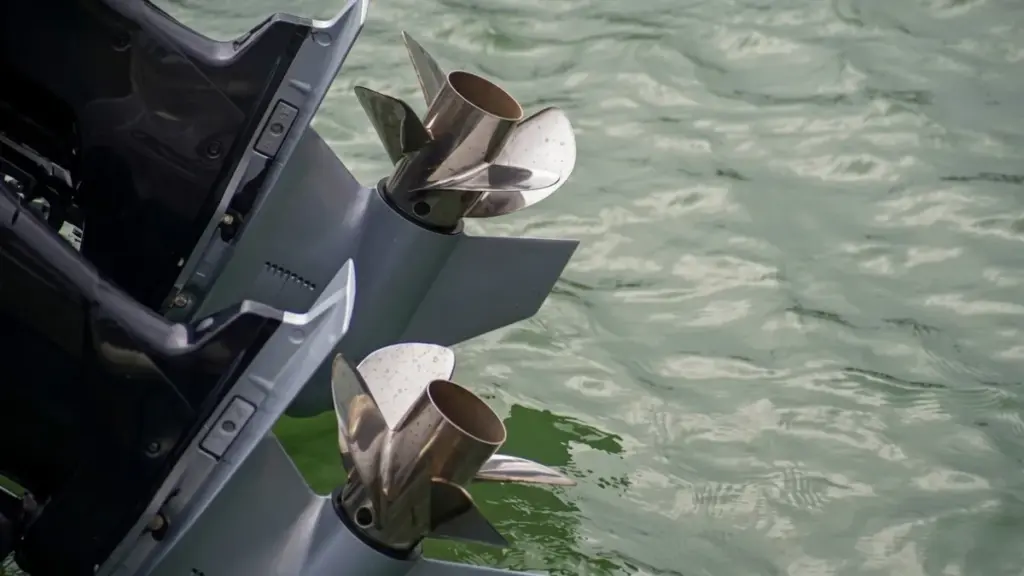
अधिकांश प्रोप गलतियाँ अनुमान से आती हैं. इंजन की WOT RPM रेंज को नजरअंदाज करना और खाली नाव से परीक्षण करना दो सबसे बड़े अपराधी हैं. पहले इन्हें ठीक कर लें.
बुनियादी फिटमेंट और अनुकूलता की अनदेखी
यह सोचना कि 150HP इंजन के लिए कोई भी प्रोप किसी भी 150HP इंजन में फिट होगा, पैसे बर्बाद करने का एक तेज़ तरीका है. अश्वशक्ति केवल एक डेटा बिंदु है. शारीरिक फिट ही मायने रखता है. आपको अपने विशिष्ट इंजन मॉडल और वर्ष के लिए प्रोप शाफ्ट व्यास और स्पलाइन गिनती को सत्यापित करना होगा. ब्रांड इन विशिष्टताओं को आपकी अपेक्षा से अधिक बार बदलते हैं.
हब सिस्टम को भूल जाना एक और आम गलती है. हब प्रोप और शाफ्ट के बीच महत्वपूर्ण कड़ी है. गलत का उपयोग करने से लोड के तहत फिसलन हो सकती है या प्रोपेलर को सही ढंग से बैठने से रोका जा सकता है, जिससे कंपन और संभावित क्षति हो सकती है.
इंजन की WOT RPM रेंज की उपेक्षा करना
यह एकमात्र सबसे महत्वपूर्ण कारक है, और इसे हर समय नजरअंदाज किया जाता है. प्रत्येक इंजन में वाइड-ओपन-थ्रॉटल के लिए अनुशंसित आरपीएम रेंज होती है (WOT). आपका काम एक प्रोप का चयन करना है जो इंजन को सामान्य लोड के साथ उस बैंड के भीतर काम करने देता है. यह उच्चतम संभव शीर्ष गति का पीछा करने के बारे में नहीं है.
ओवर-प्रॉपिंग-बहुत अधिक पिच का उपयोग-इंजन को खराब कर देता है. यह आपके ट्रक को पांचवें गियर में शुरू करने की कोशिश करने जैसा है. त्वरण भयानक है, और आप लगातार डाल रहे हैं, इंजन के अंदरूनी हिस्सों पर हानिकारक तनाव. अंडर-प्रॉपिंग उतनी ही बुरी है. बहुत कम पिच से इंजन ओवर-रेव हो जाता है, संभावित रूप से रेव लिमिटर पर असर पड़ रहा है और इसका परिचालन जीवन छोटा हो रहा है. दोनों गलतियाँ आपको लंबे समय में महंगी पड़ेंगी.
अवास्तविक नाव भार के साथ परीक्षण
ढूँढना “उत्तम” एक खाली नाव के साथ प्रोपेलर विफलता के लिए एक सेटअप है. एक प्रॉप जो सिर्फ आपके साथ खूबसूरती से काम करता है, न्यूनतम ईंधन, और एक बार जब आप परिवार पर सामान लाद देंगे तो किसी भी गियर की पिच बहुत ऊंची नहीं होगी, कूलर, और ईंधन का एक पूरा टैंक. नाव को विमान पर चढ़ने के लिए संघर्ष करना पड़ेगा, और इंजन वापस उसी खतरनाक स्थिति में आ जाएगा.
इससे बचने का एकमात्र तरीका प्रोपेलर का ऐसे वजन के साथ परीक्षण करना है जो दर्शाता है कि आप वास्तव में अपनी नाव का उपयोग कैसे करते हैं. यदि आपके सामान्य दिन में चार लोग और पूरा जीवन शामिल है, तो यह आपका परीक्षण कॉन्फ़िगरेशन है. आपके सबसे भारी सामान्य उपयोग के मामले के लिए प्रोप, आपका सबसे हल्का नहीं.
आपकी आवश्यकताओं के अनुरूप बेमेल प्रोपेलर डिज़ाइन
सभी प्रॉप्स समान नहीं बनाए गए हैं. 3-ब्लेड और 4-ब्लेड प्रॉप के बीच अंतर एक साधारण ट्रेडऑफ़ है. 3-ब्लेड प्रोप आम तौर पर उच्च गति प्रदान करता है. 4-ब्लेड प्रोप बेहतर त्वरण प्रदान करता है, बारी-बारी से अधिक पकड़, और कम गति पर विमान को पकड़ने की क्षमता. आप जो त्याग रहे हैं उसे समझे बिना किसी एक को चुनना एक गलती है.
सामग्री का चुनाव केवल कीमत के बारे में नहीं है. एल्युमीनियम सस्ता है और एक के रूप में कार्य करता है “बलि” उथले में भाग, चट्टानी पानी - आपके महंगे गियरकेस के टूटने से पहले प्रोप टूट जाता है. स्टेनलेस स्टील कहीं अधिक टिकाऊ होता है और इसके ब्लेड पतले और अधिक कठोर होते हैं, जो खुले पानी में प्रदर्शन में सुधार करता है जहां प्रभाव की संभावना नहीं होती है. सामग्री और ब्लेड के डिज़ाइन को अपने पतवार और आप इसे कैसे चलाते हैं, से मेल करें.
व्यवस्थित परीक्षण प्रक्रिया को छोड़ना
यदि आप नहीं जानते कि आपने कहाँ से शुरुआत की तो आप नहीं जान सकते कि आप कहाँ जा रहे हैं. इससे पहले कि आप किसी प्रोप की अदला-बदली करें, अपनी नाव को उसके वर्तमान सेटअप और सामान्य भार के साथ बाहर निकालें. WOT पर अधिकतम RPM और GPS गति रिकॉर्ड करें. यह आपकी आधार रेखा है. इसके बिना, आप बस अनुमान लगा रहे हैं.
जब आप कोई बदलाव करते हैं, एक समय में एक चर समायोजित करें. 19-पिच एल्यूमीनियम 3-ब्लेड से 17-पिच स्टेनलेस 4-ब्लेड पर एक साथ स्विच न करें. यदि प्रदर्शन बदलता है, आपको पता नहीं चलेगा कि यह पिच थी या नहीं, सामग्री, या ब्लेड गिनती. अंत में, सुनिश्चित करें कि समस्या वास्तव में प्रोपेलर है. एक नया प्रोप स्पून हब या मुड़े हुए प्रोप शाफ्ट को ठीक नहीं कर सकता है, जो खराब तरीके से चुने गए प्रोपेलर के लक्षणों की नकल कर सकता है.
NEWTOP बोट प्रोप चॉइस को अनुकूलित करने में कैसे मदद करता है
न्यूटॉप, एक अग्रणी आउटबोर्ड मोटर प्रोपेलर निर्माता, विस्तृत अश्वशक्ति रेंज में आउटबोर्ड मोटर्स के लिए पूर्ण प्रोपेलर समाधान की आपूर्ति करता है, वितरकों का समर्थन करना, समुद्री उपकरण ब्रांड, ओईएम भागीदार, और दुनिया भर में बेड़े संचालक.
केवल इंजन आकार के आधार पर उत्पादों की अनुशंसा करने के बजाय, हमारी टीम कई कारकों का मूल्यांकन करती है, शामिल:
- इंजन अश्वशक्ति और गियर अनुपात
- नाव का प्रकार और पतवार का डिज़ाइन
- विशिष्ट परिचालन भार
- लक्ष्य परिभ्रमण और शीर्ष गति
- वाणिज्यिक या मनोरंजक अनुप्रयोग
- क्षेत्रीय जल की स्थिति
हमारी विनिर्माण क्षमताओं में विभिन्न व्यासों में एल्यूमीनियम और स्टेनलेस स्टील प्रोपेलर शामिल हैं, पिच, और ब्लेड विन्यास, आउटबोर्ड इंजनों की एक विस्तृत श्रृंखला के साथ अनुकूलता सुनिश्चित करना.
विनिर्माण से परे, NEWTOP तकनीकी चयन सहायता भी प्रदान करता है, ग्राहकों को परीक्षण-और-त्रुटि को कम करने में मदद करना, ईंधन दक्षता में सुधार, और पानी पर विश्वसनीय प्रदर्शन प्राप्त करें. चाहे आप प्रतिस्थापन प्रोपेलर की सोर्सिंग कर रहे हों या संपूर्ण समुद्री उत्पाद लाइन विकसित कर रहे हों, हम आपके बाज़ार के लिए सबसे उपयुक्त समाधान की पहचान करने के लिए आपके साथ काम करते हैं.
यदि आप अपनी अगली समुद्री उपकरण परियोजना की योजना बना रहे हैं, न्यूटॉप से संपर्क करें प्रोपेलर चयन पर चर्चा करने के लिए, OEM अनुकूलन, या थोक खरीद. हमारी इंजीनियरिंग और बिक्री टीमें आपके इंजन और एप्लिकेशन के लिए सही प्रोपेलर का मिलान करने में आपकी मदद करने के लिए तैयार हैं.
अक्सर पूछे जाने वाले प्रश्नों
मैं अपने आउटबोर्ड मोटर के लिए सही प्रोपेलर कैसे चुनूं??
सही प्रोपेलर चुनने में आपके इंजन का मिलान शामिल है, नाव, और इंजन को उसके अनुशंसित वाइड-ओपन-थ्रॉटल तक पहुंचने की अनुमति देने के लिए विशिष्ट उपयोग (WOT) सामान्य लोड के साथ RPM रेंज. आपको अपने इंजन की WOT विशिष्टताएं जानना आवश्यक है, आपकी नाव का वजन और पतवार का प्रकार, और आपका प्राथमिक लक्ष्य, चाहे वह त्वरण हो, शीर्ष गति, या भारी बोझ ढोना. अंतिम विकल्प पिच को संतुलित करता है, व्यास, ब्लेड गिनती, और उस लक्ष्य को प्राप्त करने के लिए सामग्री.
मुझे अपनी नाव के लिए किस प्रोप आकार की आवश्यकता होगी??
प्रोप का आकार मुख्य रूप से पिच द्वारा निर्धारित होता है. लक्ष्य एक ऐसी पिच का चयन करना है जो आपके इंजन को आपके विशिष्ट लोड के साथ निर्माता-अनुशंसित WOT RPM रेंज के भीतर संचालित करने की अनुमति देती है।. अपने वर्तमान प्रोप के WOT RPM का परीक्षण करके प्रारंभ करें. यदि RPM बहुत कम है, आपको निचली पिच की आवश्यकता है. यदि यह बहुत अधिक है, आपको ऊंची पिच की जरूरत है. एक सामान्य नियम यह है कि एक इंच पिच परिवर्तन से WOT RPM में लगभग परिवर्तन हो जाएगा 150-200.
प्रोपेलर पिच आरपीएम और गति को कैसे प्रभावित करती है?
पिच सीधे इंजन लोड और आरपीएम को नियंत्रित करती है. पिच को बढ़ाना ऊंचे गियर पर जाने जैसा है; यह इंजन के WOT RPM को कम करता है और शीर्ष गति को बढ़ा सकता है, लेकिन यह त्वरण को धीमा कर देता है. पिच को कम करना निचले गियर में जाने जैसा है; यह इंजन को अधिक गति करने की अनुमति देता है, त्वरण और खींचने की शक्ति में सुधार, लेकिन नाव की अधिकतम गति कम हो सकती है.
क्या मुझे अपने आउटबोर्ड के लिए 3-ब्लेड या 4-ब्लेड प्रोप चुनना चाहिए??
सामान्य उपयोग के लिए 3-ब्लेड वाला प्रोप चुनें, क्योंकि वे आम तौर पर सर्वोत्तम शीर्ष गति और समग्र दक्षता प्रदान करते हैं. जब आपको बेहतर त्वरण की आवश्यकता हो तो 4-ब्लेड प्रोप चुनें, उबड़-खाबड़ पानी में बेहतर संचालन, या कम गति पर विमान पर बने रहने की क्षमता. भारी नावों के लिए चार-ब्लेड प्रॉप्स उत्कृष्ट हैं, उच्च प्रदर्शन वाले पतवार, या टोइंग वॉटरस्पोर्ट्स, अक्सर टॉप-एंड स्पीड में थोड़ी सी कमी के साथ.
मुझे एल्यूमीनियम प्रोप से स्टेनलेस स्टील पर कब स्विच करना चाहिए??
जब आप बेहतर प्रदर्शन चाहते हैं तो स्टेनलेस स्टील प्रोपेलर पर स्विच करें, टिकाऊपन, और दक्षता, विशेषकर उच्च-अश्वशक्ति इंजनों के साथ. स्टेनलेस स्टील के ब्लेड पतले और कम लचीले होते हैं, गति और हैंडलिंग में सुधार. यदि आप कम लागत को प्राथमिकता देते हैं या अक्सर उथले या चट्टानी पानी में काम करते हैं, जहां वस्तुओं से टकराने की संभावना है, तो एल्युमीनियम प्रॉप का उपयोग करें, क्योंकि एल्युमीनियम अधिक क्षमाशील है और आपके इंजन के गियरकेस को प्रभाव से होने वाली क्षति से बचाने में मदद कर सकता है.
मुझे कैसे पता चलेगा कि मेरा प्रोपेलर बहुत बड़ा है या बहुत छोटा?
मुख्य संकेतक वाइड-ओपन-थ्रॉटल पर आपके इंजन का आरपीएम है (WOT) सामान्य भार के साथ. यदि RPM निर्माता की अनुशंसित सीमा से कम है और त्वरण धीमा लगता है, आपका प्रॉप बहुत बड़ा है (बहुत अधिक पिच). यदि इंजन का आरपीएम अनुशंसित सीमा से ऊपर है या रेव लिमिटर से टकराता है, आपका प्रॉप बहुत छोटा है (बहुत कम पिच).
क्या गलत प्रोपेलर मेरे आउटबोर्ड इंजन को नुकसान पहुंचा सकता है?
हाँ. बहुत अधिक पिच वाला प्रॉप इंजन को 'लूग' कर सकता है’ इसकी अनुशंसित RPM सीमा से नीचे, आंतरिक घटकों पर जोर देना. बहुत कम पिच वाला प्रॉप ओवर-रेविंग का कारण बन सकता है, जिससे घिसाव बढ़ता है. इसके अतिरिक्त, क्षतिग्रस्त या असंतुलित प्रोप कंपन पैदा करता है जो गियरकेस सील और बीयरिंग को नष्ट कर सकता है, संभावित रूप से बड़ी निचली-इकाई विफलता का कारण बन सकता है.