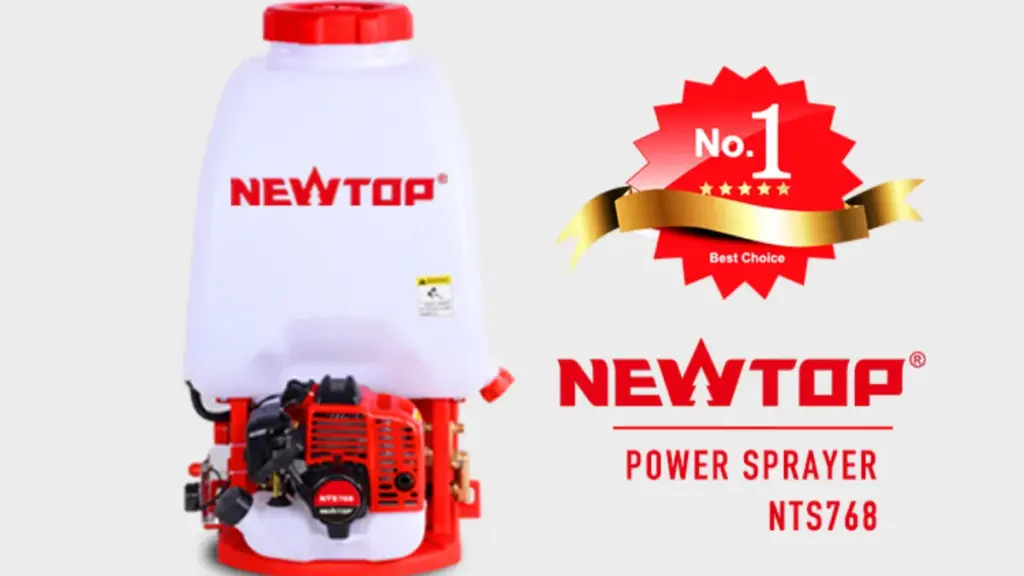
Reliable backpack sprayer reviews are the primary defense against operational downtime and the high cost of wasted chemicals. A single component failure—like a cracked seal or an inconsistent pump—not only brings a job to a standstill but also risks operator safety and misapplication, directly impacting project budgets and client satisfaction.
This guide provides a technical breakdown of current market options, moving beyond marketing claims to compare concrete performance data. We analyze the specifications of battery, manual, and petrol-powered units, identify the most common failure points found in user reports, and detail the methodology used in our own assessments. Use this as your standard operating procedure for evaluating and selecting equipment that meets commercial demands.
Backpack Sprayer Reviews: What to Look for in 2026
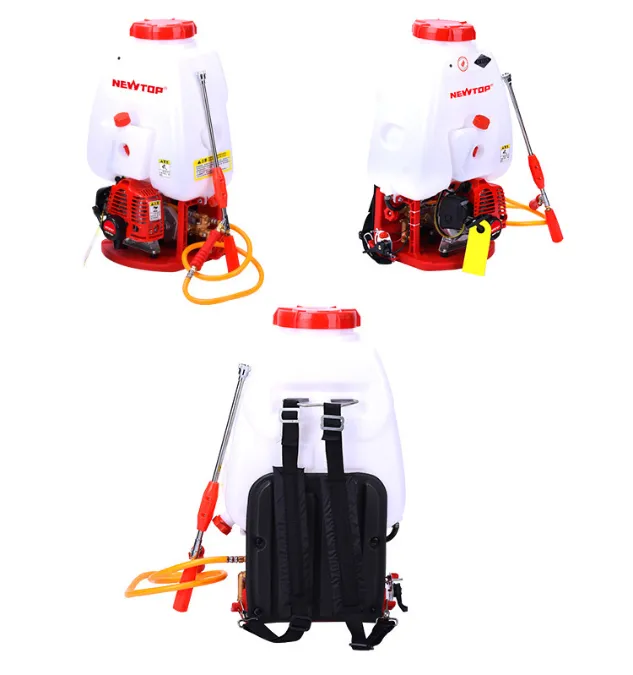
In 2026, selecting the right backpack sprayer comes down to a practical evaluation of its power source, harness comfort, pressure versatility, and tank durability for your specific application.
| Key Feature | Evaluation Criteria | Impact on Performance |
|---|---|---|
| Power Source | Battery-powered for consistent pressure vs. Manual for simplicity and low cost. | Determines application consistency and operator effort required. |
| Ergonomics | Padded, adjustable straps and a load-bearing hip belt. | Directly reduces fatigue and improves productivity during extended use. |
| Pressure & Nozzles | Adjustable pressure settings (PSI) and an included set of versatile nozzles. | Allows for precise application on different targets, from fine misting to targeted streams. |
| Tank Construction | Capacity (4-6.5 gallons) and chemical-resistant materials and seals. | Affects operational uptime and long-term durability against leaks and degradation. |
Power Source: Battery vs. Manual
The primary decision for any buyer is choosing between battery power and manual operation. The market trend is a clear shift toward battery-powered models because they deliver consistent, non-pulsating pressure without physical effort. This consistency is critical for uniform chemical application and achieving professional results. Manual sprayers, while requiring constant pumping, hold their ground due to their simplicity, lower upfront cost, and field serviceability. Your choice depends directly on the job size and your tolerance for physical labor.
- Battery-powered systems are becoming more common for their ease of use, eliminating the need for constant pumping.
- Manual options remain a dependable, budget-friendly choice for smaller properties or less frequent use.
Ergonomics and Harness Design
A full 4-gallon sprayer can weigh over 35 pounds, making ergonomics a non-negotiable feature for anyone using the equipment for more than a few minutes. A poor harness design concentrates weight on the shoulders, leading to rapid operator fatigue and reduced productivity. High-quality sprayers invest in well-padded, fully adjustable shoulder straps and, critically, a load-bearing hip belt. This combination transfers the bulk of the weight from the shoulders to the hips, allowing for comfortable all-day operation.
- Look for sprayers with adjustable, padded shoulder straps to fit your body comfortably.
- A quality harness distributes the weight evenly across your back and shoulders.
Pressure Controls and Nozzle Systems
Effective spraying requires adapting your output to the target. Variable pressure control allows you to switch between a high-pressure stream for reaching distant spots and a low-pressure fine mist for delicate plants or broad-leaf herbicide application. Look for models with an easily accessible pressure adjustment dial. A good sprayer should also come with a set of interchangeable nozzles—typically including fan, cone, and stream patterns. This built-in versatility saves you the cost and effort of sourcing compatible parts separately and ensures you have the right tool for any application.
- Adjustable pressure controls allow you to manage the flow rate for precise application.
- Multiple included nozzles for different spray patterns add significant value.
Tank Capacity and Durability
The tank is the core of the sprayer, and its design dictates both efficiency and lifespan. Capacity, typically 4 to 6.5 gallons, should match your workload; a larger tank reduces trips for refilling but adds weight. More important is the material. The tank, seals, and gaskets must be constructed from chemical-resistant polymers like Viton to prevent them from degrading after exposure to common herbicides and pesticides. This is the primary defense against leaks, which are the most common point of failure in low-quality sprayers.
- Consider a tank capacity that matches your typical workload to avoid unnecessary interruptions.
- Ensure the tank is made from chemical-resistant materials to prevent degradation over time.
Top-Rated Battery Backpack Sprayer Reviews and Comparisons
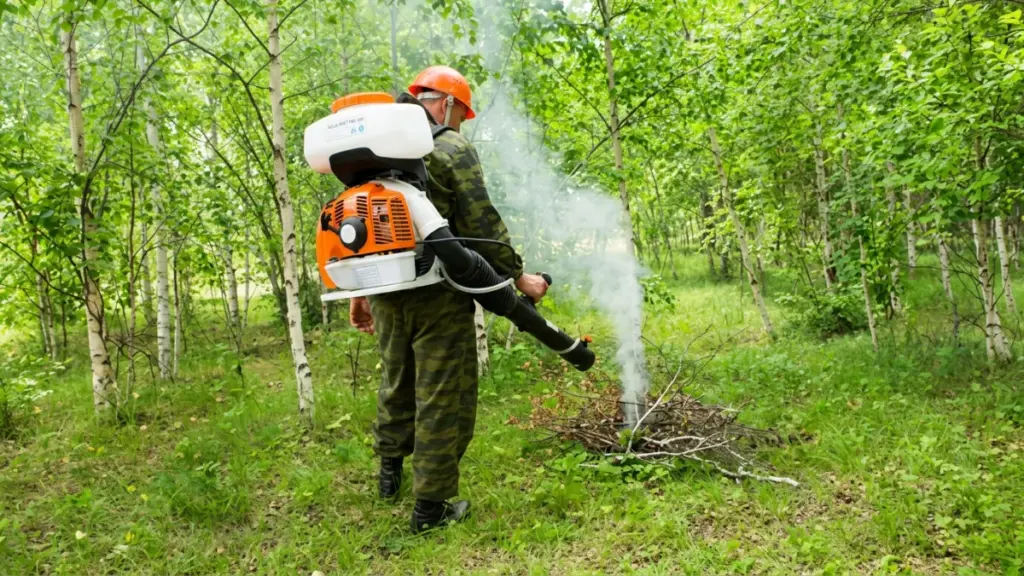
The 2026 battery sprayer market is defined by lightweight lithium-ion systems that deliver 6-8 hours of runtime, combined with ergonomic harnesses designed for all-day professional use.
| Feature | Industry Standard (2026) | Impact on Performance |
|---|---|---|
| Battery Runtime | 6–8 hours (Lithium-Ion) | Supports all-day professional use without recharging. |
| Pressure Range | 40–80 psi | Provides versatility for fine misting and coarse spray patterns. |
| Tank Capacity | 4–6.5 gallons | Balances liquid volume with manageable operator weight. |
| Ergonomics | Padded straps, hip belts, low-profile tanks | Reduces operator fatigue and improves stability. |
Battery Performance and Runtime
The shift to lightweight lithium-ion battery systems is now complete across the industry, rendering older, heavier lead-acid models obsolete. The benchmark for professional-grade equipment is a runtime of 6 to 8 hours of continuous operation on a single charge. This capability is non-negotiable for commercial users, as it allows operators to complete a full day’s work without needing to stop and recharge. Efficient charging systems are also a key evaluation point, as they directly impact workflow and reduce downtime between jobs.
Ergonomics and Operator Comfort
As battery sprayers become standard for all-day use, manufacturers place a heavy focus on reducing operator fatigue. Mid- to professional-tier models now include fully adjustable, padded shoulder straps and load-bearing hip belts to distribute weight away from the shoulders and spine. Low-profile tank designs have also become common, lowering the sprayer’s center of gravity. This design choice improves balance, minimizes side-to-side sway, and reduces the physical strain required to manage the unit during long sessions on uneven terrain.
Pressure Control and Application Versatility
Precise control over application pressure is a critical feature that separates professional equipment from basic consumer models. Most modern battery units operate within a 40-80 psi range, which is sufficient for tasks from fine misting delicate ornamentals to applying herbicides with a coarse spray. Variable pressure switches or dials allow operators to adjust output on the fly, matching the spray pattern to the specific chemical and target. High-quality, chemical-resistant seals are also essential for versatility, ensuring the sprayer can handle a wide range of herbicides, pesticides, and fertilizers without premature component failure.
Tank Capacity and Durability
Tank capacities on battery-powered models have standardized in the 4 to 6.5-gallon range. This volume strikes a practical balance between holding enough liquid to cover a significant area and keeping the total weight manageable for a single operator. Any larger, and the unit becomes too heavy for extended use; any smaller, and the operator wastes too much time on refills. Tank materials are selected for chemical compatibility and impact resistance, ensuring the unit can withstand the daily demands of a professional work environment.
Power Your Business with Reliable Garden Machinery

Manual Backpack Sprayer Reviews: Budget vs. Performance
The primary trade-off in the manual sprayer market is comfort for cost, as most models deliver standardized pressure and capacity regardless of price.
Core Performance: Where Budget Models Compete
Even budget-friendly manual sprayers prioritize essential performance components. Reviews from 2026 show that lower-cost models often feature high-quality pumps and tanks, delivering reliable pressure and capacity comparable to more expensive options. The core spraying function is remarkably consistent across the market, forcing manufacturers to differentiate on other features.
- Pump and tank systems in budget models frequently use durable materials like brass or stainless steel.
- Most manual sprayers, regardless of price, offer a standard performance range of 60–150 psi and 4-gallon capacities.
The Comfort Trade-Off: Harnesses and Ergonomics
The primary difference between budget and performance models is user comfort. Premium sprayers invest in ergonomic designs to reduce operator fatigue during extended use, a feature often minimized in cheaper alternatives to cut costs. For anyone using a sprayer for more than a few minutes at a time, this becomes the most important factor.
- Budget models typically come with minimal, unpadded harness systems.
- Mid-range to premium sprayers feature padded shoulder straps, hip belts, and more ergonomic back support for better weight distribution.
Durability and Features That Justify a Higher Price
Beyond the pump and harness, overall construction quality and innovative add-ons distinguish premium manual sprayers. These elements justify a higher price by improving the sprayer’s longevity and ease of use. Paying more often translates to a longer service life and fewer maintenance issues, especially when working with aggressive chemicals.
- Higher-priced models may use more robust plastics and seals for increased chemical resistance and a longer working life.
- Advanced features like built-in agitators or self-cleaning mechanisms are typically found only in premium-tier sprayers.
Petrol Powered Backpack Sprayer Reviews for Commercial Use

For demanding commercial applications requiring non-stop runtime and consistent high pressure, petrol-powered backpack sprayers maintain their market dominance over battery alternatives.
Power and Consistent Performance
For commercial use in 2026, petrol-powered sprayers remain the preferred choice for tasks requiring sustained power and unwavering pressure. Their engine-driven pumps deliver consistent performance from a full tank to an empty one, a crucial factor for uniform application over large areas. Petrol engines provide high, steady pressure that does not fade as the tank empties. They also offer unlimited runtime as long as fuel is available, eliminating the downtime needed for recharging batteries. This makes them the standard for demanding sectors like agriculture, forestry, and large-scale pest control where efficiency is measured in acres covered per day.
Ergonomics and Operator Fatigue
Manufacturers are focusing on improving operator comfort to offset the inherent weight and vibration of petrol engines. Key advancements in design aim to reduce the physical strain associated with all-day use in professional settings. Modern models feature advanced anti-vibration systems to minimize handle and back vibrations, which directly translates to less operator fatigue. Enhanced harnesses with better padding and strategic weight distribution are now common, helping to improve balance and make handling easier on difficult terrain.
Market Position Against Battery Alternatives
High-performance battery backpack sprayers are gaining popularity for their quiet operation and lower maintenance, but petrol models continue to hold a strong position for heavy-duty commercial work. Raw power is the priority in these scenarios. Petrol sprayers retain a clear advantage for applications requiring maximum spray distance and all-day, non-stop operation. Battery-powered units offer a compelling alternative for standard applications with less noise and zero emissions. The choice between petrol and battery often comes down to the scale and intensity of the job at hand.
Common Complaints Found in Backpack Sprayer User Reviews
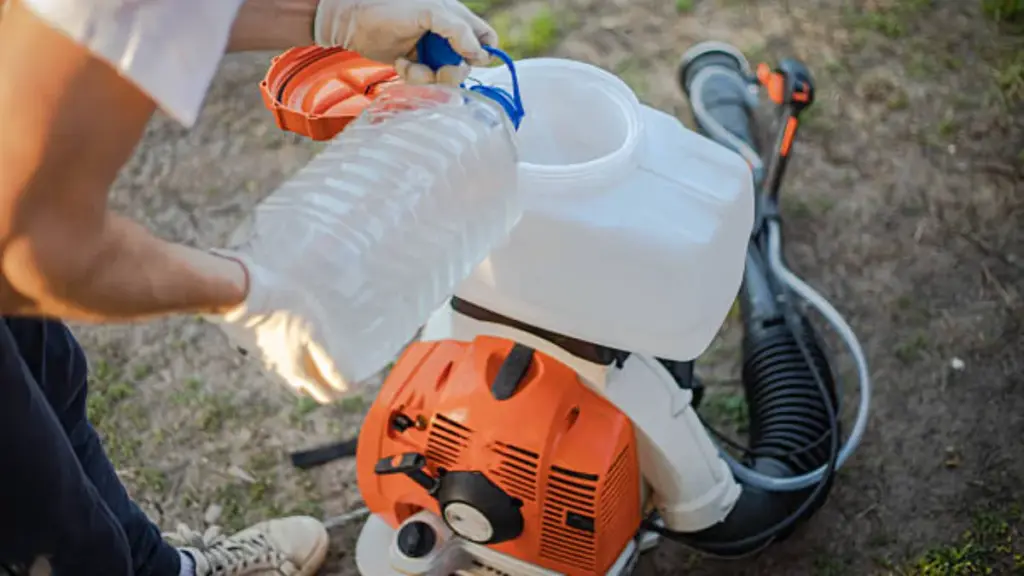
Across both manual and powered models, the most frequent user complaints center on component failures that compromise pressure integrity, such as leaking seals, faulty connections, and worn-out pumps.
| Complaint Category | Primary Cause | Impact on User |
|---|---|---|
| Leaking Components | Degraded or poorly fitted seals on the main lid, pump assembly, and hose connections. | Wasted chemicals, potential skin exposure, and loss of pressure. |
| Pressure Failure | Worn pump seals (especially piston seals) or malfunctioning check valves. | Uneven application, reduced efficiency, and constant re-pumping (manual models). |
| Clogged Nozzles | Inadequate internal filtering allows sediment or undissolved chemicals to block the tip. | Frequent work stoppages for cleaning, inconsistent spray patterns, and poor coverage. |
| Power System Failure | Subpar battery capacity or premature motor burnout in electric models. | Inability to complete large jobs on a single charge; unit becomes inoperable. |
Leaking Tanks and Connections
The most persistent issue found in user feedback is leaking from tank seals and hose connections. These failures are not minor drips; they represent a loss of expensive chemicals, create a safety hazard, and undermine the unit’s ability to hold pressure. Failures often materialize within the first season of use, pointing to low-quality seal materials or poor design tolerances. The primary failure points are consistently the seals around the main lid and the pump assembly, along with hose fittings that loosen or crack under normal operational pressure.
Failure to Maintain Pressure
A sprayer that cannot build or hold pressure is effectively useless. This problem is a major source of user frustration because it directly cripples the machine’s core function, leading to inconsistent application and wasted time. For manual models, it means constant, exhausting re-pumping. The technical cause is almost always traced back to worn-out internal pump seals or a faulty check valve that fails to create a proper vacuum. This issue directly impacts work efficiency and the quality of chemical application.
Clogged Nozzles and Inconsistent Spray Patterns
Users frequently report nozzles that clog easily, forcing them to stop work repeatedly for cleaning. This problem stems from inadequate internal filtration that allows undissolved chemical powders or small debris from the tank to reach the nozzle tip. The outcome is a sputtering, inconsistent spray pattern or a complete blockage. A poorly designed filtration system turns a simple spraying job into a frustrating cycle of stop-and-go maintenance, compromising the quality and uniformity of the application.
Poor Battery Life and Motor Reliability
For battery-powered units, performance and reliability are defined by the power system. A common complaint is that advertised battery life falls short in real-world conditions, forcing operators to recharge in the middle of a large job. Even more significant are reports of premature motor failure, especially in lower-priced models. An unreliable motor or battery renders the sprayer’s advanced features irrelevant and ultimately leads to equipment downtime and replacement costs.
How We Conduct Our Professional Backpack Sprayer Reviews
Our review process prioritizes empirical, field-based testing to validate a sprayer’s real-world durability, pressure consistency, and ergonomic design under professional workloads.
Field Performance and Operational Testing
Our reviews start with real-world operational tests to measure how each sprayer performs across different terrains and with various types of vegetation. This field-based approach allows us to evaluate practical handling, stability, and overall effectiveness in professional landscaping and agricultural settings. We assess performance on both flat and sloped ground to test balance and operator comfort. Sprayers are tested with different liquid consistencies to check for clogging and flow issues, and the evaluation includes usability in tight spaces and around obstacles.
Pressure Consistency and Spray Pattern Uniformity
We analyze the sprayer’s ability to maintain consistent pressure from a full tank to nearly empty. Uniform spray patterns are essential for effective coverage, so we use standardized methods to evaluate droplet distribution and reach for different nozzle types. Pressure is monitored throughout the discharge cycle to identify any significant drops that affect application quality. We also test multiple included nozzles to compare their performance and spray pattern evenness for specific tasks.
Durability and Chemical Compatibility
To simulate long-term professional use, sprayers undergo extended durability assessments. We test their components against common chemicals to ensure the materials, seals, and hoses resist degradation and maintain integrity over time. Critical components like the pump, wand, and seals are inspected after prolonged use simulations. We also test material resistance to a standard set of fertilizers, pesticides, and herbicides, while the frame and harness are checked for structural wear and tear.
Calibration Accuracy and Ergonomic Design
Precision is key in professional applications, so we verify the accuracy of each sprayer’s calibration settings. At the same time, we conduct a thorough ergonomic analysis to rate user comfort, weight distribution, and ease of operation during extended periods of work. We measure output volume to confirm it matches the selected calibration markings. The harness system, back padding, and strap adjustments are evaluated for operator comfort, and we assess how easy it is to fill, clean, and switch out nozzles and other components.
Why NEWTOP Consistently Earns High Ratings From Global Dealers
Global dealers favor NEWTOP sprayers because their petrol-powered models deliver a practical balance of reliable engine performance, durable construction, and ergonomic comfort for professional use.
Reliable Engine Performance
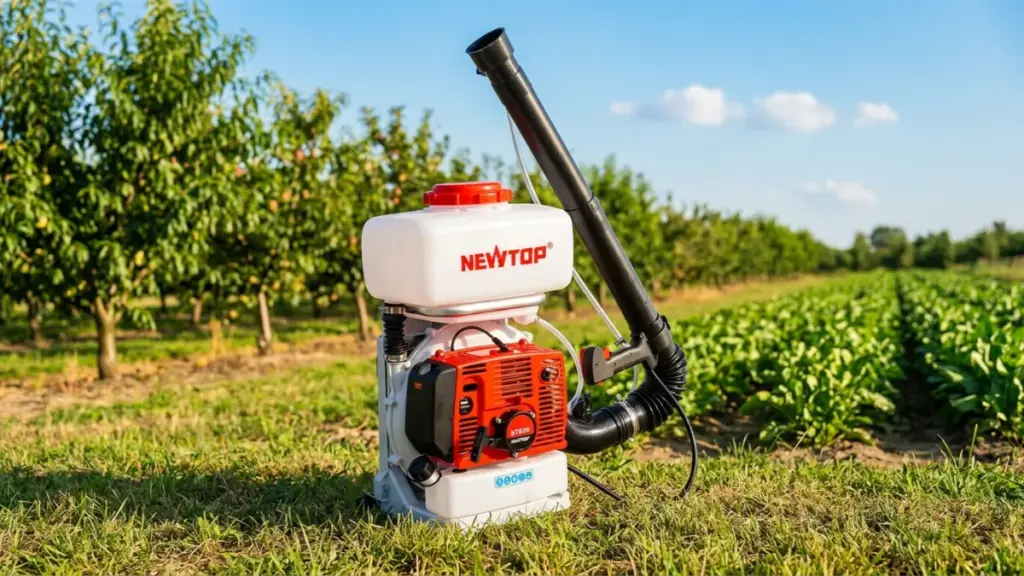
Dealers prioritize equipment that performs without constant adjustments or failures. The NEWTOP NTS768 sprayer uses a 26CC petrol engine engineered for stable operation during long work sessions. This consistent power output ensures the pump maintains steady pressure, which is critical for uniform application in agricultural and pest control settings. An unstable spray pattern wastes chemicals and leads to poor results, so the engine’s reliability is a key factor driving dealer confidence.
Durable and Corrosion-Resistant Build
Professional equipment needs to withstand rough handling and harsh chemicals. NEWTOP sprayers are built with a rugged frame that protects the engine and pump system from job site impacts. The tank is constructed from materials specifically chosen to resist chemical corrosion, extending the sprayer’s service life significantly. This focus on durability reduces warranty claims and service issues, making it a more profitable and reliable product line for dealers to carry.
Ergonomic Design for Operator Comfort
Operator fatigue directly impacts productivity. The NTS768 features an ergonomic design with a backpack harness that distributes weight evenly across the operator’s back and shoulders, reducing physical strain. Its compact structure also improves maneuverability in dense foliage or tight spaces. When users can work comfortably for longer periods, they complete jobs faster and more effectively, a tangible benefit that dealers can highlight to their professional customers.
Efficient Pumping System and Coverage
Performance is measured by coverage and efficiency. The NTS768’s high-efficiency pump atomizes liquids into a fine, consistent mist, ensuring thorough plant coverage while minimizing chemical waste. With a horizontal reach of up to 15 meters, operators can treat large areas without constantly repositioning. The 25-liter tank offers a good balance between capacity and weight, allowing for substantial work between refills without being overly burdensome. This combination of reach, efficiency, and capacity makes it a highly practical tool for large-scale tasks.
Conclusion
Choosing the right backpack sprayer requires looking beyond star ratings to analyze performance specs and common failure points. By comparing manual, battery, and petrol models against your specific application, you can find a reliable tool that fits your budget and workflow. This technical approach helps you invest in equipment built for longevity and consistent performance.
If your current equipment is underperforming, our team can provide a full catalog of NEWTOP sprayers designed to address these issues. Contact us to discuss your needs or to request a sample for evaluation.
Frequently Asked Questions
Which backpack sprayer has the best reviews for 2026?
The Chapin ProSeries 97900B consistently earns top reviews for its advanced lithium-ion performance and ergonomic harness. Its digital pressure control system offers precise application, minimizing waste and user fatigue. Users praise its durability and self-cleaning mechanism, making it a leading choice for both professionals and serious homeowners seeking reliability and comfort.
Are battery backpack sprayer reviews reliable?
Yes, battery backpack sprayer reviews are reliable when sourced correctly. Professional reviews excel at benchmarking performance metrics like battery life and pressure consistency. User reviews on verified purchase platforms provide crucial insights into long-term durability and real-world comfort. Cross-referencing both types gives the most accurate assessment of a sprayer’s quality and value.
What is the most common failure in backpack sprayers?
The most common failure is the internal pump seal or piston cup, which degrades from chemical exposure and wear. This leads to a loss of pressure and leaking. For battery models, pump motor burnout and switch failures are also frequent issues. Regular cleaning and using manufacturer-approved seal conditioners can significantly extend the sprayer’s lifespan.
How do professional reviews compare to user reviews?
Professional reviews focus on objective performance data, using controlled tests for pressure accuracy, battery runtime, and nozzle spray patterns. User reviews offer subjective, real-world feedback on long-term durability, ergonomic comfort, and customer service experiences. Professionals test the specs, while users test the sprayer’s endurance and practicality over time.
Which brand has the best rated backpack sprayer for farms?
Field King is consistently rated as the best brand for farm use, specifically with its Max-Agri 190515 series. These models feature heavy-duty seals resistant to aggressive agricultural chemicals and a robust internal pump designed for high-volume daily use. Their ergonomic steel frames and 5-gallon tank capacity are optimized for covering large acreage efficiently.
Are manual backpack sprayers still worth buying?
Yes, manual backpack sprayers are still worth buying for their reliability and cost-effectiveness. They are lighter, have fewer failure points than battery models, and require no charging. For smaller properties, spot treatments, or users on a tight budget, a high-quality manual sprayer offers excellent value and control without the complexity of powered systems.