“Can I put my brand on this?” и “can you build a machine to my spec?” sound like variations of the same question. They are not — they lead to different tooling investments, different minimums, different lead times, and very different certification obligations. This guide separates OEM from ODM as they actually work on outdoor power equipment lines, so you can pick the right level of customization before the development clock starts running.
The one-paragraph version: OEM means the manufacturer customizes an existing, already-certified platform for your brand — logo, colors, упаковка, model naming — while the machine underneath stays proven. ODM means the manufacturer develops or substantially modifies the product for you: new engineering, new molds, new testing, and a certification process that starts closer to zero. Most distributors should start with OEM. Some genuinely need ODM. The expensive mistake is choosing ODM when OEM would have carried the brand just as far.
OEM and ODM in Plain Terms
| Dimension | OEM — customize an existing platform | ODM — develop or modify the product |
|---|---|---|
| Basis | Proven, already-certified model | New engineering or substantial modification |
| Typical changes | Logo, colors, упаковка, руководство, model naming | Engine config, эргономика, new housings, new molds |
| Сертификация | Rides on existing certificates for the configuration | New testing and certification cycle for the changed product |
| минимальный заказ | Standard model minimums | Multiples of standard — tooling must amortize |
| Lead time | Production schedule | Development + testing + certification, then production |
| Best fit | Brand building on proven hardware | Product differentiation the catalog cannot offer |
What OEM Means on an Outdoor Power Equipment Line
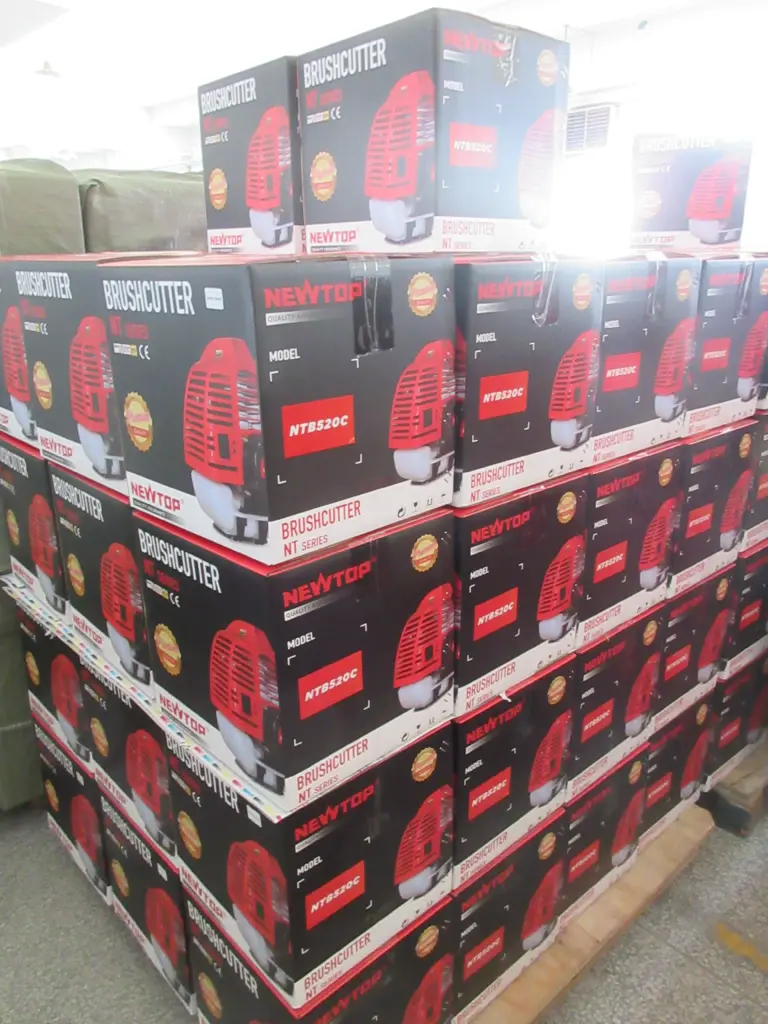
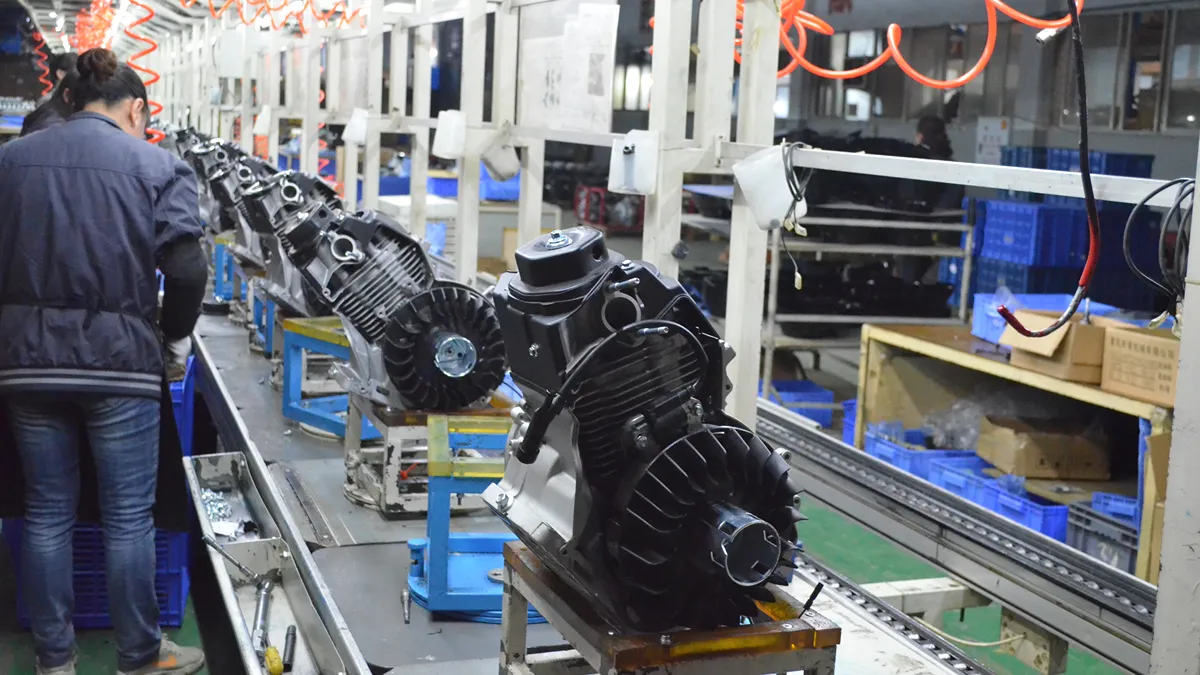
OEM is how most private-label outdoor power equipment actually gets made, and it is faster than buyers expect because the hard work already exists. The platform — engine, housing, cutting system, safety features — is in production, certified, and proven across a fleet of units in real markets. Your program adds the brand layer: your logo on the housing and packaging, your color scheme where the process allows, your model naming, your manual, your warranty card. On an established line this is a production-planning exercise, not an engineering project, which is why an OEM first order can ship on the same timeline as a factory-branded one.
The discipline OEM demands is choosing the right platform, not designing one. A distributor selling to smallholder farmers should not private-label the same machine as a municipal landscaping contractor, no matter how good the logo looks on both. Start from the market’s duty cycle, then pick the certified platform that matches it.
What ODM Changes — and What It Costs You
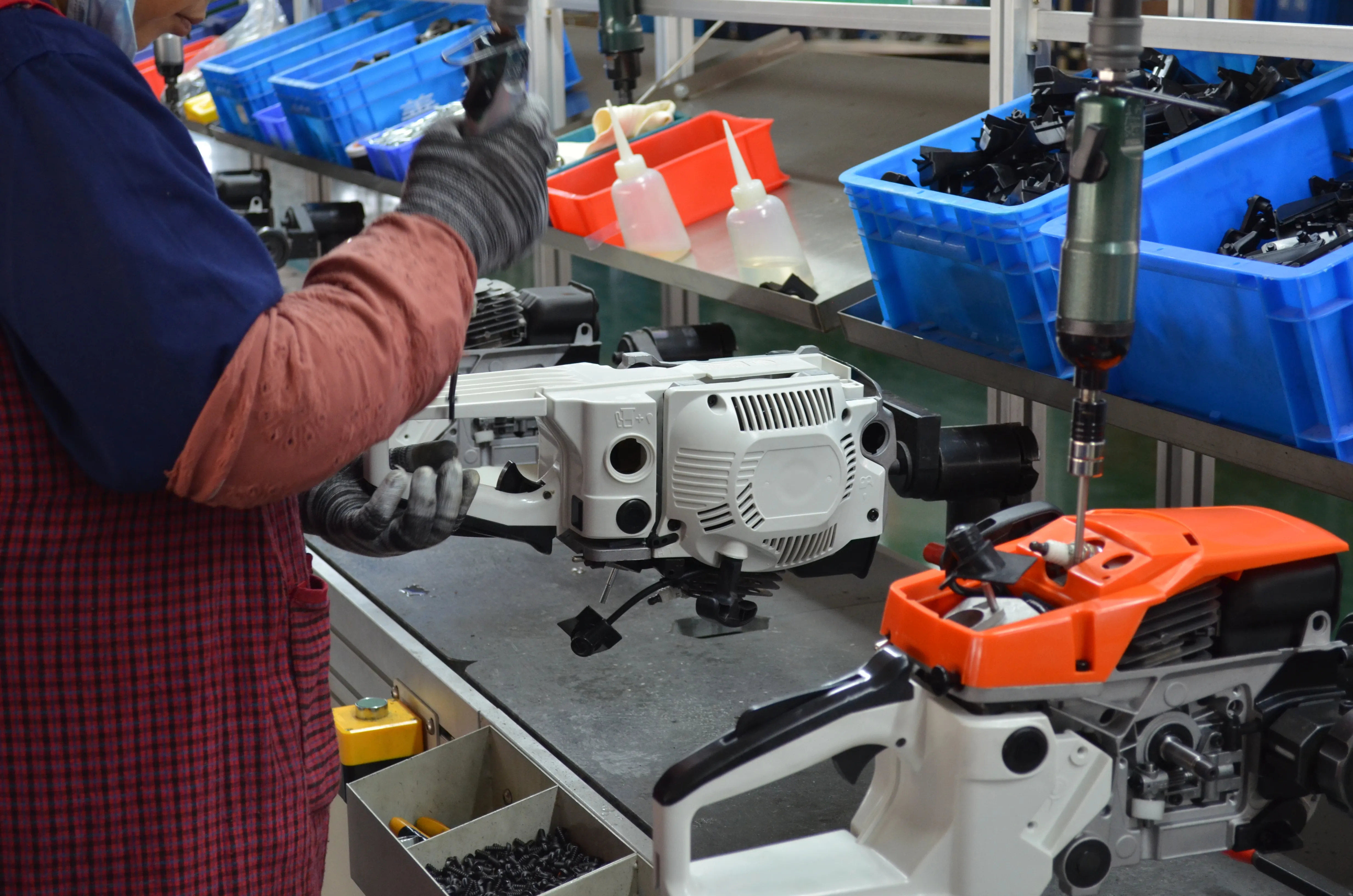
ODM is the right answer when the market needs something the existing catalog cannot offer: a different engine configuration for local fuel quality, an extended pole reach, a housing redesign for a specific duty cycle, or a feature combination no platform carries. What it costs is schedule and certainty. Engineering changes ripple — a new housing means new molds, a modified engine configuration means new testing, and any change that moves the product outside its certified configuration triggers a new certification cycle before the product can enter regulated markets.
Budget ODM programs in phases, not in a single lead-time promise: development and sampling, then testing and certification, then pilot production, then volume. Distributors who plan this way treat the ODM project as a product launch with a budget; distributors who do not treat it as a delayed OEM order and are disappointed by both the timeline and the invoice.
The Certification Question Most Buyers Discover Too Late
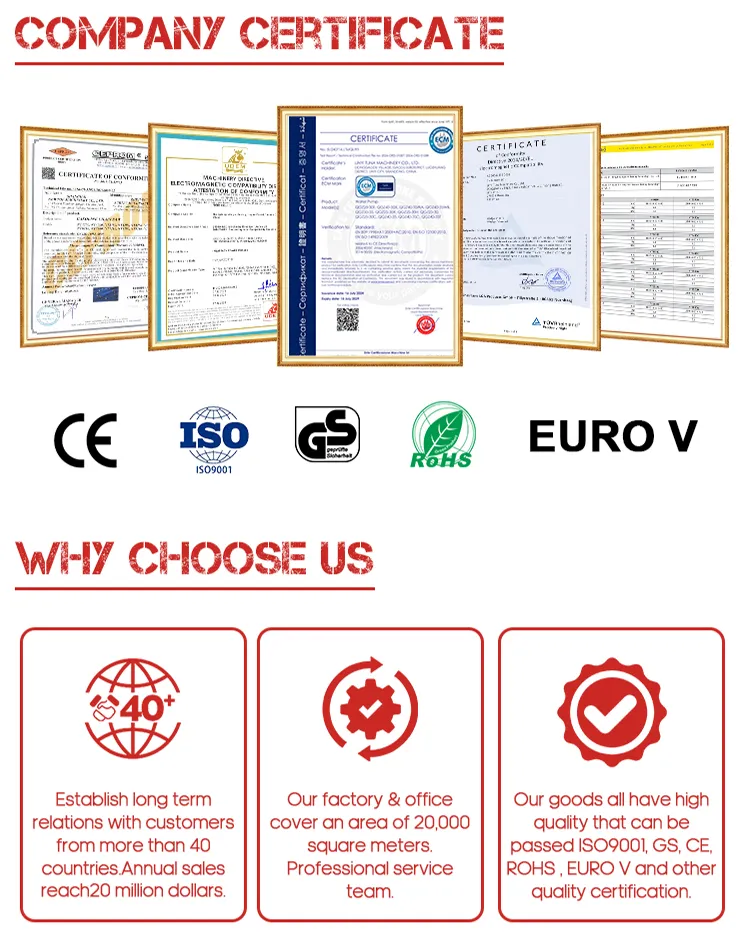
Here is the question that separates smooth OEM programs from painful ones: whose certificate covers the machine you ship? On an OEM program, the answer is the factory’s — the existing certificates cover the platform configuration, and your branding does not change the hardware. The documentation set should still be updated so your brand, model names, and the responsible economic operator are consistent for your market, and a transparent manufacturer handles that as part of the program.
On an ODM program, the changed configuration needs its own testing and certificates, and that cost and timeline belong in the project budget from day one. This is exactly why we tell buyers to confirm certificate scope per model before development starts — you can review what a documented portfolio looks like on our certificates and patents page. A distributor in a regulated market who skips this step is not customizing a product; they are pre-ordering a compliance problem.
MOQ and Tooling Economics
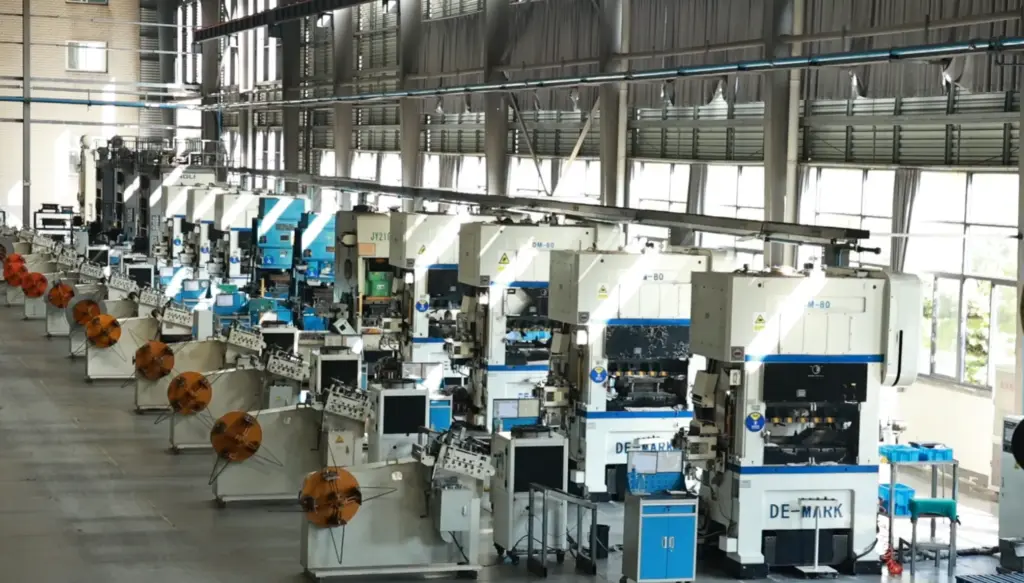
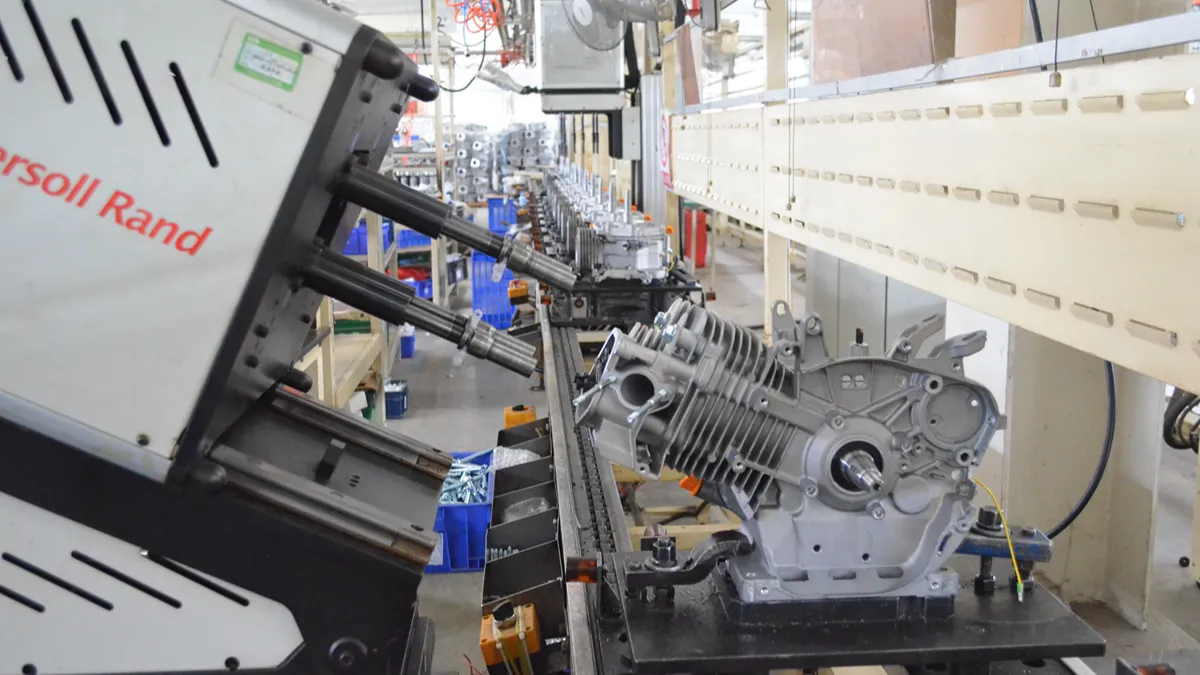
The MOQ gap between OEM and ODM is not a sales tactic — it is arithmetic. OEM rides on volumes the factory already produces, so your minimum is close to the model’s standard MOQ. ODM adds tooling that must amortize across your order: molds, fixtures, test setup, and certification fees are largely fixed costs, and they land on the first container unless the agreement spreads them. That is why ODM minimums run at multiples of OEM minimums for the same product category.
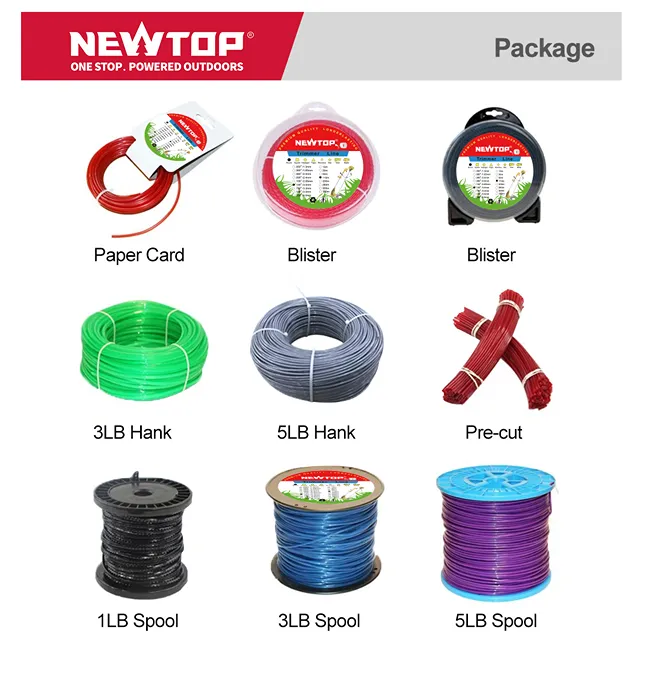
The pragmatic path for most distributors is staged: launch the brand with OEM on certified platforms, learn what the market actually asks for, and commission ODM development for the one or two models where differentiation pays for the tooling. Packaging is the middle ground — a fully custom color box and branded manual are OEM-level costs with ODM-level brand impact.
When to Choose Which: A Decision Framework
| Your situation | Better fit | Почему |
|---|---|---|
| Entering a new market with an untested brand | OEM on certified platforms | Speed and proven hardware while demand is still a hypothesis |
| Established demand and brand equity in-market | ODM for differentiating models | Volume exists to amortize tooling; margin justifies development |
| First container headed to a regulated market | OEM, strictly | Existing certificates de-risk market entry paperwork |
| A feature combination no platform offers | ODM | The differentiation is the reason the tooling is worth it |
| Small first order, brand ambition intact | OEM with custom packaging | Brand presence now; hardware upgrade later |
How NEWTOP Runs OEM and ODM Programs
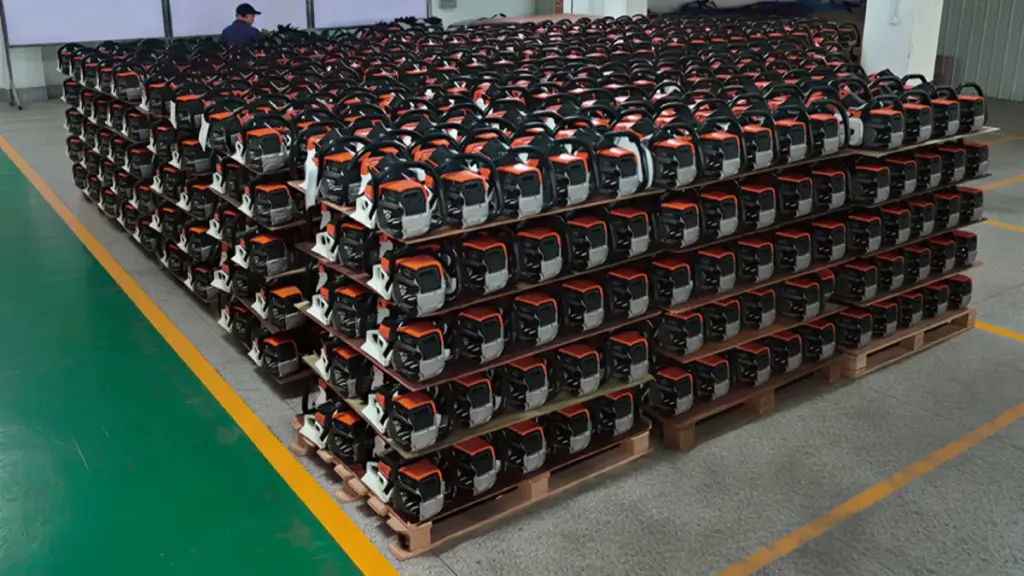
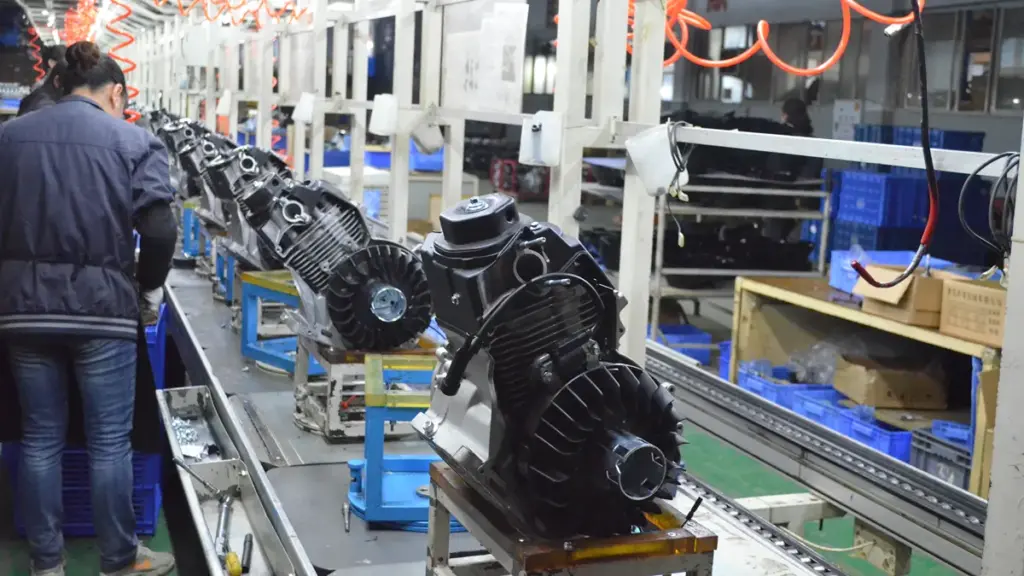
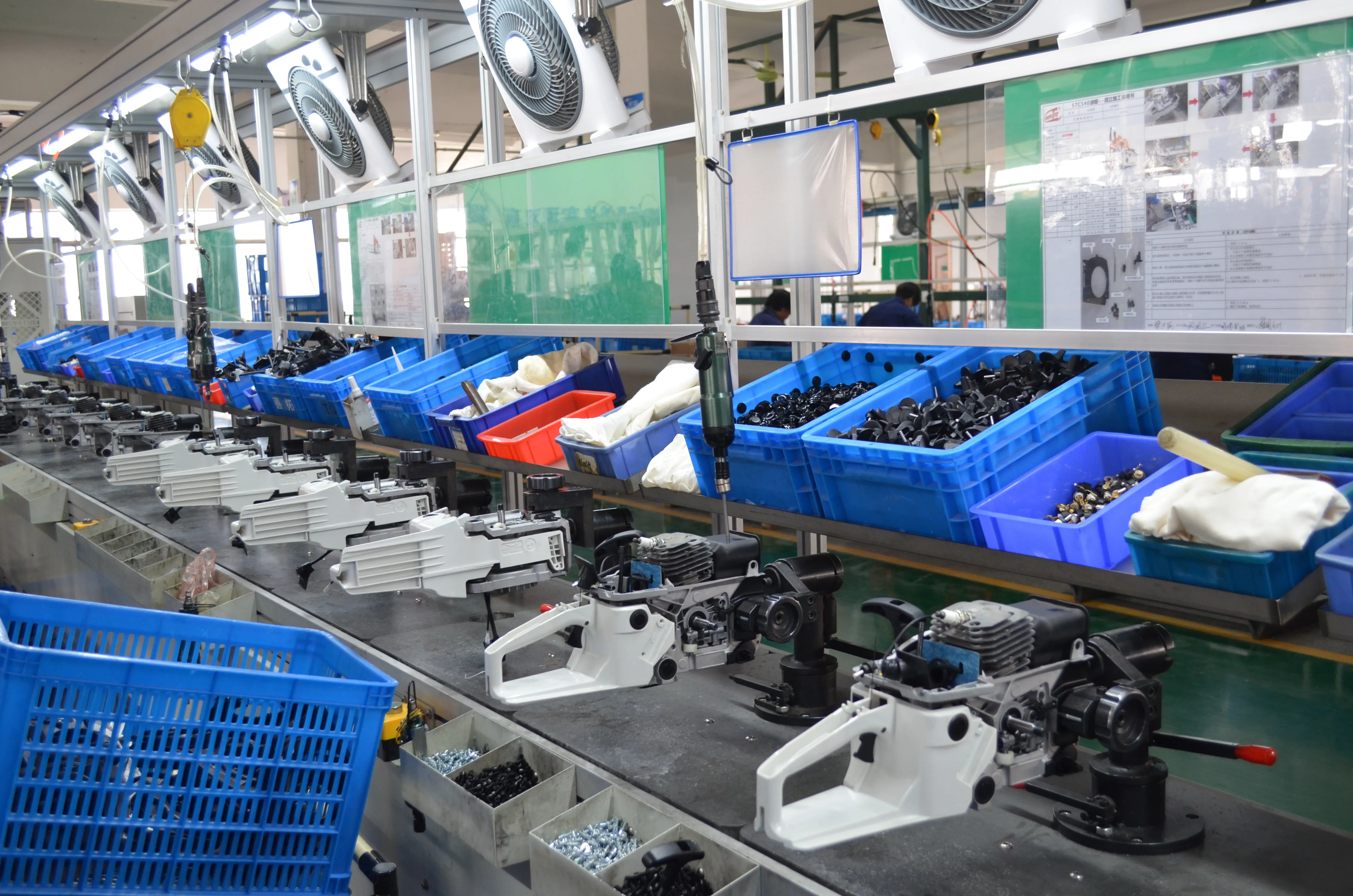
Customized and private-label work is the majority of our order book — OEM programs run on our certified chainsaw, кусторез, распылитель, water pump, and generator platforms, and ODM projects go through our own engineering and tooling for buyers whose markets need configurations the catalog does not carry. Running our own NEWTOP and CRAFTOP brands keeps us honest about both sides of the table: we develop platforms the same way we develop them for partners, and a program that would not survive under our own brand does not get proposed under yours. If you are weighing a private-label launch, our distributor program page describes how the documentation and brand setup work — and our guide on choosing among distribution-oriented manufacturers covers the questions to ask any factory you evaluate.
Часто задаваемые вопросы
Can I put my own brand logo on certified models?
Yes — that is standard OEM practice. The logo, colors, упаковка, and manuals change while the certified platform underneath stays proven. The documentation set is updated so your branding and the responsible parties are consistent for your market.
Who owns the molds and tooling in an ODM project?
Whatever the contract says — so negotiate it before development starts. Обычно, buyer-funded tooling is buyer property with contractual access, which protects your program if you later move production. Put ownership, access, and transfer terms in the development agreement.
How much higher are ODM minimums than OEM?
Usually multiples of the standard model minimum, because tooling, fixtures, and certification costs amortize across the order volume. Ask the supplier to state the MOQ per configuration in writing, including what happens to the minimum if you split colors or packaging versions.
What happens to certification if I only change the color and packaging?
Cosmetic changes normally stay inside the certified configuration, so the certificates remain valid. The product markings must still follow the certification rules, and the Declaration of Conformity should reflect the shipped configuration — confirm both with the supplier before production.
Can I mix OEM and ODM in the same program?
Да, and most mature programs do: OEM platforms for the core range, ODM development for the one or two models where differentiation pays for the tooling. Decide per model, not per brand — the framework holds line by line.
OEM versus ODM is not a philosophy debate — it is a scheduling and budgeting decision. Choose OEM when proven hardware carries your brand far enough, commission ODM when the market rewards a configuration nobody else ships, and put the certification scope in writing before either one starts.
Planning a private-label program? Browse the platforms available for OEM programs or talk to our team about your market and volume — we will tell you honestly whether your idea is an OEM order or an ODM project.