The outdoor power equipment market in Latin America serves a mix of agricultural businesses, livestock operations, municipal teams, dealers and household users. Their purchasing needs vary by country, application and budget. For importers and distributors, understanding these differences helps determine which machines to stock, which spare parts to carry and what documentation to request before placing an order.
This guide examines the main demand drivers, differences between national markets, distribution channels and key sourcing considerations. It also explains how NEWTOP works with regional partners and what importers should verify when evaluating an outdoor power equipment supplier.
What to Take From This Overview
- Treat the region as a set of national demand structures, because farm, livestock, municipal and household customers buy different machines.
- World Bank projections put regional GDP growth at 2.2% for 2026, with faster-growing countries at 3% to 4%, so growth is uneven across the region.
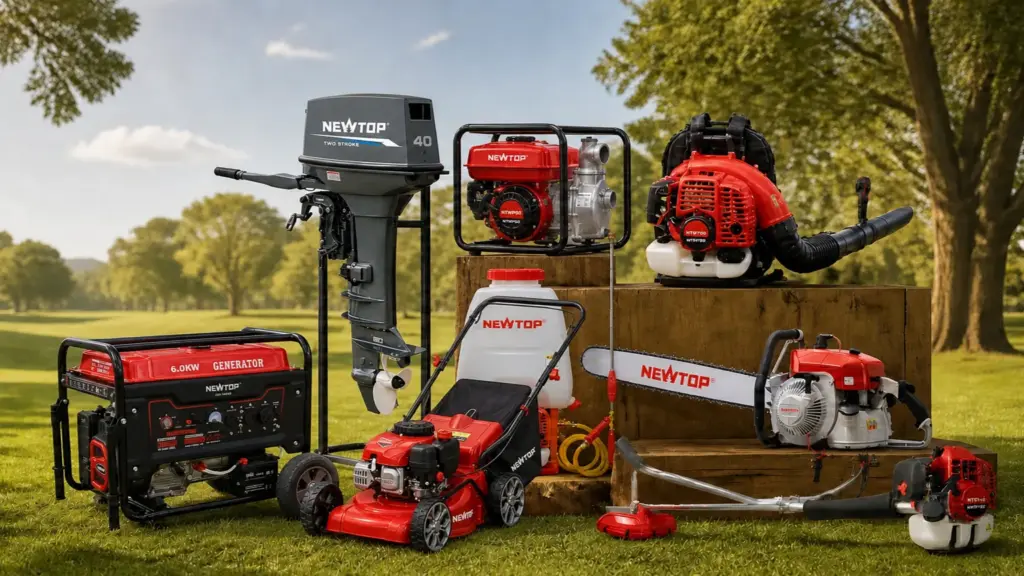
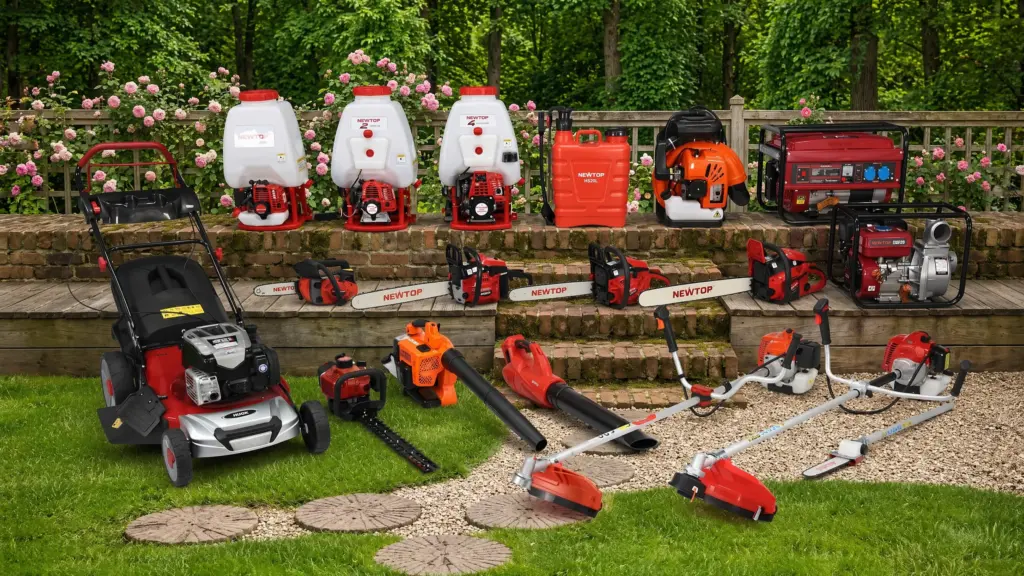
- Working machines lead demand: brush cutters, chainsaws, sprayers, water pumps, generators and outboard engines.
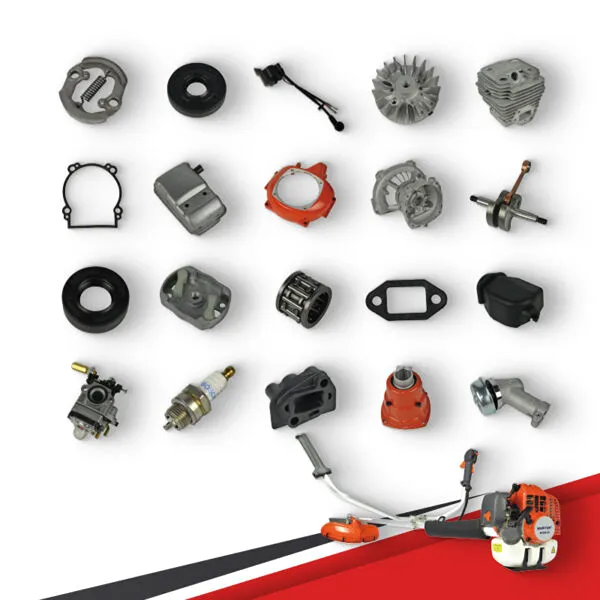
- Parts availability and after-sales support affect repeat business, so plan a parts program alongside the machines from the start.
- According to the supplied company information, NEWTOP has shipped to 65 countries since 2003 and counts South America among its main regions. Its reported order mix runs roughly 60% OEM, 30% brand agents and 10% tenders.
What Drives Equipment Demand Across Latin America
Several applications support demand for outdoor power equipment across the region:
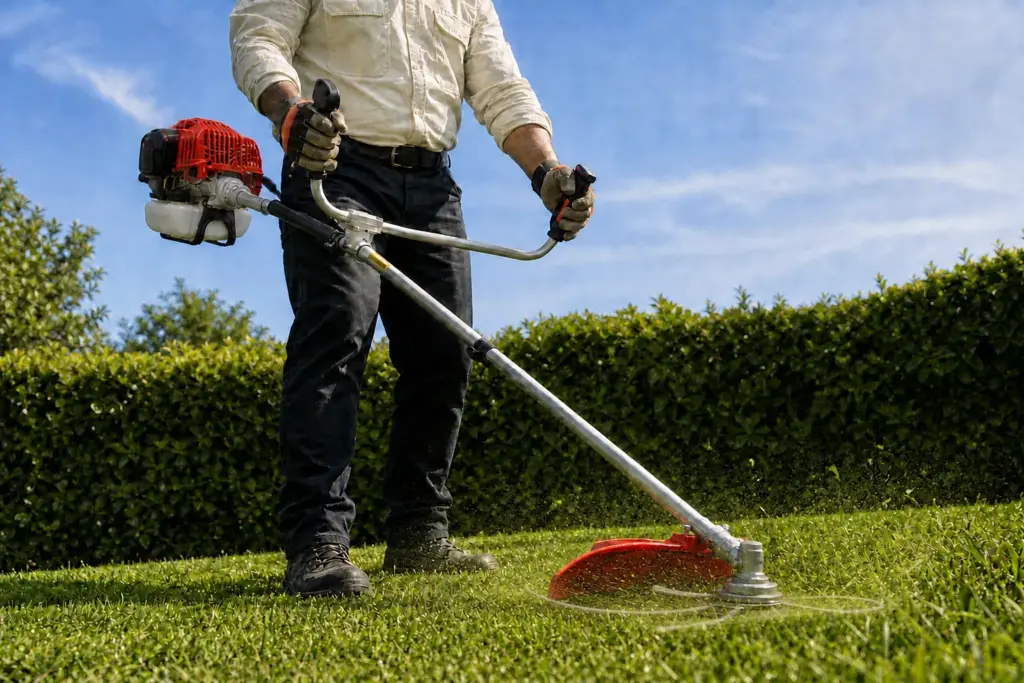
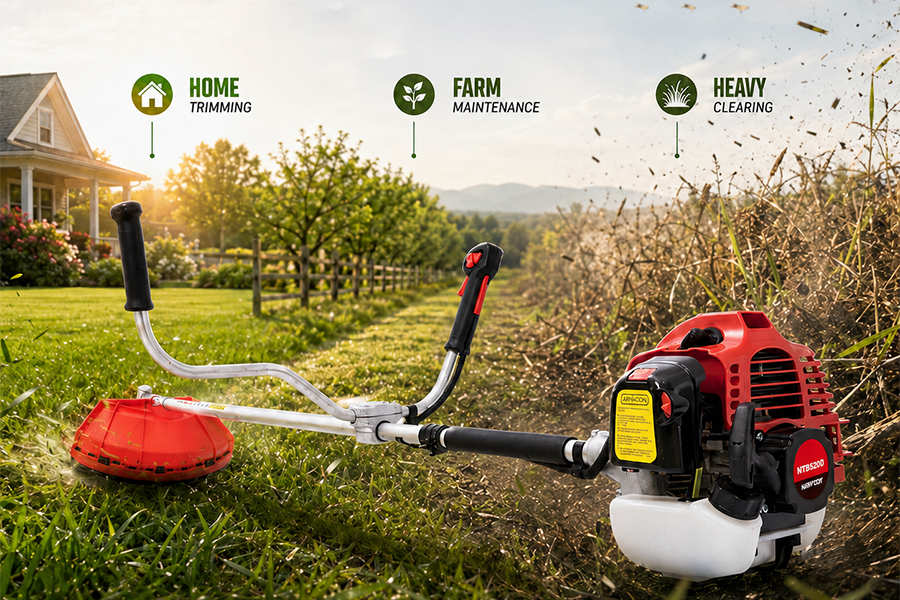
- Agriculture: Farms and agricultural contractors may need brush cutters, chainsaws, sprayers, water pumps and other equipment for day-to-day work.
- Livestock and land management: Ranches and large properties can require tools for clearing vegetation, maintaining boundaries and managing overgrown areas.
- Municipal maintenance: Contractors and public-service teams may use brush cutters, chainsaws and sprayers to maintain roadsides, parks and public spaces.
- Household and small-business use: Smaller operators often look for practical equipment that is easy to operate, maintain and repair.
- River and coastal operations: In suitable locations, outboard engines and related spare parts may serve fishing, transport and other water-based activities.
The Food and Agriculture Organization (FAO) has identified investment opportunities in Latin American and Caribbean agrifood systems. These figures provide broader context for agricultural investment, but they should not be treated as a direct forecast of outdoor power equipment sales. Buyers still need to assess local demand, competing products and the purchasing power of their intended customers.
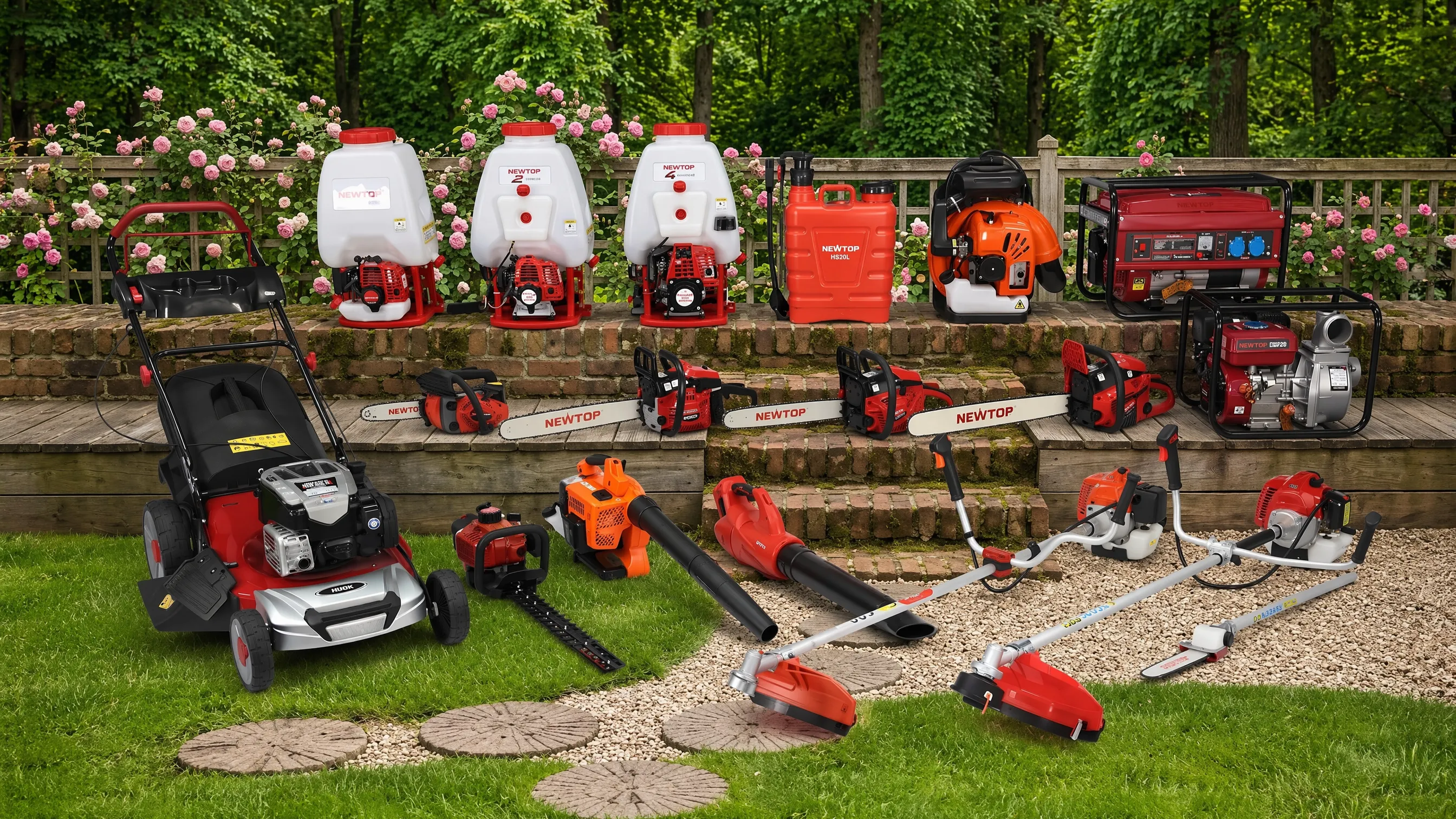
Municipal teams buy hand-held trimming and sawing equipment for parks, roadsides and public grounds. Household customers buy smaller machines in lower volumes per ticket, but their purchases continue between the larger seasonal orders.
How Demand Differs by Country and Customer Segment
The World Bank projects regional GDP growth of 2.2% in 2026 for Latin America and the Caribbean, with the faster-growing countries expanding at 3% to 4%. Growth at different speeds across countries means the outdoor power equipment market should be read country by country rather than as one regional total.
Country-Specific Considerations
Brazil: Agricultural operations and equipment utilization
Brazil’s agricultural sector includes large-scale commercial operations as well as smaller farms. For suppliers serving commercial customers, equipment utilization, maintenance requirements and replacement-part availability are useful factors to investigate. Importers should validate demand by application and customer type instead of assuming that agricultural scale automatically translates into sales for every equipment category.
Mexico: Distribution and cross-border supply considerations
Mexico’s distribution networks operate within a North American commercial environment. Importers should examine existing dealer coverage, competing product ranges, freight arrangements and customer expectations before setting prices or selecting a product mix. These are factors to validate with local partners, not substitutes for country-specific sales data.
Venezuela: Outboard engines and replacement parts
River and coastal economies add a marine segment. In Venezuela, boats move people and goods along rivers, so outboard engines and their parts are working equipment. Our order file reflects this pattern: the company reports an outboard motor spare parts order from a Venezuelan distributor worth more than 80,000 US dollars, placed after a factory visit.
Product Needs by Customer Segment
Customer type also affects which products and spare parts an importer should prioritize.
| Customer Segment | Potential Equipment Needs | Purchasing Considerations |
|---|---|---|
| Farms and agricultural contractors | Brush cutters, sprayers, water pumps and chainsaws | Working conditions, usage frequency, maintenance and parts availability |
| Livestock and land management operations | Brush cutters, chainsaws and suitable clearing equipment | Vegetation conditions, operating hours and replacement components |
| Municipal maintenance teams | Brush cutters and equipment for grounds maintenance | Seasonal schedules, serviceability and fleet maintenance |
| Household and small-business users | Entry-level brush cutters, chainsaws and sprayers | Purchase price, ease of use and basic service support |
| River and coastal operators | Outboard engines and related spare parts | Engine specifications, application requirements and parts compatibility |
How the Dealer Channel Works in Practice
Outdoor power equipment commonly moves from manufacturers to importers or regional distributors, then to local dealers and end users. The exact structure depends on the country and the type of business you run. Some partners import products for resale under their own brands, while others represent an established brand or supply equipment to specific customers.
At NEWTOP, we work with different types of partners and understand that each has its own priorities. If you are building your own brand, our OEM service can help you source products for your market. If you are developing a distribution business, we can discuss a product range that fits your customers and sales plans.
Before placing an order, it is worth discussing a few practical points:
- Brand agency or OEM sourcing: Be clear about whether you plan to sell under your own brand, represent a supplier’s brand or combine different product lines.
- Spare parts and after-sales support: Ask which parts are available, how replacement orders are handled and what warranty support applies.
- Trial orders: If you are entering a new category, a smaller initial order may help you assess product suitability and customer response before expanding.
- Delivery schedules: Plan orders around your selling season and allow time for production, shipping and import procedures.
We prefer to understand your target customers and business plans before discussing products and quantities. This helps both sides start with clearer expectations.
What Should Importers Verify Before Entering the Market?
Before choosing a supplier, review the product specifications, required documents, order terms and after-sales arrangements. Requirements can differ by product and destination country, so confirm them for the specific equipment you intend to import.
| What to verify | Line to put to the supplier | Why the line matters |
|---|---|---|
| Demand evidence | Which customer groups already buy in the target state or province | Stock planning depends on naming the customer groups behind local demand |
| Product fit | Which displacement classes and duty ratings run in the local fleet | Machines and parts should match what is already in the field |
| Certification | Which certificates name the exact products on your order | NEWTOP’s supplied information lists CE, GS, EURO II, EPA, ETL and RoHS under ISO9001 and ISO14001; confirm coverage per product |
| Parts program | How fast spare parts ship and what minimums apply | Parts availability affects repeat business at the counter |
| Warranty | What the machine warranty and the core parts warranty cover | Reported as one year for machines and six months for core parts |
| Lead times | Sample and container lead times set against your season | Reported as 7 to 10 days for samples and about 30 days for containers |
| Price positioning | Where the range sits against premium and entry lines | Mid-market positioning is stated in the supplied company information |
Terms marked as reported come from NEWTOP’s supplied company information. Confirm current certificate coverage, warranty terms and lead times for your specific order before ordering.
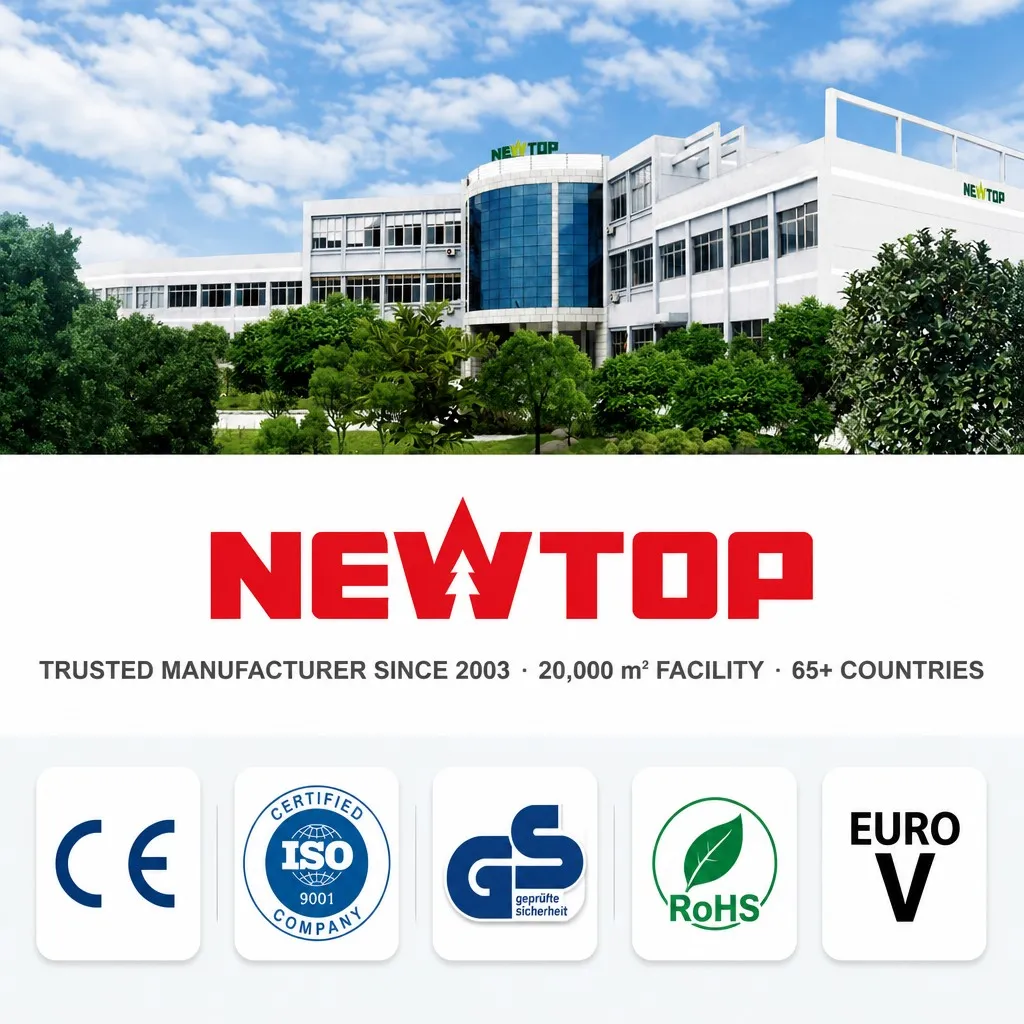
NEWTOP’s company information includes certifications and standards such as CE, GS, EURO II, EPA, ETL and RoHS, as well as ISO 9001 and ISO 14001. Applicable documentation depends on the product and destination market, so please confirm the requirements with us before ordering.
Our stated warranty terms are one year for complete machines and six months for core components. Sample orders can generally be dispatched within 7–10 days after payment, while a full-container order takes around 30 days to prepare. Actual timing should be confirmed for the selected products and order.
Why Source Outdoor Power Equipment From NEWTOP
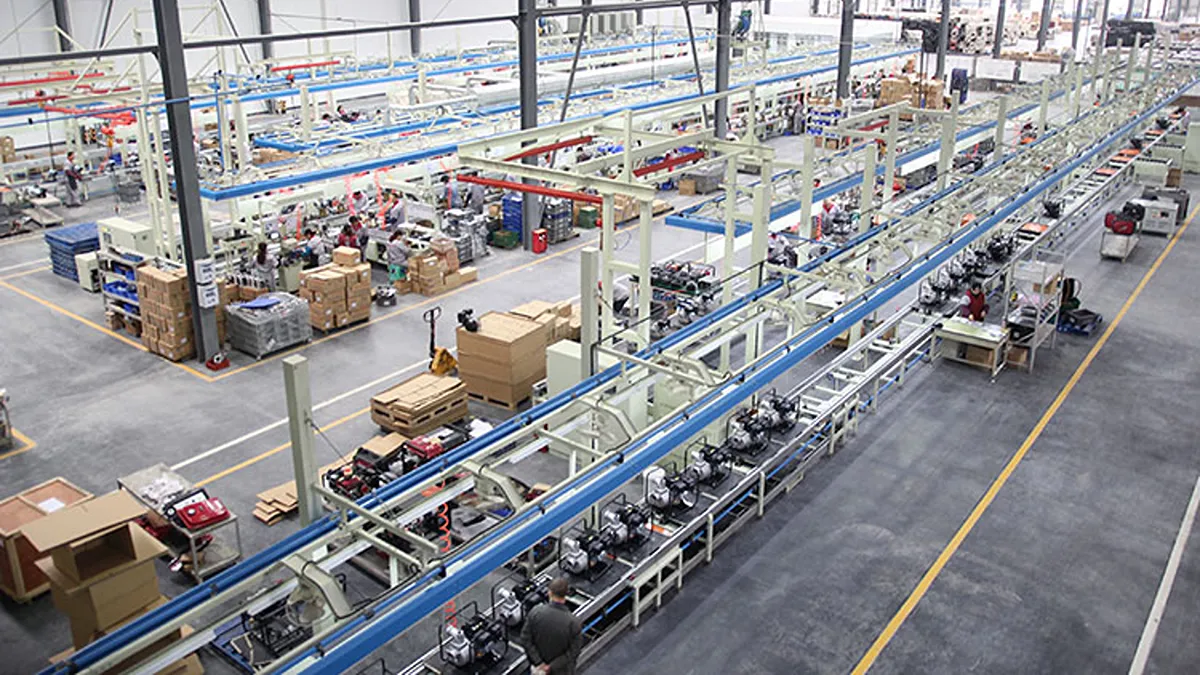
We have manufactured outdoor power equipment since 2003 and shipped products to customers in 65 countries. Our factory covers more than 10,000 square meters, with annual production capacity exceeding 500,000 units. Our team includes more than 300 employees, including 50 R&D engineers.
Our product range includes brush cutters, chainsaws, sprayers, generators, water pumps, outboard engines and related equipment. We also pay attention to the components used in our products, with suppliers including Walbro for carburetors, NGK for spark plugs, NSK for bearings and Oregon for chains.
We know that choosing a supplier involves more than comparing unit prices. Product consistency, quality checks, spare parts availability, warranty terms and delivery schedules all affect your ability to serve customers. We discuss these details with prospective partners so they can assess whether our products and supply arrangements suit their business.
Our cooperation models include OEM sourcing and partnerships with brand agents and distributors. The right starting point depends on your target country, customer profile and product requirements. We can discuss these factors with you before moving on to a product shortlist or quotation.
Frequently Asked Questions
Is Latin America One Outdoor Power Equipment Market?
No. Product demand, pricing, import requirements and distribution channels vary by country. Importers should research their target market and customer segment before selecting products.
Which Outdoor Power Equipment Should I Import First?
Start with the applications and customers you know best. Brush cutters, chainsaws, sprayers and water pumps may suit different agricultural, commercial or household needs, but local demand and price expectations should guide your final selection.
Should I Start With Machines or Spare Parts?
That depends on your current business and customer base. Machines may help you develop a product category, while spare parts can support existing equipment users and after-sales services. Consider your customers’ needs, available inventory and service capabilities before deciding.
Which Certifications Do I Need to Import Outdoor Power Equipment?
Requirements depend on the product and destination country. Confirm the applicable standards and import documents with the relevant authorities or your customs partner, then ask the supplier to provide the appropriate documentation.
How Can I Work With NEWTOP as a Regional Distributor or OEM Buyer?
Share your target market, customer profile and product interests with us. We can discuss OEM sourcing or distributor cooperation, then review suitable products, order requirements and next steps based on your business plans.