When farmers talk about spray performance, they often focus on pump pressure, tank capacity, or engine power. In reality, the small component at the end of the lance—the nozzle—has the greatest influence on how chemicals are distributed, how much drift occurs, and how effective the treatment will be.
Understanding different knapsack sprayer nozzle types is essential if you want better weed control, healthier crops, and lower chemical waste. Whether you operate a few hectares or manage large-scale agriculture, choosing the right spray tip directly affects droplet size, spray pattern, coverage uniformity, and overall efficiency.
on.
This guide explains how knapsack sprayer nozzles work, the major types available, and how to select the right one for your application.
What Is a Knapsack Sprayer Nozzle and Why It Affects Spray Performance
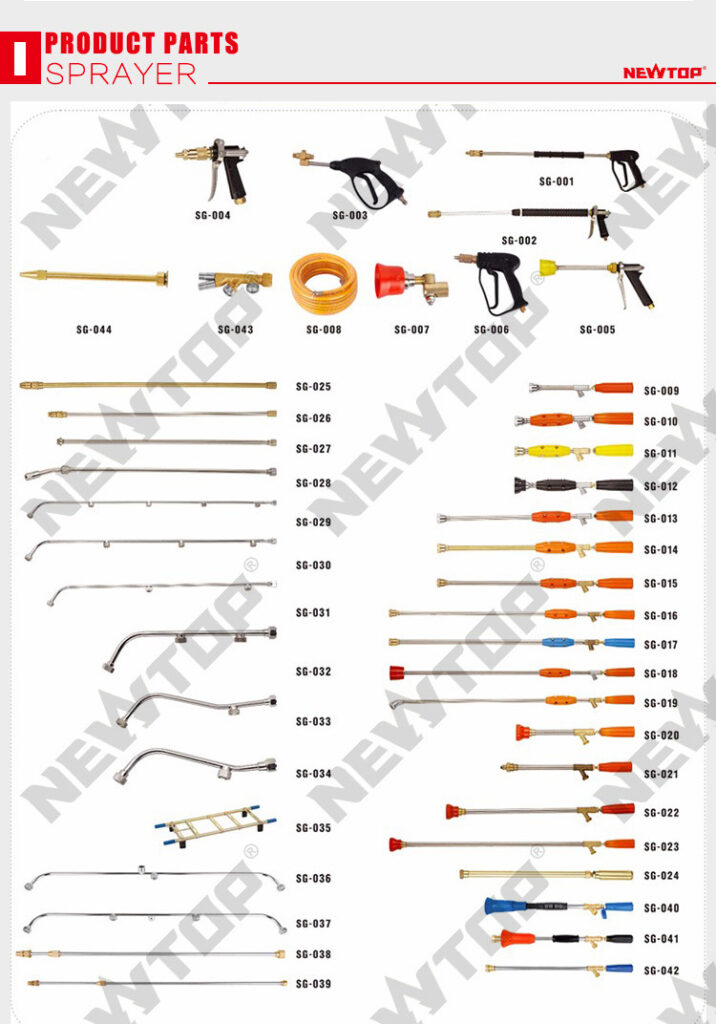
The nozzle is the single most critical component on a knapsack sprayer, directly controlling droplet size, spray pattern, and flow rate to determine application accuracy and drift potential.
A knapsack sprayer nozzle is the precision component that controls how liquid exits the spray lance. It determines:
- Droplet size (fine, medium, coarse)
- Spray pattern (flat, fan, cone, stream)
- Flow rate (liters per minute)
- Spray angle (e.g., 65°, 80°, 110°)
- Drift potential
Its primary functions directly influence the outcome of the application. In both manual and motorized knapsack sprayers, liquid under pressure passes through a small orifice.
The shape and size of that orifice define how the spray atomizes. For example, a flat fan nozzle produces a thin, evenly distributed sheet of spray ideal for herbicide application. A hollow cone nozzle creates fine droplets that wrap around foliage, improving coverage for insecticides.
If droplet size is too fine, spray drift increases, especially under wind conditions. If droplets are too coarse, coverage becomes uneven and pest control may suffer.
How Nozzles Control Droplet Size and Drift
Droplet size is a primary factor influencing spray performance, and the nozzle’s internal design dictates the size of droplets it produces.
Smaller droplets, typically around 100-200 microns, provide more thorough surface coverage but are highly susceptible to being carried off-target by wind. In contrast, larger droplets over 400 microns are heavier and resist drift, but they may bounce off plant surfaces or provide less uniform coverage.
The Impact of Spray Pattern on Coverage Quality
The spray pattern is the physical shape of the spray as it exits the nozzle. Different patterns are engineered for specific tasks to ensure the chemical is distributed effectively for maximum impact. A flat fan pattern, for instance, provides a uniform, overlapping band of spray ideal for applying herbicides to flat ground. Hollow cone and full cone patterns produce finer droplets in a circular shape, designed to penetrate dense plant canopies when applying insecticides or fungicides. The correct pattern ensures the active ingredient is delivered precisely to the intended target, whether it’s a leaf surface, a single weed, or the soil.
An Overview of Knapsack Sprayer Nozzle Types
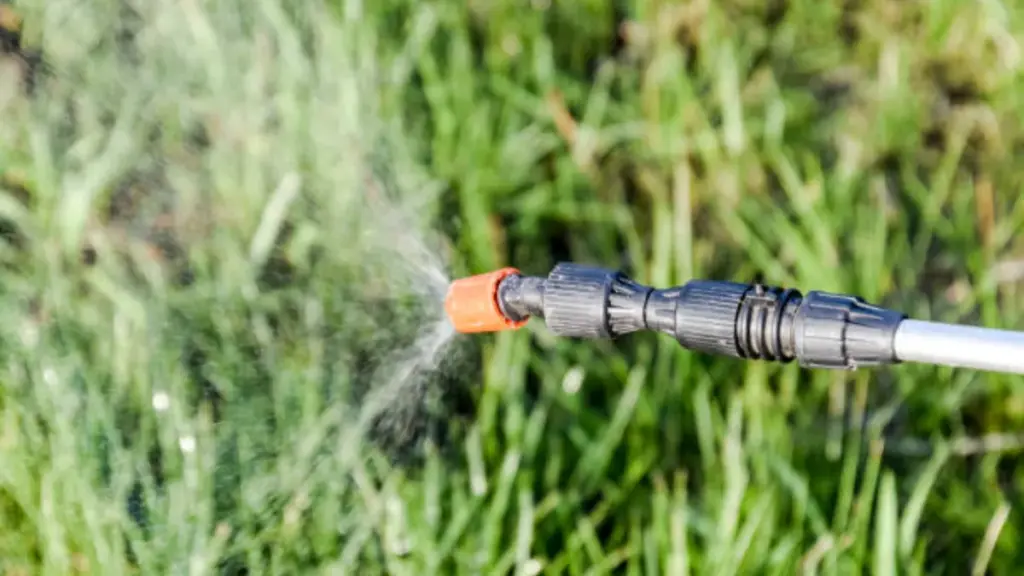
Knapsack sprayer nozzles are generally classified by spray pattern and droplet formation. Here is a complete table summarized common knapsack sprayer nozzle types for your quick refernce:
| Nozzle Type | Definition & Characteristics | Spray Pattern & Angle | Droplet Size | Flow Rate (@ 3 bar) | Drift Potential | Type of Treatment | Pros & Cons |
|---|---|---|---|---|---|---|---|
| Flat Fan | Designed for even distribution on flat surfaces with an elliptical spray. | Flat/Fan (65° – 110°) | Fine to Medium | 0.4 – 1.6 L/min | Moderate to High | Broadcast herbicide; uniform coating. | (+) Uniformity (-) Wind drift |
| Hollow Cone | Concentrates liquid on the outer ring; excellent for 3D leaf coverage. | Circular Ring (40° – 90°) | Fine to Very Fine | 0.3 – 1.2 L/min | Very High | Insecticides; canopy penetration. | (+) Penetration (-) Drift risk |
| Full Cone | Fills the entire circular area; provides high-volume wet spray. | Solid Circle (30° – 120°) | Medium to Coarse | 0.8 – 2.5 L/min | Low to Moderate | Spot treatment; drenching dense brush. | (+) High impact (-) Chemical waste |
| Solid Stream | A single jet for maximum precision and target impact. | Single Dot (0°) | Extra Coarse | 0.2 – 2.0 L/min | Very Low | Targeted spot weeding; crevice cleaning. | (+) Zero drift (-) No coverage |
| Flooding | Wide flat spray at low pressure; creates extra-large droplets. | Extra Wide Fan (110°+) | Extra Coarse | 1.0 – 4.5 L/min | Low | Soil herbicides; liquid fertilizers. | (+) Fast coverage (-) Liquid waste |
| Adjustable | Twist-to-change nozzle from a straight stream to a cone pattern. | Variable (0° – 90°) | Fine to Coarse | 0.4 – 1.8 L/min | Variable | General gardening; multi-purpose needs. | (+) Versatile (-) Poor calibration |
| Air Induction | Air-mixed spray creates large air-filled bubbles to reduce drift. | Standard Flat (110°) | Very Coarse | 0.6 – 2.0 L/min | Extremely Low | Pre-emergence herbicide; windy conditions. | (+) Drift control (-) Needs high PSI |
Flat Fan Nozzles for Efficient Herbicide Application
Flat fan nozzles are the industry standard for broadcast herbicide application, providing uniform coverage that can be optimized for drift control and specific chemical requirements.
Uniform Coverage for Standard Applications
Flat fan nozzles are the established standard for applying herbicides in field crops. Their design produces a tapered-edge spray pattern that ensures uniform liquid distribution when the patterns from adjacent nozzles are properly overlapped. This reliable performance leads to consistent and effective weed control, making them the most widely used nozzle type for broadcast treatments.
Drift-Reduction Variants for Precise Control
A key trend in nozzle engineering is the development of flat fan designs that minimize spray drift. These nozzles generate larger droplets that are less susceptible to wind, ensuring the herbicide lands on the target area. This is often achieved through pre-orifice designs that lower the liquid’s exit pressure while maintaining the intended spray pattern. Specialized variants, like even flat-fan nozzles, are also available for banding applications where herbicide needs to be applied in narrow, concentrated strips.
Chemistry-Driven Nozzle Selection
The focus in modern agriculture is shifting away from using a universal nozzle toward selecting a nozzle based on specific herbicide chemistry. Matching the nozzle’s droplet size to the chemical’s requirements is critical for maximizing performance and reducing waste. The right choice depends on the herbicide type, carrier volume, and environmental conditions at the time of application. To aid this process, many manufacturers now provide digital tools and mobile apps that help operators select the optimal nozzle for their exact needs.
Hollow Cone Nozzles for Maximum Foliage Penetration
Hollow cone nozzles create a ring-shaped spray pattern with fine droplets, engineered to penetrate dense crop canopies and deliver fungicides or insecticides to hard-to-reach inner leaves.
How Hollow Cone Nozzles Create a Ring-Shaped Pattern
Hollow cone nozzles use an internal component called a whirlchamber that spins liquid at high speed before it exits the orifice. This centrifugal action forces the liquid into a conical sheet, which forms a distinctive ring-shaped spray pattern with a hollow center. This design concentrates the fine droplets at the edges of the spray for precise application onto foliage.
- Liquid enters a whirlchamber, which generates a high-speed rotational flow.
- The spray exits the orifice in a conical sheet that forms a circular ring pattern.
- Most droplets are concentrated at the outer edges of the ring, leaving the center hollow.
Key Performance Characteristics
The effectiveness of these nozzles stems from their ability to produce fine droplets within an efficient ring pattern. This geometry is optimized for directed coverage at pressures between 40 and 80 psi. These traits work together to ensure deep foliage penetration with minimal chemical waste.
- Produces fine to medium droplets that optimize surface coverage while penetrating dense plant canopies.
- The ring configuration directs the spray toward leaf surfaces rather than saturating the entire volume.
- Operates effectively at 40–80 psi, delivering excellent coverage on the underside of leaves.
Primary Agricultural Applications
These nozzles are best suited for applications where thorough coverage of dense foliage is critical. They excel in orchards, vineyards, and specialty crops, making them a primary choice for targeted fungicide and insecticide treatments where reaching inner and lower leaves is essential for crop protection.
- Ideal for applying fungicides and insecticides in crops like soybeans or fruit trees.
- Effectively penetrates dense canopies to reach inner leaves and their undersides.
- Performance is enhanced when used with air-assist sprayers that drive droplets deeper into the foliage.
Increase Repeat Orders with Reliable Sprayer Spare Parts

Full Cone Nozzles for High-Volume Spray Applications
Full cone nozzles are engineered to deliver a solid, circular spray pattern with evenly distributed droplets, making them the standard for applications requiring complete surface drenching and high-volume output.
How Full Cone Nozzles Achieve Uniform Distribution
Full cone nozzles produce a solid, circular spray pattern by using an internal component, like an S-type or tangential-flow vane, to create a turbulent, swirling flow before the liquid exits the orifice. This mechanism forces droplets to distribute evenly across the entire target area, not just along the edges. The result is consistent, thorough coverage, which makes these nozzles ideal for tasks that require complete wetting or drenching of a surface.
Primary Applications in Agriculture and Industry
These nozzles are critical in any sector where the primary goal is to blanket a surface with a high volume of liquid. Their uniform spray pattern is essential for processes where complete coverage is non-negotiable.
- Dust suppression at industrial sites and quarries.
- Washing and rinsing produce or equipment in agricultural facilities.
- Fire protection systems designed to deliver large volumes of water over a wide area.
- Gas cooling and scrubbing processes in industrial plants.
Advantages for High-Flow Tasks
The main benefit of a full cone nozzle is its ability to maintain a stable, uniform pattern even at high flow rates. This efficiency reduces chemical waste and ensures consistent results in large-scale operations.
- Delivers excellent coverage that minimizes missed spots, reducing the need for repeated applications.
- Engineered for high-volume output without losing spray pattern integrity.
- Modern designs offer improved resistance to clogging, ensuring reliable operation in demanding environments.
Solid Stream (Jet) Nozzles for Precision Spot Treatment
Solid stream nozzles deliver a concentrated liquid jet with maximum impact and minimal atomization, making them the standard for high-precision spot treatments where overspray must be avoided.
Key Characteristics: Precision and High Impact
Solid stream nozzles, often called jet nozzles, are engineered to produce a single, coherent stream of liquid. This design concentrates the entire output into a small area, which generates the highest possible impact force among all nozzle types. By minimizing atomization into smaller droplets, the nozzle creates a tight, controlled stream that significantly reduces spray drift and allows operators to target specific points with high accuracy. This makes them ideal for applications that demand precision over broad coverage.
Common Applications for Spot Treatment
The primary use for these nozzles is any task where the chemical must hit a specific target without contaminating the surrounding area. Their accuracy is critical in sensitive environments, with high-value crops, or for specialized cleaning jobs. Key applications include:
- Applying herbicides directly onto individual weeds in a lawn, garden, or crop row.
- Targeting insect pests clustered at the base of a plant or hidden along fence lines.
- Cleaning equipment or washing stubborn debris from hard surfaces with a high-pressure stream.
- Injecting liquid fertilizers or systemic treatments directly into the soil near a plant’s root zone.
Materials and Durability Considerations
The performance and lifespan of a solid stream nozzle depend entirely on the quality and material of its orifice. By 2026, leading manufacturers use highly durable materials to maintain a consistent stream pattern, even when spraying abrasive or corrosive chemicals. A worn or damaged orifice will degrade the stream’s coherence, causing poor targeting and increased drift. Operators must prioritize material quality and regular inspection.
- Orifices are typically constructed from hardened stainless steel, ceramic, or tungsten carbide to resist wear.
- Any damage to the orifice can disrupt the stream, leading to a turbulent, less effective spray.
- Frequent visual checks are necessary to confirm the stream remains straight and non-turbulent.
Limitations and When to Avoid Use
While solid stream nozzles excel at precision work, they are the wrong tool for covering large areas. Their concentrated pattern is inefficient for broadcast spraying, and the high-impact force can be detrimental if used incorrectly. You should avoid using a solid stream nozzle in certain situations.
- It is not practical for applying herbicides or pesticides over an entire field, lawn, or large patch of ground.
- The strong jet can physically damage delicate plant foliage, flowers, or fruit.
- It can cause excessive chemical runoff if the target cannot absorb the liquid volume quickly.

Flooding Nozzles for High-Volume Soil and Ground Treatment
Flooding nozzles are the industry standard for high-volume ground applications, delivering a wide, uniform pattern with exceptionally large droplets to minimize spray drift when applying liquid fertilizers and soil-targeted herbicides.
How Flooding Nozzles Function
Flooding nozzles are engineered to create a wide-angle, fan-like spray pattern by deflecting a solid stream of liquid off a sloped surface. This mechanism produces an exceptionally coarse droplet spectrum, which is less susceptible to wind drift than finer sprays. They are designed to operate at very low pressures, typically between 10 and 30 psi, further reducing the creation of small, drift-prone droplets. The result is maximum ground coverage with minimal off-target movement, making them a cornerstone technology for specific broadcast applications.
Primary Applications in Agriculture
These nozzles are the default choice for applying liquid fertilizers and pre-emergence herbicides directly to the soil. Their high flow rate and uniform distribution pattern make them ideal for treating large fields quickly and effectively. They are commonly used for broadcast applications where the goal is to cover the ground surface evenly rather than penetrate a plant canopy. Their design is also well-suited for tank mixes that combine fertilizers and herbicides for a single-pass application.
Key Advantages for Ground Spraying
The primary benefit of flooding nozzles is their ability to deliver a high volume of liquid while significantly reducing drift. This combination ensures that expensive chemicals reach the soil where they are needed, improving efficacy and environmental safety. The wide pattern also enables faster ground speeds, increasing operational efficiency.
- Excellent Drift Control: Large droplet size and low operating pressure are the two main factors that minimize off-target spray movement.
- Uniform Coverage: The wide, flat pattern ensures that fertilizers and herbicides are distributed evenly across the soil surface for consistent performance.
- High Efficiency: A high flow rate and wide spray swath allow operators to cover more ground in less time.
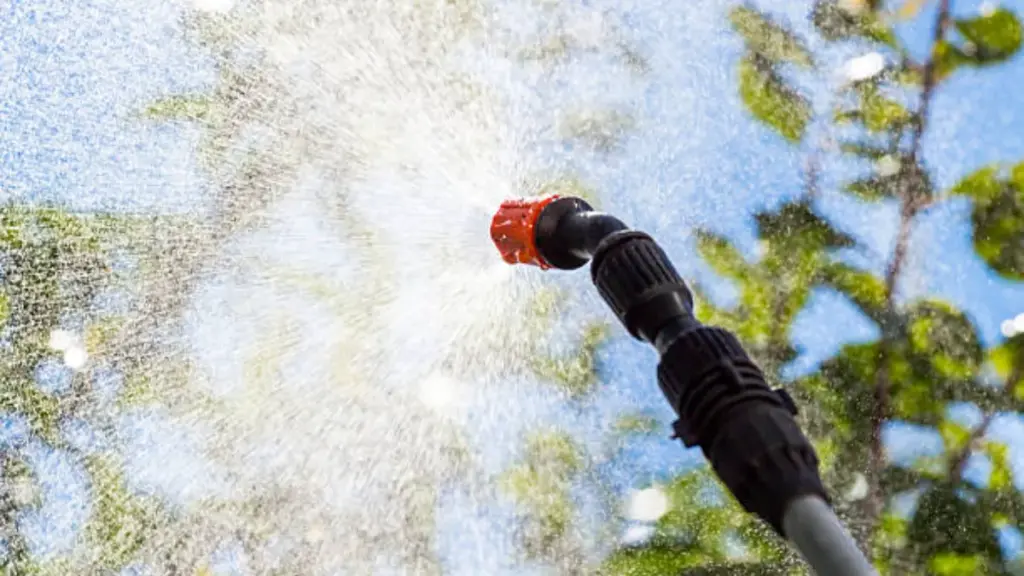
Adjustable Nozzles for Small and Large Farms
Adjustable nozzles provide essential operational flexibility, allowing operators to modify spray patterns from a fine mist to a solid stream to match different chemicals and application needs without changing hardware.
Adapting Spray Patterns from Mist to Stream
The primary function of an adjustable nozzle is its ability to modify the spray pattern in the field. Operators can instantly switch from a wide, fine mist for broad foliage coverage to a concentrated solid stream for spot treatments. This adaptability makes it a highly flexible tool for varied agricultural tasks, controlled by a simple mechanism that requires no tools.
- A simple twist or lever mechanism allows for seamless changes between spray patterns.
- Fine mist settings are ideal for applying fungicides or insecticides over large crop areas.
- Solid stream settings provide precise application for targeting specific weeds or pests, which minimizes overspray and chemical waste.
Versatility Across Different Chemicals and Equipment
Adjustable nozzles are engineered to work effectively with a wide range of agricultural chemicals and can be fitted onto various types of spray equipment. This adaptability makes them a universal solution for farms that manage diverse crops and operate at different scales, from small plots to large commercial fields.
- These nozzles are compatible with herbicides, pesticides, and liquid fertilizers.
- They function on both manual knapsack sprayers and larger, tractor-mounted boom sprayers.
- This versatility reduces the need to purchase and manage multiple specialized nozzles, streamlining inventory and costs.
Key Benefits for Modern Farming Operations
For both smallholders and large agricultural enterprises, adjustable nozzles offer practical benefits that improve cost savings, efficiency, and sustainability. Their design optimizes chemical use while simplifying the entire spraying process, leading to better operational outcomes.
- Reduces chemical waste by allowing operators to match the spray pattern directly to the application target.
- Increases operational efficiency by eliminating the time spent changing nozzles for different tasks.
- Helps farms meet environmental and regulatory standards by providing better control over spray drift.
Air Induction Nozzles: Low-Drift Option for Safer Spraying
Air induction nozzles are engineered to significantly reduce spray drift by creating larger, air-filled droplets that resist wind and improve on-target application.
How Air Induction Nozzles Reduce Spray Drift
Air induction nozzles use a venturi design to mix air with the spray liquid. This process creates larger, heavier droplets that are less susceptible to being carried away by wind, which minimizes off-target spray movement and environmental contamination.
- A venturi mechanism draws air into the nozzle body, infusing it into the liquid stream.
- This action produces coarser droplets with fewer fine, drift-prone particles.
- The resulting larger droplets have enough weight to fall directly onto the target surface, resisting wind effects.
Key Benefits of Using Air Induction Technology
The primary advantage of these nozzles is a dramatic reduction in spray drift, which enhances environmental safety and protects non-target crops. They also allow for effective application in a wider range of conditions, extending the operational window for farmers and groundskeepers.
- Achieves a 75% to 90% reduction in spray drift compared to conventional flat-fan nozzles.
- Maintains high biological efficacy, ensuring herbicides and pesticides work as intended.
- Expands the safe spraying window, allowing for application in less-than-ideal weather conditions.
Optimal Operating Conditions
To achieve the best balance of drift control and target coverage, air induction nozzles should be operated within their recommended pressure range. Proper pressure ensures the venturi system functions correctly without sacrificing the effectiveness of the chemical application.
- Performance is often optimized when operating between 60 and 80 psi.
- Operators must balance drift reduction with the need for adequate foliage penetration and coverage.
- Modern designs offer improved performance across a variety of application scenarios, from broadacre farming to spot treatments.

How to Choose the Right Nozzle Type for Your Knapsack Sprayer
Selecting the correct nozzle involves matching the application target with the required droplet size to balance effective coverage against off-target drift, all while operating within the nozzle’s specified pressure range.
| Application Type | Recommended Nozzle Type | Primary Consideration |
|---|---|---|
| Herbicide Application (Broadcast) | Flat Fan or Air Induction | Uniform coverage and low drift (medium-to-coarse droplets). |
| Insecticide / Fungicide (Foliage) | Hollow Cone or Full Cone | Canopy penetration and thorough coverage (fine droplets). |
| Spot Treatment / Basal Spray | Solid Stream or Adjustable | Precision targeting with minimal overspray. |
| High-Volume Ground Treatment | Flooding (FloodJet) | Wide pattern at low pressure with large droplets to reduce drift. |
Selecting the correct nozzle requires considering several practical factors.
First, identify the chemical type. Herbicides typically require flat fan or air induction nozzles. Insecticides and fungicides often perform better with hollow cone tips.
Second, evaluate crop structure. Dense foliage demands finer droplets and better penetration.
Third, consider environmental conditions. Wind speed, temperature, and humidity influence droplet behavior.
Fourth, check flow rate compatibility with your knapsack sprayer. Incorrect nozzle size may cause pressure instability or uneven spray.
Finally, think about replacement availability. Standardized nozzles are easier to source and replace in global markets.
Professional applicators often maintain a small set of interchangeable nozzles to adapt to seasonal requirements.
Common Knapsack Sprayer Nozzle Issues and Maintenance Tips
Nozzles wear over time. Abrasive chemicals and suspended particles gradually enlarge the orifice, increasing flow rate and altering spray pattern.
| Common Issue | Primary Cause(s) | Key Maintenance Action |
|---|---|---|
| Clogging & Blockages | Debris, chemical residue, undissolved particles. | Flush the system with clean water after each use and use a soft brush for cleaning orifices. |
| Corrosion & Physical Wear | Aggressive chemicals and abrasive particles in the spray solution. | Select nozzles made from chemical-resistant materials and inspect for physical damage before use. |
| Inconsistent Pressure & Leaks | Worn gaskets, O-rings, or improper tightening of components. | Replace seals and O-rings annually and ensure all connections are secure but not overtightened. |
| Premature Failure | Lack of a consistent, preventative maintenance routine. | Implement a post-use cleaning protocol and conduct thorough seasonal inspections. |
Why NEWTOP’s Universal Nozzle Kits Fit Your Global Needs
As a professional outdoor power equipment manufacturer since 2003, NEWTOP develops knapsack sprayers designed for international markets.
NEWTOP nozzle kits are engineered to be compatible with most standard knapsack sprayers used in Africa, Latin America, Southeast Asia, and Eastern Europe. Each kit includes multiple nozzle types, allowing farmers and distributors to serve diverse crop applications.
If you are a distributor, agricultural importer, or regional brand owner seeking reliable knapsack sprayer accessories, we offer flexible MOQ, sample support within 7–10 days, and global logistics solutions. For product inquiries, contact us directly.
Conclusion
Choosing the correct knapsack sprayer nozzle is fundamental to effective and responsible chemical application. The right nozzle ensures precise delivery to the target area, maximizing the impact of your herbicides or pesticides while minimizing costly waste. This leads to better crop protection, reduced operational costs, and safer spraying conditions.
If you manage diverse spraying tasks, having a versatile set of high-quality nozzles is essential for maintaining efficiency. Explore NEWTOP’s universal nozzle kits to see how you can simplify inventory and prepare your team for any application.
Frequently Asked Questions
What are the different types of knapsack sprayer nozzles?
The main types include flat fan, hollow cone, full cone, solid stream (jet), flooding, adjustable, and air induction nozzles. Each produces different spray patterns and droplet sizes for specific agricultural applications.
Which nozzle is best for weed killer?
Flat fan nozzles are generally recommended for herbicide application because they provide uniform coverage across ground surfaces. In windy conditions, air induction flat fan nozzles reduce drift.
How do I read the color codes on sprayer nozzles?
Nozzle color codes indicate the flow rate at a standard pressure, according to the ISO 10625 international standard. Each color represents a specific output volume, allowing you to select the right nozzle for your desired application rate. For example, a yellow nozzle has a lower flow rate than a blue one, ensuring consistent spraying performance.
How often should sprayer nozzles be replaced?
Replacement depends on usage intensity and chemical type. In professional farming, nozzles are inspected each season and replaced when flow rate increases significantly or spray pattern becomes uneven.
Can I use different brand nozzles on my knapsack sprayer?
In many cases, yes—if the thread size and connection type match. Universal fittings allow cross-brand compatibility, but checking specifications is important.
What nozzle produces the least drift?
Air induction (AI) nozzles produce the least amount of drift. They are specifically engineered to create large, air-filled droplets that are heavier and less susceptible to being carried by wind. This technology is superior for drift control, making AI nozzles the safest choice for applying herbicides near sensitive plants.