For agricultural distributors, farm equipment wholesalers, and regional brand owners, finding the right knapsack sprayer is not just about comparing tank sizes or engine types. It is about balancing performance, durability, regulatory compliance, and long-term supply stability—while still meeting the price expectations of local farmers.
In emerging markets across Africa, Latin America, Southeast Asia, and parts of Eastern Europe, backpack sprayers remain one of the most essential tools for crop protection and nutrient application. Whether used for pesticide spraying, herbicide application, fertilizer distribution, or public health sanitation, a reliable sprayer directly affects farm productivity.
This guide is written for importers and bulk buyers who need a practical understanding of product types, model selection, pricing logic, compliance requirements, and long-term supplier evaluation.
Knapsack Sprayer for Sale: Popular Types for Modern Farming
The global market for knapsack sprayers has evolved significantly in the past decade. Today’s buyers can choose from three main power systems: manual, gasoline-powered, and battery-powered sprayers.
Manual Knapsack Sprayers
Manual knapsack sprayers are a primary choice for small-scale farming operations, typically those under two acres. Their simple, operator-powered design makes them reliable and easy to maintain for targeted applications like pest control or fertilizer distribution. With a piston or diaphragm pump mechanism, they deliver consistent pressure when operated correctly.
Gasoline Knapsack Sprayers
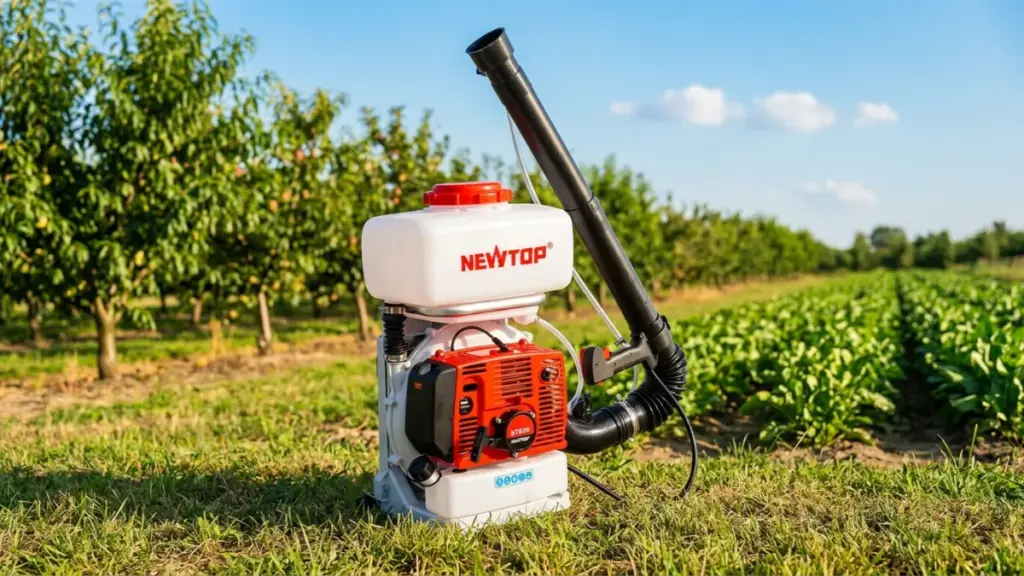
Gasoline knapsack sprayers, especially mist duster types, are preferred for larger fields and orchards. Equipped with 2-stroke or 4-stroke engines, they provide high-pressure output and extended spray range. These models are common in tropical agriculture where tall crops, such as cocoa or fruit trees, require strong penetration. Importers should pay attention to engine displacement, fuel consumption, and emission standards when selecting gasoline versions.
Battery-Operated Knapsack Sprayers
Lithium battery-powered sprayers are gaining traction, particularly in urban landscaping, greenhouse operations, and government projects. They reduce noise, eliminate fuel mixing, and offer more stable pressure control. With brushless motors and adjustable spray modes, they improve precision and operator comfort. In regions where environmental regulations are tightening, electric models are becoming a safer long-term choice.
Related Reading: Types of Knapsack Sprayer: Choosing the Best Model for Your Farm
Best Models of Knapsack Sprayer for Sale in 2026
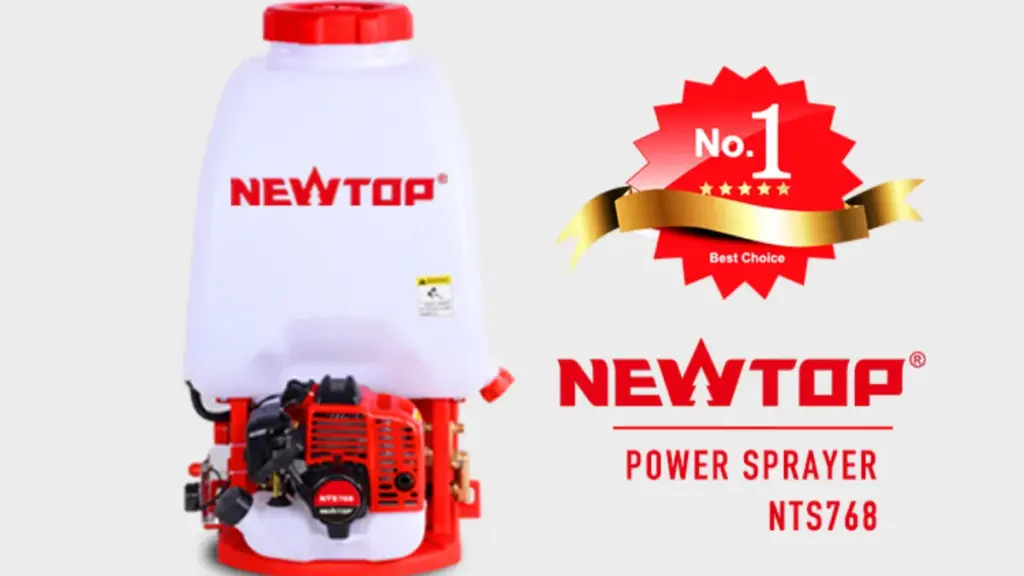
In 2026, demand for gasoline backpack sprayers and mist dusters continues to grow across Africa, Latin America, Southeast Asia, and parts of Eastern Europe. At NEWTOP, several knapsack sprayer models have consistently ranked among the top-selling units in export markets. These models are widely chosen by OEM clients, regional distributors, and agricultural supply chains because they offer stable performance and practical configurations that match real field conditions.
Below are 4 of the most popular gasoline knapsack sprayers for bulk buyers. The following product cards provide quick technical specifications and direct access to each model’s detail page. If you are evaluating which knapsack sprayer to introduce into your market in 2026, reviewing these configurations can help you shortlist suitable options.
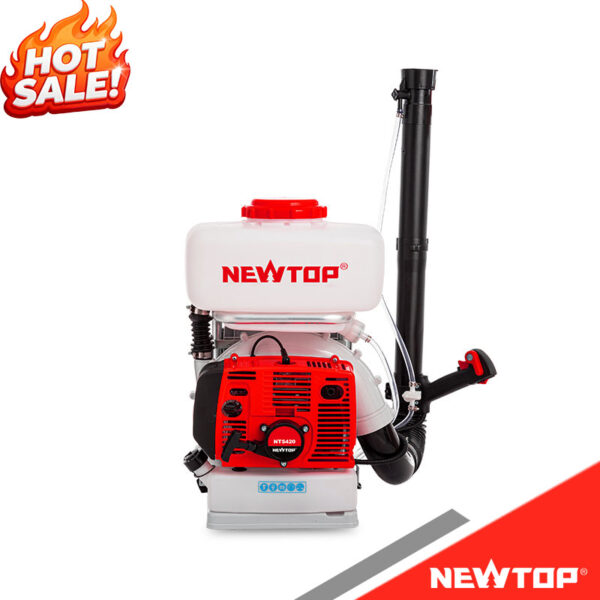
NTS420 Gasoline Knapsack Sprayer
The NTS420 is a reliable 20L backpack sprayer designed for field crops and plantation use. It delivers strong spray penetration with stable engine output, making it suitable for large-area pesticide and fertilizer application.
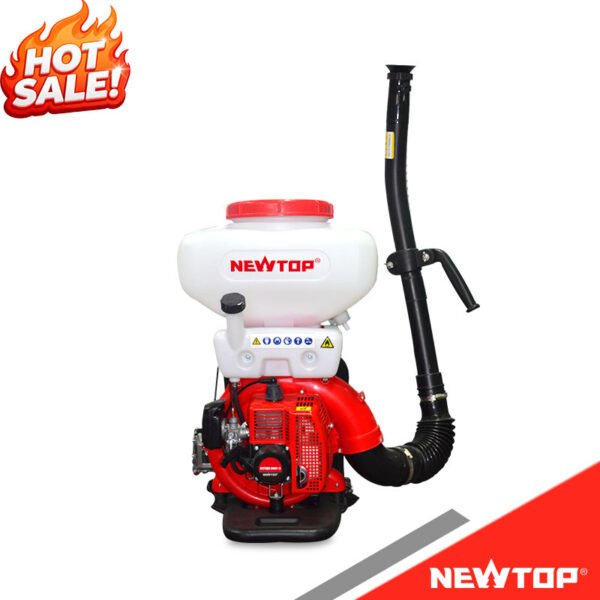
NTS3WF-3 Mist Duster Sprayer
The NTS3WF-3 combines spraying and misting functions for orchards and tall crops. With powerful airflow and extended spray range, it ensures deep leaf penetration in dense farming environments.
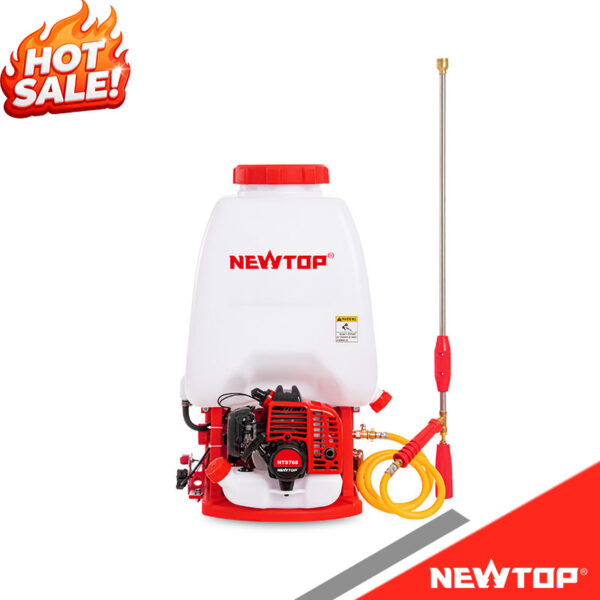
NTS768 High-Pressure Sprayer
The NTS768 is built for intensive agricultural use. Its reinforced tank structure and stable engine system make it suitable for professional distributors targeting high-demand markets.
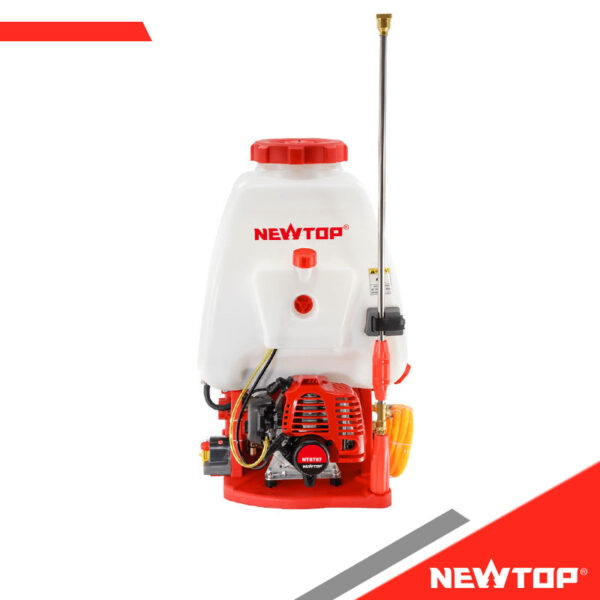
NTS767 Commercial Backpack Sprayer
The NTS767 offers balanced power and efficiency, ideal for distributors seeking a mid-range gasoline backpack sprayer for farm and garden applications. Durable components ensure long service life.
Choosing the Right Model for Your Market
| Target Market | Recommended Model | Technical Advantage | Typical Application Scenario |
|---|---|---|---|
| Large Plantations & Commercial Farms | NTS420 (56.5cc) | Higher displacement engine delivers stronger airflow and deeper droplet penetration | Tall crops such as cocoa, palm, and orchard trees; large-area coverage requiring time efficiency |
| Orchard & Dual Spray/Dust Operations | NTS3WF-3 (Mist Duster) | Powerful airflow system supports both liquid spraying and powder application | Diversified farms needing flexible pest control solutions |
| Price-Sensitive Regional Distributors | NTS768 / NTS767 (26cc) | Balanced engine performance with lower fuel consumption and manageable operating cost | Small-to-medium farms requiring reliable daily spraying at controlled budgets |
| Markets with Emission or Efficiency Requirements | 2-Stroke or 4-Stroke Options | 2-stroke: lightweight and simple maintenance; 4-stroke: improved fuel efficiency and reduced emissions | Regions prioritizing environmental compliance or long-term fuel savings |
Secure High-Demand Knapsack Sprayers for Your Market

Key Factors to Evaluate When Browsing Knapsack Sprayers
A professional-grade knapsack sprayer is defined by its consistent performance under pressure, ergonomic design for operator safety, and adherence to international quality standards.
| Evaluation Factor | Key Metric | Industry Standard / Benchmark |
|---|---|---|
| Performance & Durability | Pressure Regulation & Flow Rate | Consistent PSI for uniform application; leak-proof seals and materials. |
| Operator Safety & Ergonomics | Maximum Loaded Weight | Should not exceed 25 kg to reduce operator fatigue. |
| Certification & Maintenance | Safety & Quality Compliance | Adherence to FAO or equivalent international guidelines. |
Performance and Durability Standards
A reliable knapsack sprayer must deliver consistent performance and withstand demanding agricultural conditions. When evaluating a unit, focus on its ability to maintain stable pressure, deliver a uniform flow rate, and resist degradation from chemical exposure and physical use. The pump mechanism, whether piston or diaphragm, should generate and hold pressure efficiently to ensure the spray pattern remains constant from a full tank to an empty one. Material quality is just as critical; components must be made from durable, corrosion-resistant polymers and feature leak-proof seals to handle aggressive chemicals over the long term.
Operator Safety and Ergonomics
The operator’s well-being is a primary concern. Look for sprayers designed to minimize physical strain and protect users from chemical contact. International standards recommend that a fully loaded sprayer should not weigh more than 25 kg to reduce fatigue and the risk of injury. Key ergonomic features include a well-padded harness that distributes weight evenly across the shoulders and hips, a curved backrest that matches the operator’s posture, and overall stability to prevent tipping on sloped terrain. A sprayer that is comfortable to carry and operate allows for more precise application and safer handling during long workdays.
Certification and Ease of Maintenance
Compliance with international standards, such as those guided by the FAO (Food and Agriculture Organization), signals a manufacturer’s commitment to quality and safety. These certifications ensure the sprayer has passed rigorous tests for leak prevention, durability, and operator safety. Beyond initial quality, a well-designed sprayer must be simple to maintain. Look for features that facilitate easy cleaning and parts replacement, like large tank openings and tool-free access to filters and pumps. Straightforward maintenance prevents chemical cross-contamination and significantly extends the service life of the equipment.
Price Guide for Knapsack Sprayer in Bulk Orders
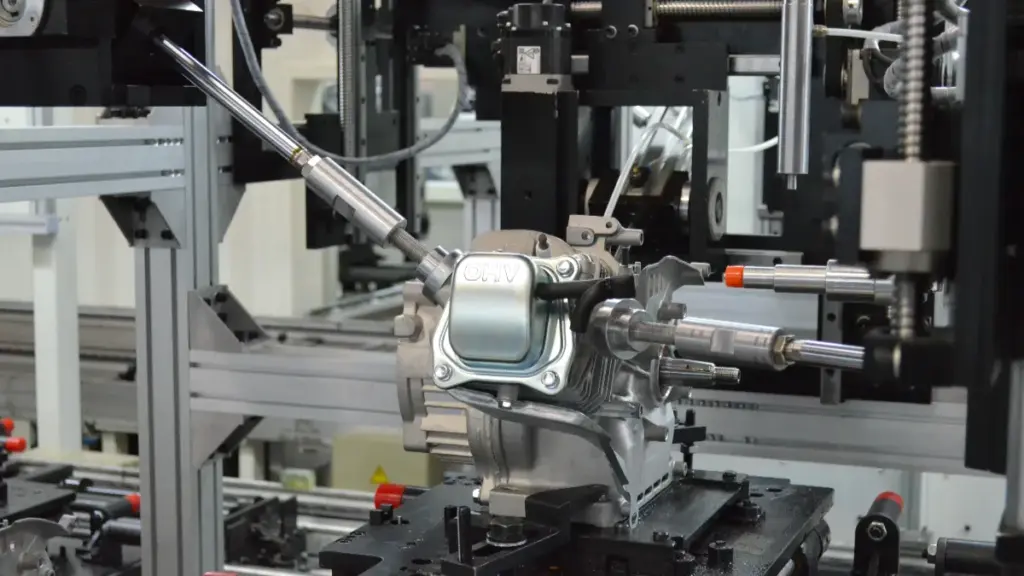
Understanding bulk pricing is essential for distributors and agricultural equipment importers planning seasonal procurement. The price of a knapsack sprayer for sale varies significantly depending on engine type, displacement, tank capacity, and order volume.
Below is a general wholesale pricing reference for gasoline backpack sprayers in 2026:
| Sprayer Type | Estimated FOB Price Range (USD) | Typical Applications |
|---|---|---|
| Manual Knapsack Sprayer (15–20L) | $10 – $18 per unit | Small farms, vegetable plots, greenhouse spraying, entry-level distribution markets |
| Gasoline Backpack Sprayer (26cc–56.5cc) | $38 – $95 per unit | Orchards, plantations, forestry, commercial crop protection |
| Electric / Battery-Powered Sprayer | $22 – $60 per unit | Urban agriculture, landscaping, medium-scale farms requiring reduced operator fatigue |
Note: Prices above are indicative FOB references based on standard export configurations. Final quotation depends on engine specification, battery capacity, material grade, customization requirements, and total order quantity.
Volume-Based Pricing Structure
Bulk procurement improves overall cost efficiency, but pricing adjustments are typically influenced by production planning, component sourcing, and logistics optimization rather than fixed discount percentages.
In practice, manufacturers evaluate pricing based on:
- Order quantity per model
- Production batch scheduling
- Packaging configuration
- Shipping terms (FOB, CIF, or mixed container)
For medium-volume orders, unit pricing may benefit from improved production efficiency and shared setup costs. Larger consolidated shipments, especially full-container loads (FCL), often achieve stronger cost advantages due to optimized carton loading and reduced freight allocation per unit.
What Influences Bulk Pricing?
Several practical factors impact final quotation:
Engine configuration
2-stroke engines are generally more affordable and lighter. 4-stroke engines cost more due to fuel efficiency and lower emissions.
Material thickness & component quality
Higher-grade carburetors, reinforced frames, and upgraded ignition systems affect pricing but improve long-term durability.
Customization requirements
OEM logo printing, carton redesign, color changes, or private labeling may slightly increase cost depending on tooling adjustments.
Shipping terms
FOB, CIF, and DDP pricing structures can significantly affect landed cost. Importers should calculate total landed cost rather than focusing only on ex-factory pricing.
Market & Supply Chain Considerations
China remains the dominant production base for gasoline knapsack sprayers due to mature supply chains and component integration. Stable raw material sourcing and engine production clusters allow competitive pricing at scale.
However, seasonal demand fluctuations—especially before planting seasons—can influence production schedules and lead times. Early procurement planning helps distributors lock in better pricing and secure inventory before peak demand.
Navigating Import Regulations for Knapsack Sprayers
Managing international shipments of knapsack sprayers requires precise Harmonized System (HS) code classification, accurate tariff calculation, and strict adherence to local health and safety standards.
Harmonized System (HS) Code Classification
Correctly classifying knapsack sprayers and their parts under the Harmonized System (HS) is the first step for international importers. Complete agricultural or horticultural sprayers generally fall under HS Code 8424.81. Importers must also differentiate between complete units, spray gun components, and other replacement parts, as each may require a unique tariff code. Accurate classification prevents customs delays and ensures correct tariff application, making it a critical part of the logistics process.
Tariff Rates and Duty-Free Provisions
Tariff rates depend on the importing country, trade agreements, and product configuration. In many African and Latin American markets, agricultural sprayers fall under moderate duty structures. Some Middle Eastern and Eastern European countries may require additional conformity documentation or technical declarations before clearance.
Compliance with Local Health and Safety Standards
Beyond tariffs, knapsack sprayers must comply with the sanitary, health, and safety regulations of the destination market. These standards protect end-users and the environment, making compliance a non-negotiable part of the import process. For gasoline models, engine emission standards and safety requirements should be verified. Battery-powered sprayers may require lithium transport documentation such as UN38.3 test reports, especially for air shipments.
Standard documentation
Standard documentation—including commercial invoice, packing list, and certificate of origin—must be prepared accurately. Coordinating with a local customs broker ensures smoother clearance and more predictable delivery timelines for bulk shipments.
Ready to Buy? Discover NEWTOP’s High-Performance Backpack Sprayer Deals
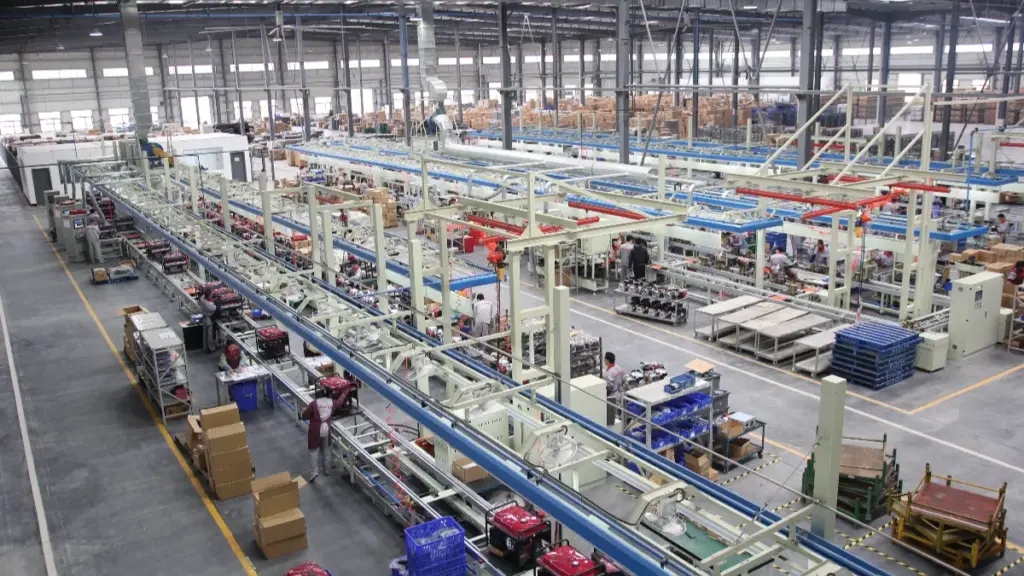
NEWTOP provides B2B partners with a competitive advantage through a flexible supply of durable, versatile backpack sprayers engineered with premium components and supported by comprehensive OEM and after-sales services.
With over two decades of manufacturing experience in agricultural and garden machinery, NEWTOP supplies knapsack sprayers to more than 65 countries across Africa, Latin America, Southeast Asia, and Eastern Europe.
The company operates a 10,000㎡ production facility with integrated injection molding, automated assembly lines, and independent inspection centers. Annual capacity exceeds 500,000 units across multiple product categories.
NEWTOP offers:
- Manual backpack sprayers (16L–20L)
- Gasoline backpack sprayers (mist dusters)
- OEM color and packaging customization
- 7–10 day sample dispatch
- Approx. 30-day bulk production lead time
- 1-year machine warranty (core parts 6 months)
- Spare parts supply support
For distributors seeking stable quality, consistent delivery, and competitive pricing, NEWTOP provides a balanced solution between performance and affordability.
If you are planning to expand your outdoor power agricultural equipment portfolio, now is the right time to secure production slots before peak season demand.
Contact NEWTOP’s export team today via:
Email: [email protected]
WhatsApp / Phone: +86 13636521556
Website: https://newtoptools.com/
Conclusion
Choosing the right knapsack sprayer involves matching the model’s features—like power source and tank capacity—to your specific agricultural needs and budget. Understanding key evaluation factors, pricing structures, and import logistics helps you secure a reliable, long-term asset. This knowledge ensures you invest in equipment that enhances productivity and delivers a strong return.
When you’re ready to equip your team, browse our catalog of high-performance backpack sprayers. Contact us directly to get a detailed quote tailored to your bulk order and shipping requirements.
Frequently Asked Questions
Where can I bulk buy knapsack sprayers?
You can bulk purchase directly from established outdoor power equipment manufacturers in China. Factory like NEWTOP supply OEM and distributor clients globally and support customized orders.
What is the average price of a knapsack sprayer
Manual models typically range from USD 8–18 in bulk orders, gasoline models from USD 45–110, and lithium battery versions from USD 25–80, depending on specifications and order quantity.
How much is shipping for knapsack sprayers?
Shipping depends on destination, container utilization, and freight rates at the time of booking. Sea freight for a full 20GP container significantly lowers cost per unit compared to air freight.
What warranty is included with knapsack sprayers?
Most professional manufacturers provide a 1-year warranty on the complete machine and 6 months on core components. Warranty coverage should be confirmed before order confirmation.
Do you offer spare parts for the knapsack sprayers you sell?
Yes, we provide a comprehensive inventory of spare parts for all our sprayer models. This includes common wear-and-tear items like nozzles, seals, wands, and replacement batteries. Offering readily available parts ensures long-term operational reliability and allows for easy maintenance, which is critical for equipment designed for consistent professional use.