When selecting a chainsaw chain, most buyers focus on brand, bar length, or engine power. However, the real performance difference often lies in two critical technical parameters: pitch and gauge. These two measurements determine compatibility, cutting efficiency, vibration level, durability, and even operator safety.
For distributors, OEM buyers, and professional users in forestry or agriculture, it is essential to understand these engineering fundamentals. In this guide, we break down pitch and gauge in detail, explain how they affect cutting behavior, and help you select the correct chain configuration for your market.
What is Pitch on a Chainsaw Chain?
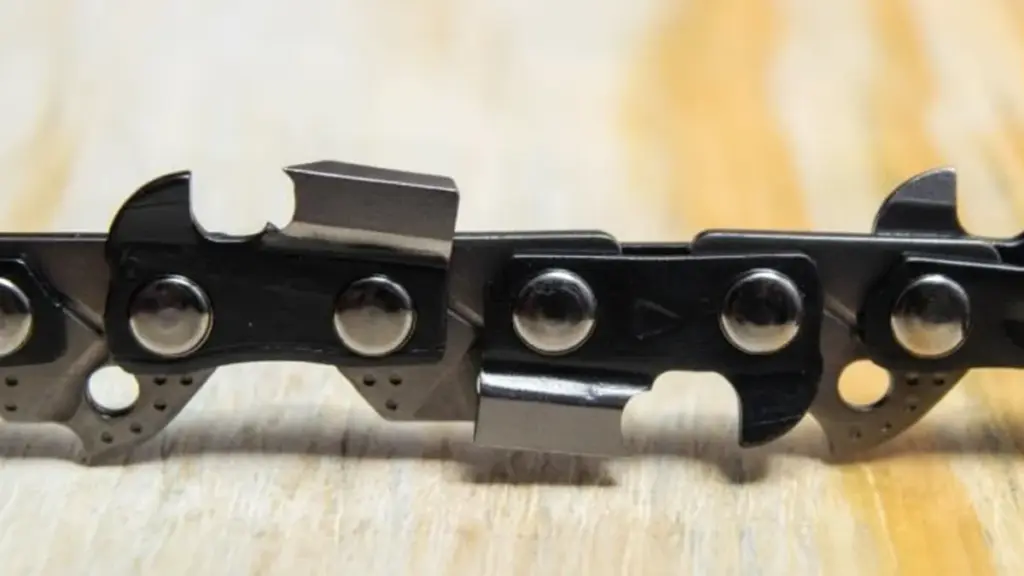
Chain pitch is the fundamental size specification of a chainsaw chain, calculated as half the distance between three consecutive rivets, and it must precisely match the guide bar and drive sprocket for safe operation.
Defining Chain Pitch
Chain pitch is the industry-standard measurement that defines the size of a chainsaw chain. You calculate it by measuring the distance between the center points of any three consecutive rivets and dividing that number by two. For a chainsaw to function correctly, this measurement must match the specifications of the saw’s guide bar and drive sprocket.
Why Pitch Compatibility is Critical
A chainsaw operates as a system where the chain pitch, chain gauge, and guide bar must be fully compatible. Using an incorrect pitch prevents the chain from seating correctly on the guide bar’s drive sprocket, which leads to equipment damage and complete operational failure.
- A mismatched chain will quickly wear down or break the drive sprocket.
- Running incompatible parts almost always voids the equipment’s warranty.
What is Gauge on a Chainsaw Chain?
Chain gauge is the thickness of the drive links, a critical measurement that must exactly match the guide bar’s groove to ensure safe, efficient operation without derailing or binding.
Defining Gauge: The Thickness of the Drive Link
The gauge of a chainsaw chain is the measured thickness of its drive links. These are the bottom, tooth-like parts of the chain that run inside the guide bar’s groove, or track. This single measurement ensures the chain fits securely, preventing excessive movement or friction. Gauge is typically expressed in thousandths of an inch, such as .050″, or in millimeters like 1.3 mm.
Why a Correct Gauge Match is Essential
Matching the chain gauge to the guide bar groove is non-negotiable for safe and effective chainsaw operation. Any mismatch introduces immediate performance and safety problems. An incorrect fit will cause the chain to behave erratically and can damage your equipment.
- Gauge too thin: If the drive links are too narrow for the bar’s groove, the chain will wobble side-to-side. This instability causes poor cutting performance and significantly increases the risk of the chain derailing from the bar during use.
- Gauge too thick: If the drive links are too wide, they will bind inside the groove. This creates excessive friction, which strains the engine, generates heat, and can stop the chain from moving at all.
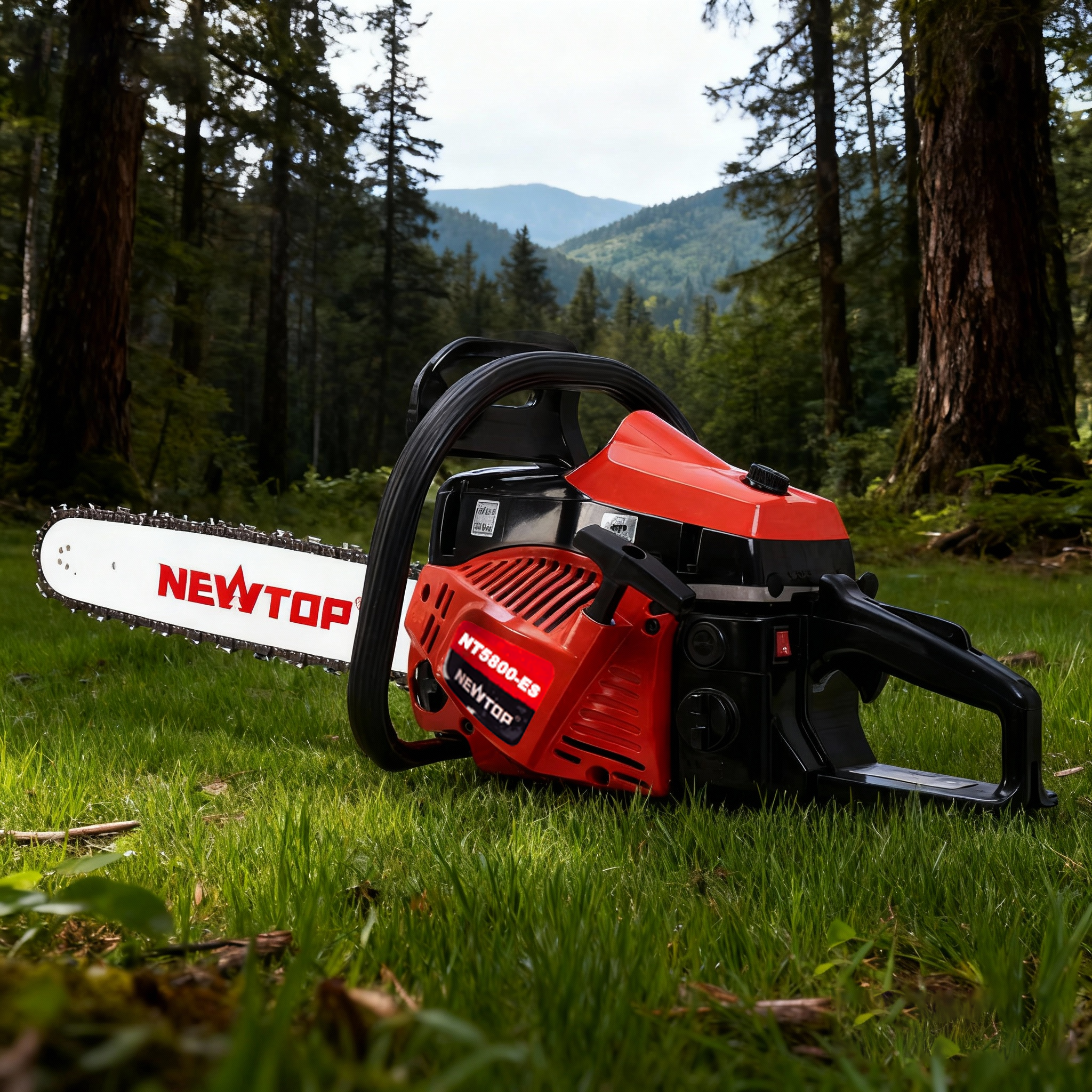
Precision Saw Chains Built for Power & Profit
What Are Parts of Chainsaw Chain?
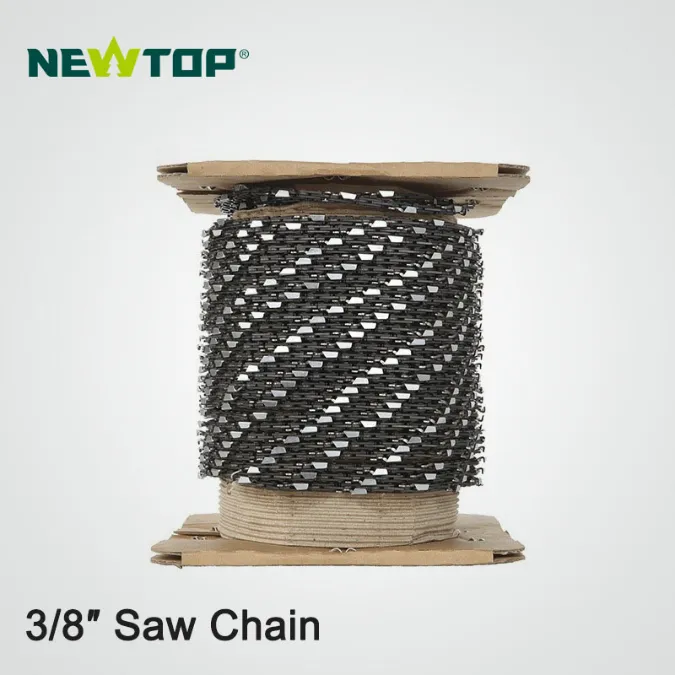
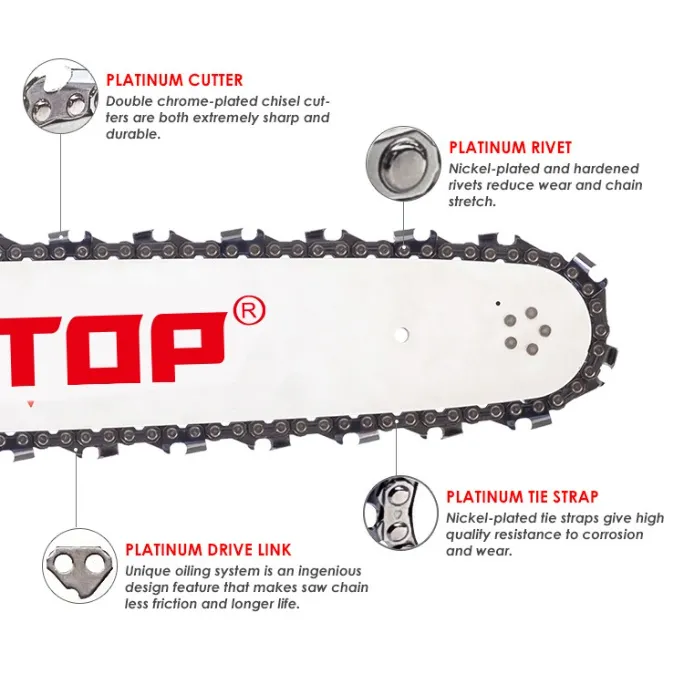
A chainsaw chain integrates three primary components—cutting links for slicing wood, drive links for power transfer, and tie straps for structural integrity—arranged in specific sequences to control cutting performance.
Cutting Links (Cutters)
These are the primary components that perform the actual cutting. Each cutter has a sharp tooth and a depth gauge (raker) that regulates how deep the tooth bites into the wood. The specific design of the cutter determines its performance in different conditions, impacting both speed and durability.
- Features a sharpened cutting corner responsible for slicing wood fibers.
- Includes a depth gauge that controls the thickness of the wood chip removed.
- Available in full-chisel, semi-chisel, and chipper designs for different cutting conditions.
Drive Links
Drive links are the bottom part of the chain that engages with the chainsaw’s sprocket. They pull the chain around the guide bar and help distribute oil for lubrication. The thickness of these links defines the chain’s gauge, which must match the guide bar’s groove precisely for safe and effective operation.
- The part of the chain that fits into the guide bar groove and is propelled by the sprocket.
- Their thickness determines the chain’s gauge, which must match the guide bar.
- Essential for transferring power from the engine to the chain.
Tie Straps
Tie straps are connecting components that hold the cutting links and drive links together in the correct sequence. They do not cut but provide the chain with its structure and flexibility, using riveted joints to allow the chain to move smoothly around the guide bar.
- Connects all links together using riveted joints.
- Allows the chain to move flexibly around the guide bar.
- Ensures the proper spacing and arrangement of cutters and drive links.
Chain Sequence Arrangements
The sequence refers to the pattern of cutters on the chain. Common arrangements like standard, semi-skip, and full-skip affect cutting speed and smoothness, especially on longer guide bars where efficient chip clearance is a critical factor for performance.
- Standard Sequence: Has a cutter on every other link for the smoothest cut.
- Semi-Skip Sequence: Features extra space between cutter groups for better chip clearance.
- Skip Sequence: Has the most space between cutters, ideal for long bars and powerful saws.
Key Details on Chain Measurements

Correctly matching the chain’s pitch to the sprocket and its gauge to the guide bar is non-negotiable for safe and efficient chainsaw operation.
| Measurement | Definition | Common Sizes |
|---|---|---|
| Chain Pitch | Distance between three consecutive rivets, divided by two. Must match the drive sprocket. | 1/4″, .325″, 3/8″, .404″ |
| Chain Gauge | The thickness of the drive links. Must fit precisely into the guide bar groove. | .043″, .050″, .058″, .063″ |
Common Sizes of Pitch on a Chainsaw Chain
- 3/8″ is the most common size, especially for consumer chainsaws. Many of these saws use a lighter “low profile” or “Picco” variant for reduced kickback.
- .325″ is standard for many semi-professional and mid-range professional saws, balancing cutting speed with durability.
- 1/4″ is a smaller pitch used on lightweight residential saws or specialized carving saws where precision is key.
- .404″ is a heavy-duty pitch reserved for high-powered, large-displacement professional saws used in demanding forestry and logging operations.
Common Thickness of Pitch on a Chainsaw Chain
- The most common gauge sizes are .043″ (1.1 mm), .050″ (1.3 mm), .058″ (1.5 mm), and .063″ (1.6 mm).
- The .050″ gauge has become an industry standard for a wide range of consumer and professional chainsaws.
- To eliminate guesswork, manufacturers typically stamp the required gauge measurement directly onto the heel of the chainsaw’s guide bar.
How to Calculate Chainsaw Pitch on a Chainsaw Chain?
| Method | Description | Key Action |
|---|---|---|
| 3-Rivet Measurement | The industry-standard physical measurement to find the base distance. | Use a caliper to measure from the center of the first rivet to the center of the third. |
| Calculation | Converts the 3-rivet measurement into the final, industry-standard pitch value. | Divide the measured distance by two. |
| Stamped Markings Verification | Confirms the calculated pitch using the manufacturer’s provided specifications. | Check for numbers stamped on the guide bar, drive links, or in the owner’s manual. |
The Standard 3-Rivet Measurement Method
The universal industry method for determining chainsaw pitch involves measuring the distance between the centers of three consecutive rivets on the chain. This technique provides a consistent basis for calculation regardless of the chain’s manufacturer.
- Select any three rivets in a row on the chainsaw chain.
- Use a caliper or a precise ruler to measure the exact distance from the center of the first rivet to the center of the third rivet.
- Ensure the chain is taut but not stretched during measurement to get an accurate reading.
Applying the ‘Divide by Two’ Formula
After measuring the distance across three rivets, the final pitch is calculated by dividing that measurement by two. This simple formula converts the measurement into the industry-standard pitch size.
- Take the total distance you measured (e.g., 0.75 inches).
- Divide this value by two to determine the pitch (e.g., 0.75 inches / 2 = 0.375 inches).
- Convert the decimal result to its common fraction equivalent; for example, 0.375 inches is equal to a 3/8″ pitch.
Verifying Pitch Using Stamped Markings
To confirm your calculation or skip measuring altogether, check for pitch information stamped directly on the equipment. Manufacturers often provide these details on the guide bar or the chain itself to ensure compatibility.
- Inspect the guide bar, typically near the motor end, for stamped numbers indicating pitch, gauge, and drive link count.
- Examine the drive links of the chain for an identification code or number that corresponds to its pitch.
- Referencing the owner’s manual for your chainsaw also provides the correct pitch specification without needing to measure.
How to Measure Gauges on a Chainsaw Chain?
Measuring a chainsaw’s gauge—the thickness of its drive links—is a non-negotiable step for safe operation, and while calipers offer precision, checking for stamped markings on the bar is the most efficient method.
Using Tools for an Accurate Measurement
Gauge is the thickness of the drive link that fits directly into the guide bar’s groove. For a precise reading, a caliper is the most reliable tool. It provides an exact measurement in thousandths of an inch. Alternatively, a go/no-go gauge offers a quick way to confirm the correct fit without needing to read a measurement.
- Use caliper jaws to measure the thickness of a single drive link directly.
- A go/no-go gauge has two sized slots; the drive link should slide easily through the correct slot but be blocked by the smaller one.
The Coin Method for a Quick Approximation
When specialized tools are not available, you can use common coins to get a rough estimate of the gauge. This method involves fitting a coin snugly into the bar’s groove. Before attempting this, make sure the groove is completely clean of any wood chips, oil, or debris to avoid an inaccurate reading.
- A U.S. dime is approximately 0.050″ thick.
- A U.S. penny is approximately 0.058″ thick.
- A U.S. quarter is approximately 0.063″ thick.
Finding Existing Markings and Common Sizes
The easiest way to identify the correct gauge is to inspect the chainsaw bar itself. Manufacturers typically stamp the required specifications, including gauge, directly onto the metal near the mounting point. This eliminates any need for manual measurement. Matching the gauge is critical; a chain that is too thin can derail from the bar, while a chain that is too thick will bind, creating excessive friction and heat.
Standard gauge sizes you will encounter include .043″, .050″, .058″, and .063″.
Pros and Cons of High-Profile vs Low-Profile Pitch Designs
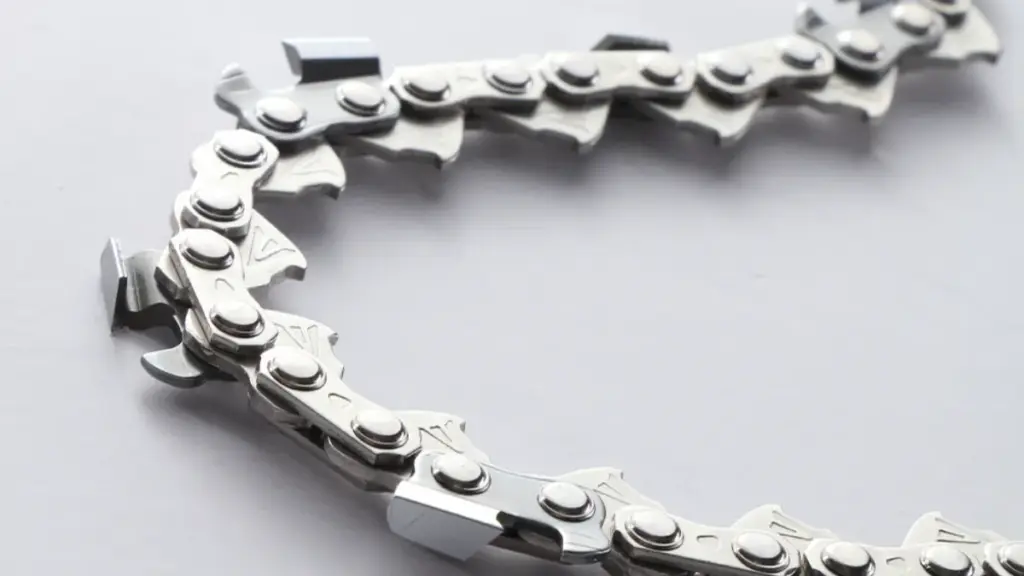
The choice between high-profile and low-profile chain pitch is a direct trade-off between the aggressive cutting power required for professional forestry and the enhanced safety features necessary for residential use.
High-Profile Chains: Performance and Applications
High-profile, or standard, chains are built for professional and heavy-duty applications. They prioritize cutting speed and power, making them the top choice for forestry work and tasks that require high-performance from gas-powered saws.
- Optimized for aggressive cutting and efficiency in demanding jobs.
- Best paired with chainsaws that have larger engine displacements.
- Carries a higher risk of kickback, requiring skill and experience to handle safely.
Low-Profile Chains: Safety and Accessibility
Low-profile chains dominate the consumer and residential market. Their design incorporates safety features that reduce kickback, making them ideal for homeowners, light-duty work, and electric or battery-powered saws.
- Engineered to minimize the intensity and frequency of kickback.
- Delivers a smoother, more controlled cut, which is great for less experienced users.
- Works well with lower-power saws and is common on equipment for general yard maintenance.
Key Trade-Offs: Durability and Maintenance
Choosing between the two designs comes down to balancing performance with safety. High-profile chains are more durable for high-production environments, but low-profile chains offer accessibility at the cost of faster wear.
- Standard chains typically last longer under constant professional use.
- Low-profile chains are built with user safety as the priority, which can affect their overall toughness.
- Professionals select pitch based on the specific cutting task, while consumers benefit from the built-in safety of low-profile chains.
How to Select Pitch Based on Your Chainsaw Sprocket Type
A chainsaw’s chain pitch must exactly match its drive sprocket pitch; any mismatch will damage the saw and create a significant safety risk.
| Sprocket Type | Key Characteristic | Pitch Flexibility |
|---|---|---|
| Spur Sprocket | A single, solid component with teeth integrated directly into the main body. | Fixed. The pitch cannot be changed without replacing the entire sprocket assembly. |
| Rim Sprocket | A two-piece system with a central drum and a separate, replaceable rim that holds the teeth. | Modular. The pitch can be changed by swapping only the rim for a different size. |
Matching Sprocket Pitch with Chain Pitch
The single most important rule when selecting a chain is that its pitch must exactly match the pitch of the drive sprocket. Using mismatched components causes rapid wear on the drive links, sprocket, and guide bar. This leads to poor cutting performance and creates potential safety hazards from chain slippage or breakage. This compatibility is non-negotiable for proper chainsaw function.
- Your chainsaw’s sprocket, guide bar, and chain must all be designed for the same pitch measurement (e.g., .325″, 3/8″).
- Check the sprocket itself for a stamped number indicating its pitch; this is the primary measurement to follow.
- A mismatch prevents the chain’s drive links from seating correctly in the sprocket’s teeth, causing chain slippage and damage.
Identifying Your Sprocket Type: Rim vs. Spur
Chainsaws use one of two sprocket types to drive the chain: a spur sprocket or a rim sprocket system. While both perform the same function, the rim sprocket system offers more flexibility for changing the saw’s pitch. Identifying which type your saw has helps determine the easiest path for component selection and replacement.
- A spur sprocket is a single, solid piece with teeth that directly engage the chain. Its pitch is fixed.
- A rim sprocket consists of a central drum and a separate, replaceable rim that contains the teeth.
- With a rim sprocket, you can change your saw’s pitch by simply swapping the rim for one with a different pitch measurement, as long as a compatible bar and chain are also used.
Using Manufacturer Specifications for Guaranteed Compatibility
To eliminate guesswork, always refer to the manufacturer’s technical specifications for your chainsaw model. As of 2026, most professional-grade manufacturers provide detailed compatibility charts that ensure all components work together seamlessly as an integrated system. Sticking to these official recommendations is the surest way to guarantee both safety and performance.
- Consult your chainsaw’s owner’s manual, which lists the original equipment (OEM) specifications for pitch.
- Look for compatibility charts on the manufacturer’s website or in product catalogs for your specific saw model.
- Following these official recommendations ensures that the chain, bar, and sprocket combination has been tested for safety and optimal performance.
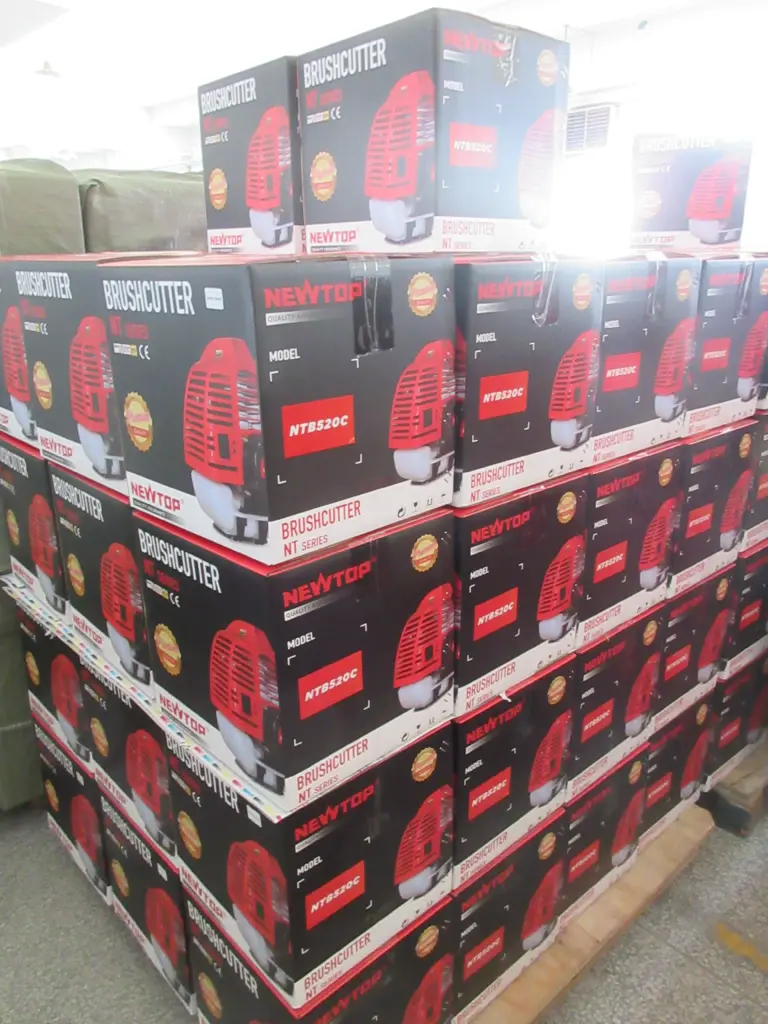
Why Choose NEWTOP Factory-Pitched Chains for Durability?
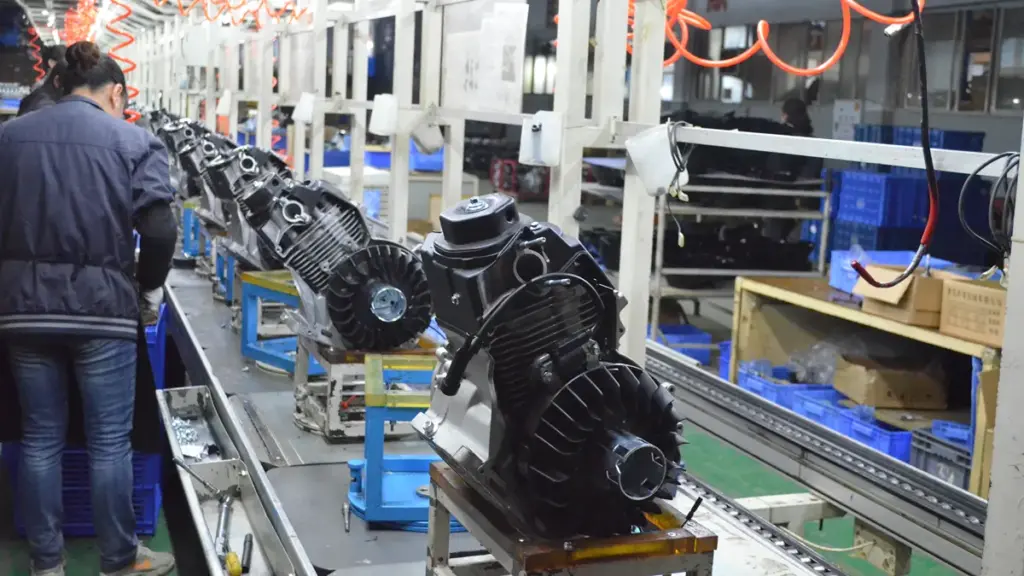
Direct factory oversight, from CNC machining to final quality control, produces chains with precise pitch and material integrity, resulting in longer operational life and reliable performance.
At NEWTOP, chain pitch and gauge are engineered as part of a complete power transmission system — not treated as isolated components.
Our chains are manufactured with:
- CNC-precision rivet spacing
- Heat-treated drive links
- High-carbon alloy steel cutters
- Compatibility testing with Oregon-standard sprocket geometry
We collaborate with global component suppliers such as Oregon and Walbro standards to ensure dimensional accuracy and durability.
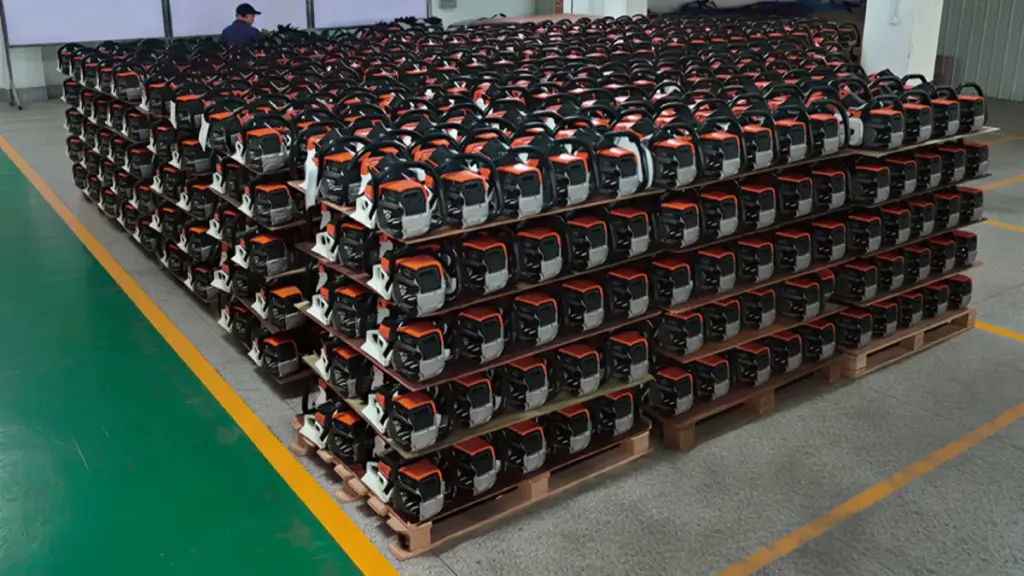
With over 500,000 units annual production capacity and exports to 65+ countries, NEWTOP chains are designed for:
- Forestry logging
- Agricultural wood cutting
- Firewood preparation
- Commercial landscaping
For OEM partners, we offer:
- Custom pitch and gauge configurations
- Anti-corrosion coating options
- Packaging customization
- Private label branding
When durability, precision, and global compatibility matter, factory-matched pitch systems reduce field failure rates and increase long-term customer satisfaction.
Conclusion
Selecting the correct pitch and gauge for your chainsaw chain is essential for both safety and performance. These precise measurements ensure compatibility with your guide bar and sprocket, preventing equipment damage and maximizing cutting efficiency. A proper match delivers a smoother, faster cut while reducing the risk of kickback.
To ensure your equipment is always ready, take a moment to confirm the pitch and gauge requirements for your saws. If you’re looking for durable, factory-specified chains that eliminate guesswork, our team can provide a full product catalog.
Frequently Asked Questions
What does 3/8 LP pitch mean?
3/8 LP stands for 3/8-inch low-profile pitch. It has the same rivet spacing as standard 3/8″, but smaller cutter height to reduce kickback and engine load.
What does .325 pitch mean on a chainsaw?
.325 pitch refers to a chain where the rivet spacing divided by two equals 0.325 inches. It is commonly used on mid-sized chainsaws for balanced cutting performance.
Is .325 or 3/8 pitch better for firewood?
The better pitch for firewood depends on your chainsaw’s power. A .325″ pitch chain is more efficient on saws between 40-60cc, offering a smoother cut with less vibration. For more powerful saws (60cc+), the larger 3/8″ pitch is superior, as its bigger cutters remove wood more aggressively for faster cutting of large-diameter logs.
What is the difference between a 3.8 and a .325 chainsaw chain?
The primary difference is cutter size and spacing. 3/8″ chains have larger cutters and remove more material per pass, while .325 chains offer smoother handling and moderate engine demand.
What pitch is best for a chainsaw?
The best pitch depends on engine size and intended application. Small homeowner saws often use 3/8″ LP. Mid-range saws use .325. Professional forestry saws use 3/8″ standard or .404.
Can you run a different pitch chain on the same bar?
No, you cannot run a different pitch chain on the same bar. The chain’s pitch must perfectly match the guide bar’s nose sprocket and the saw’s drive sprocket. A mismatch will prevent the chain from seating correctly, leading to rapid wear, equipment damage, and a significant safety risk. Always use the pitch specified for your bar.
What happens if I use the wrong gauge chain?
Using the wrong gauge chain creates poor performance and a serious safety hazard. If the gauge is too thin, the chain will fit loosely in the bar groove, causing instability, poor oiling, and a high risk of derailing. If the gauge is too thick, it will not fit in the bar groove at all, making operation impossible.
Is 3/8 low profile the same as 3/8 standard?
No, 3/8″ low profile (LP) is not the same as a standard 3/8″ chain. While both share the 0.375-inch pitch measurement, the LP version has a smaller chassis with shorter cutters and depth gauges. This design reduces kickback and is intended for smaller, less powerful saws. They are not interchangeable and require different drive sprockets.