Бензопилы с верхней ручкой имеют основную рукоятку сверху корпуса для использования в воздухе одной рукой., в то время как бензопилы с задней рукояткой имеют заднюю рукоятку позади двигателя для стабильной работы на земле двумя руками.. Профессиональные арбористы, лесорубы, и ландшафтные дизайнеры часто сталкиваются с выбором между ними при выполнении сложных работ с деревьями..
Как специалист по уличному энергетическому оборудованию, мы устраним фундаментальные различия, плюсы и минусы, и соображения безопасности, которые помогут вам принять обоснованное решение для вашего автопарка или бизнеса..
Что такое бензопила с верхней ручкой?
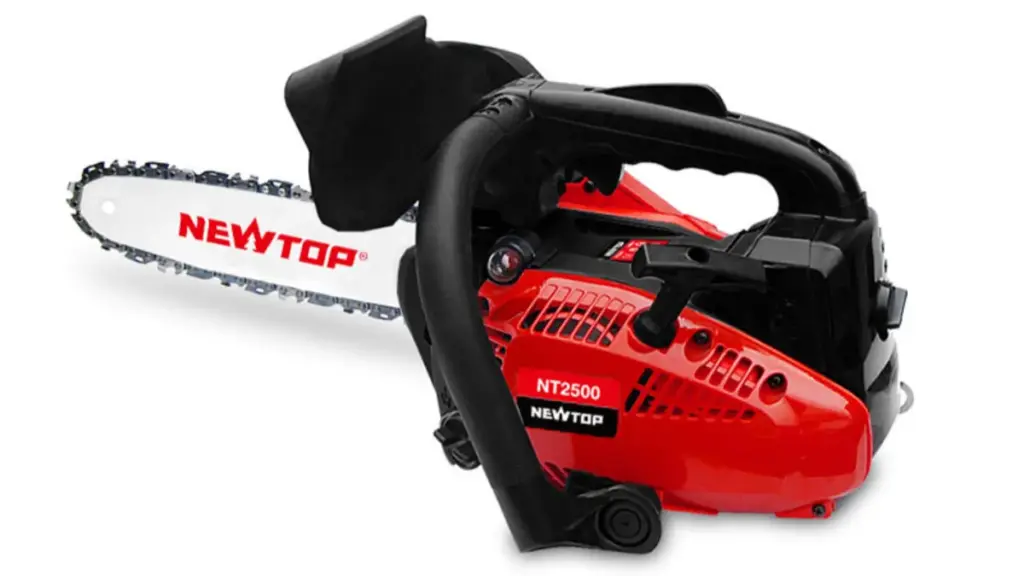
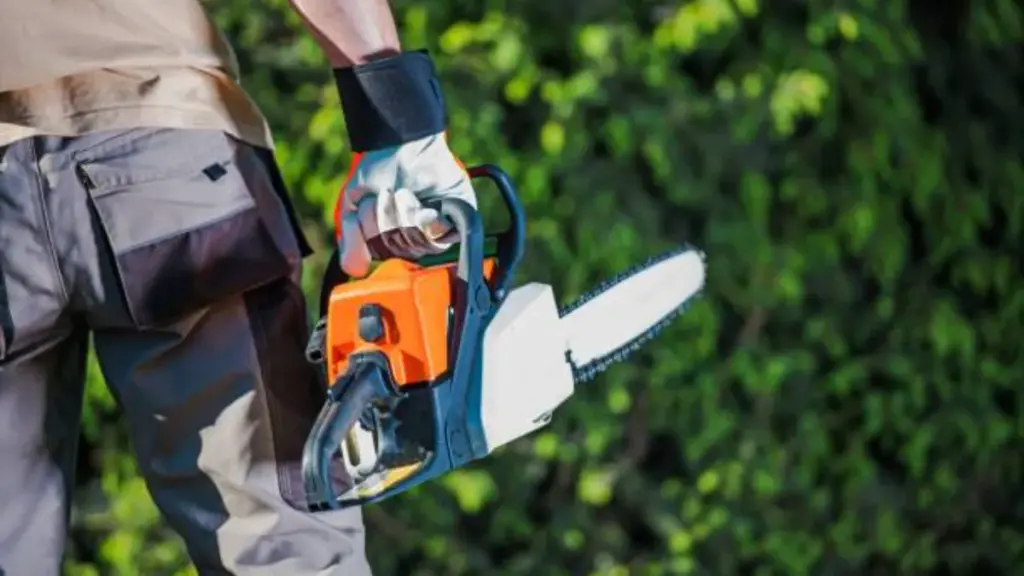
Бензопила с верхней ручкой — инструмент, специально разработанный для профессиональных арбористов., приоритет компактного, сбалансированная конструкция для точной резки на возвышенностях и в ограниченном пространстве.
Предназначен для арбористов и авиационных работ.
Бензопила с верхней ручкой — это специализированный инструмент, разработанный почти исключительно для профессиональных арбористов, работающих на высоте.. В его конструкции приоритет отдается контролю и маневренности при резке на возвышении или в неудобном положении., например, в кроне дерева. Такая направленность делает ее стандартом для работ вне земли, где традиционная пила была бы небезопасной или громоздкой..
Типичные модели весят около 6.5 к 10 фунтов и имеют длину направляющей стержня 10 к 16 дюймы, что делает их меньше и портативнее, чем стандартные пилы.. Эти параметры отдают приоритет гибкости, а не объему..
Ключевые характеристики: Компактный, Легкий, и сбалансированный
Отличительными особенностями бензопилы с верхней рукояткой являются ее небольшой размер и уменьшенный вес.. Эта конструкция сводит к минимуму утомляемость оператора при длительной работе с деревьями и позволяет выполнять точные пропилы в ограниченном пространстве, где пила большего размера была бы непрактичной.. Отличный баланс имеет решающее значение для сохранения контроля при резке из нестабильных положений..
- Компактный форм-фактор облегчает перемещение по густым ветвям..
- Отличный баланс обеспечивает больший контроль, что критично при резке из нестабильных положений.
- Многие модели в 2026 питаются от батареек, дальнейшее повышение их легкости и снижение выбросов.
Основные приложения
Этот тип бензопилы не предназначен для валки больших деревьев.. Он превосходно справляется с задачами, требующими точности и маневренности., как подрезка конечностей, удаление валежника, и секционирование ветвей в положении лазания. Контролируемая мощность позволяет выполнять точные пропилы, не повреждая окружающую структуру дерева., сохранение здоровья деревьев.
- Идеально подходит для формирования кроны деревьев и выполнения хирургических разрезов для поддержания здоровья деревьев..
- Позволяет использовать одну руку в определенных ситуациях сертифицированными специалистами., освобождая другую руку для стабильности.
- Контролируемая мощность позволяет выполнять точные пропилы, не повреждая окружающую структуру дерева..
Что такое бензопила с задней рукояткой?
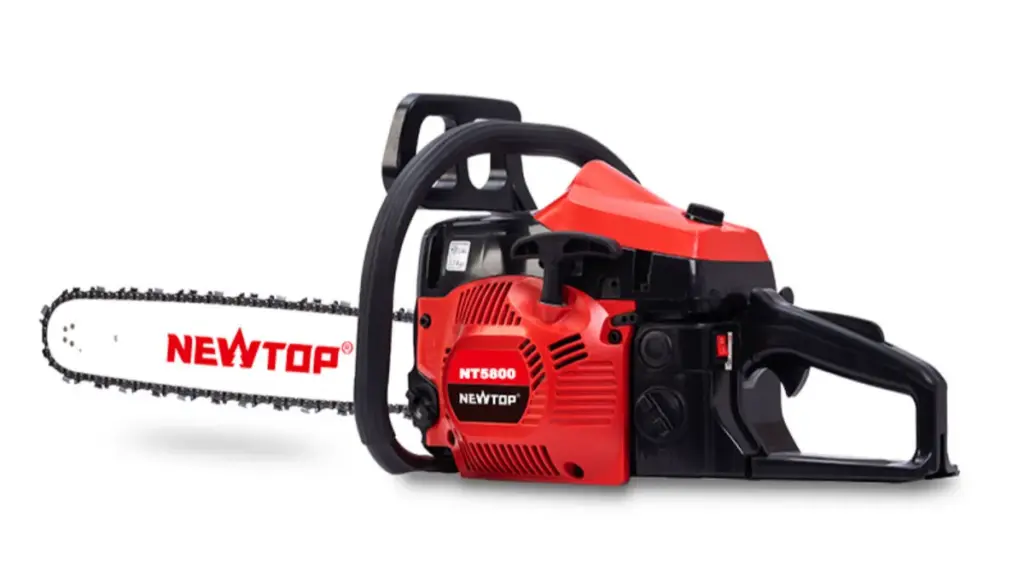
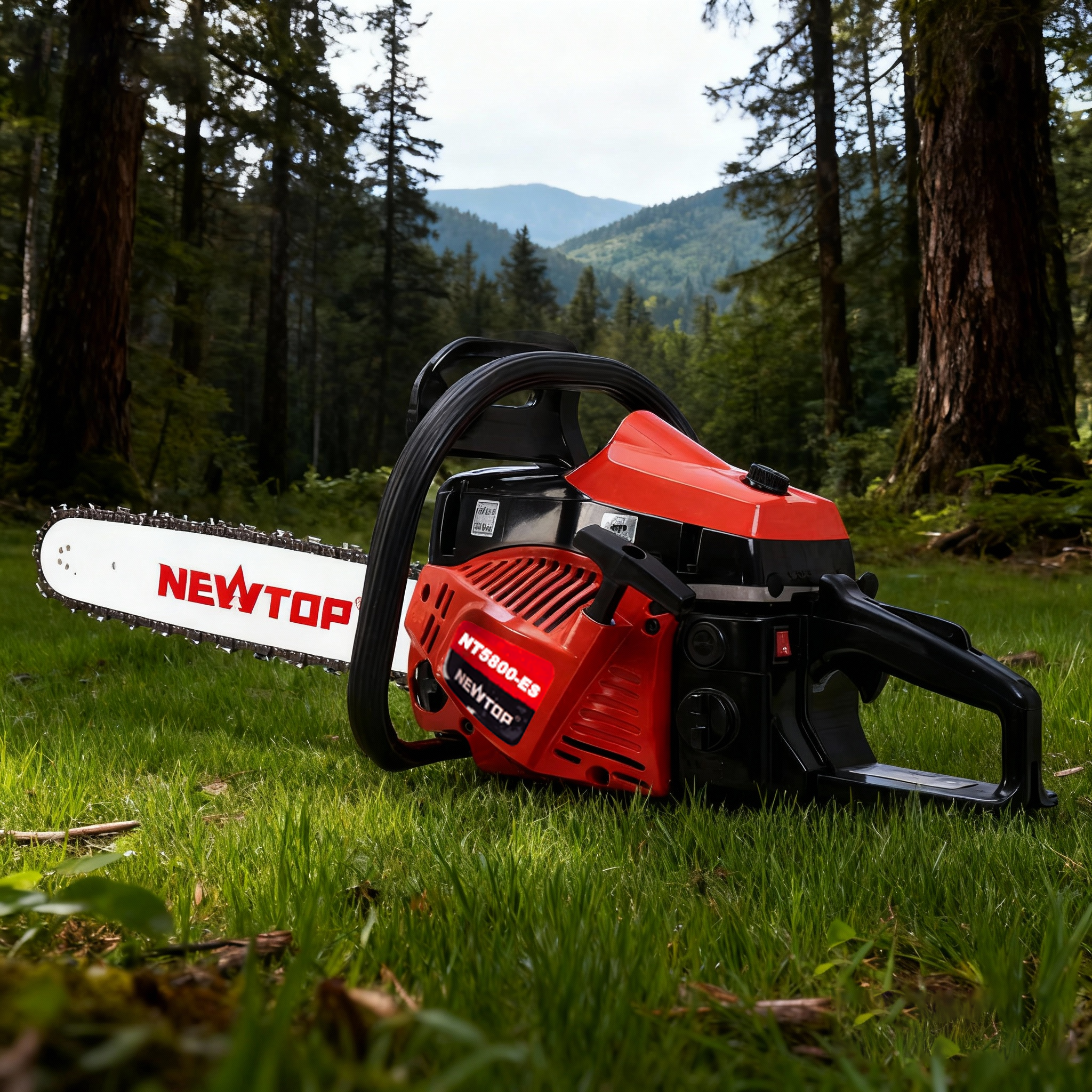
Бензопилы с задней рукояткой являются отраслевым стандартом для резки с уровня земли., разработан с конфигурацией с двумя ручками для максимального увеличения рычага, контроль, и безопасность для тяжелых задач.
Основная конструкция и работа
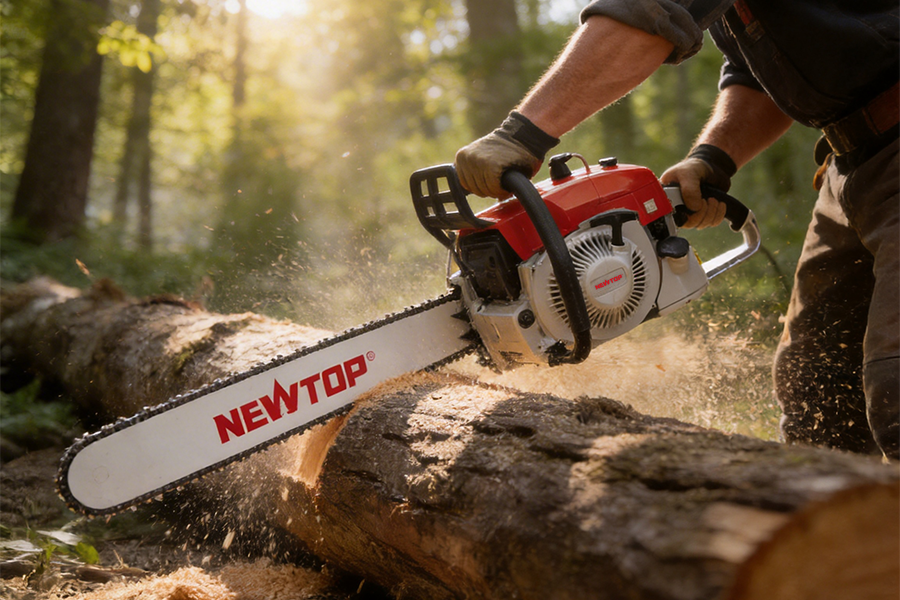
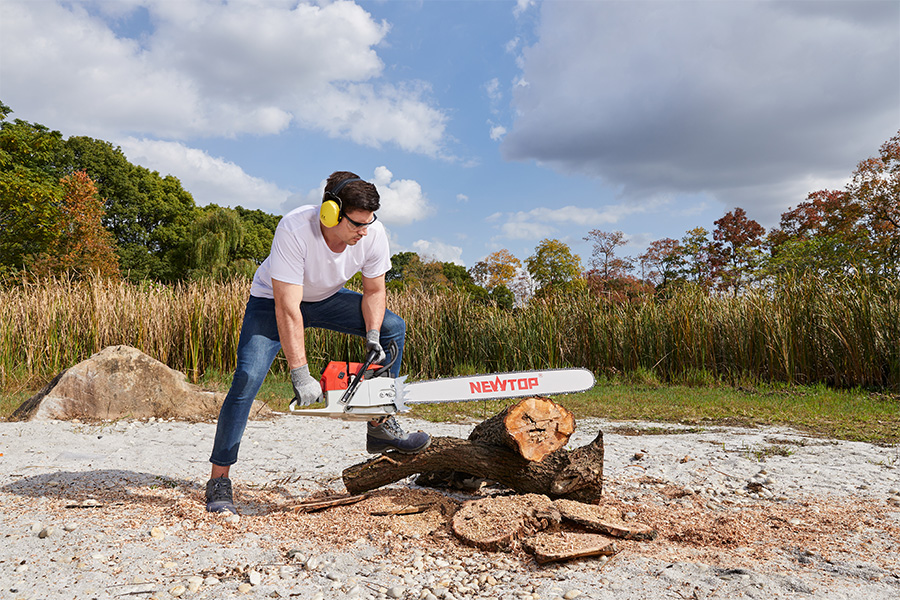
Бензопила с задней рукояткой – универсальное решение., полноразмерная бензопила, предназначенная для общего и тяжелого использования, с основной рукояткой, расположенной за двигателем, и передней рукояткой для безопасной работы двумя руками.. В конструкции предусмотрено распределение веса назад., увеличенный корпус двигателя, защитные щитки для рук, и удлиненная направляющая шина для превосходного рычага и мощности при сложных резах..
Общие характеристики включают вес от 11 к 15 фунты для газовых моделей, с длиной направляющей шины от 14 к 24 дюймов или больше в зависимости от объема двигателя (например, 36-60копия). Это делает их прочными, но менее компактными..
Общие приложения
Бензопилы с задней рукояткой предназначены для работы на уровне земли., приложения для тяжелых условий эксплуатации. Они являются стандартным инструментом для домовладельцев, владеющих большими объектами недвижимости, и профессионалов, выполняющих сложные задачи по резке на открытых площадках..
- Вырубка больших деревьев.
- Распиловка бревен и обработка древесины.
- Расколка дров.
- Общий уход за имуществом и уборка после дождя.
Получите конкурентное преимущество с помощью надежного оборудования
Плюсы и минусы бензопил с верхней ручкой
Бензопилы с верхней рукояткой обеспечивают непревзойденный контроль для профессиональных арбористов, работающих на высоте., но эта специализированная конструкция создает риски для безопасности и функциональные ограничения для наземных работ..
Преимущества для профессиональных авиационных работ
Бензопилы с верхней рукояткой разработаны специально для профессиональных арбористов, которым нужен компактный и маневренный инструмент для резки на возвышенностях или в ограниченном пространстве.. В дизайне приоритет отдается балансу и контролю., что делает его стандартом для любой работы, требующей подъема или работы с подъемной платформы..
- Компактная и легкая конструкция снижает утомляемость оператора при длительной работе с деревьями с воздуха..
- Превосходная маневренность и баланс облегчают выполнение точных разрезов в неудобных положениях., например, в кроне дерева.
- Конструкция позволяет сертифицированным специалистам использовать его одной рукой., освобождение другой руки для устойчивости во время лазания.
Ограничения и недостатки
Идеально подходит для специализированных задач, Бензопилы с верхней рукояткой имеют существенные недостатки, ограничивающие их повсеместное использование.. Их уникальная конструкция делает их менее подходящими и потенциально более опасными для любого типа резки на уровне земли., задача лучше подходит для моделей с задней ручкой.
- Их премиальная цена отражает наличие специальных сертификатов проектирования и безопасности, необходимых для воздушного оборудования профессионального уровня..
- Они не предназначены для валки или раскряжевки земли., где пилы с задней рукояткой обеспечивают лучший рычаг и эксплуатационную безопасность.
- Близкое расположение рук увеличивает риск серьезной травмы от отдачи., требующие специальной подготовки для безопасной эксплуатации.
Плюсы и минусы бензопил с задней рукояткой
Бензопилы с задней рукояткой обеспечивают превосходную устойчивость и универсальность при резке на земле., делая их стандартом для большинства пользователей, хотя их размер и вес ограничивают маневренность в ограниченном пространстве..
Преимущества
- Доступность мощности: Подходит для более мощных двигателей (40-60копия) и дольше направляющие стержни (до 24+ дюймы) для эффективной распиловки толстой древесины при лесозаготовках.
- Контроль стабильности: Двуручные рукоятки с задним балансом обеспечивают рычаг, минимизирующий отдачу при валке и раскачивании..
- Универсальное использование: Занимается обработкой дров, очистка от шторма, обрезка живой изгороди, и надежное обслуживание имущества.
- Эргономичный комфорт: Снижает усталость рук во время длительных наземных тренировок для профессионалов и новичков..
- Фокус на долговечность: Прочная конструкция выдерживает ежедневные нагрузки при лесозаготовках и ландшафтном дизайне..
Недостатки
- Высокая усталость: 11-15+ фунтовое телосложение ускоряет утомление при длительных задачах.
- Массовые ограничения: Мешает маневренности в ограниченном пространстве, например, при лазании или плотной обрезке..
- Уровни вибрации: Более высокая мощность двигателя увеличивает риск вибрации руки..
- Проблемы переносимости: Больший профиль усложняет транспортировку и хранение..
- Накладные проблемы: Менее подходит для авиационных работ из-за требований к погрузочно-разгрузочным работам..
Ключевые различия между верхней ручкой и задней ручкой
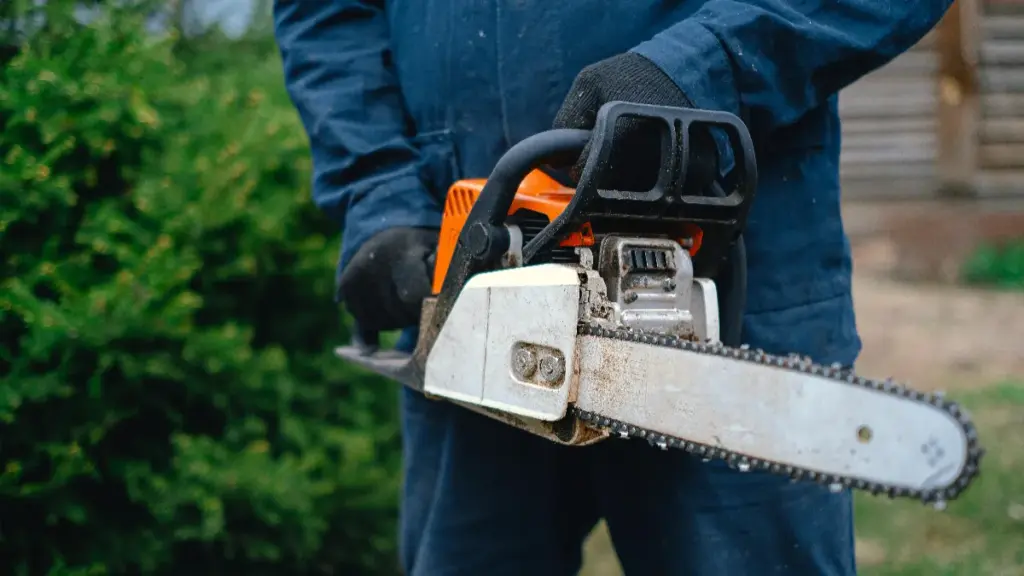
Помочь профессионалам сравнить технические характеристики и функциональные возможности этих инструментов., мы суммировали ключевые различия ниже:
| Атрибут | Бензопила с верхней ручкой | Задняя ручка бензопилы |
|---|---|---|
| Положение ручки | Верхняя рукоятка для компактного управления в воздухе. | Задняя рукоятка за двигателем с передней рукояткой для двух рук. |
| Диапазон веса | Легкий 8-10 фунты, снижает утомляемость на высоте | Тяжелее 11-15+ фунты, стабильный для наземного использования |
| Длина направляющей шины | короче 10-16 дюймы для точности | дольше 14-24+ дюймов для толстых порезов |
| Мощность двигателя | Меньший 25-45 куб.см, маневренный для обрезки | Больше 40-60cc+, мощный для рубки |
| Маневренность | Отлично подходит для ограниченного пространства и скалолазания. | Повышенная устойчивость на земле, более громоздкие накладные расходы |
| Риск отдачи | Выше из-за меньшего веса и плотного захвата | Нижняя с рычагом и защитными ограждениями |
| Лучший пользовательский навык | Только продвинутые профессионалы/арбористы | От новичков до профессионалов |
| Основные приложения | Лазание по деревьям, захоронение, воздушная обрезка | Вырубка, раскачивание, дрова, очистка |
| Портативность | Компактный, легко переносить и хранить | более объемный, требуется больше места для хранения |
| Ценовой диапазон | Средний уровень, часто специализированные цены | Сильно варьируется в зависимости от мощности двигателя |
Руководство по выбору: Верхняя ручка против задней ручки – Какой из них подойдет вам?
| Критерии выбора | Выберите бензопилу с верхней рукояткой, если… | Выбирайте бензопилу с задней рукояткой, если… |
|---|---|---|
| Основная рабочая среда | Вы сертифицированный арборист, работающий на высоте. (восхождение, воздушный подъемник). | Вы в основном работаете на земле. |
| Ключевая задача | Вам нужно сделать точные надрезы в плотных, неудобные позы в кронах деревьев. | В ваши задачи входит вырубка, раскряжевка бревен, рубка дров, или ураганная уборка. |
| Профиль пользователя | Вы квалифицированный специалист, имеющий сертификат для выполнения более высокой работы.. | Вы домовладелец, главный оператор лесного хозяйства, или новичок. |
| Приоритет управления | Маневренность и компактность имеют решающее значение для специализированной резки.. | Максимальная стабильность, использовать, и требуется двуручное управление. |
Для профессиональных арбористов и работы на деревьях
Бензопилы с верхней рукояткой — это специализированные инструменты, разработанные для сертифицированных арбористов, работающих на высоте.. Их компактность, Легкая конструкция и встроенная рукоятка обеспечивают маневренность, необходимую для работы внутри кроны дерева.. Эта конструкция является отраслевым стандартом обрезки., захоронение, и выполнение точных разрезов на возвышенностях и в ограниченном пространстве, где пила большего размера нецелесообразна..
- Выбирайте верхнюю рукоятку, если ваша основная работа связана с подъемом на подъемник или работой на подъемнике..
- Конструкция оптимизирована для выполнения точных пропилов в неудобных положениях, где обычная двуручная пила не подходит..
- Безопасная эксплуатация этих инструментов требует надлежащего обучения и сертификации., поскольку использование одной рукой увеличивает операционный риск.
Для наземной резки и общего использования
Бензопилы с задней рукояткой — идеальный инструмент практически для любой резки с уровня земли.. Конструкция обеспечивает превосходную стабильность, использовать, и контроль, что делает его правильным выбором для валки деревьев, распиловка бревен на секции, и чистящая щетка. Данная конфигурация является стандартной для домовладельцев., менеджеры по недвижимости, и операторы лесного хозяйства, работающие на твердой почве.
- Выберите заднюю ручку для таких задач, как распиловка дров., управление уборкой после шторма, и валка небольших и средних деревьев.
- Двуручный захват обеспечивает лучший контроль., повышает безопасность, и снижает утомляемость оператора при длительном использовании.
- Эта конструкция по своей сути более стабильна., что делает его более безопасным и эффективным вариантом для любого пользователя на земле..
Подбор инструмента для вашего основного применения
Правильный выбор полностью зависит от вашей рабочей среды., не на какой пиле универсально “лучше.” У профессионального арбориста есть оба типа: верхняя ручка для лазания и задняя ручка для работы в земле.. Почти для всех остальных, пила с задней рукояткой — более универсальный и подходящий инструмент для обычных задач резки..
- Оцените свои наиболее распространенные задачи: Вы постоянно работаете на дереве или на земле??
- Никогда не используйте пилу с верхней рукояткой для валки деревьев на уровне земли.. Его конструкция не оптимизирована для использования рычагов или протоколов безопасности, необходимых для этой работы..
- Для покупателей и дилеров B2B, предложение обеих моделей позволяет вам обслуживать два разных рынка.: сертифицированные специалисты и обычные потребители.
Почему стоит выбрать бензопилы NEWTOP для своего бизнеса?
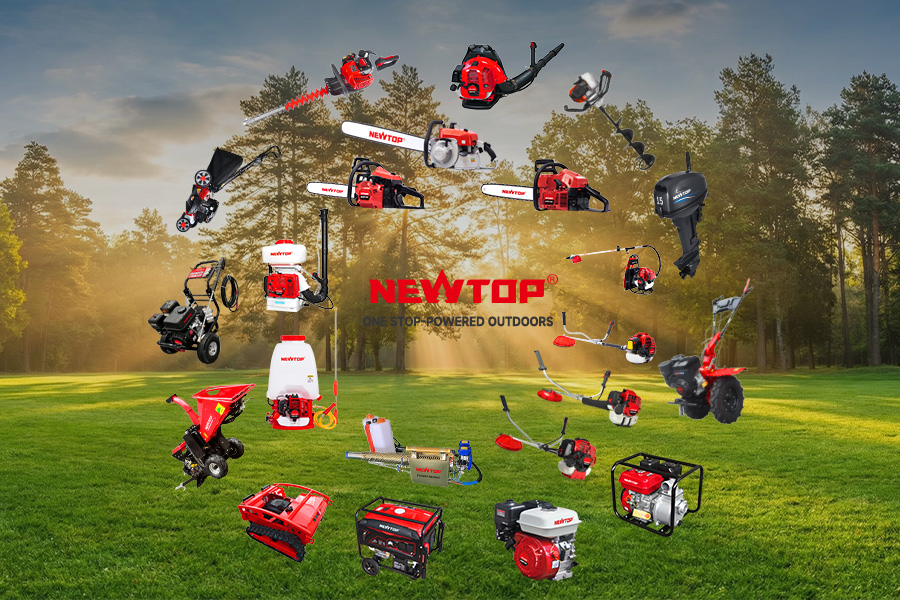
NEWTOP предоставляет партнерам B2B масштабируемое производственное решение для надежного, бензопилы среднего класса, сочетание компонентов мирового класса с гибкой OEM-поддержкой для создания сильного ценового предложения на мировых рынках..
Бензопилы NEWTOP обеспечивают производительность профессионального уровня как при использовании верхней, так и задней рукоятки., при поддержке более чем 20 многолетний опыт работы с газовыми садовыми инструментами. Наши модели оснащены высокоточной обработкой на станках с ЧПУ., Карбюраторы Вальбро, Свечи зажигания НГК, и цепи Oregon для исключительной долговечности, превышающей 200 часы.
С CE, GS, Агентство по охране окружающей среды, и сертификаты EURO II, NEWTOP обеспечивает соответствие требованиям на глобальных рынках, таких как Африка., Латинская Америка, и Юго-Восточная Азия. Конкурентные цены, настраиваемые параметры OEM/ODM, и надежные цепочки поставок делают нас лучший выбор для дистрибьюторов ищем поставщиков бензопил 500,000+ годовая мощность.
Станьте сильнее вместе с NEWTOP — вашим надежным партнером по садовым инструментам. Ознакомьтесь с нашим ассортиментом на newtoptools.com. Для получения дополнительной информации, свяжитесь с нами сегодня!
Заключение
Выбор между бензопилой с верхней и задней рукояткой напрямую влияет на безопасность оператора и производительность работы.. Пила с верхней ручкой — специализированный инструмент для обученных арбористов, работающих на высоте., в то время как модель с задней ручкой обеспечивает устойчивость, необходимую для земляных работ.. Использование пилы, подходящей для конкретного применения, предотвращает несчастные случаи и обеспечивает эффективную работу., чистые порезы.
Оцените типичную рабочую среду вашей команды, чтобы убедиться, что ваш парк оборудования правильно оснащен.. Чтобы найти бензопилы профессионального уровня, рассчитанные на долговечность и производительность., изучить каталог продукции NEWTOP для нужд вашего бизнеса.
Часто задаваемые вопросы
Почему люди используют бензопилы с верхней ручкой?
Бензопилы с верхней рукояткой используются из-за их компактных размеров и маневренности.. Они позволяют альпинистам делать точные пропилы в ограниченном пространстве внутри кроны дерева, где традиционная пила была бы слишком громоздкой..
Можно ли использовать бензопилу с верхней ручкой на земле??
Не рекомендуется — отсутствует задний рычаг., они снижают устойчивость и повышают риски отдачи при выполнении наземных задач; резерв только для авиационных работ.
Опасны ли бензопилы с верхней ручкой?
Да, они считаются более опасными, чем пилы с задней ручкой, из-за узкого захвата.. Из-за такой конструкции отдачу гораздо труднее контролировать.. Их должны использовать только профессионалы, прошедшие соответствующую подготовку арбористов..
В чем преимущество бензопилы с задней рукояткой?
Главные преимущества – контроль., использовать, и безопасность. Расстояние между рукоятками позволяет оператору более эффективно управлять мощностью пилы и обеспечивает более безопасное расстояние между цепью и телом оператора..
Лучше ли пила с верхней ручкой для лазания??
Да. Его распределение веса и компактная форма специально разработаны для скалолазания.. Его можно легко прикрепить к ремням безопасности и использовать под неудобными углами, которые часто требуются при работе с деревом..
Какой стиль ручки лучше всего подойдет новичку?
Бензопила с задней ручкой — единственный выбор для новичков.. Он обеспечивает необходимую стабильность и безопасность для безопасного изучения правильных методов резки..