세계 해양산업은 새로운 성장 사이클을 맞이하고 있습니다., 해양 부품 유통업체를 위한 중요한 기회 창출. 라이징 레크리에이션 보트, 상업 어업 확장, 해상 운송 증가, 노후화된 선박은 모두 엔진 전체 교체보다는 교체 부품에 대한 지속적인 수요를 창출하고 있습니다.. 대리점용, 더 이상 단순히 대량의 재고를 제공하는 것만으로는 성공이 결정되지 않습니다.. 대신에, 고객은 점점 더 안정적인 공급망을 중요하게 생각합니다., OEM 품질의 제품, 기술 지원, 그리고 빠른 배송.
다년간의 엔진 제조 경험을 갖춘 옥외용 전력기기 제조업체로서, 뉴탑 신뢰할 수 있는 제품을 찾는 글로벌 유통업체의 수요가 증가하고 있습니다. 해양 엔진 부품, 프로펠러, 그리고 애프터마켓 액세서리. 시장이 어디로 향하고 있는지 이해하면 유통업체는 보다 현명한 구매 결정을 내릴 수 있습니다., 재고 위험 감소, 장기적인 경쟁 우위를 구축합니다..
글로벌 해양 예비 부품 시장 개요 및 성장 동인
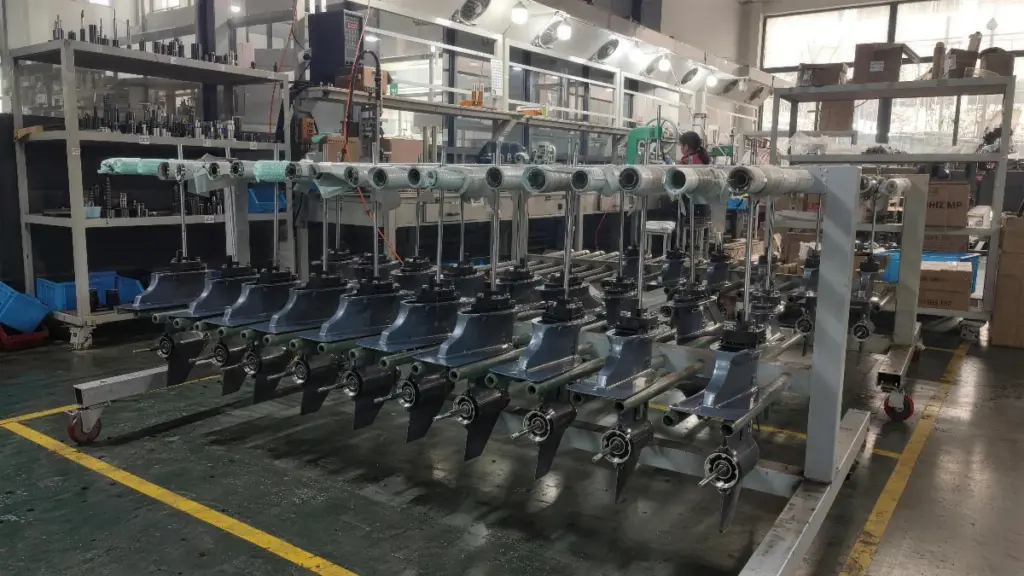
선박 예비 부품 시장의 성장은 노후화된 함대에 의해 주도됩니다, 엄격한 환경 규칙, 그리고 새로운 기술, 믿을 수 있는 만들기, 필수 부품에 대한 비재량적 수요.
시장 규모 및 주요 제품 부문
에 따르면 지속성 시장 조사, 세계 선박 부품 및 장비 시장은 2019년 101억 달러에서 성장할 것으로 예상됩니다. 2025 143억 달러로 증가 2032, 대표하는 5.1% 예측 기간 동안 CAGR. 이러한 수요의 대부분은 마모가 가장 심한 부품에서 발생합니다.. 여기에는 추진 및 엔진 시스템용 부품이 포함됩니다., 펌프 및 밸브와 같은 보조 기계, 및 중요한 항법 장비. 상업용 화물 및 유조선 함대가 물량 기준으로 가장 큰 비중을 차지하지만, 해군 함정은 불균형적으로 높은 수준의 지출을 차지합니다.. 그 이유는 그들의 전문화된, 고사양 구성 요소는 훨씬 더 높은 가격표를 가지고 있습니다..
해양 무역 증가 및 함대 역학 노후화
세계 해상 무역이 증가함에 따라, 선박은 단순히 더 많은 시간 동안 작동합니다. 이는 부품 마모 증가와 교체 부품에 대한 지속적인 수요로 직접적으로 이어집니다.. 세계 함대의 상당 부분, 특히 벌크선과 유조선, 끝났다 15 세. 이러한 오래된 선박은 서비스를 계속 유지하려면 당연히 더 많은 유지 관리와 더 자주 부품 교체가 필요합니다.. 새로운 선박을 건조하는 데 드는 높은 비용으로 인해 많은 선주들이 기존 선박의 수명을 연장하게 됩니다.. 이 결정은 애프터마켓 예비 부품 및 대대적인 정밀 검사의 필요성을 증폭시킵니다., 시장에 더욱 활력을 불어넣다.
안전 및 배출에 대한 규정 준수
국제해사기구 (IMO) 안전 및 환경 보호에 대한 규칙은 수요의 큰 원동력입니다.. 안전을 위한 SOLAS 및 배출을 위한 EEXI/CII와 같은 규정으로 인해 선주는 규정 준수 장비를 설치하고 유지해야 합니다.. 황 배출을 목표로 하거나 평형수 처리를 요구하는 환경 규제로 인해 개조 프로젝트가 붐을 일으켰습니다.. 이러한 프로젝트는 장기적인, 필터와 같은 특정 부품에 대한 예측 가능한 수요, 센서, 새로운 시스템에 필요한 펌프. 이 지출은 선주에게 선택 사항이 아닙니다., 운임 변동에 영향을 받지 않는 안정적인 시장 동인이 됩니다..
기술 채택 및 항공기 현대화
디지털화 및 예측 유지 관리를 향한 업계의 움직임으로 인해 센서에 대한 필요성이 증가하고 있습니다., 제어 모듈, 원격 모니터링이 가능한 기타 전자 부품. 동시에, LNG 및 메탄올과 같은 대체 연료의 채택은 완전히 새로운 범주의 예비 부품을 창출하고 있습니다., 극저온 밸브 및 특수 가스 연료 시스템 등. 새로운 기술은 부품 공급 방식도 변화시키고 있습니다.. 예를 들어, 3D 프린팅은 특정 부품에 대한 주문형 제조를 가능하게 하기 시작했습니다., 이는 미래에 재고 및 물류 모델을 재구성할 수 있습니다..
해양 애프터마켓의 핵심 제품 카테고리
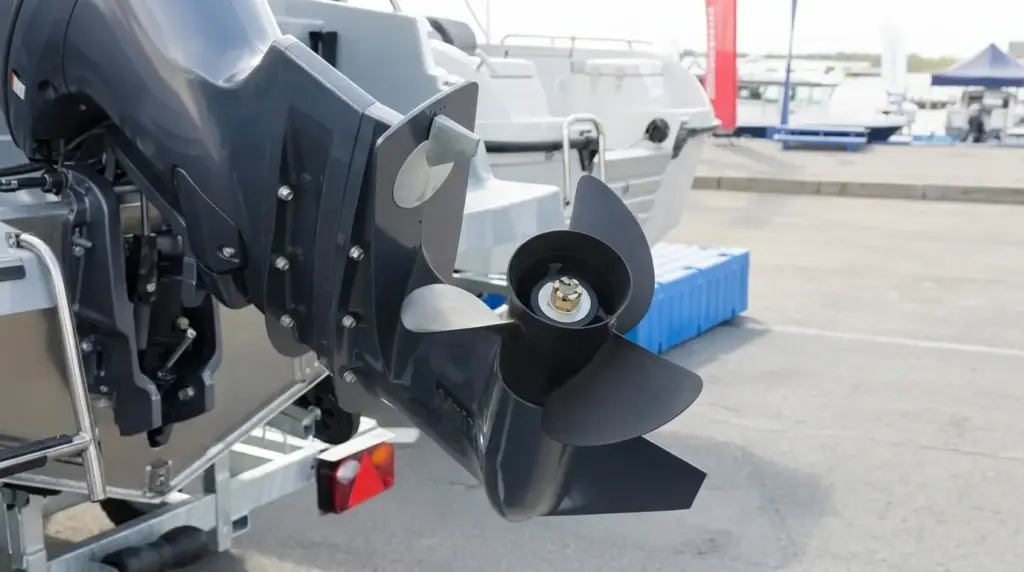
해양 애프터마켓은 핵심 시스템인 추진력을 중심으로 구성되어 있습니다., 통제 수단, 전기 같은, 그리고 배관. 수요는 꾸준하다, 유지보수 일정에 따라 구동됨, 안전 요구 사항, 그리고 성능 업그레이드.
고성능 유통 카탈로그 구축, 파트너는 빠르게 움직이는 소모품과 견고한 구조 교체 사이의 균형을 맞춰야 합니다.. 해양 구성 요소 생태계는 일반적으로 다음과 같이 분류됩니다. 4 필수 카테고리:
| 제품 카테고리 | 기본 구성 요소 포함 | 수요 속도 | 마진 프로필 |
|---|---|---|---|
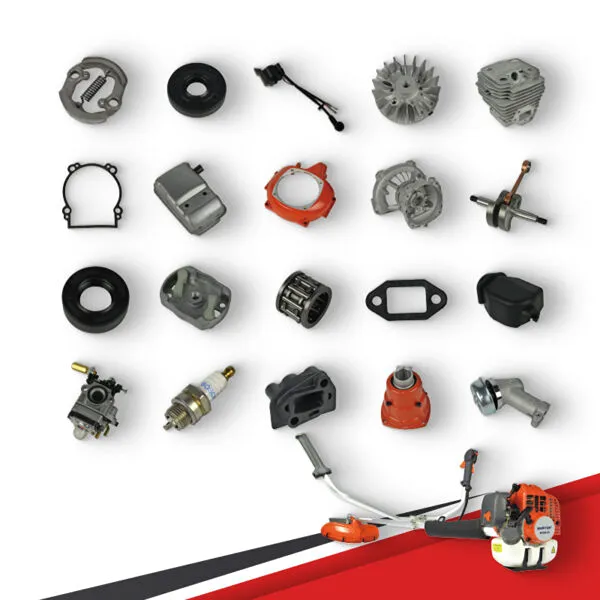
| 동력 엔진 내부 | 피스톤, 피스톤 링, 크랭크샤프트, 실린더 라이너, 밸브, 개스킷. | 중간 | 높은 |
| 추진 & 드라이브 시스템 | 선외 모터 프로펠러, 드라이브 샤프트, 전단 핀, 그리고 기어박스. | 높은 (영향 & 마모되기 쉬운) | 중간에서 높음 |
| 연료 & 전기 시스템 | 기화기, 연료 펌프, 점화, 자석, 및 스타터 어셈블리. | 높은 | 중간 |
| 일반 소모품 | 임펠러, 물 펌프, 오일 필터, 그리고 튼튼한 반동 시동 장치. | 매우 높음 (계절별/시간별) | 볼륨 중심 |
소모품에만 집중하면 돈이 남습니다., 무거운 엔진 내부 부품만 비축하는 동시에 느리게 움직이는 재고에 자본을 고정시킵니다.. 가장 성공적인 지역 유통업체는 다음을 사용합니다. 80/20 재고 전략: 80% 안정적인, 현금 흐름과 딜러 접점을 구축하기 위한 회전율이 높은 소모품, 그리고 20% 주요 수리 계약을 확보하기 위한 고마진 엔진 내부 교체.
신뢰할 수 있는 OEM 파트너와 함께 해양 부품 사업을 성장시키세요
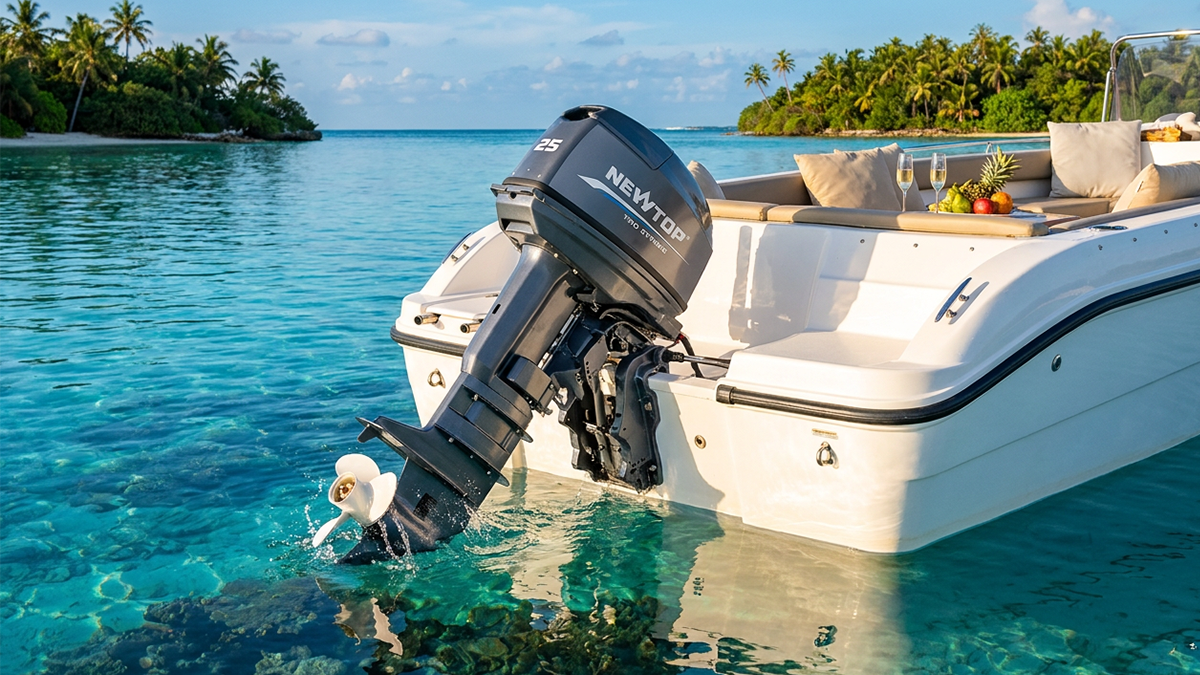
어업 전반에 걸친 수요 동향, 운송 및 레저 부문
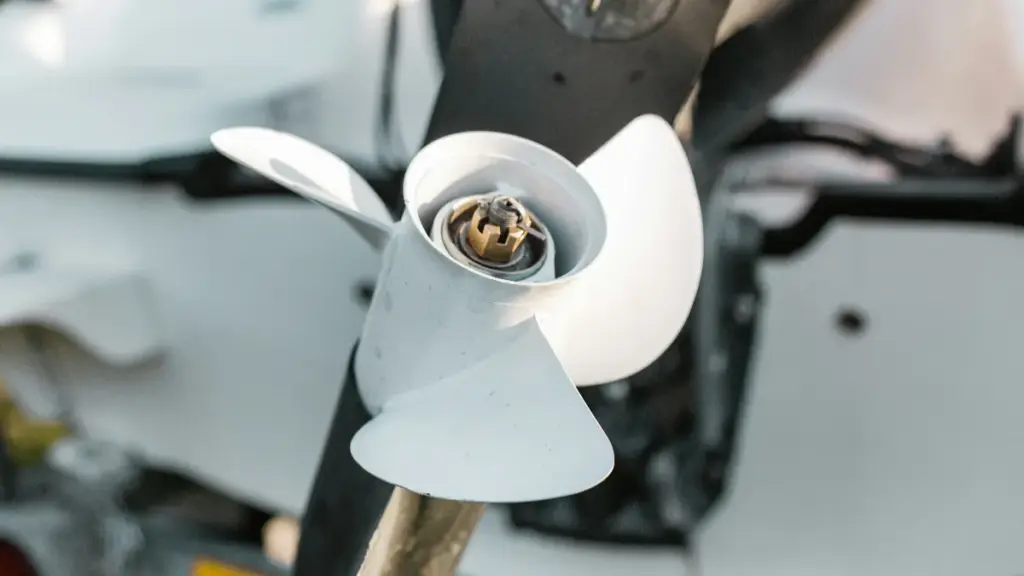
상업용 운송은 안정적으로 제공됩니다., 규제에 따른 수요, 레저보트 시장은 더욱 빠른 성장세를 보이고 있습니다.. 낚시는 더 주기적입니다, 유지 관리 및 운영 비용에 중점을 둡니다..
상업용 운송: 안정적인, 규제에 따른 수요
상업용 운송 부문은 예비 부품에 대한 가장 일관된 수요를 창출합니다.. 국제 무역을 위해 선박을 계속 운영해야 한다는 것은 유지 관리 및 교체가 협상 불가능하다는 것을 의미합니다..
규제 준수는 지출의 주요 원인입니다.. 안전 및 환경 성능에 관한 IMO의 규정에 따라 운영자는 개조 일정을 계획하고 구성품을 교체해야 합니다.. 엔진과 같이 마모 집약적이고 미션 크리티컬한 시스템에 수요가 집중됩니다., 추진, 슬리퍼, 및 여과 장비. 이 부문은 거래량 안정성을 제공합니다., 인증을 받은 공급업체에 적합합니다., 가동 시간이 긴 구성 요소.
어선: 순환 및 유지 관리 중심
어선의 수요는 반복되지만 예측할 수 없습니다.. 운영 시즌에 따라 크게 달라집니다., 연료비, 그리고 어획량의 경제성. 이 세그먼트는 일반적으로 가격에 민감합니다., 그래서 운영자는 내구성을 찾습니다., 비용을 낮추기 위한 수리 가능한 부품.
구매는 엔진의 일상적인 유지 관리 요구 사항에 중점을 두고 있습니다., 갑판 기계, 및 선체 관련 부품. 차량이 노후화되거나 새로운 규정으로 인해 장비 업그레이드가 요구되면 수요가 증가하는 경향이 있습니다., 그러나 상업용 운송 시장의 구조적 안정성이 부족합니다..
레저보트: 부품 및 액세서리 시장의 고성장
레저용 보트 부품 및 액세서리 시장은 광범위한 선박 예비 부품 산업보다 빠르게 성장할 것으로 예상됩니다.. 이러한 성장은 관광산업에 의해 뒷받침됩니다, 가처분 소득 증가, 전자제품과 편안함을 지향하는 액세서리의 진정한 혁신.
전기 추진 및 온보드 연결성을 향한 강력한 변화로 인해 배터리에 대한 새로운 수요가 창출되고 있습니다., 충전기, 센서, 및 제어 시스템. 이 세그먼트는 보다 순환적입니다., 소비자 신뢰도에 민감하기 때문에, 인플레이션, 그리고 이자율, 하지만 성장 잠재력은 상당하다.
모든 부문의 주요 수요 동인
몇 가지 핵심 동향이 모든 해양 부문의 부품 수요에 영향을 미칩니다..
- 전 세계 차량의 노후화로 인해 부품 교체 및 정기 유지 관리의 필요성이 자연스럽게 증가합니다..
- 환경 및 안전 규정으로 인해 규정 준수 개조에 필요한 특정 구성 요소에 대한 수요가 급증합니다..
- 전기화 및 디지털화 추세로 인해 더 높은 가치의 전기에 대한 새로운 수요가 발생하고 있습니다., 제어, 그리고 모니터링 부분.
지역 독점 에이전트를 위한 고마진 틈새시장
최고의 마진은 필수품 부품에 있지 않습니다. 긴급한 예비품이 있어요, 부족한, 인증됨, 또는 독점, 가용성 및 부속품 보장이 최저 가격보다 우선하는 경우.
지역 대리점의 경우, 수익성은 부품 자체 그 이상으로 가치가 정의되는 틈새 시장을 타겟팅하는 데 달려 있습니다.. 이는 현지 재고가 있는 지역입니다., 기술적 지식, 또는 독점 액세스로 인해 고객이 비용을 지불하게 될 실질적인 이점이 창출됩니다.. 이러한 부문에 집중하면 가격 하락 경쟁을 피하고 보다 방어 가능한 비즈니스를 구축할 수 있습니다..
| Niche Category | Why It’s High-Margin |
|---|---|
| OEM-Specific and Obsolete Parts | Buyers pay premiums for genuine parts to ensure exact fit, 신뢰할 수 있음, and warranty coverage on critical systems. When parts for older vessels become scarce or end-of-life, an agent with stock becomes the last-resort supplier. Exclusivity on branded consumables also creates a loyal, recurring revenue stream from a captive installed base. |
| Downtime-Critical and High-Failure Spares | The extreme cost of vessel downtime makes buyers far less sensitive to price for urgent spares. Having frequently replaced items in local inventory allows you to capture immediate orders that cannot wait for long lead times. Stocking long-tail spares, which large distributors avoid, also creates a profitable niche. |
| Compliance-Driven and Kitted Solutions | Safety and environmental parts command higher prices because the cost of non-compliance is so significant. You can add value by managing the required certifications and supply chain paperwork. Bundling individual components into maintenance kits or job-ready assemblies increases the average order value and makes direct price comparison much harder. |
| Aftermarket Accessories and Retrofit Items | Add-on accessories and upgrades often carry much higher margins than the core equipment they are fitted to. Targeting vessel refit cycles and modernization projects with high-value packages is a smart move. These sales are usually driven by a need for better performance, not just replacing a failed part, which supports value-based pricing. |
Key Risks in Marine Parts Inventory and Counterfeit Control
Bad inventory data and fake parts create vessel downtime and safety hazards. The only effective response is strict control over suppliers, traceability, and physical stock management.
Core Inventory Management Risks
Inventory management in the marine sector isn’t just about counting parts. Getting it wrong has immediate operational consequences. The primary risks are straightforward but have cascading effects across a fleet.
- Stock inaccuracy and stockouts. When your system says a part is on the shelf but it isn’t, maintenance stops. This directly causes repair delays and can easily take a vessel offline, turning a routine job into an expensive downtime event.
- Obsolescence. Marine equipment has a long service life. The components inside it do not. 15년 된 엔진이나 제어 시스템의 부품을 찾는 것이 불가능해질 수도 있습니다, 최종적으로 오류가 발생하면 엄청난 가용성 격차가 발생합니다..
- 도난 및 손상. 고가치 부품, 전자제품이나 추진 부품과 같은, 도난의 표적이 되는 경우가 많습니다. 또한 운송 중에 손상되거나 분산된 선단의 잘못된 선박에 잘못 할당될 수도 있습니다., 가장 필요한 곳에 부족함을 조성.
- 과잉 재고. 느리게 움직이는 것을 너무 많이 들고 있거나 “만일의 경우에” 예비 부품은 엄청난 양의 운전 자본을 연결합니다.. 그 현금은 다른 곳에 사용하는 것이 더 좋습니다, 하지만 그 대신 그것은 가치가 하락하는 창고 선반에 놓여 있습니다..
위조 부품 침투 위험
위조 부품은 선박 안전과 신뢰성에 심각한 위협이 됩니다.. 프로세스 실패를 통해 공급망에 진입합니다., 불운이 아니야. 가짜 부품을 설치하는 순간, the vessel is operating with a hidden and unacceptable risk.
- Weak procurement controls. The most common entry point is a purchasing process that chases the lowest price from unverified suppliers. If provenance isn’t the top priority for critical parts, you are opening the door to fakes.
- Lack of traceability. Without end-to-end serial or batch number tracking, you can’t verify a part’s origin. This makes it impossible to confirm authenticity or manage a recall effectively if a bad batch is discovered.
- Premature failures and safety hazards. An installed counterfeit part can cause catastrophic system failures, void equipment warranties, and create severe safety risks, particularly with engines, steering gear, or electrical systems.
- Genuine stock contamination. The problem gets worse when fake parts get mixed into genuine inventory. This happens through uncontrolled returns or when parts are transferred between locations without verification, poisoning the entire stock pool.
Operational and Financial Consequences
The impact of poor inventory and counterfeit controls hits the bottom line hard. These aren’t minor administrative issues; they translate directly into lost revenue, inflated costs, and significant liability exposure.
- Vessel off-hire time. The most direct cost. Every hour a vessel is down waiting for a correct or authentic part is lost revenue. This financial penalty often dwarfs the cost of the part itself.
- Higher lifecycle costs. The financial bleed continues with emergency freight charges, paying for labor twice when a fake part fails, and the cost of replacing components that wear out prematurely.
- Compromised safety and reliability. Installing a non-genuine component in a critical system like propulsion, steering, or power generation is a gamble with the vessel’s safety and the crew’s lives.
- Reputation and liability. If your operation supplies or installs a counterfeit part that leads to an incident, the legal and financial liability can be devastating. It erodes trust with clients, insurers, and regulators.
Essential Controls and Mitigation Strategies
Effective control isn’t complicated, but it does require discipline. These four strategies are the foundation for protecting inventory integrity and blocking counterfeit parts from entering your operations.
- Enforce strict supplier qualification. The simplest rule is to buy only from OEM-authorized channels for all critical components. Vet every supplier and reject any offer that seems too good to be true.
- Implement full traceability. Use a modern inventory system to track critical parts by serial and batch number from receiving to installation. This is your primary tool for verification and 품질 관리.
- Mandate rigorous inbound inspections. Don’t just trust the packing slip. Your receiving team must verify documentation, check for signs of tampering, and confirm parts match the purchase order specs for all critical spares.
- Physically segregate questionable parts. Create a designated quarantine area for all returned, unverified, or suspect parts. This physical separation prevents them from being accidentally picked and issued for a job.
Partnering With Reliable OEM Marine Spare Parts Suppliers
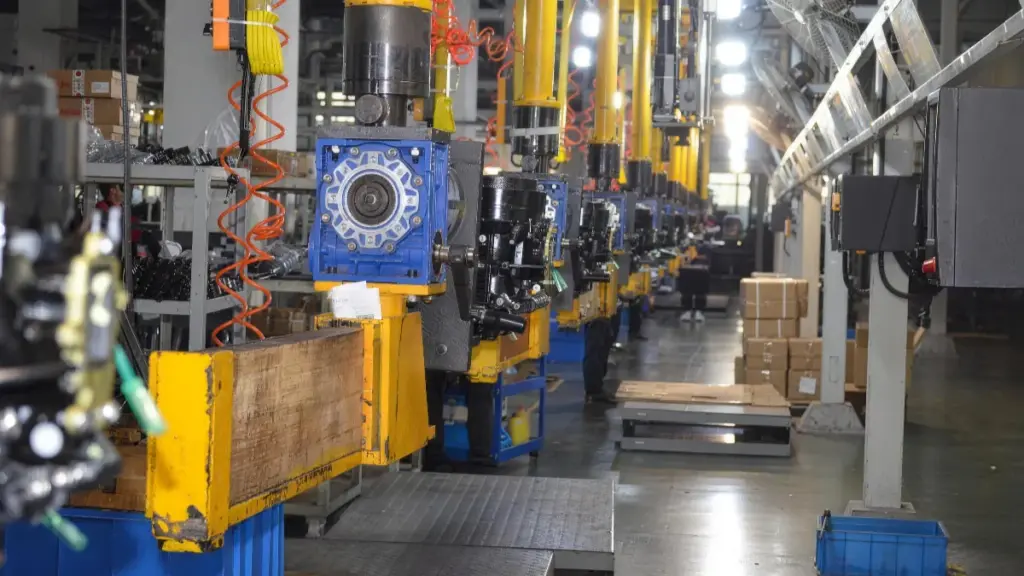
A reliable OEM supplier isn’t a cost-saving measure, it’s a risk-control strategy. The right partner prevents downtime and eliminates the chaos caused by incorrect or counterfeit parts.
A dependable manufacturing partner helps distributors maintain consistent product quality, reduce supply chain risks, and ensure stable product availability. Reliable suppliers also provide technical support, flexible customization, and responsive communication, allowing distributors to serve customers more efficiently and build long-term trust.
When evaluating a marine spare parts supplier, consider whether they offer:
- Stable production capacity and reliable lead times
- Consistent quality control and product testing
- OEM/ODM and private-label manufacturing
- Comprehensive technical documentation
- Responsive before- 그리고 판매 후 지원
Beyond selecting the right supplier, distributors should also improve procurement accuracy by using correct part numbers, forecasting seasonal demand, and maintaining inventory for high-turnover products. These practices help reduce ordering errors, minimize downtime, and improve customer satisfaction.
이상 20 years of experience in power equipment manufacturing, 뉴탑 has built long-term partnerships with distributors across Africa, 동남아시아, 라틴 아메리카, and other international markets. In addition to complete outboard motors, we supply a wide range of marine spare parts—including propellers, fuel system components, engine parts, and maintenance accessories—supported by flexible OEM/ODM services and private-label solutions.
최종 생각
The marine spare parts market offers distributors a rare combination of stable demand, recurring revenue, 그리고 장기적인 성장 잠재력. 선박 함대가 계속 노후화되고 레크리에이션 보트 타기가 계속됨에 따라, 상업 낚시, 해양 운송은 전 세계적으로 확대됩니다., 안정적인 교체 부품에 대한 필요성은 계속 증가할 것입니다..
성공, 하지만, 단순히 제품을 구입하는 것 이상에 달려 있습니다.. 품질에 중점을 둔 유통업체, 재고 효율성, 기술 지원, 강력한 공급업체 파트너십은 지속적인 고객 관계와 지속 가능한 수익성을 구축하는 데 더 나은 위치에 있습니다..
수산물 포트폴리오를 확장하고 싶다면, 우리는 믿을 수 있는 선외기를 제공합니다, 해양 엔진 예비 부품, OEM/ODM 제조, 전 세계 유통업체에 맞춰진 자사 상표 솔루션. 신뢰할 수 있는 제품과 장기적인 제조 지원을 통해 귀하의 해양 사업을 성장시키는 데 어떻게 도움이 될 수 있는지 알아보려면 당사 팀에 문의하세요..
자주 묻는 질문
What are the most profitable marine parts to distribute?
High-margin products typically include propellers, 기화기, starter motors, CDI units, 연료 펌프, complete maintenance kits, and OEM-compatible engine components. These products combine relatively high selling prices with consistent replacement demand.
How do I start a marine parts distribution business?
Start by researching your local boating market, identifying the most common engine brands, selecting reliable OEM suppliers, building an inventory of fast-moving products, and establishing relationships with repair shops, boat dealers, and commercial fleet operators. Offering technical support and dependable after-sales service will help differentiate your business.
Is the boat parts market growing or saturated?
The boat parts market is growing, not saturated. Demand is driven by the repair, 유지, and upgrading of the huge existing fleet of boats. Market reports project steady growth, with the recreational boat parts market forecast to expand significantly through 2028. The strongest opportunities are in the aftermarket, focusing on replacement parts, routine maintenance items, and upgrades for electronics or comfort systems.
What margins can I expect on marine spare parts?
Gross margins on marine spare parts typically range from 25% 에게 60%. Commodity items like common filters and hardware are at the low end (25-40%), while specialized, OEM-only, or hard-to-source components for engines and electronics can hit higher margins of 45-60% or more. A well-managed distribution business can expect a blended gross margin of 30-50%, which leads to a potential net profit margin of 5-15% after covering all operational overhead.
How do I find reliable marine engine and propeller suppliers?
Finding reliable suppliers requires a structured approach. Start by identifying OEM suppliers, specialized manufacturers, and reputable distributors through industry directories, trade shows, and B2B marketplaces. You need to vet potential suppliers based on technical quality, class certifications, supply consistency, 그리고 판매 후 지원. Always request technical documentation, perform reference checks with shipyards or fleet managers, and start with pilot orders to verify quality before making large commitments.
Should I sell marine parts online or through dealers?
A hybrid model is usually the most effective. Selling directly online gives you broad reach, better margin control, and valuable customer data, but it requires a real investment in technology and logistics. 딜러 네트워크를 통한 판매는 현지 신뢰를 활용하고 부품을 서비스와 통합합니다.. 현명한 전략은 두 채널을 모두 사용합니다., 복잡한 라우팅 과정에서 소모품과 액세서리를 온라인으로 판매하는 경우가 많습니다., 설치가 필요한 부품은 딜러 파트너를 통해.
해양 부품을 판매하려면 기술 교육이 필요합니까??
해양 정비사로서의 정식 교육은 필요하지 않습니다., 그러나 해양 시스템에 대한 실질적인 이해가 필수적입니다.. 효과적인 판매를 위해서는 올바른 부품을 식별해야 합니다., 시스템 호환성 이해, 기계공, 차량 관리자 등 기술 구매자와 신뢰할 수 있는 대화를 나누세요.. 해양 시스템에 대한 대상 초급 과정을 통해 이러한 지식을 얻을 수 있습니다., 현장 학습, 제조업체 부품 카탈로그 및 서비스 게시판을 연구합니다..